
Choosing the right sewing thread is a foundational step that directly determines the durability, appearance, and longevity of any handmade item. When working with a highly visible and frequently used color like black thread, the choice between polyester and cotton becomes even more critical. Because black absorbs light and highlights physical texture, choosing the wrong material can result in highly visible seam puckering, premature thread breakage, or a mismatched sheen that detracts from the professional finish of your project.
Polyester black thread is the versatile, high-strength default for most modern sewing applications, especially when working with synthetic, knit, or stretch fabrics. Its inherent elasticity allows seams to stretch without snapping, making it ideal for garments subjected to frequent movement and washing. Conversely, cotton black thread is the preferred choice for natural woven fabrics, quilting, and projects that require high-heat pressing. Cotton provides a completely matte finish and exceptional heat resistance, ensuring that seams do not melt or glaze under a hot iron.
To make the correct decision for your specific project, you must evaluate three primary factors: the fiber composition of your fabric, the amount of stretch the seams must endure, and the temperature at which the finished item will be ironed. While both materials are readily available in various weights, their physical behavior under the sewing machine needle and their visual interaction with fabric differ significantly.
Products mentioned in this guide
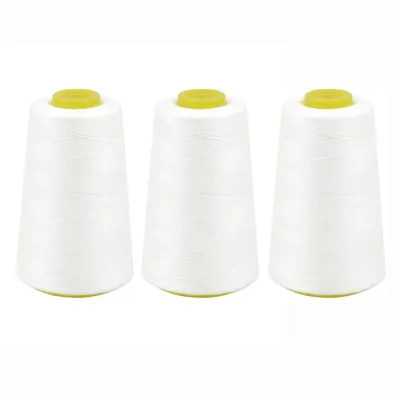
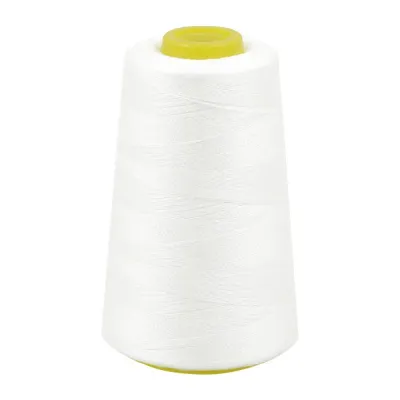
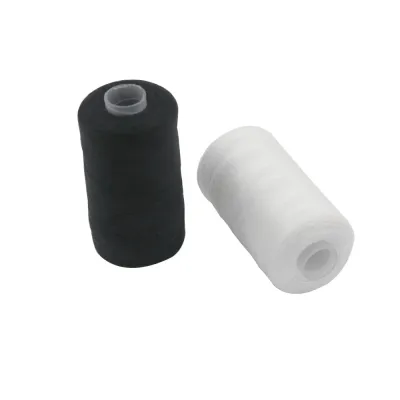
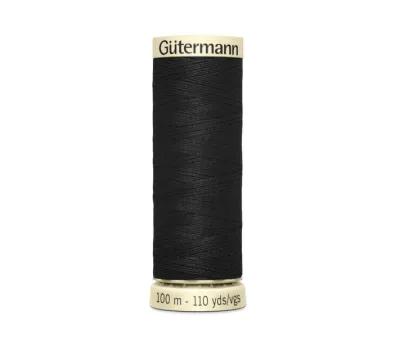
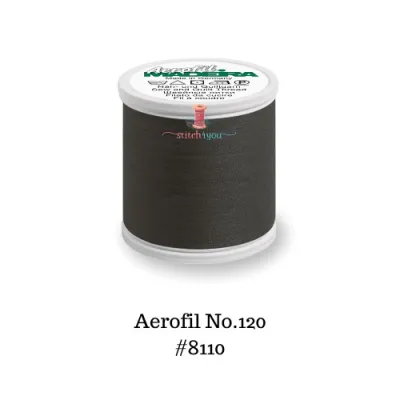
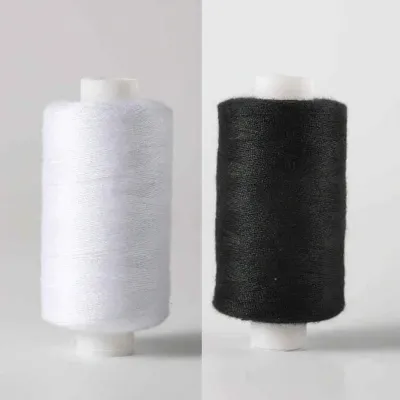
Prices are valid at publication and may change. Please refer to the product page for the latest price.
Material Properties: How Polyester and Cotton Thread Behave
Understanding the physical and chemical differences between synthetic and natural fibers is essential for predicting how your thread will perform over time. Polyester thread is constructed from synthetic polymer fibers, which are extruded into continuous filaments or spun into staple fibers. This manufacturing process produces a highly uniform thread with exceptional tensile strength. Cotton thread is made from natural, plant-based cellulose fibers harvested from the cotton plant. These short fibers are spun together and often undergo mercerization—a chemical treatment that swells the fibers to increase their strength, luster, and dye affinity.
Stretch and Elasticity
Polyester possesses inherent elasticity, meaning it can stretch under tension and return to its original length without breaking. This characteristic is highly beneficial for modern garments, as it allows the stitches to give and flex alongside the fabric. Cotton thread, by contrast, has virtually no elasticity. It is a rigid fiber that holds seams firmly in place with minimal yield. If a seam sewn with cotton thread is subjected to significant stretching, the thread is far more likely to snap than to stretch, making it poorly suited for form-fitting or elasticated clothing.
Strength and Durability
In terms of sheer tensile strength and resistance to abrasion, polyester outperforms cotton. Synthetic fibers do not degrade easily when exposed to moisture, environmental humidity, or modern laundry detergents. This makes polyester black thread highly resistant to rotting and wearing thin over years of use. Cotton thread is naturally weaker than polyester of an equivalent weight, though high-quality mercerized cotton still offers excellent structural integrity. Over decades, natural cotton fibers can break down and weaken, which is why vintage garments sewn with cotton thread often require seam repairs.
Heat Resistance
One of cotton’s greatest advantages is its superior heat resistance. As a natural cellulose fiber, cotton can withstand the highest temperature settings on a household iron without sustaining damage. This allows you to press seams completely flat during construction, which is vital for achieving crisp edges on collars, cuffs, and pleats. Polyester has a much lower melting threshold. If exposed to a hot iron set to the cotton or linen setting, polyester thread can melt, glaze, or weaken significantly, potentially causing the seam to fail later.
Lint and Machine Cleanliness
Because cotton is made from short natural fibers, it naturally sheds tiny fragments as it passes through a sewing machine’s tension disks, thread guides, and needle eye. This accumulation of lint can quickly build up in the bobbin case, shuttle race, and feed dogs, requiring frequent cleaning to prevent tension issues. Polyester thread, particularly long-filament or corespun varieties, is exceptionally clean and produces almost no lint. This keeps your sewing machine’s internal mechanisms running smoothly for longer periods between maintenance sessions.
Project Matching: When to Use Polyester vs Cotton Thread
Selecting the perfect black thread requires matching its physical properties to the specific demands of your fabric and the intended use of the finished item. Using a mismatched thread can cause the seams to wear out faster than the surrounding fabric, or cause structural distortions after the first wash.

Choose Polyester Black Thread If:
- Sewing Knit and Stretch Fabrics: Use polyester for jersey, spandex, rib-knits, and activewear. The natural elasticity of the thread prevents popped seams when the garment is stretched over the body.
- Working with Synthetic Fabrics: Use polyester when your project consists of polyester, nylon, acrylic, or synthetic blends. Matching synthetic thread to synthetic fabric ensures uniform wear and care requirements.
- Constructing Heavy-Wear Garments: Choose polyester for everyday clothing, children's wear, and uniforms that will undergo frequent machine washing and tumble drying.
- Creating Outdoor Gear and Bags: Use polyester for backpacks, outdoor cushions, and utility items. Polyester resists moisture, mildew, and UV degradation far better than cotton, which is especially important in humid climates like Singapore.
Choose Cotton Black Thread If:
- Piecing and Quilting: Use cotton thread when piecing 100% cotton quilting fabrics. Using matching fibers ensures that the thread and fabric shrink, age, and wear at the exact same rate, preventing tension distortion over time.
- Sewing Natural Woven Fabrics: Choose cotton for 100% cotton, linen, ramie, or hemp fabrics. This preserves the organic drape and breathability of the textile.
- Executing High-Heat Pressing: Use cotton for tailored garments, structured shirts, and pleated skirts where frequent, intense steam ironing is required during and after construction.
- Garment Dyeing: If you plan to dye your finished garment after sewing, you must use cotton thread. Cotton fibers readily absorb commercial fabric dyes, whereas standard polyester thread will resist the dye and remain its original color.
Heavy-Duty and Specialized Materials
For projects involving exceptionally dense or heavy materials, standard sewing threads are generally inadequate. If you are working with heavy-duty upholstery, thick leather, marine canvas, or industrial webbing, do not use standard polyester or cotton dressmaking thread. These materials require specialized heavy-duty threads, such as bonded nylon or heavy-duty outdoor polyester (such as V-69 or V-92 weight). These threads are designed to withstand the extreme friction of piercing dense materials and the high tension of industrial sewing machines.
Verification and Testing
When working with blended fabrics (such as a cotton-polyester blend) or unfamiliar black textiles, never sew the final garment without testing first. Cut a small scrap of your project fabric and sew several test seams using both thread types. Observe how the machine tension behaves, check if the seam puckers when pulled, and press the sample with your iron at the intended temperature. This simple trial allows you to identify any compatibility issues before committing to the final construction.
Visual Impact and Aesthetics
Because black thread is highly saturated, its visual finish can dramatically affect the look of your garment. Polyester black thread typically features a subtle, semi-gloss sheen that reflects light. If used on a completely matte natural fabric, like a heavy black cotton drill or linen, these shiny stitches can stand out prominently and look cheap. Cotton black thread has a rich, light-absorbing matte finish that blends seamlessly into natural woven textiles, providing a clean, high-end appearance.
Pre-Sewing Checks: Shrinkage, Colorfastness, and Tension
Before launching into your sewing project, performing a few diagnostic checks on your chosen black thread can save hours of frustration and prevent ruined fabric.
Shrinkage Testing
Natural cotton thread can shrink by up to 1% to 2% during its first exposure to hot water and tumble drying. If you sew cotton thread onto a pre-shrunk fabric, this differential shrinkage will cause the thread to pull tight, creating permanent puckering along your seams. To verify shrinkage, sew a straight line of stitches on a pre-washed scrap of your fabric, measure the exact length of the seam, wash and dry it according to your project’s care instructions, and measure it again. If puckering occurs, you should either pre-wash your cotton thread spool (by soaking it in warm water and letting it air dry completely) or switch to a non-shrinking polyester thread.
Colorfastness Verification
Black dyes require heavy saturation, making black thread particularly prone to dye bleeding (crocking) when washed or steamed. This is especially true for cotton fibers. To test for colorfastness, cut a 20 cm strand of your black thread, wet it thoroughly with warm water, and place it between two layers of light-colored scrap fabric. Press down firmly with a hot steam iron for ten seconds. Inspect the light fabric for any signs of black dye transfer. If the dye bleeds, you should wash the thread spool prior to sewing or use a high-quality, colorfast polyester thread instead.
Tension and Breakage Observation
If you experience frequent thread breakage while sewing with black thread, the culprit is often machine calibration rather than a defective thread. The heavy dye loads used to achieve a deep black color can sometimes make the thread slightly stiffer or rougher than lighter colors. Thread your machine carefully, ensuring the thread is fully seated in the tension disks. Sew a test strip on a scrap piece of your fabric. If the thread breaks or the stitches look uneven, slightly loosen your upper tension dial and check that the spool is feeding smoothly without catching on the plastic rim of the spool.
Needle Compatibility
Matching your needle size to your thread weight is critical to prevent friction, shredding, and skipped stitches. A standard general-purpose sewing thread is typically 50-weight (50wt). For this thread thickness, a needle size of 80/12 is generally recommended. If you are using a thicker utility thread, you must step up to a 90/14 or 100/16 needle to ensure the eye of the needle is large enough for the thread to pass through without chafing. Conversely, using a needle with an eye that is too large can cause loose, sloppy stitches.
Buying and Storing Black Thread for Longevity
Investing in high-quality thread and maintaining it properly ensures that your sewing projects remain structurally sound for years to come. Cheap, unbranded threads are often weak, unevenly spun, and prone to breaking mid-stitch.
Reading the Label
When purchasing black thread, always inspect the spool endcaps or labels. Look for clear indications of fiber content (such as “100% Polyester” or “100% Mercerized Cotton”), the thread weight (often designated as 50wt, 40wt, or as a metric number like Ne 50/2), and recommended needle sizes. Reputable manufacturers will always display this information clearly, allowing you to make an informed choice.
Quality Indicators
Before purchasing multiple spools of black thread for a large project, inspect the physical quality of the spool. High-quality thread is wound evenly and tightly around the core. Pull a short length of thread off the spool and hold it up to the light; it should look smooth and uniform, with minimal “slubs” (fuzzy clumps or thick spots) and no loose fibers haloing the strand. Additionally, check that the spools share the same dye lot number to ensure the black shade is perfectly consistent across your entire project.
Storage Conditions
To preserve the strength and color of your black thread, store your spools in a cool, dry environment away from direct sunlight. Ultraviolet (UV) rays can degrade both synthetic and natural fibers, making them brittle and prone to snapping. Sunlight can also cause deep black dyes to fade or shift toward a dull brown or charcoal hue. In humid environments, store your cotton thread in airtight plastic containers or drawers with silica gel packets to prevent mold, mildew, and moisture absorption, which can rot natural fibers over time.
Frequently Asked Questions (FAQ)
Can I use polyester thread on 100% cotton fabric?
Yes, you can safely use polyester thread on 100% cotton fabric. It is a very common practice in modern garment construction because polyester thread is exceptionally strong and durable. However, keep in mind that polyester thread is stronger than cotton fabric. Under extreme stress, the fabric itself may tear before the thread breaks, whereas a cotton thread would break first, protecting the fabric. Additionally, the slight sheen of polyester thread may be visible against a completely matte cotton fabric.
Why does my black thread keep breaking on the sewing machine?
Frequent thread breakage with black thread is usually caused by incorrect machine tension, a worn-out needle, or a needle eye that is too small for the thread weight. Because black thread contains high concentrations of dye, it can sometimes feel slightly rougher, causing extra friction as it passes through the needle eye. To resolve this, replace your needle with a fresh, sharp one of the correct size, clean any accumulated lint out of your bobbin area, and slightly decrease your upper thread tension.
Is black thread more prone to fading than other colors?
Black thread can be more prone to visible fading because black absorbs the entire spectrum of visible light, making any loss of color highly noticeable. Cotton black thread is particularly susceptible to fading from UV exposure and repeated washing with harsh detergents, often turning charcoal or brownish over time. Polyester black thread is highly resistant to fading because synthetic fibers lock in disperse dyes very securely. To minimize fading, wash your finished garments inside out in cold water and dry them out of direct sunlight.
Community discussion
Share your experience or ask a question. Comments are reviewed before publication.