
Selecting the perfect black sewing thread is not a matter of finding a single superior option, but rather of matching the thread’s physical properties to your specific fabric and project goals. Because black thread is highly visible on lighter fabrics and must blend seamlessly into dark materials, any mismatch in stretch, strength, or heat tolerance will quickly show in puckered seams, broken stitches, or damaged fibers. By understanding how polyester, cotton, and nylon behave under tension and heat, you can ensure your seams remain durable and look professional.
To achieve a clean finish, you must evaluate how the thread interacts with the fabric during both construction and daily wear. A thread that is too strong can cut through delicate fabrics, while a thread with no stretch can snap when used on elastic materials. Taking the time to analyze your materials beforehand prevents structural failures and keeps your handmade items looking pristine for years to come.
How to Match Black Thread to Your Fabric
The foundational rule of sewing is to match the fiber of your thread to the fiber of your fabric. This classic principle ensures that both components react similarly to environmental factors like moisture, heat, and physical stress. For instance, pairing a natural cotton thread with a natural cotton fabric means both will shrink, stretch, and age at a comparable rate, preserving the structural integrity of the garment over time. Conversely, sewing synthetic fabrics with synthetic threads prevents premature wear and tear at the seams.
Products mentioned in this guide
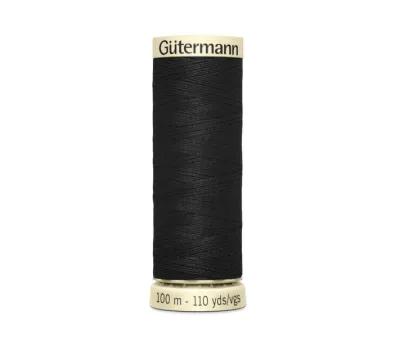
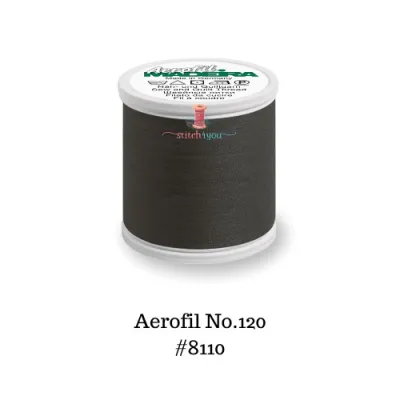
Prices are valid at publication and may change. Please refer to the product page for the latest price.
Elasticity and tension play a critical role in how a thread behaves within different fabric structures. Woven fabrics, which are generally stable and have minimal stretch, require a thread that holds its shape without pulling. Knit fabrics, on the other hand, demand a thread with inherent elasticity to stretch alongside the loops of the knit. If you use a rigid thread on a highly elastic fabric, the thread is likely to snap the first time the material is pulled or worn.
Before finalizing your thread selection, always check the care labels on your fabric. Your thread must be able to withstand the exact same washing, drying, and ironing conditions as the main textile. A high-heat iron used to press a cotton garment can easily melt a low-tolerance synthetic thread, ruining hours of careful construction. Matching these care requirements beforehand saves your projects from accidental damage during laundering.
Polyester Black Thread: The Versatile All-Rounder
Polyester black thread is widely considered the workhorse of the modern sewing room due to its adaptability and resilience. It is the ideal choice for sewing synthetic fabrics such as polyester, nylon, rayon, and spandex blends. Because most contemporary clothing contains at least some synthetic fibers, keeping a high-quality spool of black polyester thread on hand ensures you are prepared for the vast majority of everyday garment construction and repair tasks.

One of the key advantages of polyester is its slight natural stretch. This built-in elasticity allows the thread to give slightly under tension, making it highly forgiving on seams that experience regular movement, such as armholes and waistbands. Additionally, polyester boasts high tensile strength, meaning it resists snapping under pressure. It is also highly resistant to fading, shrinking, and mildew, which helps black garments retain their deep, dark seam lines even after dozens of trips through the washing machine.
Despite its versatility, polyester thread does have distinct limitations that require careful attention. Its heat tolerance is significantly lower than that of natural fibers like cotton. When pressing your seams, you must verify your iron’s temperature settings and use a lower heat level or a pressing cloth to avoid melting or weakening the synthetic fibers. Always test your iron on a scrap piece of fabric sewn with the polyester thread to ensure the heat will not compromise the seam’s structural integrity.
Cotton Black Thread: The Natural Choice for Wovens
Cotton black thread is the traditional choice for sewing natural, woven fabrics such as 100% cotton, linen, and wool. It is highly favored by quilters, tailors, and crafters who prioritize a classic, heritage finish. Because cotton fibers have a beautiful, soft, matte appearance, black cotton thread absorbs light rather than reflecting it, allowing it to blend almost invisibly into dark, natural textiles without the synthetic sheen often associated with polyester.
The primary physical characteristic of cotton thread is its lack of stretch. This zero-stretch property is highly beneficial when working with stable woven fabrics, as it prevents the seams from puckering or shifting during construction. Cotton also boasts exceptional heat tolerance, allowing you to use a hot iron for crisp, heavy pressing without any risk of the thread melting. This makes it indispensable for intricate patchwork and quilting, where flat, sharply pressed seams are essential for accuracy.
However, cotton thread comes with specific limitations that you must evaluate before starting your project. It has lower overall tensile strength compared to synthetic alternatives, making it more susceptible to breaking under high tension. It also carries a risk of shrinking during its first wash, which can cause unsightly seam puckering if the fabric was not pre-washed. Because of its rigid nature, cotton thread should generally be avoided on stretchy knit fabrics, where it is highly likely to snap under physical strain.
Nylon Black Thread: For Heavy-Duty and High-Stretch Projects
Nylon black thread is engineered for specialized, heavy-duty applications where standard sewing threads would quickly fail. It is the premier choice for projects involving heavy canvas, leather, vinyl, webbing, and high-stretch activewear or swimwear. When your project demands extreme durability, resistance to friction, or maximum elasticity, nylon provides the heavy-duty performance required to keep the item intact under intense stress.
The standout properties of nylon thread are its exceptional tensile strength and high elasticity. It can stretch significantly and recover its original shape without losing strength, making it perfect for seams on athletic gear that must endure constant pulling and flexing. Nylon also features a smooth, slightly glossy surface that glides easily through thick, dense, or abrasive materials without fraying or shredding. This smooth passage helps maintain consistent stitch quality even when working with heavy industrial needles.
Despite its strength, nylon thread requires careful handling and has notable vulnerabilities. It has poor heat resistance and can easily melt or weaken under a hot household iron, meaning pressed seams must be avoided or handled with extreme caution. Nylon is also susceptible to UV degradation over time; if exposed to prolonged sunlight, the fibers can weaken, making standard nylon less suitable for outdoor gear unless specifically treated. Finally, you must verify your sewing machine’s needle requirements, as thick nylon thread often requires specialized leather or heavy-duty needles to prevent skipped stitches and tension issues.
Decision Guide: Choosing Black Thread by Project Type
To finalize your choice of black thread, evaluate the primary function and material of your specific project. For everyday garment construction, polyester is usually the safest and most practical choice, offering the necessary stretch and durability for modern synthetic and blended fabrics. If you are constructing structured, heirloom-quality garments from natural fibers like linen or cotton, prioritize cotton thread to match the fabric’s drape, matte finish, and high heat tolerance.
For quilting and patchwork projects, cotton thread remains the gold standard. Its ability to withstand high-temperature pressing ensures your quilt blocks lie perfectly flat, while its matte texture blends beautifully with quilting cottons. On the other hand, if you are tackling home decor, upholstery, outdoor gear, or leathercraft, prioritize heavy-duty nylon or bonded polyester. These materials provide the necessary abrasion resistance and strength to hold up under heavy daily use.
Before making your final purchase, always inspect the thread spool label carefully. Verify the exact material composition, thread weight, and any manufacturer care instructions. Testing your chosen black thread on a small scrap of your project fabric is the best way to check tension, stitch appearance, and heat compatibility before committing to your final seams.
Frequently Asked Questions (FAQ)
Can I use polyester thread on 100% cotton fabric?
While it is technically possible, using polyester thread on 100% cotton fabric is generally discouraged for high-wear items. Polyester is significantly stronger and more abrasive than cotton fibers. Over time, as the garment is worn and washed, the tough polyester thread can act like a tiny saw, cutting through the softer cotton yarns and causing the fabric to tear along the seam line. If you do choose to mix them for specific high-stress seams or decorative topstitching, always test the combination on a fabric scrap first to monitor how the tension behaves.
Does black thread fade faster than other colors?
Black thread does not inherently fade faster than other colors, but any fading that does occur is much more noticeable due to the high contrast of the dark pigment. The base material plays a massive role in dye retention. Polyester thread is highly colorfast because the dye is integrated into the synthetic polymer, making it resistant to fading from harsh detergents and sunlight. Cotton thread, being a natural fiber, is more prone to gradual fading over time, especially when exposed to hot water or line-drying in direct sunlight. To maintain a deep black color, check the spool packaging for colorfastness guarantees and wash your finished projects in cold water.
Community discussion
Share your experience or ask a question. Comments are reviewed before publication.