
Selecting the right polybag size is a balancing act between protecting your merchandise and keeping shipping costs low. If a bag is too small, your products risk being crushed, bent, or bursting through the seams during transit. Conversely, an oversized bag looks unprofessional, allows items to slide around, and can trigger higher shipping fees from logistics providers due to excess dimensional weight.
To find the perfect fit, you must look beyond simple two-dimensional measurements. By understanding how flat dimensions translate to three-dimensional volume, calculating the necessary allowances, and matching the plastic thickness to your product type, you can streamline your packing process and ensure every order arrives in pristine condition.
Decoding Polybag Dimensions and Thickness Specs
When browsing packaging supplies, you will notice that polybags are measured flat, typically listed as Width x Length. It is vital to remember that these dimensions do not represent a three-dimensional volume. A flat 10×13-inch bag cannot hold a 10×13-inch box; as soon as an item with depth is inserted, the sides of the bag pull inward, reducing the usable width and length.
Products mentioned in this guide
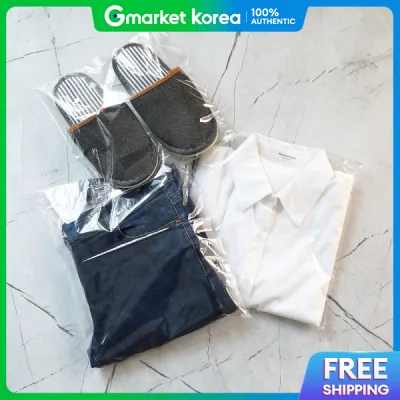
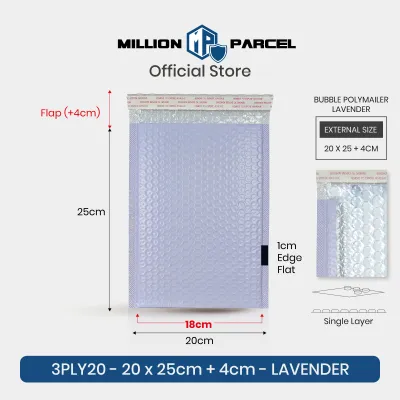
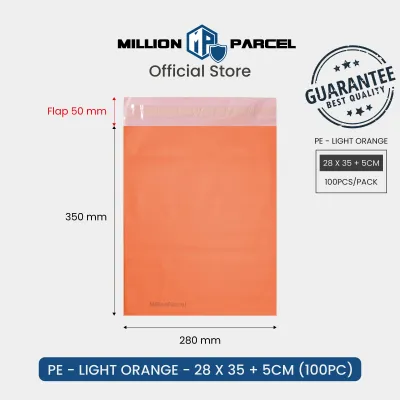
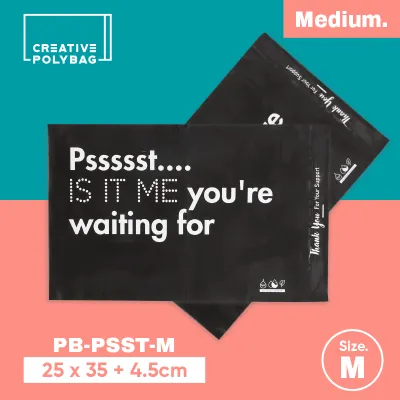
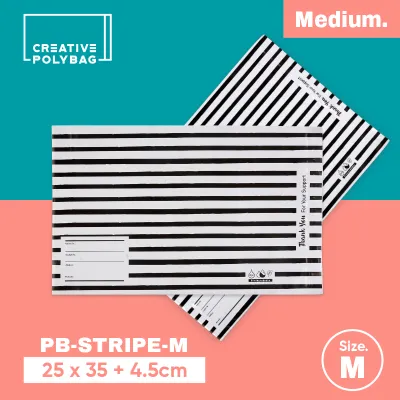
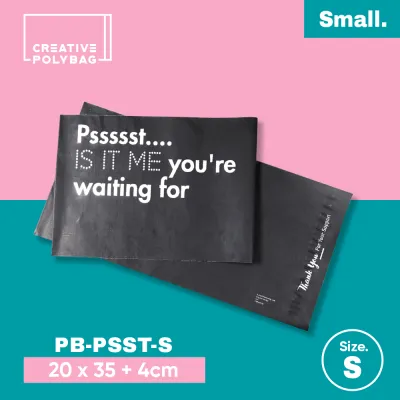
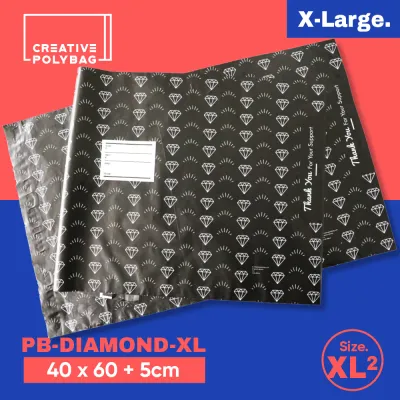
Prices are valid at publication and may change. Please refer to the product page for the latest price.
In addition to dimensions, you must evaluate the thickness of the plastic, which is usually measured in “mils” (thousandths of an inch) or microns (one-millionth of a meter). For reference, 1 mil is equivalent to 25.4 microns. This conversion is highly useful when sourcing packaging from different suppliers, as some label their inventory in mils while others use microns.
The thickness of the polybag directly determines its durability and suitability for different types of cargo:
- 2-mil (approx. 50 microns): This is the industry standard for lightweight, non-fragile items. It offers excellent flexibility and basic protection against dust and moisture.
- 4-mil (approx. 100 microns): A heavy-duty option designed for heavier items or products with defined edges that might puncture thinner plastic.
- 6-mil (approx. 150 microns): Super heavy-duty protection ideal for industrial parts, sharp tools, or heavy bundles that require maximum puncture and tear resistance.
For standard e-commerce shipping, tensile strength and puncture resistance are the most critical specifications. Tensile strength refers to how much stretching force the plastic can withstand before tearing, while puncture resistance prevents sharp corners from piercing the bag. While thickness is a reliable indicator of strength, the quality of the polymer—such as whether it is made from virgin or recycled polyethylene—also plays a massive role in how the bag performs under stress.
How to Calculate the Exact Polybag Size You Need
To avoid wasting material or struggling to stuff products into tight packaging, you can use a simple mathematical formula to determine the exact flat polybag size required for any item.

First, measure your product’s actual dimensions—length, width, and height (thickness)—when it is fully prepared for shipping. If you are bundling multiple items together, such as a stack of notebooks or art canvases, measure the entire bundle as a single unit. Always measure the widest and thickest points of the item.
Second, apply the “wrap-around” rule. Because a flat bag must stretch to accommodate a three-dimensional object, you must add the height of the product to its width. This ensures the bag can open wide enough to receive the item without tearing at the seams.
Third, factor in an extra allowance for the sealing flap and easy insertion. You need enough clearance so the item slides in smoothly without requiring force, and you need sufficient length for the adhesive flap to fold over and seal securely.
Use this standard formula to calculate your minimum bag dimensions:
- Bag Width = Product Width + Product Height + 1 inch (allowance)
- Bag Length = Product Length + Sealing Flap Allowance (typically 1.5 to 2 inches)
For example, if you are shipping a rectangular box that is 8 inches wide, 10 inches long, and 2 inches high, your calculation would look like this:
- Bag Width = 8 + 2 + 1 = 11 inches
- Bag Length = 10 + 2 = 12 inches (or up to 14 inches if you require a longer sealing flap to fold over the height of the item)
- Recommended Polybag Size: 11×12 inches (or 11×14 inches for extra safety)
Before purchasing bags in bulk, always test your calculated dimensions with a physical sample. You can buy a small sample pack from your supplier to verify the fit, ensuring your packing team can seal the bags quickly and efficiently during high-volume shipping periods.
Standard Polybag Sizes for Common E-commerce Categories
While custom calculations are ideal for unique items, many e-commerce products fit standard, readily available polybag sizes. Keep in mind that these are baseline flat sizes; you should adjust upward if your items are particularly bulky or rigid.
Stationery, Art Supplies, and Small Accessories
Small items require precise sizing to prevent them from getting lost in oversized packaging. For individual pens, markers, erasers, or small washi tape rolls, standard small flat bags measuring 4×6 inches or 6×9 inches are highly effective. If you are packaging larger items like sketchbooks, acrylic paint sets, or complete brush kits, an 8×10-inch bag provides a secure fit.
When shipping sharp stationery items—such as metal compasses, craft knives, scissors, or mechanical pencils—it is crucial to upgrade to a thicker bag of 4-mil or higher. Sharp tips can easily pierce standard 2-mil plastic during transit, which poses a safety risk to delivery personnel and can lead to lost merchandise.
Books, Planners, and Paper Goods
Paper goods are relatively heavy and rigid, requiring careful edge and corner protection. Standard document-sized polybags, such as 9×12 inches or 10×13 inches, are perfect for standard A4 and A5 notebooks, daily planners, and journals.
For these items, a snug fit is essential. If there is too much excess space inside the polybag, heavy books will slide back and forth during transit. This constant shifting concentrates force on the corners of the book, often leading to bent pages, dented spines, or ruptured bag seams. In Singapore’s highly humid climate, ensuring paper goods are tightly sealed in a moisture-resistant polybag is also vital to prevent paper warping.
Apparel and Soft Goods
Soft goods like clothing, fabric pouches, and plush pencil cases are highly compressible, making them some of the easiest products to package. Standard medium-to-large polybags, such as 10×13 inches for t-shirts and light apparel, or 12×15 inches for bulkier hoodies and knitwear, are ideal.
Because soft goods can be compressed, you do not need to worry as much about a rigid height allowance; the length and width of the bag are your primary concerns. A standard 2-mil thickness is generally sufficient for apparel, unless the garments feature heavy metal zippers, sharp buttons, or decorative studs that could snag and tear the plastic from the inside.
Selecting the Right Thickness and Closure Features
Choosing the right polybag involves more than just getting the dimensions right; you must also select the correct material properties and closure mechanisms to match your workflow and security needs.
For lightweight, non-fragile items like apparel or flat paper goods, standard lightweight polybags keep shipping costs low while providing adequate dust and moisture protection. However, if you are shipping heavy stationery, metal tools, or items with rigid plastic corners, investing in heavy-duty, puncture-resistant bags is non-negotiable.
When it comes to closures, you have two primary options:
- Self-Seal Adhesive Strips: These feature a peel-and-seal strip that allows for rapid packaging, making them the preferred choice for fast-paced e-commerce fulfillment.
- Open-Top Bags: These require a manual heat sealer or heavy-duty packaging tape to close. While they take longer to pack, they provide a highly secure, airtight, and tamper-evident seal.
Always check your supplier’s specifications for tear resistance and seam strength. High-quality bags made from virgin low-density polyethylene (LDPE) offer superior stretch and seam durability compared to cheaper bags made from low-grade recycled plastics, which can split open under minor pressure.
Additionally, consider using opaque or co-extruded polybags. These bags feature a black or dark grey interior lining and a white or colored exterior. This co-extruded design ensures absolute opacity, protecting the privacy of the shipment and shielding light-sensitive items—such as specialized art papers, photographic prints, or archival materials—from solar degradation during delivery.
Frequently Asked Questions (FAQ)
Can I use a polybag that is slightly larger than the recommended size?
Using an oversized polybag carries several risks, including item shifting, corner damage, and higher shipping rates. In Singapore, local couriers often calculate shipping fees based on dimensional weight rather than actual weight; excess plastic can make your package bulkier, increasing your costs unnecessarily. If you must use a larger bag, fold the excess plastic tightly around the product and secure it firmly with packaging tape to minimize movement.
Do I need to use a cardboard mailer instead of a polybag for fragile stationery?
Yes, polybags offer zero crush protection. You should always use rigid cardboard mailers, bubble mailers, or boxes for easily bent items like certificates, loose-leaf paper, and art prints. Fragile or brittle items—such as glass ink bottles, fountain pens, and clear acrylic rulers—must be packed in rigid containers with protective cushioning, as a standard polybag will not prevent them from shattering or snapping under pressure.
Community discussion
Share your experience or ask a question. Comments are reviewed before publication.