
Deciding on the perfect Pokemon EZ-Link card comes down to whether you intend to tap it at transit gantries every day or preserve its artwork in a protective display case. While every official card features iconic pocket monsters, the physical wear of daily commuting in Singapore can quickly degrade rare finishes, making a clear distinction between utility and collectibility essential. By matching the card’s material, finish, and packaging to your primary usage goal, you can enjoy your favorite Pokemon designs without risking damage to a prized collectible.
Define Your Goal: Daily Transit or Long-Term Collection?
Before browsing the secondary market or queuing at transit offices, you must clarify how you plan to interact with your new card. A daily commuter needs a highly functional, resilient tool that can withstand constant physical contact. Commuting in Singapore involves sliding cards in and out of wallets, tapping against plastic readers at MRT stations or on buses, and exposure to humidity and occasional rain. For these scenarios, physical durability and quick NFC responsiveness are the absolute priorities.
Collectors, on the other hand, view these cards as miniature pieces of art. For a collector, the value lies in the pristine condition of the card’s surface, the rarity of the specific character illustration, and the presence of unique printing embellishments. Any scratch, scuff, or bent corner significantly diminishes the aesthetic and sentimental value of the item. Consequently, a card destined for a collection requires an entirely different handling and storage strategy than one meant for the daily grind.
Products mentioned in this guide
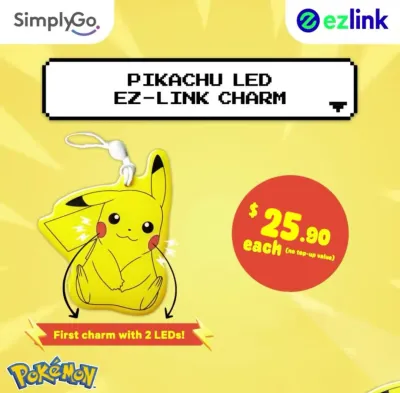
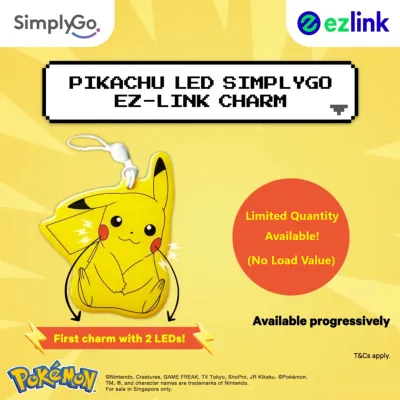
Prices are valid at publication and may change. Please refer to the product page for the latest price.
For dedicated fans, attempting to use a single rare card for both purposes often leads to disappointment. The constant friction of daily transit will eventually wear down even the most robust prints. A highly recommended strategy is the dual-purpose approach: purchase a standard, easily replaceable Pokemon design for your daily commute, and keep your limited-edition or holographic variants safely stored away. This ensures you can show off your fandom on the go while keeping your prized pieces in mint condition.
What to Look for in a Daily Commuter Card
When selecting a Pokemon EZ-Link card for daily transit, the physical construction of the card is just as important as the character featured on it. Standard PVC cards with a smooth, glossy, or matte laminated finish are the most practical choices for commuters. These flat, laminated surfaces are designed to resist surface scratches and prevent the printed ink from peeling when rubbed against other cards in your wallet.

The design layout itself should also influence your choice. Look for artwork where the main Pokemon character is centered and surrounded by a busy or textured background. If a card features a solid, dark background, minor scuffs and hairline scratches from transit readers will be highly visible. Designs with vibrant, multi-colored patterns tend to camouflage everyday wear and tear much better, keeping the card looking fresh even after months of heavy use.
Physical protection is vital to prevent internal damage to the card’s embedded antenna and NFC chip. Repeatedly bending a card by sitting on a wallet kept in a back pocket can sever the internal connections, rendering the card unreadable at transit gantries. To prevent this, consider using a rigid plastic cardholder or a dedicated slot in a stiff wallet. If you prefer quick access, a heavy-duty lanyard with a clear protective sleeve can shield the card from environmental moisture and physical impact while keeping it ready for instant tapping.
Selecting the Right Card for Collecting and Display
For those focusing on the hobby of collecting, the appeal of a Pokemon EZ-Link card often goes beyond standard PVC prints. Premium variants frequently showcase advanced printing techniques, such as holographic foils that catch the light, embossed textures that give a three-dimensional feel to the character, or metallic borders. These special design elements make the card stand out in a display but are highly susceptible to oils from your fingers and physical abrasion.
Preserving the original packaging is a fundamental rule for serious collectors. Many limited-edition cards are sold in blister packs with decorative backing cards or wrapped in protective shrink wrap. Removing the card from its original packaging instantly lowers its collectible appeal and exposes it to environmental hazards. If you want to display the artwork, look for ways to showcase the entire packaged unit rather than extracting the card itself.
Proper storage and display solutions are essential to protect your collection from Singapore’s warm, humid climate. Ultraviolet (UV) light from windows or fluorescent bulbs can fade vibrant inks over time, turning a colorful Charizard or Pikachu dull. To prevent this, utilize UV-protected acrylic stands or specialized top loaders designed for standard card dimensions. Storing your collection in a dry, cool area—ideally alongside silica gel packets to absorb excess moisture—will prevent the plastic from warping and keep the adhesive layers from degrading.
Verification Checklist Before You Purchase
Because Pokemon EZ-Link cards are highly sought after, verifying the authenticity and functionality of a card before handing over your money is crucial. Always prioritize purchasing from official transit ticketing offices, authorized stationery retailers, or verified sellers on reputable e-commerce platforms. Be cautious of deals that seem too good to be true on unverified online marketplaces, as counterfeit cards or deactivated transit passes are common.
When inspecting a card, look for key authenticity markers. Official cards will always feature the crisp, high-resolution EZ-Link logo, standard regulatory markings, and a unique 16-digit identification number printed on the reverse side. The print quality of the Pokemon artwork should be sharp, with no blurry edges, color bleeding, or misaligned layers. Authentic cards also feature precise physical dimensions that match standard credit cards, fitting perfectly into standard wallet slots.
Finally, confirm the card’s functional status before finalizing your purchase. Some promotional items or novelty designs are sold strictly as decorative merchandise and do not contain an active, reloadable transit chip. Check the product description or packaging labels carefully to ensure the card is designated as a functional transit accessory. If purchasing from a secondary seller, ask for confirmation that the card has not been blocked, expired, or linked permanently to another personal transit account.
Frequently Asked Questions (FAQ)
Can I use a limited-edition collectible Pokemon EZ-Link card for daily bus and train rides?
Yes, as long as the card contains an active, official transit chip, you can use it for daily commuting. However, doing so is highly discouraged if you want to preserve its value. The physical friction of tapping against transit readers, sliding the card in and out of pockets, and exposure to humidity will quickly scratch holographic foils, wear down embossed details, and scuff the edges. For rare or limited-run designs, it is best to keep them in protective storage and use a standard, easily replaceable card for your daily travel.
What should I do if my Pokemon EZ-Link card stops working or gets physically damaged?
If your card stops responding at transit gantries, you should visit an official transit customer service center or ticketing office in Singapore for a physical assessment. The staff can test the card to determine if the internal NFC chip is damaged. If the card is faulty but physically intact within its warranty period, you may be eligible for a replacement. For damaged or expired cards, you can typically apply to transfer any remaining stored monetary value to a new card, though the original collectible card shell may have to be surrendered or deactivated depending on official transit policies.
Community discussion
Share your experience or ask a question. Comments are reviewed before publication.