
The interaction between a pocket notebook’s paper and your pen depends on three primary variables: paper weight, surface coating, and texture. There is no single universal paper that excels with every writing instrument. Instead, finding the right match requires balancing the fast-drying needs of ballpoint pens against the bleed-resistant, feather-resistant requirements of liquid-ink gel and fountain pens. By understanding how these paper characteristics behave under different ink formulations, you can select a pocket notebook that preserves your notes without smudging, bleeding, or ghosting.
For those who carry a notebook daily, portability means the paper is often subjected to quick, on-the-go writing. This makes drying time and environmental durability critical factors. In warm, humid climates, ambient moisture can alter how paper fibers absorb ink, making the choice of paper even more consequential. A notebook that performs beautifully in a dry, air-conditioned office might behave differently when exposed to outdoor humidity, where paper fibers naturally relax and absorb moisture from the air.
Understanding Paper Traits for Ballpoint, Gel, and Fountain Pens
To understand how paper interacts with your pen, you must first look at its physical composition. Paper weight is measured in grams per square meter (GSM). While a higher GSM generally indicates a thicker, heavier sheet that can physically block ink from seeping through, weight alone does not guarantee bleed resistance. The internal structure of the paper and the presence of sizing agents play a far greater role. Sizing is a chemical treatment applied during the manufacturing process to regulate how the paper absorbs liquid. A thin, highly sized paper can resist fountain pen ink better than a thick, unsized paper.
Products mentioned in this guide
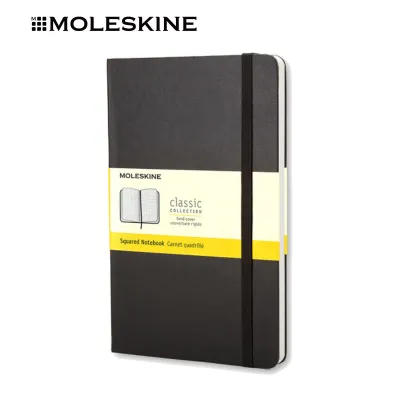
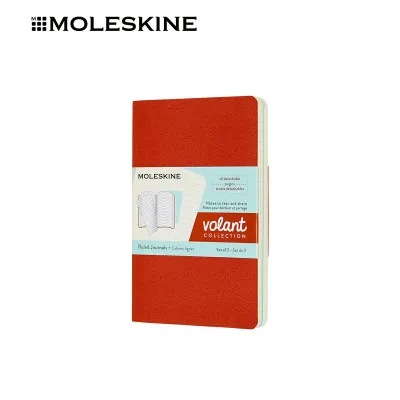
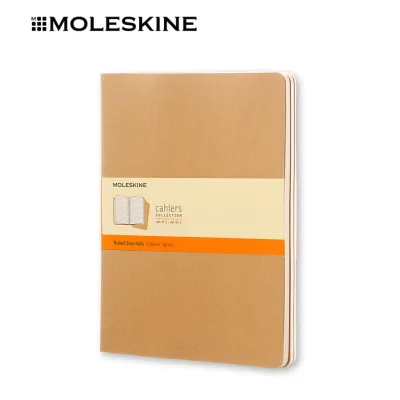
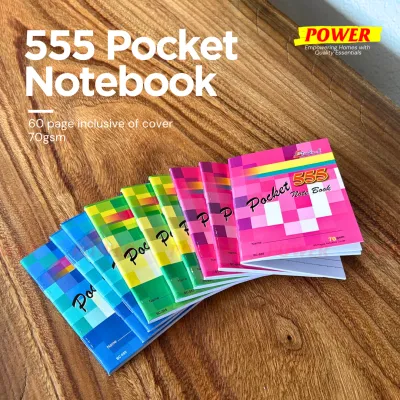
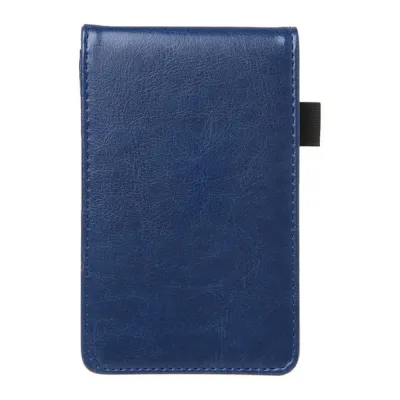
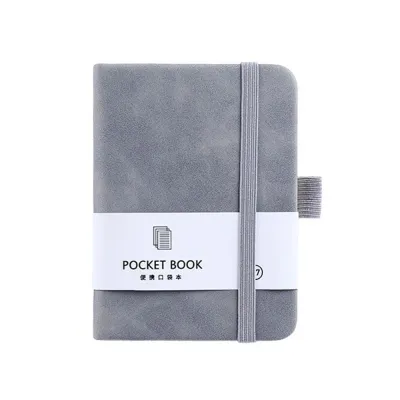
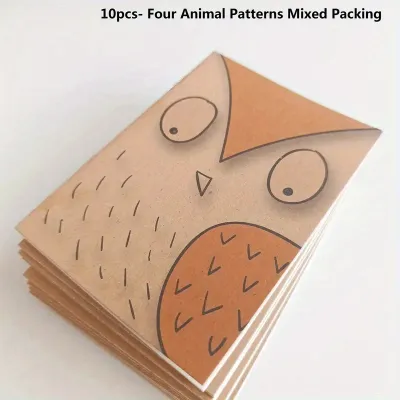
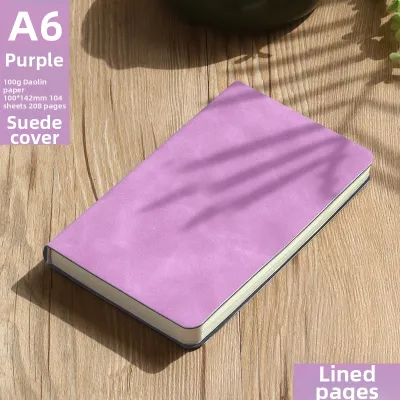
Prices are valid at publication and may change. Please refer to the product page for the latest price.
The surface treatment of the paper—whether it is coated or uncoated—profoundly affects ink absorption, drying time, and line crispness. Coated papers feature a microscopic layer of minerals or polymers that slows down ink absorption, keeping the ink on the surface. This results in incredibly crisp lines, vibrant colors, and minimal feathering, but it dramatically increases drying times. Uncoated papers, on the other hand, allow ink to penetrate deep into the cellulose fibers immediately. This is excellent for preventing smudges but can cause liquid inks to spread out laterally (feather) or soak through to the other side (bleed).
Paper texture, often referred to as “tooth,” describes the microscopic roughness of the paper surface. High-tooth paper provides satisfying tactile feedback for pencils and ballpoint pens, helping the ball roll smoothly and deposit oil-based ink evenly. However, for fine-nibbed fountain pens or delicate gel pens, high tooth can feel scratchy, catch on the nib, or collect paper fibers in the feed. Smooth papers minimize friction, allowing liquid ink pens to glide effortlessly across the page, though they may feel too slippery for those who prefer a bit of resistance when writing.
Matching Pocket Notebook Paper Types to Your Preferred Pen
Smooth, coated papers are highly compatible with gel pens and fountain pens. These writing instruments use water-based or water-and-pigment-based inks that flow generously from the tip. Coated papers prevent these wet inks from spreading along the paper fibers, ensuring that your handwriting remains legible and sharp. If you use a fine or medium fountain pen, or a precise gel pen, a smooth, coated pocket notebook is an excellent choice. However, users must account for longer drying times. In humid environments, the extended drying time on coated paper can lead to smearing if you close the notebook too quickly, making blotting paper a useful accessory.

Uncoated, textured papers are best suited for ballpoint pens, rollerballs, and pencils. Ballpoint ink is thick, oil-based, and requires physical friction to transfer from the ball to the page. Uncoated utility papers provide the perfect amount of grip to facilitate this transfer. Because the paper is porous, it instantly absorbs the oil-based ink, making it virtually smudge-proof the moment you write. This is the classic utility style, designed for rapid, reliable note-taking where you cannot afford to wait for ink to dry before pocketing your notebook.
High-GSM or specialty treated papers are designed for heavy ink flow and fountain pens to minimize show-through. These papers often range from 90 GSM to 120 GSM or feature specialized sizing that resists heavy ink saturation. While they allow you to write on both sides of the page with broad nibs or wet inks, they often result in a stiffer page feel. A notebook filled with high-GSM paper will be noticeably thicker and heavier, which can affect how comfortably it sits in a pocket or how easily it bends to conform to your body.
Before committing to a specific pocket notebook, it is essential to verify the specific paper line within a brand. Manufacturers frequently offer multiple paper variations under the same brand name, meaning that a brand’s standard notebook might use a lightweight, uncoated paper, while their premium or artist editions might feature a completely different, high-GSM coated paper. Always check the product specifications for details on paper weight, coating, and intended pen compatibility rather than assuming all notebooks from a single brand perform identically.
Practical Tests to Verify Paper and Pen Compatibility
Performing a few simple, observable checks can help you confirm if a specific pocket notebook suits your pen and writing style. The first test is the dry time and smudge check. Write a series of short lines or words with your preferred pen, then gently swipe your finger across the ink at intervals of 1 second, 5 seconds, 10 seconds, and 30 seconds. Note when the ink stops smearing. If you live in a humid climate, perform this test in your typical daily environment, as high humidity can double the drying time of gel and fountain pen inks on coated paper.
Next, conduct a bleed-through and ghosting inspection. Flip the page over under a bright, direct light source to assess ink penetration and shadow visibility. Bleed-through occurs when ink physically penetrates the paper fibers and appears as spots or lines on the reverse side, rendering it unusable. Ghosting, or show-through, is when the ink does not break the surface but remains visible as a shadow. If you prefer using both sides of a pocket-sized page, look for papers that minimize ghosting under standard indoor lighting.
To evaluate feathering and line quality, write a few words using your normal writing pressure. Examine the edges of the letters closely, preferably under a magnifying glass or using your phone’s camera zoom. If the ink has spread outward like tiny spiderwebs, the paper is feathering. This indicates that the paper fibers are highly absorbent and lack sufficient sizing to control liquid inks, which can make fine handwriting look messy and bloated.
To avoid wasting money on a multi-pack that might not suit your writing style, start by purchasing a single notebook from the brand’s entry-level line. Many stationery brands sell individual pocket notebooks for under S$8, allowing you to run compatibility tests with your favorite pens. Alternatively, visit a local specialty stationery shop. Many independent retailers keep open display models or dedicated test pads of popular pocket notebook brands, allowing you to test your own pens on the actual paper before spending any money.
Which Pocket Notebook Paper Should You Choose?
Your choice of pocket notebook paper should align with your dominant writing habits and environmental conditions. Choose smooth or coated paper if you primarily use gel or fountain pens, prioritize crisp line quality, and do not mind a slightly longer ink drying time. This combination is ideal for detailed journaling, sketching, or precise note-taking where legibility and ink color vibrancy are paramount.
Choose uncoated or textured paper if you rely on ballpoint pens, mechanical pencils, or pressurized ink cartridges. This paper type is perfect for rapid, on-the-go note-taking, offering immediate ink absorption and tactile page feedback. It is highly practical for outdoor use, quick lists, and situations where you need to close the notebook and slide it back into your pocket immediately.
Choose high-GSM or specialty treated paper if you use high-flow fountain pen inks, broad nibs, or fine-liner markers, and require absolute minimal bleed-through for double-sided writing. This paper ensures that your writing remains clean on both sides of the sheet, though you should be prepared for a slightly bulkier notebook that may not lay as flat as thinner alternatives.
Always verify first if you use a unique ink formulation, apply exceptionally heavy writing pressure, or require the notebook to lay completely flat for technical sketching. Some binding styles can resist laying flat, which, when combined with stiff, high-GSM paper, can make writing near the spine difficult. Testing a single unit under your typical writing conditions will ensure the notebook integrates seamlessly into your daily carry.
Frequently Asked Questions (FAQ)
Does a higher paper GSM always mean better performance for fountain pens?
No, a higher paper weight (GSM) does not guarantee better performance with fountain pens. While a thicker sheet (such as 100 GSM) is highly effective at preventing ghosting, it can still suffer from severe feathering and bleed-through if it lacks proper sizing. Sizing is a chemical treatment applied during papermaking that regulates how the paper absorbs liquid. A well-sized, coated 68 GSM paper will often handle wet fountain pen inks beautifully with zero feathering, whereas an unsized, highly porous 120 GSM sketch paper may absorb the ink like a sponge, causing it to bleed through instantly.
How can I test a pocket notebook's paper before committing to a multi-pack?
To avoid wasting money on a multi-pack that might not suit your writing style, start by purchasing a single notebook from the brand’s entry-level line. Many stationery brands sell individual pocket notebooks for under S$8, allowing you to run compatibility tests with your favorite pens. You can also visit local brick-and-mortar stationery boutiques, which frequently provide open sample books or test sheets at their display counters. Finally, some specialty paper manufacturers offer small swatch books or sample packs containing single sheets of their various paper types, which is an excellent, low-waste way to find your perfect paper match.

Community discussion
Share your experience or ask a question. Comments are reviewed before publication.