
When selecting or repairing a shirt, the buttons are far more than simple fasteners; they define the garment’s character, longevity, and ease of maintenance. Whether you are tailoring a custom piece, replacing a lost fastener, or evaluating a ready-to-wear shirt on the rack, understanding the differences between plastic, resin, and natural shell buttons is essential. Each material brings distinct physical properties, aesthetic values, and care requirements to your wardrobe.
Choosing the wrong button can lead to cracked fasteners during laundering, scorched surfaces under a hot iron, or a mismatched look that detracts from a high-quality fabric. By examining how these materials behave under daily wear and how they respond to heat and pressure, you can make an informed decision that balances visual appeal with practical durability. This guide explores the observable characteristics, care profiles, and suitability frameworks for these three common shirt button options.
Visual and Tactile Traits: How to Tell Them Apart
Identifying button materials on a finished shirt or in a haberdashery shop relies on a few simple, observable physical tests. The most immediate differentiator is surface luster and depth of color. Natural shell buttons, typically crafted from mother-of-pearl or trochus shells, exhibit a deep, organic iridescence that shifts dynamically when caught by the light. This natural play of color is highly irregular, meaning no two shell buttons are completely identical. In contrast, standard plastic buttons—often made from nylon or polyester—display a uniform, flat surface color with a superficial shine that lacks visual depth. Resin buttons occupy a middle ground, as manufacturers can introduce swirling pigments to mimic natural patterns, though these patterns still repeat with a level of regularity not found in genuine shell.
Products mentioned in this guide
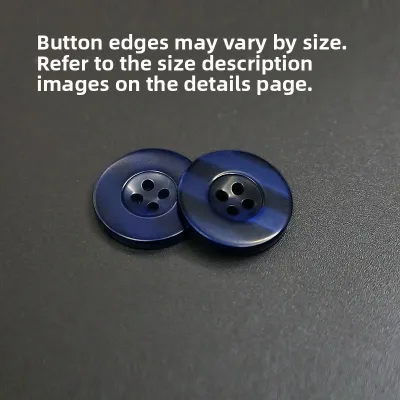
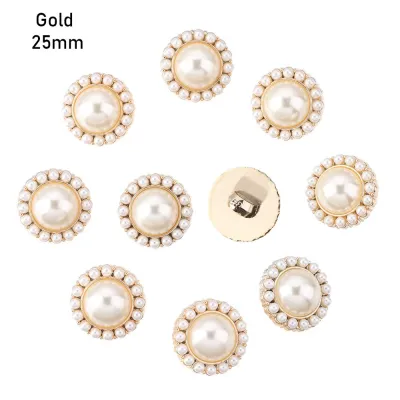
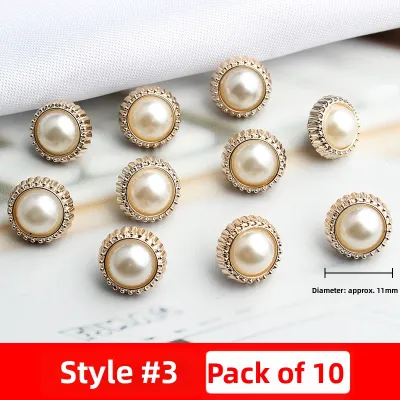
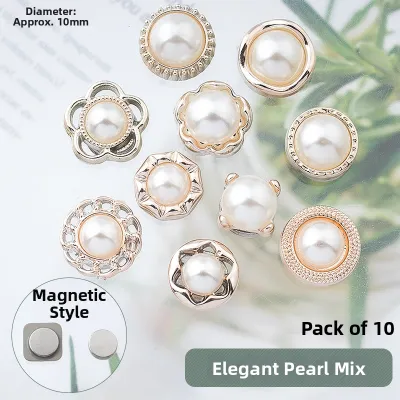
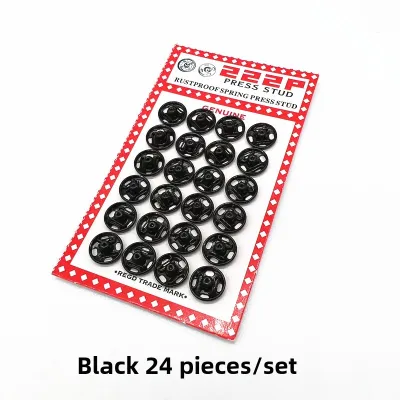
Prices are valid at publication and may change. Please refer to the product page for the latest price.
Weight and temperature feel provide another reliable set of clues when inspecting buttons in hand. Natural materials like shell are denser and feel noticeably cooler to the touch than synthetic alternatives. If you place a natural shell button against your cheek or lip, it will retain its cool temperature for several seconds because of its thermal conductivity. Plastic and resin buttons, being synthetic polymers, feel warm almost immediately upon contact and are significantly lighter in weight. This difference in density becomes particularly apparent when handling a handful of loose buttons, where the natural shell options clink together with a higher-pitched, metallic sound compared to the duller thud of plastics.
Edge detailing and back finishing also reveal the manufacturing origin of each button type. Natural shell buttons are sliced and carved from real shells, which often leaves natural imperfections, color variations, or even remnants of the rough outer shell on the back surface. The edges of shell buttons are typically crisp and sharp, though quality makers polish them to prevent fabric damage. Synthetic buttons, on the other hand, are molded or cast in large batches. Plastic buttons frequently show tiny mold lines, slight protrusions where they were detached from the casting frame, or smooth, rounded backs that are entirely uniform. Resin buttons can be machined to have sharper edges resembling shell, but their backs remain highly consistent without any organic texture or color deviations.
Durability and Care: What to Expect in Daily Wear
The longevity of your shirt buttons depends heavily on how the material responds to the mechanical forces of daily wear and laundering. Natural shell buttons are prized for their beauty, but they are inherently brittle. When subjected to the high-pressure rollers of commercial laundry presses or the tumbling action of a washing machine drum, shell buttons are susceptible to chipping, cracking, or splitting along their natural growth lines. Plastic buttons offer much higher impact resistance, flexing slightly under pressure rather than shattering, which makes them highly resilient for everyday garments. Resin buttons, particularly high-grade thermoset resins, are engineered to combine the rigidity of natural materials with enhanced impact resistance, offering a durable alternative that resists cracking during standard machine cycles.

Heat tolerance is another critical factor, especially during the ironing process. Natural shell buttons possess excellent heat resistance and will not melt or deform when exposed to a hot iron, though extreme direct heat can occasionally dull their natural luster. Synthetic buttons require much more caution. Standard plastic buttons can soften, warp, or even melt if they come into direct contact with a high-temperature iron setting, potentially leaving a sticky residue on your iron soleplate and ruining the shirt fabric. Resin buttons generally offer better heat tolerance than basic plastics, but they can still suffer from surface scorching or discoloration. To protect both synthetic and natural finishes, it is always wise to verify the garment’s care label and use a clean pressing cloth over the button placket during ironing.
Over extended periods of use, environmental exposure and cleaning agents can alter the appearance of your buttons. White or light-colored plastic buttons are prone to yellowing when exposed to ultraviolet light or harsh laundry detergents. This chemical degradation weakens the polymer structure over time, making the buttons brittle. Resin buttons are formulated to resist this yellowing effect more effectively, maintaining their clarity and color stability through numerous wash cycles. Natural shell buttons do not yellow from UV exposure, but they can be sensitive to highly acidic or alkaline substances, which can slowly erode the delicate calcium carbonate layers and strip away their signature iridescence.
Suitability Guide: Matching Buttons to Shirt Types
Selecting the right button material requires matching the physical properties of the fastener to the weight, style, and purpose of the shirt fabric. For formal dress shirts, business attire, and high-end bespoke garments, natural shell buttons remain the traditional standard. Their unique luster complements fine cotton weaves, such as twill, poplin, and royal oxford, adding a refined, premium finish that elevates the overall appearance of the garment. High-grade resin buttons are also an excellent choice for professional wardrobes, offering a polished, sophisticated look that closely mimics shell while providing greater resilience against the rigors of frequent commercial dry cleaning.
For casual, utility, and everyday shirts, practical considerations often favor synthetic options. Heavy flannel, denim, and work shirts benefit from the rugged durability of thick plastic or standard resin buttons, which can withstand rough handling, outdoor activities, and heavy-duty washing cycles without risk of shattering. Lightweight summer shirts, such as those made from linen or casual cotton blends, pair well with lightweight resin buttons that do not weigh down the placket or cause the fabric to sag.
To simplify your selection process, use this conditional decision framework when planning a project or purchasing a garment:
- Choose natural shell if you are prioritizing a premium, traditional aesthetic for formal or business wear, plan to hand-wash or use delicate laundry cycles, and desire a unique, iridescent finish where no two buttons are identical.
- Choose resin if you want a sophisticated, high-gloss appearance with consistent coloring, require high durability against machine washing and impact, and need a reliable middle ground between luxury and utility.
- Choose plastic if you are looking for a highly cost-effective, impact-resistant option for everyday casual wear, need exact color matching across a large batch of garments, and want low-maintenance fasteners that resist cracking.
Inspection Checklist Before Buying or Sewing
Before purchasing replacement buttons or sewing them onto a shirt, conducting a thorough physical inspection ensures compatibility and prevents future garment damage. Use the following checklist to verify the quality and fit of your buttons:
- Verify the Size (Ligne or Millimeters): Shirt buttons are typically measured in lignes (where 1 ligne equals approximately 0.635 mm). Standard front plackets usually require 14-ligne to 16-ligne buttons, while collar points and cuffs often use smaller 12-ligne options. Ensure the thickness of the replacement button matches your existing buttonholes; a button that is too thick will stretch and strain the threads, while one that is too thin may slip open easily.
- Inspect the Sewing Holes: Examine the small holes drilled into the center of the button. The inner edges of these holes must be completely smooth and free of sharp burrs or leftover manufacturing debris. Sharp edges inside the holes will slowly saw through your sewing thread during daily wear, causing the button to fall off unexpectedly.
- Check for Dye Lot Consistency: If you are replacing a single button on a shirt, compare it directly to the remaining buttons under natural light. Synthetic buttons can vary slightly between manufacturing batches, and natural shell buttons have inherent color variations. Ensuring a close match in tone, thickness, and luster prevents the replacement from looking out of place.
- Examine the Rim and Back: Run your finger along the outer edge of each button to check for rough spots, chips, or sharp molding seams. Smooth rims are essential to prevent the button from snagging or tearing delicate shirt fabrics when passing through the buttonhole.
Frequently Asked Questions (FAQ)
Can I upgrade plastic buttons to natural shell on any shirt?
Upgrading to natural shell is possible on most shirts, but you must first evaluate the fabric weight and the existing buttonhole dimensions. Natural shell buttons are often thicker and heavier than standard plastic ones, which can cause lightweight or delicate fabrics to sag or pull unevenly along the placket. Measure the height and width of your current buttonholes to ensure they can accommodate the slightly larger profile of a premium shell button without forcing or tearing the stitching. Additionally, consider your laundering habits; if you regularly send the shirt to a commercial laundry that uses heavy mechanical presses, the fragile shell buttons may chip unless you request hand-finishing or use protective covers.
How do I safely clean stained resin or plastic buttons?
To clean synthetic buttons that have become dull or stained, start by wiping them with a soft microfiber cloth dampened with warm water and a few drops of mild, pH-neutral dish soap. Avoid using harsh chemical solvents, acetone, or abrasive scrubbing pads, as these substances can chemically dissolve or scratch the synthetic polymer, leaving the surface permanently cloudy or sticky. Gently work the soapy water around the button face and sewing holes to remove accumulated oils or laundry residue, then rinse with clean water and dry thoroughly with a soft towel. If a stain persists or if the button surface shows signs of chemical degradation, stop the cleaning process and consult a professional tailor or dry cleaner to avoid damaging the surrounding shirt fabric.
Community discussion
Share your experience or ask a question. Comments are reviewed before publication.