
Selecting the right pizza packing box requires matching the baked diameter of your pizza with the internal dimensions of the packaging, ensuring there is enough clearance to protect the crust and toppings. For a standard 9-inch pizza, you need a box with minimum internal dimensions of 9.5 x 9.5 inches. A 12-inch pizza requires a box with internal dimensions of at least 12.5 x 12.5 inches, while a 14-inch pizza demands at least 14.5 x 14.5 inches of internal space.
These dimensions provide a necessary half-inch buffer that prevents the hot, delicate edges of the crust from scraping against the cardboard walls during transport. Additionally, the depth of the box must be carefully matched to the pizza style, ranging from 1.75 inches for thin-crust varieties to 2.5 inches for heavy deep-dish pies. Choosing the correct size ensures your product arrives intact, retains its heat, and presents professionally to the customer.
Understanding Nominal vs. Internal Box Dimensions
When sourcing packaging, it is easy to confuse nominal dimensions with actual internal dimensions. The nominal size is the commercial name used by manufacturers to label their products, such as a “12-inch box.” However, this label often refers to the external measurements of the flat cardboard sheet before it is folded, or a rounded approximation of the outer dimensions.
Products mentioned in this guide
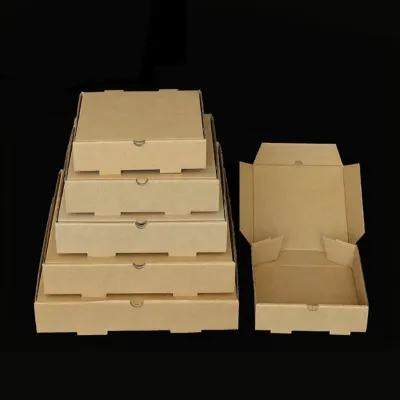
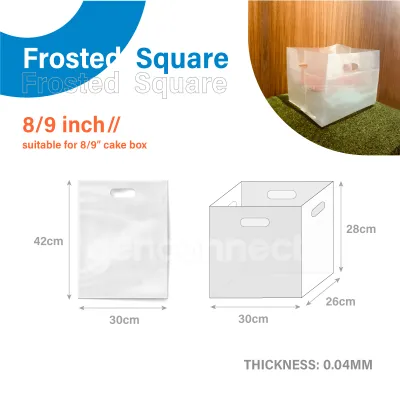
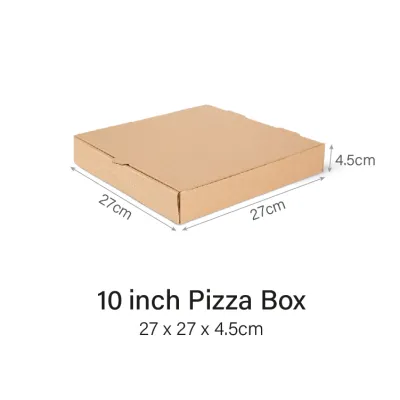
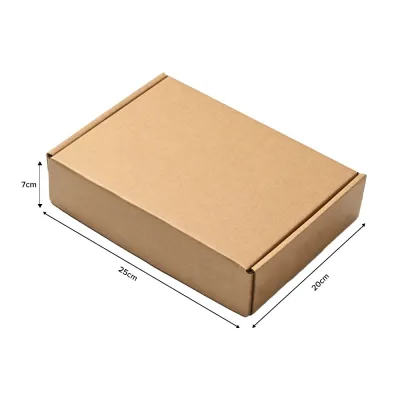
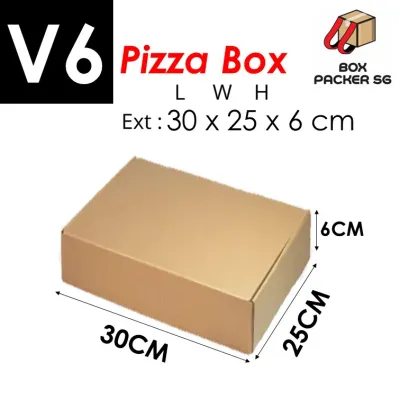
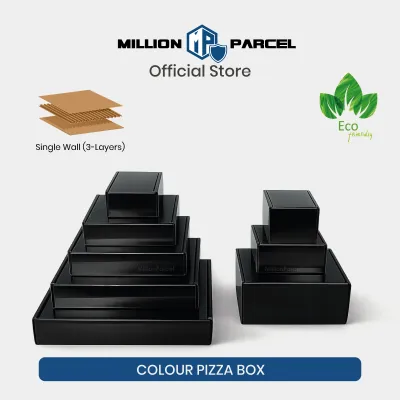
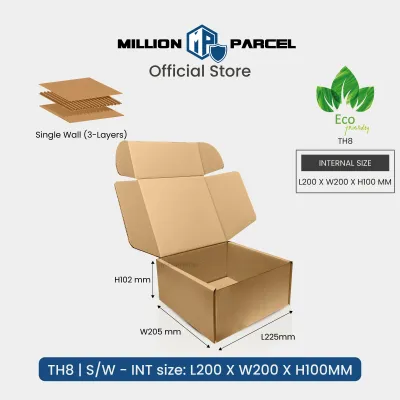
Prices are valid at publication and may change. Please refer to the product page for the latest price.
Because corrugated cardboard has a physical thickness—typically categorized by flute sizes like B-flute or E-flute—the folding process consumes a portion of the space. The actual usable space inside a folded box is always smaller than its external footprint. Relying solely on the nominal label without verifying the internal specifications can result in a box that is too tight, forcing the pizza crust against the sides and causing the pie to buckle.
To prevent these sizing errors, packaging buyers must consult the manufacturer’s technical specification sheets. These documents list both the external dimensions and the exact internal length, width, and depth. When evaluating a pizza packing box, always use the internal measurements as your baseline for compatibility, ensuring they meet your required clearance margins.
Sizing Guidelines for 9, 12, and 14-Inch Pizzas
To maintain the structural integrity of a pizza during delivery, the packaging must offer a consistent clearance margin. A standard clearance of 0.5 inches (approximately 1.27 cm) added to the nominal diameter of the pizza is the industry benchmark. This buffer accommodates the natural variations in shape that occur when dough is hand-stretched and baked.

For a 9-inch pizza, a box with internal dimensions of 9.5 x 9.5 inches is ideal. This size prevents the pizza from sliding excessively while ensuring the crust does not press against the cardboard. If your 9-inch pizza has an unusually thick or irregular crust, upgrading to a 10 x 10-inch internal dimension may be necessary to avoid edge damage.
For a 12-inch pizza, the minimum internal requirement is 12.5 x 12.5 inches. This is one of the most common commercial sizes, balancing space efficiency with product protection. For a 14-inch pizza, you must secure a box with at least 14.5 x 14.5 inches of internal space to handle the larger surface area and weight of the pie.
The style of your pizza dictates the required depth of the box. Thin-crust and standard hand-tossed pizzas perform best in boxes with a depth of 1.75 inches. Thick pan pizzas, double-dough styles, or deep-dish pies require a deeper profile, typically 2.0 to 2.5 inches, to prevent the lid from contacting the cheese and toppings.
Before committing to a bulk purchase, always request physical samples from the packaging manufacturer. Conduct a live test by placing a freshly baked, fully loaded pizza into the sample box. This trial allows you to observe how the steam behaves, check if the crust deforms, and verify that the lid closes securely without touching the toppings.
| Pizza Size (Nominal) | Minimum Internal Width & Length | Recommended Box Depth (Thin/Regular) | Recommended Box Depth (Deep Dish/Pan) |
|---|---|---|---|
| 9-Inch | 9.5 x 9.5 inches | 1.75 inches | 2.0 to 2.25 inches |
| 12-Inch | 12.5 x 12.5 inches | 1.75 inches | 2.0 to 2.5 inches |
| 14-Inch | 14.5 x 14.5 inches | 1.75 inches | 2.0 to 2.5 inches |
Evaluating Clearance and Topping Protection
Protecting the visual presentation of a pizza is just as important as preserving its temperature. Top clearance is a critical factor in this equation. When a hot pizza is boxed, steam rises and softens the cardboard lid, causing it to sag slightly. Without adequate vertical clearance, the center of the lid can sink into the hot cheese, ruining the presentation. Utilizing a plastic or compostable pizza saver support in the center of the pie can mitigate this risk, but starting with the correct box depth is the primary defense.
Side clearance must be balanced carefully. If the side clearance is too narrow, the pizza will scrape the walls during boxing, transferring sauce and cheese to the cardboard. Conversely, if the side clearance is too wide, the pizza will slide during transit. This shifting can cause the pizza to collide with the box walls, pooling the toppings on one side and damaging the crust.
The material composition of the box also plays a vital role in maintaining food quality. Corrugated cardboard, typically B-flute or E-flute, provides thermal insulation and structural rigidity. The box must feature integrated steam vents—usually small, semi-perforated tabs on the back or sides—to allow excess moisture to escape. Without proper ventilation, trapped steam condenses on the inner lid and drips back onto the pizza, making the crust soggy and compromising the box’s structural integrity.
Common Sizing and Packing Mistakes
One of the most frequent mistakes in pizza packaging is choosing a box that matches the pizza’s nominal size exactly. For example, placing a 12-inch pizza into a box with an exact 12-inch internal width leaves zero tolerance for error. Because hand-stretched pizzas are rarely perfect circles, any slight protrusion will be crushed against the side walls, leading to an unappealing presentation.
Another common error is overcompensating by using a box that is far too large, such as placing a 12-inch pizza into a 14-inch box. The excessive empty space allows the pizza to slide freely during delivery. When the delivery vehicle turns or stops, the pizza slides hard against the side of the box, often folding the crust over or causing the toppings to slide off the dough base.
Finally, ignoring the height of the toppings when selecting box depth can lead to disaster. Heavily loaded pizzas with thick layers of cheese, meats, or vegetables sit higher than standard cheese pizzas. If you use a standard 1.75-inch deep box for these specialty pies, the lid will inevitably press against the toppings, stripping away the cheese when the customer opens the box. Always measure the total height of your tallest specialty pizza to ensure your selected box depth provides a safe buffer.
Frequently Asked Questions (FAQ)
Can I use a 12-inch box for a 12-inch pizza?
No, you should not use a box with an exact 12-inch internal measurement for a 12-inch pizza. A baked pizza naturally varies in shape and size due to dough expansion and hand-stretching. If the internal dimensions of the box are exactly 12 inches, the pizza will fit too tightly, causing the crust to compress, buckle, or scrape against the sides. To ensure a proper fit, always select a box with internal dimensions of at least 12.5 x 12.5 inches.
How do I measure a pizza box correctly?
To measure a pizza box accurately, assemble the box completely. Use a reliable measuring tape to measure the internal space from the inside of one wall to the inside of the opposite wall. Do not measure the flat, unassembled cardboard sheet or the external dimensions of the folded box, as these measurements include the thickness of the corrugated material and folding joints, which do not represent the actual space available for the food.
Community discussion
Share your experience or ask a question. Comments are reviewed before publication.