
The ideal personalised school supplies for Singapore primary school students depend heavily on their grade level, transitioning from high-durability name labels, stamps, and engraved wooden pencils in Lower Primary (Primary 1 to 3) to sophisticated engraved pens, custom subject dividers, and high-GSM student planners in Upper Primary (Primary 4 to 6). In a fast-paced school environment, children manage multiple subjects, co-curricular activities, and shared classroom spaces. Personalised stationery serves a dual purpose: it practically eliminates the constant loss of expensive tools and builds a child’s organizational independence from an early age.
The Practical Benefits of Personalised School Supplies
In a bustling classroom of up to 30 or 40 students, identical high-quality stationery items frequently get mixed up, misplaced, or left behind. Marking items with a distinct, permanent name ensures that lost pencils, rulers, and pencil cases find their way back to their rightful owner. This simple measure reduces the recurring cost of replacing lost items throughout the school year, saving parents both money and time.
Beyond the financial savings, custom-labeled supplies foster a strong sense of personal ownership and responsibility. When a child sees their own name neatly printed or engraved on their belongings, they are more likely to care for them, pack them carefully into their schoolbags, and respect their tools. This forms a foundational habit of self-management that supports academic success and personal growth.
Products mentioned in this guide
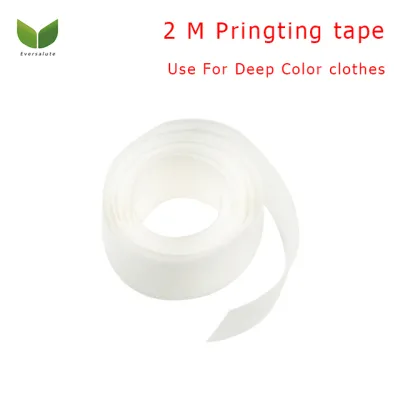
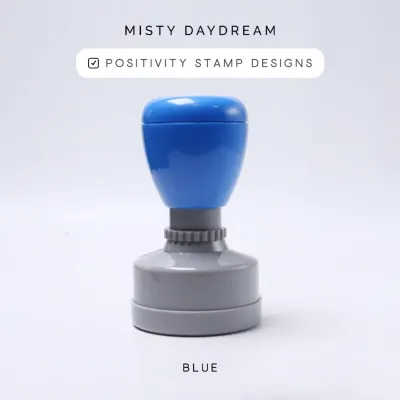
Prices are valid at publication and may change. Please refer to the product page for the latest price.
As students progress from the foundational years of Primary 1 to the demanding preparation phases of Primary 6, their academic requirements shift dramatically. Lower primary students require highly tactile, easy-to-identify items that accommodate developing fine motor skills. Conversely, upper primary students require tools that support advanced writing, complex subject organization, and structured time management.
Lower Primary (Primary 1–3): Essential Personalised Supplies for Beginners
The early years of primary school represent a major transition as children learn to manage their own belongings for the first time. The focus during this stage is on high visibility, durability, and ergonomic support to help young learners build confidence.

Personalised Pencils and Ergonomic Grips
Standard wooden pencils are the absolute workhorses of the Lower Primary classroom. Opting for pre-sharpened, high-quality graphite pencils featuring laser-engraved names ensures that your child’s primary writing tool is immediately recognizable. Laser engraving cuts directly into the wooden casing, making the name far more durable than printed text, which tends to smudge under sweaty hands during long writing sessions.
Since younger children are still refining their tripod grip, pairing these pencils with custom or colour-coded silicone pencil grips is highly beneficial. These soft, slip-resistant sleeves guide finger placement, reducing hand fatigue. Choosing a specific, bright colour combination helps the child quickly identify their pencil even from across a shared group table.
While engraved pencils are highly practical, parents must note that shallow or poorly executed engraving can easily wear off or become obscured by dirt. Before placing a bulk order, verify that the engraving depth is sufficient and that the lettering is clean and legible. It is also wise to check if the pencil wood is treated with non-toxic lacquers to ensure safety during daily use.
Custom Name Stamps and Multi-Surface Labels
The sheer volume of books, files, and worksheets distributed at the start of the school year can make manual labelling incredibly tedious. Self-inking name stamps provide an efficient, high-speed solution for marking textbooks, exercise books, and fabric pencil cases. A single press applies a clear, consistent name that is easy for young children and teachers to read.
When choosing a custom stamp, look specifically for smudge-proof, quick-drying, and washable ink formulations. Because primary school books are frequently handled, standard water-based ink can easily smear, leaving illegible black marks on hands and pages. The ink must dry within seconds of application and resist light moisture.
Parents must verify that any ink used on school supplies is certified non-toxic and child-safe. This is particularly critical for younger children who may occasionally touch their mouths after handling stamped items. Ensure the manufacturer provides clear safety documentation, and reserve stamps for paper and fabric, avoiding direct application to food-contact surfaces.
Labelled Pencil Cases and Storage Pouches
A well-structured pencil case is vital for keeping a Lower Primary student organized. Look for cases featuring clear, mesh compartments and smooth, heavy-duty zippers that are easy for small hands to operate. Avoid overly complex multi-tier cases that can distract students during lessons or easily break when dropped.
Personalisation for these cases should focus on durability and high visibility. Embroidered names directly on canvas or nylon cases offer the longest lifespan, resisting fraying and washing. Alternatively, heavy-duty, waterproof name tags secured with steel loops can be attached to the zipper pulls, ensuring the case is easily identified even when stored inside a deep cubby hole.
A clearly labelled, structured storage pouch teaches young students to return each tool to its designated spot. When every pencil, eraser, and ruler has a home, children can perform quick visual checks before leaving the classroom. This significantly reduces the chances of leaving essential tools behind at the end of the school day.
Upper Primary (Primary 4–6): Advanced Personalised Tools for Older Students
As students enter Upper Primary, their academic workload increases, and they begin preparing for major assessments. Stationery needs shift toward precision, subject-specific organization, and professional-grade durability.
Engraved Fountain Pens and Ballpoint Pens
Around Primary 3 or 4, students transition from using pencils to writing with ink pens for their daily work and examinations. This transition requires reliable writing instruments that write smoothly without skipping. Ergonomic pen bodies with a balanced weight distribution help students maintain control and speed during long writing tasks.
For older students, a high-quality ballpoint, gel, or fountain pen with a laser-engraved metal body offers a sophisticated, mature aesthetic. Laser engraving on anodized aluminum or brass pens provides a permanent, elegant finish that will not wear away, unlike cheap plastic prints. This serves as a meaningful milestone gift that encourages pride in their academic progress.
Left-handed writers face unique challenges during the transition to ink, as their hands can easily smudge wet ink as they write across the page. When choosing a personalised pen, it is essential to pair it with fast-drying gel ink or a fine-nib fountain pen that regulates ink flow. Always check the manufacturer’s ink specifications and opt for quick-drying refills to prevent messy worksheets.
Personalised Subject Dividers and Folders
With the introduction of specialized science, mathematics, and language classes, Upper Primary students must manage a vast array of worksheets and test papers. Colour-coded ring binders and folders with custom-printed subject dividers are invaluable for keeping these documents sorted. Having the child’s name and the specific subject printed clearly on each tab eliminates confusion.
When selecting dividers, compare the durability of heavy-duty plastic (polypropylene) against standard cardstock. Plastic dividers resist tearing at the binder ring holes and do not degrade when exposed to minor spills or humid weather. If opting for cardstock, ensure the tabs are reinforced with plastic laminate and check the overall paper thickness to guarantee longevity.
Personalised subject folders streamline the daily routine of packing the schoolbag according to the class timetable. Instead of rummaging through a chaotic stack of papers, the student can quickly grab the exact folder needed for each lesson. This efficiency saves valuable time both at home and during rapid classroom transitions.
Customised Student Planners and Notebooks
Developing strong time-management skills is a key milestone in the upper primary years. A dedicated student planner with a lay-flat binding allows students to easily record homework deadlines, project milestones, and exam schedules. The lay-flat design ensures the book stays open on the desk, making it easy to reference while working.
Having the student’s name, class, and school year permanently printed on the planner’s cover prevents it from being misplaced in shared study areas. A personalised cover also makes the planner feel like a unique, personal project, which encourages consistent, daily tracking habits. Choose durable, hardbound or thick laminate covers that can withstand being shoved into crowded schoolbags.
Because older students frequently use gel pens, highlighters, and fountain pens, paper quality is a critical factor. Look for notebooks and planners with a paper weight of at least 80 to 100 GSM (grams per square meter). High-GSM paper prevents ink from bleeding through to the reverse side, keeping notes clean, legible, and organized on both sides of the page.
What to Check Before Ordering Custom Stationery
When purchasing personalised school supplies, it is vital to understand the difference between customisation techniques. Laser engraving physically etches the design into wood, metal, or high-density plastic, creating a permanent mark that resists physical wear. In contrast, vinyl stickers or surface UV printing can peel, scratch, or fade over time, especially when subjected to friction inside a pencil case or backpack. For items used daily, laser engraving or embroidery is generally the superior investment.
Parents must prioritize material safety by verifying that all plastics, inks, and protective coatings used on the stationery are completely non-toxic. Look for products that comply with international safety standards, such as EN71 or ASTM D-4236, which certify that the materials are free from harmful heavy metals, phthalates, and toxic solvents. This is especially important for items like rulers, pencil cases, and stamps that remain in close contact with a child’s hands for hours each day.
Customised orders require longer processing times than off-the-shelf products, making planning essential. Check the retailer’s production and shipping lead times well in advance, particularly during peak periods like the end-of-year school holiday rush. Additionally, carefully review the seller’s policy regarding spelling errors and manufacturing defects; because custom items cannot be easily resold, reputable sellers should offer clear guarantees or replacement options if they make an error during the personalisation process.
Frequently Asked Questions (FAQ)
Is it safe to use self-inking name stamps on items my child might put in their mouth?
While many high-quality self-inking stamps utilize non-toxic, water-based inks, you should always check the manufacturer’s packaging for explicit safety certifications. To completely eliminate any risk of ingestion, avoid stamping directly onto food-contact surfaces such as the rims of water bottles, inside snack boxes, or on cutlery. For these items, it is highly recommended to use dedicated, waterproof, BPA-free adhesive labels that are specifically rated as food-safe.
How do I remove old personalised stickers from reused school supplies?
To safely remove old adhesive labels from hand-me-down items without scratching the surface, apply a small amount of warm, soapy water or a mild household adhesive remover to the sticker. Allow it to sit for a few minutes to soften the glue, then gently peel it away using a plastic scraper or a soft cloth. Always consult the manufacturer’s care guidelines for the specific item first, as harsh chemical solvents can permanently damage certain plastics and finishes.
What is the best font style and size for name labels on small stationery?
For maximum legibility on narrow items like pencils, pens, and slim rulers, choose a bold, clean, sans-serif font such as Arial, Helvetica, or Comic Sans. Avoid cursive, script, or highly decorative fonts, which quickly become unreadable when scaled down to small sizes. Keep the custom text as short as possible—using just your child’s first name and surname initial—to ensure the letters can be printed at a readable size.
Community discussion
Share your experience or ask a question. Comments are reviewed before publication.