
Choosing the right disposable dust cover is a balance of barrier properties, surface safety, and cost. PE, standard non-woven, and spunlace each serve distinct roles in packaging protection. PE acts as an impermeable shield against moisture and dust, standard non-woven offers a breathable filter, and spunlace provides a soft, lint-free barrier for delicate surfaces. The ideal choice depends on the specific vulnerabilities of your product and the environment in which it is stored or shipped.
Understanding the Core Material Differences
PE (polyethylene) is a synthetic polymer extruded into a continuous plastic film. It is entirely non-porous, making it an effective barrier against liquid water, humidity, and fine particulate matter. Because it is a solid sheet rather than a textile, it does not shed fibers, but it lacks breathability.
Standard non-woven fabric, often produced via a spunbond process, consists of thermoplastic fibers (usually polypropylene) bonded together using heat, chemicals, or mechanical pressure. This creates a web-like structure that allows air and moisture vapor to pass through while trapping larger dust particles. It feels lightweight and slightly textured, resembling a thin fabric.
Products mentioned in this guide
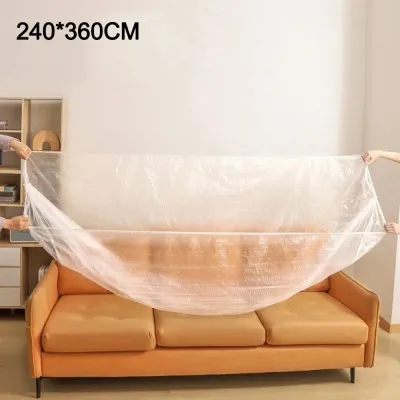
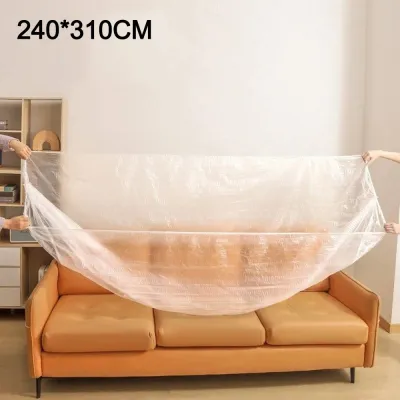
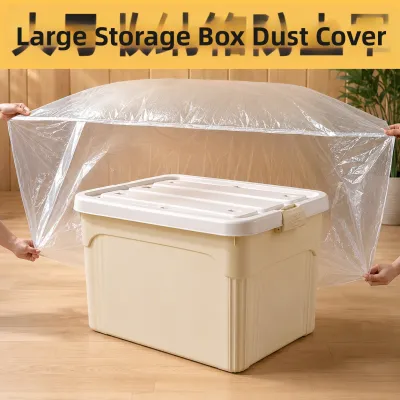
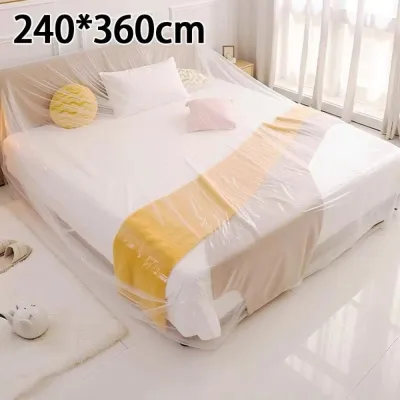
Prices are valid at publication and may change. Please refer to the product page for the latest price.
Spunlace is a premium sub-category of non-woven material. Instead of thermal bonding, it utilizes high-pressure water jets to entangle fibers (often a blend of polyester and viscose or wood pulp). This hydroentanglement process results in a soft, drapeable, and cloth-like material. It offers high structural integrity and a smooth surface finish compared to standard spunbond non-wovens.
When sourcing these materials, buyers must look beyond generic names and examine manufacturer specification sheets. Key metrics to verify include the base weight—measured in grams per square meter (gsm)—and the nominal thickness. A higher gsm generally indicates a denser, more durable barrier, while thickness measurements help ensure the cover will fit within existing outer packaging boxes or sleeves without binding.
Comparing Dust Protection and Surface Safety
Dust protection and surface safety are often at odds when selecting packaging materials. PE covers provide an absolute physical barrier against external dust and liquid splashes. However, because PE is non-porous, it can trap ambient moisture inside the package. In humid climates, such as Singapore’s tropical environment, this trapped moisture can lead to condensation, potentially causing mold on organic materials or corrosion on metal components. Additionally, PE film is highly prone to static cling, which can attract dust to the outside of the cover or discharge static electricity onto sensitive electronic components.

Standard non-woven covers solve the moisture-trapping problem by allowing air circulation. This breathability prevents condensation and helps maintain a stable microclimate around the packaged item, making it suitable for archival storage of paper goods, books, and leather stationery. However, the porous nature of non-woven fabrics means they cannot protect against liquid spills or extremely fine airborne dust over long periods. The textured surface of standard spunbond non-woven can also be slightly abrasive if rubbed repeatedly against highly polished or glossy surfaces.
Spunlace is highly effective at protecting delicate, high-gloss, or scratch-prone surfaces. Its hydroentangled fibers create a smooth, soft texture that minimizes micro-scratches on items like lacquered fountain pens, premium acrylic organizers, or glass-faced instruments. Because the fibers are tightly locked together during manufacturing, high-quality spunlace exhibits minimal linting, ensuring that no loose fibers transfer to the product surface.
Before committing to a bulk purchase, always request material samples to verify lint-generation and surface friction. You can perform a simple rub test on a sample piece of your product to observe if any fibers transfer or if micro-abrasions occur. If static electricity is a concern for your specific items, check the supplier’s specifications for anti-static treatments or coatings applied to the material.
Evaluating Cushioning and Shock Absorption
It is critical to understand that disposable dust covers are designed primarily for surface protection and dust exclusion, not for structural shock absorption. Relying solely on a dust cover to protect a fragile item from drops or heavy impacts during transit will inevitably lead to product damage.
That said, the three materials offer varying degrees of minor surface cushioning. PE film has virtually zero loft or compressibility, meaning it provides no protection against physical impacts or pressure points. Standard non-woven fabrics offer a tiny amount of loft due to their fibrous structure, but they compress easily under minimal force. Spunlace, with its thicker, cloth-like hydroentangled structure, provides the highest level of inherent surface cushioning among the three, helping to damp minor vibrations and light surface contact during handling.
For fragile items, such as ceramic desk accessories, delicate glassware, or sensitive electronic devices, the dust cover must be paired with dedicated cushioning materials. The dust cover should serve as the primary layer directly touching the product to prevent scratches and dust ingress, while outer layers of bubble wrap, molded pulp inserts, or corrugated cardboard handle the structural shock absorption.
To determine the exact packaging configuration required, establish a testing checklist for your packaged goods. This should include a manual compression test to see how the material behaves under stacked weight, and a trial drop test of the fully assembled packaging (including the dust cover and outer cushioning) to verify that the inner product remains undamaged and free from surface scuffing.
Cost, Durability, and Sourcing Considerations
Balancing material performance with procurement budgets is essential for maintaining healthy margins in packaging operations. Generally, PE is the most economical option, making it the preferred choice for high-volume, single-use applications where basic dust and moisture protection are the only requirements. Standard non-woven sits in the mid-range tier, offering a balance of breathability and moderate durability at a reasonable price point. Spunlace is positioned as a premium material, commanding a higher cost due to the complex hydroentanglement manufacturing process, often costing a few S$ cents more per unit than standard options, and is typically reserved for luxury goods or highly sensitive items.
Durability and tear resistance also vary significantly across these materials. PE films can stretch under tension but are easily punctured by sharp corners or edges. Standard non-woven fabrics have moderate tear resistance but can fray or pull apart under high stress. Spunlace offers excellent multi-directional tensile strength and tear resistance, making it the most durable option if the dust cover needs to be removed and replaced multiple times during warehousing or retail display.
When sourcing, always request sample packs from potential suppliers. Testing physical samples allows you to evaluate the actual tactile feel, check the strength of the seams or heat seals, and ensure the cover fits your product dimensions perfectly. This hands-on evaluation prevents costly bulk ordering mistakes.
Additionally, consider the storage requirements of the raw materials before they are used. Both non-woven and spunlace materials can degrade if exposed to prolonged ultraviolet (UV) light or extreme heat. Store your inventory of dust covers in a cool, dry warehouse away from direct sunlight to preserve their tensile strength and structural integrity.
Decision Framework: Matching Material to Your Product
To finalize your selection, use this structured decision framework to match the material properties to your specific packaging scenario:
Choose PE if:
- Your primary goal is moisture exclusion or waterproofing.
- You are packaging non-fragile items on a tight budget.
- The product has a matte or durable finish that is not prone to static cling or micro-scratches.
Choose Standard Non-Woven if:
- The product requires breathability to prevent moisture buildup, mold, or musty odors.
- You need a cost-effective, fabric-like presentation for general retail or warehouse storage.
- The items being packaged are moderately durable, such as books, binders, or heavy-duty stationery.
Choose Spunlace if:
- The product has a highly sensitive, polished, or glossy surface prone to scratching.
- You want to present a premium, high-end unboxing experience for luxury stationery or delicate electronics.
- A lint-free, highly durable, and soft-touch barrier is required.
Verify first if your products require specialized compliance standards, such as food-grade certification for packaging inserts, or specific anti-static ratings for electronic components. In these cases, look for certified specialty grades of PE or non-woven materials that carry official documentation.
The final step is to cross-referencing your chosen material with your actual packaging workflow. Ensure the material is compatible with your sealing methods—whether that involves heat sealing, adhesive strips, or drawstring closures—and fits seamlessly within your outer shipping boxes to guarantee complete protection from the warehouse to the customer’s hands.
Community discussion
Share your experience or ask a question. Comments are reviewed before publication.