
Quick Answer: What Defines Korean Notebook Paper Quality?
There is no single “best” paper when it comes to Korean notebooks. The ideal choice depends entirely on your preferred writing instruments—such as fountain pens, gel pens, or pencils—and your personal writing style. Korean stationery has earned a global reputation for clean aesthetics, functional layouts, and consistent binding methods like lay-flat thread sewing. However, the paper inside these notebooks varies significantly in performance, ranging from ultra-smooth, coated sheets to textured, absorbent pages.
To find the right notebook, you must evaluate four core paper characteristics: paper weight (measured in grams per square meter, or GSM), surface finish, opacity, and ink drying time. While many popular brands offer excellent design and construction, paper specifications can differ even within a single brand’s product line. Rather than choosing a notebook based solely on brand reputation, you should verify the specific paper details on product labels or online listings to ensure the pages can handle your daily writing tools.
Core Dimensions for Comparing Paper Quality
To make an informed decision, you need to understand the physical and chemical properties of notebook paper. These dimensions determine how a page feels under your hand, how it interacts with different inks, and how well it holds up over time.
Products mentioned in this guide
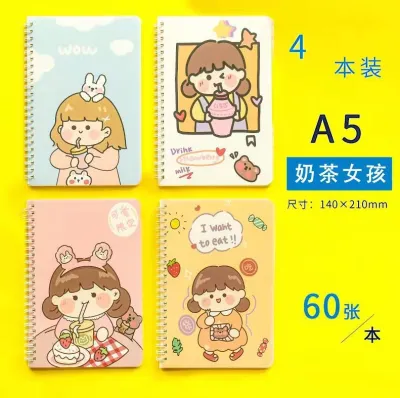
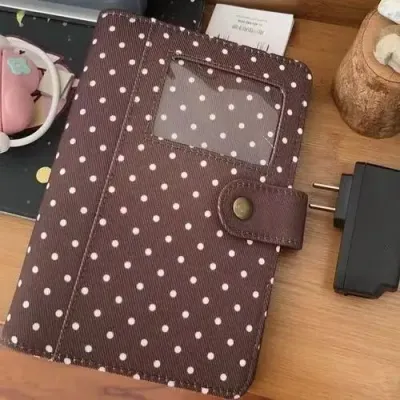
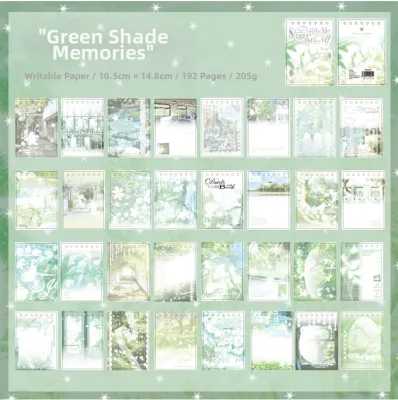
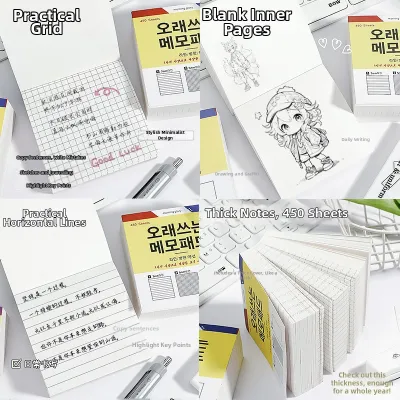
Prices are valid at publication and may change. Please refer to the product page for the latest price.

Weight and Thickness (GSM)
Paper weight is standardized globally using Grams per Square Meter (GSM). This metric indicates the density and thickness of the paper sheet. When browsing notebook specifications, look for the official GSM rating rather than attempting to judge thickness purely by touch, as coatings and textures can make lighter papers feel deceptively thick.
- 60 GSM to 80 GSM: This range represents lightweight paper. It is highly portable and keeps notebooks thin, making it ideal for quick pencil sketches or light ballpoint notes. However, it is highly susceptible to ink ghosting and bleed-through.
- 80 GSM to 100 GSM: This is the standard weight for most high-quality everyday notebooks. It provides a balanced writing surface that easily handles standard gel pens and ballpoints without excessive bulk.
- 100 GSM to 120+ GSM: Heavyweight paper in this range is thick and robust. It is designed to handle heavy ink applications, including broad fountain pen nibs, markers, and light mixed media, with minimal risk of ink penetrating the page.
Surface Finish and Texture
The surface finish refers to how smooth or textured the paper feels. This characteristic is determined during the manufacturing process, specifically through calendering—where paper is pressed between heavy rollers—and the application of surface coatings.
Smooth finishes, often highly calendered or lightly coated, minimize the friction between your pen tip and the page. This allows gel pens and fountain pens to glide effortlessly across the surface. The trade-off is that highly smooth surfaces restrict ink absorption, which can cause wet inks to pool and take longer to dry.
Textured finishes, often referred to as having “tooth,” are uncoated and leave the natural paper fibers slightly exposed. This texture provides tactile feedback and resistance as you write. The friction is highly beneficial for pencils and ballpoint pens, as it helps grab the graphite or rotate the ball tip consistently. However, highly textured paper can cause wet fountain pen inks to spread along the fibers, a phenomenon known as feathering.
Opacity and Show-Through
Opacity determines how much light can pass through a sheet of paper, which directly affects your ability to write on both sides of a page. When evaluating paper quality, it is important to distinguish between two distinct issues: bleed-through and ghosting.
Bleed-through occurs when ink physically saturates the paper fibers and penetrates completely to the reverse side, making that side unusable. This is usually caused by low paper weight, loose fiber structure, or a lack of protective sizing agents in the paper.
Ghosting, also known as show-through, occurs when the shadow or outline of your writing is visible on the reverse side of the page, even though the ink has not physically broken through. While ghosting does not damage the paper, high levels of ghosting can make double-sided reading difficult. To check opacity before committing to a notebook, hold a single page up to a bright light source to observe the density of the fiber structure.
Matching Paper Characteristics to Writing Instruments
Paper performance is highly relative. A sheet of paper that delivers a flawless writing experience with one pen might perform poorly with another. Matching your paper choice to your primary writing tools is essential for a frustration-free experience.
Fountain Pens and Wet Inks
Fountain pens lay down a relatively large volume of water-based ink, which requires specialized paper properties to prevent feathering and bleed-through. If you write with fountain pens, look for notebooks with a minimum weight of 90 to 100 GSM and a smooth, sized finish.
Sizing is a chemical treatment applied during papermaking that reduces the paper’s absorbency. This treatment keeps the wet ink on the surface of the page, allowing it to dry slowly and maintain sharp, crisp lines. While many product descriptions claim to be “fountain pen friendly,” you should always verify these claims by checking for a high GSM and a smooth finish, followed by a manual swatch test.
Gel Pens and Rollerballs
Gel pens and rollerball pens are exceptionally popular in modern writing and study cultures. They utilize water-based gel pigments that require a careful balance between surface smoothness and absorption speed to prevent smudging.
If you write quickly or are left-handed, highly coated papers can be problematic because they prevent the gel ink from binding with the paper fibers immediately, leading to smears. For these pens, a medium-weight paper (80 to 90 GSM) with a semi-smooth, uncoated finish is ideal. This combination allows the water-based ink to dry rapidly while still offering a smooth, skip-free writing experience.
Ballpoint Pens and Pencils
Ballpoint pens use a thick, oil-based ink paste that requires physical friction to rotate the tiny ball in the pen’s tip. Similarly, pencils rely on the abrasive quality of the paper to shave off microscopic layers of graphite onto the page.
If you write primarily with ballpoints or pencils, avoid ultra-smooth, heavily coated papers. On these surfaces, ballpoint pens can slip without rotating, leading to ink skips, while pencils will produce faint, light lines that require excessive hand pressure to make legible. Instead, opt for standard-weight paper with a natural, slightly toothy texture to ensure consistent ink flow and crisp graphite lines.
How to Verify Paper Quality Before and After Purchase
Because you cannot always test a notebook before buying, learning how to inspect paper both visually and physically will help you avoid purchasing unsuitable stationery.
Visual and Tactile Inspection When shopping in physical stationery stores, start by holding the notebook open to inspect the pages under bright light. Look for uniform color distribution—whether the paper is a bright white or a soft cream—and check that the grid, dots, or lines are printed clearly without bleeding into the paper. Run your fingertips gently across the page to feel the texture; a high-quality sheet should feel uniform, without rough patches or thin spots. Additionally, inspect the binding. Thread-bound notebooks that lay completely flat when opened are generally superior, as they prevent tension on the pages and allow you to write comfortably near the margins.
The Swatch Test Once you have purchased a notebook, perform a swatch test on an inconspicuous area, such as the very last page or a small corner. Draw a solid block of ink with your wettest pen, write a few words using your standard writing pressure, and wait a few seconds. Gently rub the ink with your finger after three to five seconds to evaluate the drying speed and check for smudging. Finally, flip the page over to inspect the reverse side. Check if the ink has physically bled through the fibers or if there is excessive ghosting that would prevent you from using both sides of the sheet.
Reading Product Labels When purchasing online, read the detailed product descriptions carefully. Look for verified specifications such as the exact GSM, paper size (such as standard A5 or B5 formats), and material composition. High-quality notebooks often specify “wood-free” or “acid-free” paper, which indicates that the paper resists yellowing and degradation over time. Avoid assuming that all notebooks from a single brand share the exact same paper stock, as manufacturers frequently use different paper weights and finishes for planners, sketchbooks, and standard writing notebooks.
Decision Framework: Which Paper Profile Fits Your Needs?
To simplify your selection process, use the comparison matrix below to match different paper profiles with your specific writing tools and preferences.
| Paper Profile | Best Writing Tools | Pros | Cons |
|---|---|---|---|
| High-GSM Smooth (100–120 GSM) | Fountain pens, heavy gel pens, fine-liners | Prevents bleed-through, offers effortless pen glide, keeps lines crisp | Longer ink drying times, increases overall notebook weight |
| Standard Textured (80–100 GSM) | Ballpoint pens, graphite pencils, standard gel pens | Excellent tactile feedback, rapid drying times, lightweight | Moderate ghosting, higher risk of feathering with wet inks |
| Quick-Dry Optimized (70–90 GSM) | Fast-drying gel pens, rollerballs, light ballpoints | Minimizes smudging, ideal for left-handed writers, budget-friendly | Higher risk of show-through, unsuitable for wet fountain inks |
To make your final decision, apply these conditional guidelines to your writing habits:
- Choose High-GSM Smooth if you primarily write with fountain pens, prioritize zero physical bleed-through, and prefer a luxurious, low-friction writing experience.
- Choose Standard Textured if you rely on ballpoint pens or graphite pencils, prefer a tactile connection to the page, and want a lightweight notebook for daily carrying.
- Choose Quick-Dry Optimized if you are a left-handed writer, use heavy gel pens that prone to smearing, or need to take rapid notes during lectures or meetings without waiting for ink to dry.
- Verify first if you intend to use mixed media, such as heavy markers, ink washes, or watercolors. Standard writing notebooks are not designed for wet artistic mediums; in these scenarios, you should seek out specialized sketchbooks with paper weights exceeding 200 GSM.
If you live in a tropical climate with high relative humidity, such as Singapore, paper fibers can absorb ambient moisture from the air over time. This moisture absorption can increase the risk of feathering and prolong ink drying times. To mitigate this, store your unused notebooks in a dry, cool place away from open windows, and consider visiting local boutique stationery stores to handle physical paper samples before committing to bulk online purchases.
Frequently Asked Questions (FAQ)
Are all Korean notebooks suitable for fountain pens?
No, suitability for fountain pens depends entirely on the specific paper weight, fiber density, and surface sizing of each individual notebook rather than its country of origin. Some Korean notebooks utilize lightweight 70 to 80 GSM paper designed specifically for pencils or quick gel pen notes, which will feather or bleed when exposed to wet fountain pen inks. Always check the product label for a weight of at least 90 GSM and a smooth, sized finish before using a fountain pen.
How can I prevent ink from smudging on smooth notebook paper?
To prevent smudging on smooth, low-absorption paper, you can use quick-drying gel pen refills or fine-nib pens that lay down less ink. Additionally, you can place a clean piece of blotting paper or a simple index card under your writing hand. This card absorbs excess oil from your skin and acts as a physical barrier, preventing your hand from dragging wet ink across the page as you write.
Community discussion
Share your experience or ask a question. Comments are reviewed before publication.