
Finding the right pants waist extender requires matching the accessory to the specific closure mechanism of your trousers. A mismatch can lead to damaged button threads, broken zippers, or highly visible gaps in your waistband. The most effective extender is one that mimics the original fastening system of your garment while accommodating the stiffness and weight of the fabric. For standard denim and chinos, a rigid button extender provides a secure, seamless bridge. For casual wear or temporary adjustments, elastic loop extenders offer flexible comfort. When dealing with formal trousers or complex zipper flies, specialized fly bridges or zipper-locking extenders are necessary to maintain the structural integrity of the garment. By evaluating your waistband’s construction, you can select an extender that preserves your clothing and ensures all-day comfort.
Identifying Your Pants Closure Mechanism
Before selecting an extender, you must analyze how your pants fasten at the waist. Standard visible buttons are common on jeans, chinos, and casual trousers. These closures rely on a single button sewn directly onto the waistband, which aligns with a reinforced buttonhole on the opposite side. In contrast, formal trousers and skirts often feature hidden hook-and-bar closures, which distribute tension horizontally across a flat metal plate and hook, leaving the exterior waistband smooth and uninterrupted. Zipper fly constructions add another layer of complexity, as they require the fabric panels to overlap perfectly to conceal the zipper teeth.
Measuring the physical dimensions of your waistband closure is a critical step in ensuring compatibility. Use a flexible sewing tape measure to find the distance between the center of the existing button or hook and the very edge of the waistband fabric. This measurement determines how much overlap is required to keep the fly flat and closed. If an extender is too long, it will cause the fabric of the fly to flare open, exposing the zipper underneath.
Products mentioned in this guide
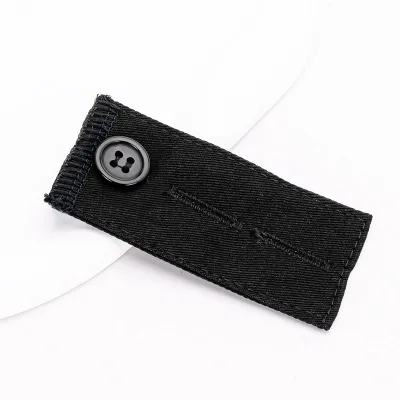
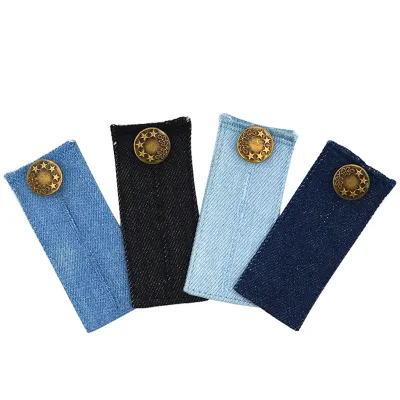
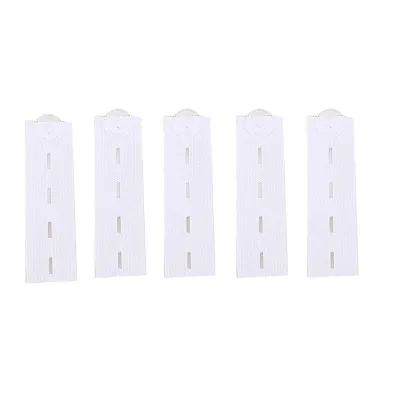
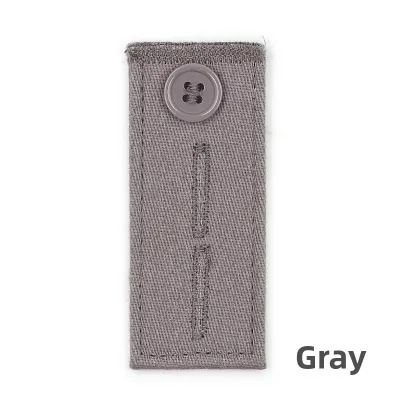
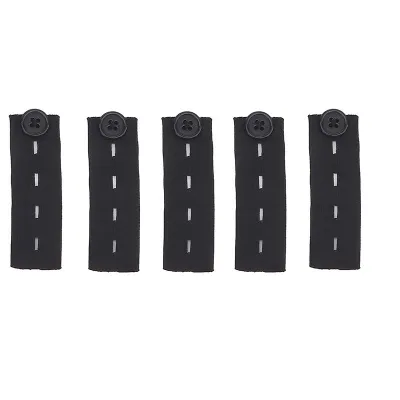
![[SG 🚚] 1 Pcs Clothing extension buckle Jeans Waist Expander Button Pant Extender Button Belt Extension Buckle Adjustable Elastic Buckle](https://img.lazcdn.com/g/p/58af897d09a8df4c803f69b3c4a2af1b.jpg_400x400q80.jpg_.webp)
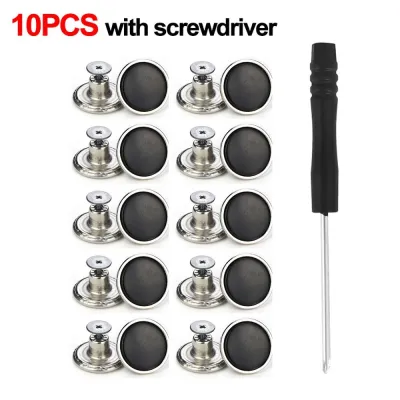
Prices are valid at publication and may change. Please refer to the product page for the latest price.
Additionally, observe the physical properties of the waistband itself. A stiff, heavily structured waistband, such as those found on raw denim or tailored wool trousers, requires an extender that can withstand high lateral tension without bending. Lightweight or stretch fabrics, such as linen or cotton-blend chinos, are more forgiving but can easily pucker if the extender is too rigid or heavy. Finally, examine the button shank—the small space or thread column between the button and the fabric. A flush-mounted button behaves differently under tension than a raised metal rivet button, affecting how securely an extender loop will sit behind it.
Button Extenders: Compatibility and Limitations
Button extenders are simple, mechanical solutions designed to slip over an existing waistband button to provide an additional fastening point. These accessories typically consist of a metal or silicone loop attached to a secondary button. To install one, you pass the loop over your garment’s original button and then insert the extender’s button into the existing buttonhole. This effectively increases the waistband circumference by the length of the loop, usually providing an extra 2 to 4 centimeters of space.

While highly effective for standard garments, button extenders have distinct physical limitations. Rigid metal loops offer excellent durability but lack the flexibility needed for thick denim or heavily reinforced buttonholes. If the buttonhole is tightly stitched or narrow, forcing a thick metal extender button through it can fray the threads. Conversely, silicone or flexible plastic button extenders stretch to accommodate various button sizes, but they can degrade over time when subjected to constant high tension, eventually snapping or slipping off the original button.
Compatibility also depends heavily on the original button’s shank length and hole size. If the original button is sewn flush to the waistband with tight thread, there may not be enough clearance behind the button head for the extender’s loop to rest securely. This can cause the loop to pop off when you sit down or bend over. Before purchasing, verify that the loop material is thin enough to slide behind your button while remaining strong enough to hold the waistband together under tension.
Elastic Extenders: Adjustability and Use Cases
Elastic waist extenders utilize flexible fabric bands or multi-slot elastic strips to provide adjustable tension. These extenders often feature multiple buttonholes spaced along a flat elastic band, allowing you to customize the level of expansion. They are highly compatible with standard button closures and are frequently used for temporary physical changes, such as during pregnancy, post-surgery recovery, or long periods of travel where sitting comfort is a priority.
However, the flexibility of elastic introduces structural trade-offs, particularly in formal or structured wear. Because elastic stretches under tension, it does not provide the rigid support needed to keep heavy fabrics like denim or wool trousers flat. This lack of resistance can cause the waistband to sag or the fabric around the fly to bunch awkwardly. Furthermore, the exposed elastic band is highly visible unless covered by a long shirt or a wide belt, making it less suitable for professional or formal environments where a clean, tucked-in appearance is expected.
To ensure a proper fit, you must verify the elastic’s tension, width, and loop size against your waistband’s structure. A thin, weak elastic band will quickly stretch out and fail to hold the pants up, while an overly stiff elastic may defeat the purpose of providing pressure relief. The width of the elastic band should closely match the height of your waistband; an extender that is too narrow will twist and cut into the waist, while one that is too wide will fold over and create uncomfortable bulk.
Zipper and Fly Extenders: Solutions for Complex Closures
Pants with complex closures, such as zipper flies that do not use a standard top button, require specialized extension solutions. When a waistband is extended, the zipper fly naturally pulls apart, exposing the zipper teeth and the underlying protective fabric flap. Standard button extenders do not address this gap, which can lead to an unsightly opening or a zipper that constantly slides down under lateral pressure.
To resolve this, you can use specialized zipper pull extenders or full waistband bridges. A zipper pull extender is a small loop or spring-loaded clip that attaches to the zipper slider, allowing you to secure the zipper tab directly to the extended button or waistband loop. This prevents the zipper from creeping down during movement. For a more comprehensive solution, a waistband bridge consists of a fabric panel equipped with its own buttons, hooks, or snaps. This panel bridges the gap between the two sides of the waistband, effectively extending the fabric of the fly and keeping the zipper completely concealed.
Before opting for a fly bridge, you must check the alignment of the zipper teeth, the top stop of the zipper track, and the underlying fabric overlap. If the zipper track is too short, extending the waistband will put excessive diagonal tension on the lower teeth of the zipper, which can cause the zipper to split or break. Ensure that the fabric bridge matches the weight and color of your pants to maintain a cohesive look, and verify that the bridge’s fasteners align perfectly with your garment’s original hardware.
Decision Framework: Choosing the Right Extender
Selecting the ideal pants waist extender requires a systematic evaluation of your garment’s construction and your specific comfort needs. If your pants feature a standard visible button and a relatively rigid waistband—such as classic jeans, chinos, or utility trousers—a rigid button extender is the most reliable choice. It maintains the structural line of the waistband and prevents the fabric from sagging, while remaining discreetly hidden behind a belt.
For situations requiring temporary, highly adjustable relief, elastic extenders are the superior option. They are ideal for casual wear, travel, or maternity needs where your waist size may fluctuate throughout the day. However, these should be reserved for garments made of lighter fabrics or worn with untucked shirts, as the elastic band can pucker heavier materials and remains difficult to conceal.
If your trousers rely on a hook-and-bar closure, a complex zipper fly, or lack a usable top button entirely, you must avoid standard button loops. Instead, choose a specialized fabric waistband bridge or a hook-and-bar compatible extender. These devices are designed to handle the flat, horizontal tension of formal wear without twisting or damaging the delicate metal hooks.
Always perform a preliminary check of your garment before making a decision. If the waistband is heavily structured with internal stiffeners, a flexible extender may cause the fabric to warp. If the original button shank is exceptionally short or the fabric is delicate, avoid heavy metal extenders that could tear the fibers or snap the threads under tension.
Installation and Fit Verification
Proper installation is essential to prevent damage to your clothing and ensure the extender functions correctly. When attaching a button or loop extender, slide the loop gently behind the original button head. Avoid pulling, twisting, or forcing the loop, as excessive leverage can snap the sewing threads holding the button to the waistband. If the loop feels too tight, do not force it; instead, select an extender with a larger or more flexible loop.
Once the extender is in place, perform a physical fit verification. Put the pants on and execute a series of natural movements, including sitting down, standing up, and bending forward. Observe how the extender behaves under tension. It should hold the waistband securely without slipping off the button or allowing the zipper to slide down. The waistband should sit flat against your body without digging in or creating sharp pressure points.
If you notice fabric puckering, gaping at the fly, or discomfort during movement, the extender is not compatible. Puckering indicates that the extender is too short or the fabric is too light for the tension applied. Gaping suggests that the extender is too long, leaving too much space between the waistband edges. In these cases, adjust the extender to a different setting or try a different style that matches your garment’s structural needs.
Frequently Asked Questions (FAQ)
Can I use a button extender on pants with a hidden hook closure?
Standard button extenders are incompatible with hidden hook-and-bar closures because they require a round button to anchor the loop. Attempting to loop a button extender over a flat metal hook will result in a loose, unstable connection that easily slips off under tension. For hook-and-bar trousers, you should use a specialized fabric waistband bridge equipped with matching metal hooks, or temporarily sew a flat button inside the waistband to act as an anchor point.
Will an elastic extender damage the original button over time?
Yes, an elastic extender can place significant lateral stress on the original button’s sewing threads. Because elastic constantly pulls outward to maintain tension, it exerts a continuous force that standard sewing threads are not designed to withstand. Over time, this lateral pull can cause the threads to fray, loosen, or snap entirely. To prevent this, regularly inspect the button threads for signs of wear, and consider reinforcing the button with heavy-duty thread if you plan to use an extender frequently.
How do I clean my pants without removing the waist extender?
It is highly recommended to remove any waist extender before laundering your pants. Metal extenders can snag on other garments in the washing machine, tear delicate fabrics, or rust over time when exposed to water and detergent. Silicone and elastic extenders can degrade, lose their elasticity, or warp due to the high heat of the dryer. Removing the extender before washing preserves both the accessory and your clothing, ensuring a longer lifespan for both.
Community discussion
Share your experience or ask a question. Comments are reviewed before publication.