
Finding the perfect pair of trousers can feel like an endless search, especially when off-the-rack sizing rarely accounts for the unique contours of every individual body. A waistband that gaps at the back or slips down during daily movement is a common frustration, but it does not mean you need to discard the garment or invest in expensive, permanent tailoring right away. A pants tightener offers a practical, versatile solution to bridge the gap between standard manufacturing sizes and your personal measurements. Whether you are dealing with weight fluctuations, adapting a vintage find, or simply trying to keep lightweight linen trousers secure in Singapore’s humid climate, understanding the diverse options available in the haberdashery world is key. These small but highly functional accessories allow you to customize the fit of your clothes with varying levels of permanence, visibility, and effort. By choosing the right mechanism for your specific garment, you can restore comfort, preserve the drape of the fabric, and ensure your clothes move with you throughout the day.
Quick Guide to Choosing a Pants Tightener
At its core, a pants tightener is a specialized haberdashery accessory designed to temporarily or permanently reduce the circumference of a garment’s waistband. These tools range from simple, tool-free clips to integrated elastic systems that require basic hand-sewing. They serve as an essential middle ground between wearing an uncomfortable belt and committing to professional tailoring alterations.
When selecting the ideal tightening method, your decision should rest on four primary axes:
Products mentioned in this guide
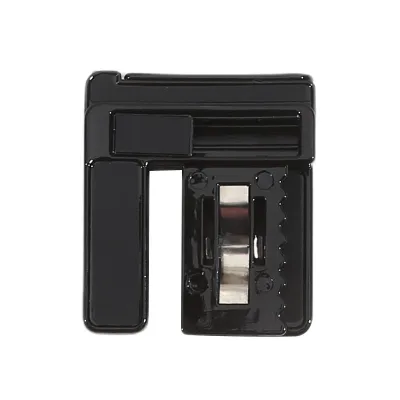
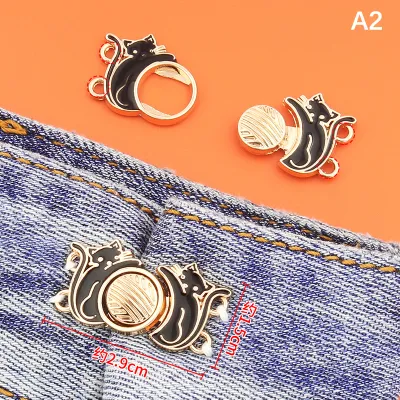
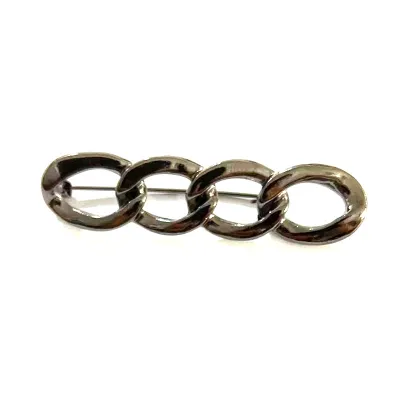
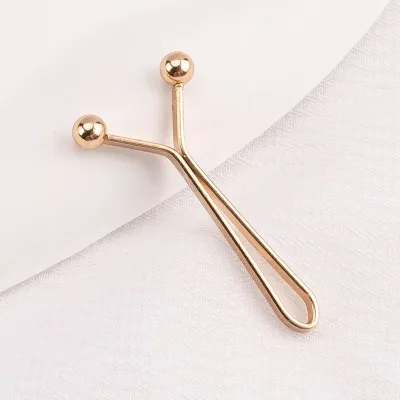
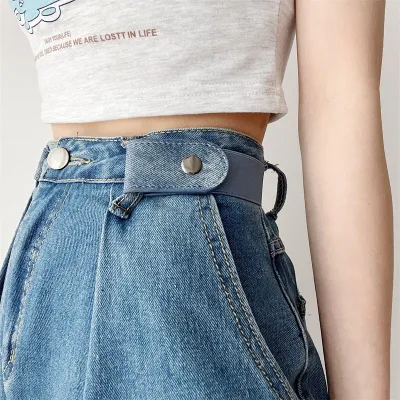
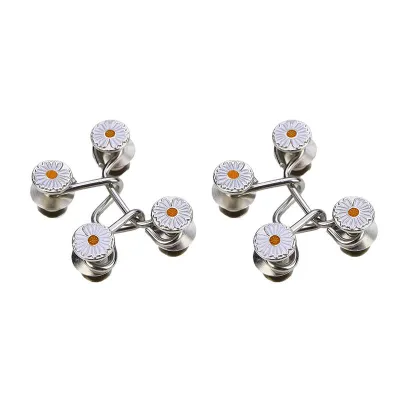
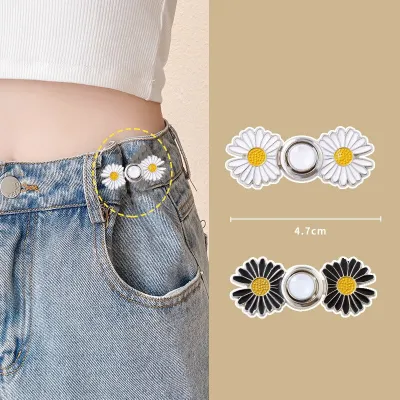
Prices are valid at publication and may change. Please refer to the product page for the latest price.
- Fabric Type and Weight: The structural integrity of your pants determines what kind of tension the waistband can support. Heavy-duty fabrics like denim behave very differently under pressure compared to delicate silk, rayon, or fine wool.
- Installation Method: Some options require zero tools and can be applied in seconds, while others demand basic sewing skills, such as threading a needle and executing a secure backstitch.
- Reversibility: Consider whether you want an adjustment that can be undone instantly without leaving a trace—ideal for rented formalwear, maternity wear, or temporary bloating—or a semi-permanent modification for a thrifted piece you plan to keep long-term.
- Aesthetic Impact: Some tighteners are completely hidden within the waistband construction, while others double as decorative external hardware, such as metallic pins, bows, or side buckles.
By evaluating these factors before purchasing or modifying your clothing, you can avoid damaging delicate fibers and ensure the finished look aligns with your personal style.
Types of Pants Tighteners Explained
The world of haberdashery offers several distinct mechanisms for adjusting waistbands. Each category is engineered to solve specific fit challenges, utilizing different physical forces to secure the fabric.

Elastic Adjusters and Side Tabs
Elastic adjusters and side tabs are classic tailoring solutions that focus on gathering excess fabric smoothly across the sides or back of the waistband. Internal elastic adjusters typically involve a flat, buttonhole elastic band threaded through a channel inside the rear waistband. This band is anchored to flat buttons sewn inside the casing, allowing the wearer to pull the elastic tighter and secure it at various intervals. External side tabs, on the other hand, utilize fabric strips sewn onto the outside of the waistband, which are tightened using metal sliders, buckles, or external buttons.
These mechanisms are exceptionally well-suited for structured garments such as tailored trousers, business slacks, school uniforms, and children’s clothing. Because they distribute the gathering force evenly across a wide section of fabric, they preserve the natural drape of the trousers and prevent unsightly bunching at the front. They provide a highly comfortable, flexible fit that expands and contracts naturally with your movements, making them ideal for long days at the office or school.
However, elastic systems have clear physical limitations. They are less effective on exceptionally heavy, stiff fabrics like raw denim or thick canvas. The high resistance of these materials requires significant force to gather, which can put immense strain on the elastic fibers and the securing stitches. Over time, this tension can cause the elastic to lose its recovery properties or rip out of its anchors entirely.
Button Extenders and Repositioning
Button-based adjustments focus directly on the primary closure point of the waistband. This category is divided into two distinct approaches: temporary button extenders and semi-permanent button repositioning. Button extenders consist of a small loop—made of silicone, elastic cord, or metal—attached to a secondary button. The loop is slipped over the garment’s existing button, and the secondary button is pushed through the original buttonhole, instantly adding a few centimeters of breathing room to a tight waistband. Conversely, button repositioning involves carefully cutting the threads of the original button and re-sewing it further along the waistband to reduce or increase the waist size.
Button extenders are entirely temporary, highly reversible, and require absolutely no tools or sewing skills. This makes them a favored solution for managing temporary physical changes, such as early-stage pregnancy, post-meal bloating, or travel comfort. They can be slipped on and off in seconds and transferred between different pairs of pants effortlessly.
In contrast, moving a button to tighten a waistband is a semi-permanent alteration. While it provides a clean, flat finish without extra hardware, it requires basic hand-sewing skills, a sturdy needle, and heavy-duty polyester thread. It is important to note that moving a button will expose the original placement area. On many fabrics, this leaves a visible mark, compressed fibers, or small holes where the original stitching pierced the material, which may not wash out easily.
Waist Cinchers and Clip-on Adjusters
Waist cinchers and clip-on adjusters are modern, no-sew alternatives designed to pinch and gather excess fabric at the sides or back of the waistband. These devices often resemble decorative pins, small metallic bows, interlocking buckles, or plastic slide-on clips. To install them, you typically insert a decorative pin through the fabric of the waistband, secure it on the underside with a locking cap, and then hook it to a corresponding pin placed a few centimeters away, drawing the excess fabric together into a neat pleat.
These adjusters are highly visible and are often chosen as much for their aesthetic contribution as their functionality. They work exceptionally well on casual garments, including denim jeans, cotton shorts, and casual skirts, where the visible metal hardware can complement a relaxed, modern style. Because they require no sewing, they can be applied and adjusted on the go, making them highly convenient for travel or quick wardrobe changes.
The primary drawback of clip-on adjusters is the risk of physical fabric damage. The sharp pins must pierce the fabric layers, which can sever threads in tightly woven materials or create permanent holes in delicate fabrics. Additionally, the concentrated clamping force of metal teeth or tight plastic grips can crush fibers, leave stubborn creases, or cause snagging on materials like silk, satin, or lightweight synthetics.
Drawstring Replacements and Cord Locks
For activewear, loungewear, and casual trousers featuring a hollow waistband casing, drawstrings and cord locks remain the standard adjustment method. Over time, original drawstrings can become frayed, lose their elasticity, or get pulled completely into the waistband channel during washing. Replacing a damaged drawstring involves feeding a new cotton or polyester cord through the casing using a specialized tool called a bodkin, or a simple household safety pin. Once threaded, adding silicone or plastic cord locks (toggles with spring-loaded buttons) allows the wearer to secure the tension without tying a knot.
This system is highly efficient for garments designed for physical activity, such as sweatpants, running shorts, and outdoor utility trousers. The cord locks provide a secure, non-slip grip that holds up under high movement, and the tension can be adjusted instantly with a single squeeze of the toggle.
When executing a drawstring replacement, it is crucial to verify that the width of the replacement cord matches the internal clearance of the waistband casing. A cord that is too thick will jam inside the channel, preventing smooth adjustment, while a cord that is too thin may slip through the cord lock easily. Additionally, while highly functional, cord locks and visible plastic toggles are visually informal and are generally unsuitable for structured, formal, or professional business trousers.
How to Match the Right Pants Tightener to Your Wardrobe and Lifestyle
Selecting the most effective pants tightener requires analyzing how the accessory interacts with your garments and your daily routine. A mismatch can lead to ruined fabrics, physical discomfort, or an unflattering silhouette.
Fabric Compatibility
The weight and weave of your pants should be the first filter in your decision-making process.
- Delicate Fabrics: Materials such as silk, linen, fine wool, and lightweight synthetics possess delicate structures that are easily damaged by physical puncture or high localized pressure. For these garments, opt for gentle, sew-in adjustments like flat internal elastic or professional button repositioning. Avoid any metal clips, pins, or heavy clamping devices.
- Sturdy Fabrics: Heavyweight denim, canvas, and thick cotton twill can easily withstand the physical pressure of metal pins, heavy-duty side adjusters, and tight-clamping waist cinchers. In fact, these sturdy fabrics often require the rigid support of metal hardware to hold a pleat or fold securely in place.
Installation and Reversibility
Consider how much time you are willing to invest and whether you need to return the garment to its original state.
- No-Sew and Clip-On Options: These are ideal if you need a fast, on-the-go fix or if you are wearing rented, borrowed, or highly valuable vintage clothing that must not be permanently altered. They can be removed instantly, leaving the garment's original structure completely intact.
- Sew-In and Repositioning Options: If you are looking for a durable, long-term solution for a staple item in your personal wardrobe, taking the time to sew in an elastic adjuster or reposition a button is highly rewarding. While it requires basic sewing tools and a small time investment, it provides a clean, seamless finish that lasts through countless wash cycles.
Activity Level and Comfort
Your daily physical movements dictate where and how the tightener should be positioned.
- Sedentary Lifestyles: If your day involves prolonged sitting at an office desk or during long commutes, avoid bulky external hardware placed at the back or sides of the waistband. Large metal cinchers, thick plastic clips, or heavy toggles can press painfully into your skin when leaned against. For office wear, flat, internal sew-in elastic or a neatly repositioned button offers a completely smooth profile that prevents irritation.
- Active Lifestyles: For outdoor activities, walking, or sports, prioritize secure, flexible systems like drawstrings with spring-loaded cord locks or internal buttonhole elastic. These options move dynamically with your body, preventing the pants from slipping down without restricting your breathing or abdominal movement.
Aesthetics and Visibility
The visual style of your outfit should guide whether your adjustment remains hidden or becomes a design feature.
- Hidden Adjustments: Internal elastic bands, discreetly moved buttons, or flat side adjusters hidden beneath a belt or shirt hem are essential for maintaining a clean, professional, and formal aesthetic. They ensure that the focus remains entirely on the tailoring of your trousers.
- Visible Adjustments: Decorative clip-on cinchers, styled metal pins, and external side tabs can serve as eye-catching accessories on casual outfits. They add a touch of personal flair to simple jeans or casual shorts, turning a functional adjustment into a deliberate style statement.
Comparing Pants Tightener Types at a Glance
To help you quickly evaluate your options, the table below outlines the structural and functional characteristics of the four primary pants tightener categories.
| Tightener Type | Best For | Installation Method | Reversibility | Visibility |
|---|---|---|---|---|
| Elastic Adjusters & Side Tabs | Tailored trousers, school uniforms, children's wear | Sewing required (internal) or pre-installed | Moderate (requires unstitching) | Hidden (internal) or Low (side) |
| Button Extenders & Repositioning | Pregnancy, temporary bloating, structured waistbands | No-Sew (extenders) or Sewing (repositioning) | High (extenders) or Moderate (repositioning) | Low (hidden under belt/shirt) |
| Clip-on Cinchers & Pins | Denim jeans, casual shorts, canvas skirts | No-Sew (pin-on / clip-on) | High (removable) | High (visible decorative hardware) |
| Drawstrings & Cord Locks | Sweatpants, activewear, casual lounge trousers | No-Sew (using a threader/safety pin) | High (fully removable) | Moderate (visible cords/toggles) |
Installation Boundaries and Garment Care
While adjusting a waistband is a straightforward task, protecting the longevity of your clothing requires adhering to specific safety and care guidelines. Missteps can lead to torn seams, ruined fabrics, or damaged washing machines.
Pre-installation Checks
Before applying any adjustment tool, always inspect the garment’s care label to understand its fabric composition and recommended care instructions. Examine the construction of the waistband. Avoid placing clip-on adjusters or pins directly over thick belt loops, heavy pocket linings, or double-reinforced seams. The excessive thickness in these areas can prevent clips from closing securely, leading to slips, or bend the pins of metal adjusters, potentially ruining the tool and tearing the fabric.
Irreversible Actions
It is vital to recognize when a DIY alteration crosses the line into permanent modification. Cutting holes into a waistband casing to thread a drawstring, sewing new buttonholes, or cutting away excess fabric are irreversible actions. If you are working with highly expensive garments, structured suit trousers, designer denim, or delicate heirloom pieces, do not attempt complex DIY alterations. Instead, consult a professional tailor. A professional has the specialized machinery and expertise to take in a waistband from the center-back seam, preserving the original lines and drape of the garment perfectly.
No-Sew Clip Safety
Although no-sew clips and pin-on cinchers offer incredible convenience, they carry inherent risks for long-term garment health. The localized pressure from clamps can weaken fabric fibers over time, making them susceptible to tearing under sudden tension. While performing a hidden-area test on an inside seam can help you check if a clip will immediately snag or pull threads, it cannot guarantee long-term safety against fiber fatigue or permanent creasing. Avoid leaving clip-on adjusters attached to your pants for weeks at a time; remove them periodically to let the fabric fibers relax and recover.
Washing and Maintenance
Proper laundering is essential to prevent damage to both your garments and your appliances. Always remove all metal clips, pin-on cinchers, button extenders, and removable toggles before placing your pants in the washing machine. Loose metal hardware can clatter violently inside the drum, chipping the protective coating of your washing machine, snagging other garments in the load, or tearing loose from the waistband and getting lost in the pump filter. For garments with permanent, sew-in elastic adjusters, check the heat tolerance of the elastic. High-temperature washing or high-heat tumble drying can degrade the rubber or synthetic polymers inside the elastic, causing it to stretch out permanently and lose its elasticity.
Frequently Asked Questions (FAQ)
Can I use a pants tightener on heavy denim jeans?
Yes, you can use a pants tightener on heavy denim, but you must select heavy-duty hardware designed to withstand the stiffness of the fabric. Metal side adjusters, sturdy pin-on button replacements, or professional button repositioning are highly effective for denim. Flimsy plastic clips, thin elastic bands, or delicate decorative cinchers should be avoided; the rigid, thick seams of denim require significant force to gather, which will easily bend or break lightweight adjusters. Additionally, attempting to force a weak clip over thick denim can cause the tool to slip off under tension, potentially snagging or tearing the fabric fibers in the process.
Will no-sew waist tighteners ruin my suit trousers?
Using no-sew waist tighteners, such as metal clips, pin-on cinchers, or clamp-style adjusters, is highly likely to ruin fine suit trousers. Formal trousers are typically crafted from delicate wool, silk, linen, or high-grade synthetic blends that cannot tolerate the sharp punctures of pins or the intense clamping pressure of clips. These tools can leave permanent puncture holes, snag the delicate weave, crush the fibers, and distort the elegant drape of the fabric. For structured suit trousers or formalwear, always avoid temporary no-sew hardware and instead opt for professional tailoring, which adjusts the waist from the rear seam to maintain a flawless, undamaged finish.
Community discussion
Share your experience or ask a question. Comments are reviewed before publication.