
Selecting the right pants shortening clips requires balancing a secure grip with fabric preservation. To achieve a clean, temporary hem modification without sewing, you must choose clips that offer a reliable clamping mechanism, a smooth and rust-resistant material finish, and a low-profile physical design. The ideal clip holds the folded fabric firmly in place during active movement while ensuring the textile fibers remain completely undamaged.
Temporary hemming tools serve as a highly convenient alternative to permanent alterations, allowing you to wear the same pair of trousers with different footwear heights. However, achieving this versatility depends entirely on how well the clip secures the folded fabric. A poor-quality clip can slip, cause the fabric to bunch awkwardly at the ankles, or leave permanent marks on your garments.
Many individuals attempt to use standard household items like office binder clips, hair clips, or safety pins as temporary hemming substitutes, but these items generally fail to perform safely. Office binder clips feature sharp, stamped metal edges and excessive, non-adjustable clamping tension that can easily crush delicate fibers or shear threads. Hair clips lack the flat, flush profile required to sit comfortably against the ankle, resulting in bulky, unsightly protrusions. Safety pins puncture the fabric directly, creating permanent holes, and they are highly prone to bending or rusting when exposed to moisture.
Products mentioned in this guide
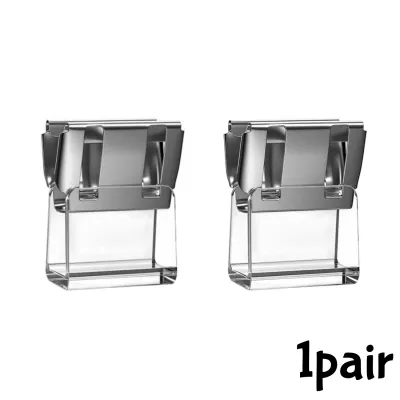
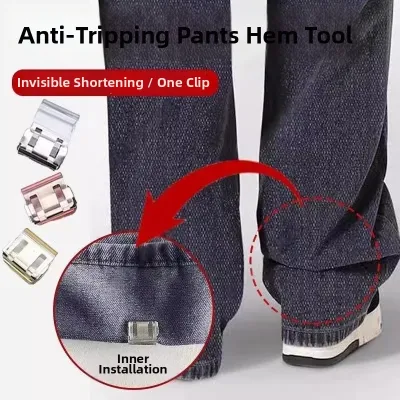
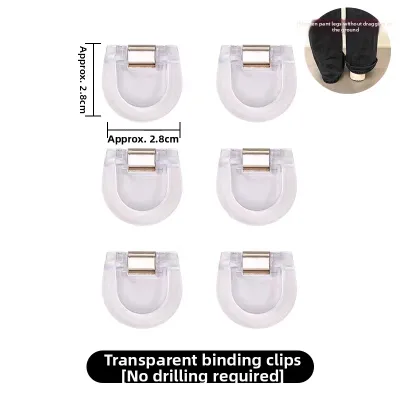
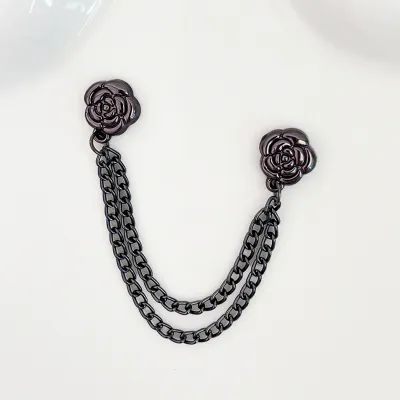
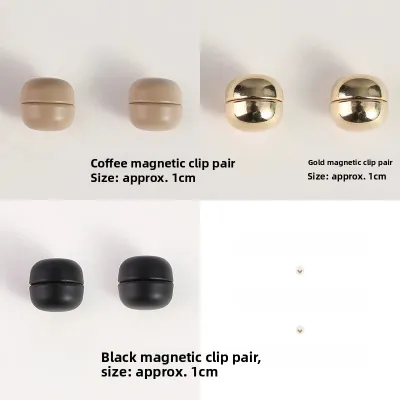
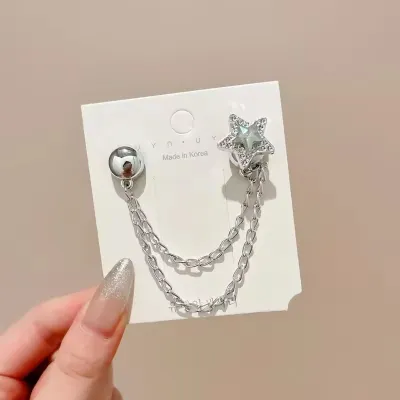
Prices are valid at publication and may change. Please refer to the product page for the latest price.
To help you evaluate your options effectively when shopping online or in-store, keep this quick checklist of essential features in mind:
- Non-marring contact surfaces: Look for built-in protective barriers like silicone pads or felt linings.
- Rust-resistant base materials: Prioritize stainless steel, coated alloys, or high-grade polymers.
- Low-profile, flat-back design: Ensure the clip thickness is under 5 millimeters to minimize bulk.
- Fabric-appropriate tension: Choose a mechanism that matches the weight and thickness of your trousers.
- Polished, rounded edges: Avoid any clips with sharp metal stamping burrs or rough plastic seams.
Clip Mechanisms: Matching Grip Strength to Fabric Weight
Spring-Loaded Hinges
Spring-loaded hinges rely on mechanical coil tension to pinch and hold the folded fabric. This design provides exceptional holding power, making it the most reliable choice for heavy, dense textiles such as denim, canvas, or thick corduroy. The strong mechanical grip easily penetrates multiple layers of thick fabric and holds fast against the pulling forces of your stride.
When evaluating spring-loaded clips, it is critical to check the tension level. Excessive spring force applied to delicate, thin, or lofted fabrics can permanently crush the fibers or leave deep, un-ironable indentations. Look for spring-loaded models that feature wider jaw surfaces, which help distribute the clamping pressure more evenly across the fabric rather than concentrating it on a single, sharp line.
Magnetic Closures
Magnetic closures utilize small, powerful rare-earth magnets embedded within a thin, flexible sleeve or casing. These clips are exceptionally easy to apply and remove, requiring no mechanical squeezing or leverage. Because they lack sharp teeth or high-tension springs, they are highly suited for lightweight, fluid garments such as summer cottons, linen blends, or fine wool trousers.
The primary trade-off with magnetic designs is their limited holding power. Because magnetic force decreases rapidly with distance, these clips can easily slip or slide off when placed over thick, multi-layered seams or heavy cuffs. They are best reserved for clean, thin folds where the fabric layers do not exceed the magnetic field’s effective range.
Snap-Button and Interlocking Designs
Snap-button or interlocking designs feature a male-and-female coupling system that pinches the folded fabric securely between two interlocking parts. These clips offer an incredibly flat, low-profile finish that sits almost entirely flush against the garment. Once snapped into place, they provide a highly secure lock that is virtually impossible to shake loose during daily activities.
These designs do require precise alignment during application, which can make them slightly more challenging to adjust on the go. Additionally, because they rely on physical displacement to lock, they can leave temporary circular indentations on certain weaves. They are highly effective for medium-weight fabrics like chinos and polyester blends, but may struggle to snap shut over very thick denim seams.
Build Quality and Edge Design: Preventing Snags and Stains
Base Materials
The base material of a pants shortening clip determines both its structural durability and its safety profile. Stainless steel and high-grade coated alloys are the premier choices for metal clips. In humid climates, such as Singapore’s tropical environment where relative humidity regularly exceeds 80 percent, unprotected carbon steel will rapidly oxidize. This oxidation leads to rust transfer, leaving permanent, stubborn orange-brown stains on your trousers.

Lightweight, high-impact polymers offer an excellent, completely rust-proof alternative to metal. While plastic clips are inherently immune to moisture damage, they must be made from high-quality resins like polycarbonate or ABS. Cheap, brittle plastics can easily crack under tension, leaving sharp, jagged edges that can tear your clothing.
Edge Finishing
Before purchasing any clip, closely inspect the quality of its edges. High-quality manufacturing processes include tumbling, deburring, and polishing to ensure every surface is perfectly smooth. Cheaply manufactured metal clips often retain sharp, raw edges from the initial stamping process.
These microscopic metal burrs act like tiny blades when pressed against fabric. As you walk and the garment moves, these rough edges rub against the textile yarns, snagging individual threads, causing pilling, or cutting directly through the fabric weave. Run your finger along all outer and inner edges of the clip; if you feel any roughness or catch points, do not use it on your garments.
Protective Padding
Premium pants shortening clips feature built-in protective padding along the inner clamping jaws. This padding typically consists of soft silicone inserts, dense felt liners, or smooth rubberized coatings. The primary purpose of this layer is to prevent direct metal-to-fabric friction, which can glaze or wear down delicate fibers over time.
Furthermore, protective padding acts as a load distributor. By spreading the clamping force across a cushioned surface, the pad prevents the clip from biting too deeply into the fabric. This cushioning significantly reduces the severity of post-use creases and prevents the clip from slipping on smooth, high-sheen fabrics like silk-wool blends or synthetic performance materials.
Size and Profile: Ensuring Discreet and Comfortable Wear
Dimensions and Weight
The overall physical size and weight of the clip directly impact how your pants drape and how comfortable you feel throughout the day. Bulky, heavy clips pull down on the hem of your trousers, creating an uneven, sagging appearance. This extra weight ruins the clean, straight lines of a well-fitted pair of pants and causes the fabric to swing unnaturally as you walk.
Additionally, oversized clips can cause physical discomfort. When you sit down, cross your legs, or drive, thick clips can press firmly against your ankles, shins, or calves. This localized pressure can quickly become painful, leaving red marks on your skin and making long periods of wear highly uncomfortable.
Low-Profile Designs
For tailored trousers, chinos, and formal office wear, prioritize ultra-thin, flat-back clips that measure under 4 to 5 millimeters in thickness. These streamlined designs are engineered to sit completely flush against the interior fold of your hem. By minimizing physical bulk, they prevent the fabric from tenting outward, keeping the modification entirely invisible to onlookers.
Flat-profile clips also reduce the risk of catching on external objects. A protruding clip can easily snag on chair legs, low fixtures, or the hem of your other pant leg as you walk. A flush, low-profile design ensures your pants retain their natural silhouette and move freely without interference.
Placement Considerations
The physical dimensions of your clips dictate where they can be placed along the hem. Smaller, narrower clips are highly versatile because they can be tucked neatly into the existing side seams or inseams. Placing clips at these structural points is ideal because the fabric is already multi-layered and stiff, which naturally helps conceal the clip’s presence.
If a clip is too wide or bulky, you may be forced to place it on the flat, single-layer sections of the pant leg, such as the front or back center. This placement makes the clip highly visible and increases the likelihood that it will rub against your shoe collar or catch on your footwear laces, disrupting your walking stride.
Wardrobe Matching: Which Clip Type Suits Your Pants Best
Heavy-Duty Clips for Denim and Workwear
Denim, heavy canvas, and rugged workwear require clips that can handle thick, stiff seams and significant fabric weight. For these garments, look for heavy-duty metal clips featuring strong spring-loaded hinges and wide, textured jaws. The high tension is necessary to compress the bulky, folded denim layers and keep the hem securely anchored during active physical movement.
Discreet, Padded Clips for Suit Trousers and Chinos
Tailored suit trousers, fine wool blends, and light cotton chinos demand a highly delicate touch. For these refined garments, select ultra-low-profile clips with soft silicone or felt padding. These clips should feature a moderate, balanced spring tension or a gentle interlocking design that holds the fabric in place without glazing the fibers or leaving deep, permanent creases that cannot be ironed out.
Quick-Release Magnetic or Snap Clips for Travel and Commuting
If you frequently transition between different shoe heights during your daily commute or while traveling, prioritize convenience and speed. Lightweight magnetic or snap-button clips are highly portable and can be applied or removed in seconds without tools. These are perfect for keeping in your handbag or office desk for rapid, temporary adjustments when switching from commuter flats to formal heels.
| Clip Category | Best Fabric Match | Key Feature to Look For | Primary Limitation |
|---|---|---|---|
| Heavy-Duty Spring Clips | Denim, canvas, heavy utility cottons | Wide jaws, high-tension steel springs | Can crush delicate fibers; highly visible |
| Padded Low-Profile Clips | Suit trousers, fine wool, light chinos | Built-in silicone or felt protective liners | Lower maximum grip strength on thick seams |
| Magnetic / Snap Clips | Lightweight blends, fluid performance fabrics | Tool-free, rapid-release magnetic design | May slip on thick, multi-layered seams |
Safe Usage and Testing: Protecting Your Garments
The Hidden Seam Test
Before wearing a newly clipped pair of pants out in public, always conduct a trial run on a hidden area of the garment. Attach the clip to an inside seam allowance or an inconspicuous portion of the inner hem. Leave the clip in place for at least one to two hours while you relax at home.
After removing the clip, carefully inspect the test area under good lighting. Look closely for any signs of fiber crushing, thread displacement, fabric thinning, or discoloration. If the fabric shows deep indentations that do not bounce back after a gentle rub, or if individual threads have been pulled, the clip’s tension is too high or its edges are too rough for that specific textile.
Movement Verification
Once you have verified that the clip does not damage your fabric, attach it to your desired hem height and perform a physical movement test. Walk around, climb a flight of stairs, sit down in a chair, and bend over as if tying your shoes. Observe how the clips behave during these natural body movements.
If you feel pinching against your skin, or if the clips slide down the fabric and cause the hem to sag, you must adjust their placement. Slippage indicates that the clip lacks sufficient grip tension for that fabric weight, or that the inner jaws require a more textured, non-slip silicone lining. A secure clip should remain firmly in place without requiring constant manual readjustment.
Time and Care Limits
Pants shortening clips are designed strictly as temporary or semi-permanent styling aids; they are not permanent tailoring solutions. Always remove the clips from your garments before washing, dry cleaning, or placing them into long-term storage. Leaving clips attached to your clothes during storage can set deep, permanent stress creases that are incredibly difficult to iron out.
Leaving clips on garments during a laundry cycle can result in severe damage. Metal clips can rust rapidly when exposed to water and detergent, transferring permanent orange stains to your clothing. Furthermore, the rigid clips can scratch or dent your washing machine drum, or snag and tear the fabric of your pants during the high-speed spin cycle.
When to Stop
If your testing or daily use reveals pulled threads, fabric thinning, or deep indentations that remain visible even after a gentle steam or wash, stop using the clips immediately. These indicators mean the fabric is too fragile or the weave is too loose to withstand mechanical clamping. In these scenarios, you should transition to professional tailoring, a careful hand-sewn blind stitch, or high-quality fusible hem tape to protect your wardrobe investment.
Frequently Asked Questions (FAQ)
Can pants shortening clips damage delicate fabrics like silk or linen?
Yes, pants shortening clips carry a high risk of damaging delicate, fine, or loosely woven fabrics like silk, satin, and pure linen. The localized mechanical tension can easily distort the delicate weave, pull fine silk threads, or leave permanent pressure marks. If you must use a clip on these materials, select an ultra-lightweight option featuring thick, smooth silicone padding. For highly fragile garments, temporary double-sided fabric tape or professional blind-stitch hemming is a much safer, risk-free alternative.
Are pants shortening clips machine washable?
No, pants shortening clips must always be removed before machine washing or tumble drying your garments. Most clips contain metal springs, magnets, or rigid plastic parts that are not designed to withstand the laundry process. Leaving them on can cause immediate rust transfer, scratch or dent the interior of your washing machine drum, and cause the clips to snag, rip, or tear the fabric as the clothes agitate.
How many clips do I typically need for one pair of pants?
For a clean, balanced, and secure hem, you typically need two clips per pant leg—one positioned at the inner seam (inseam) and one at the outer seam (outseam). This dual-point anchoring system ensures the folded fabric remains securely held up and prevents the front or back of the hem from sagging awkwardly. For exceptionally wide-leg trousers or very heavy denim, you may need a third clip positioned at the back center to maintain a uniform, straight line across the entire hem.
Community discussion
Share your experience or ask a question. Comments are reviewed before publication.