
Nylon yarn is a synthetic polyamide fiber prized in knitting for its exceptional strength, elasticity, and durability. While rarely used on its own for traditional garments, nylon serves as an essential structural partner when blended with natural fibers like wool, cotton, or alpaca. It provides the necessary reinforcement to prevent wear and tear in high-friction areas, ensuring that hand-knitted items survive years of use and washing. Whether you are planning a pair of everyday socks, a sturdy market bag, or a lightweight summer top, understanding how nylon behaves allows you to choose the right yarn blend for your specific project. By balancing the softness of natural fibers with the resilience of synthetics, you can create knitted pieces that are both comfortable to wear and built to last.
Understanding Nylon Yarn in Knitting
Nylon was originally developed as a synthetic alternative to silk. In knitting, nylon yarn is classified as a synthetic polyamide fiber constructed from long-chain polymers that offer incredible tensile strength. Unlike natural fibers, which grow organically on animals or plants, nylon is manufactured through a chemical process that aligns its molecular structure for maximum durability.
When integrated into knitting yarns, nylon acts as a structural backbone. Natural fibers like merino wool, cashmere, and alpaca are beloved for their warmth and softness, but they possess relatively short staple fibers that can easily break or wear away under friction. Nylon fibers are continuous filaments that wrap around or blend with these delicate natural fibers. This combination creates a cohesive strand that resists pulling apart, significantly reducing the likelihood of pilling, thinning, or tearing over time.
Products mentioned in this guide
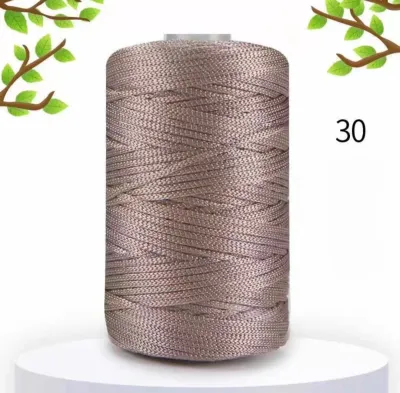
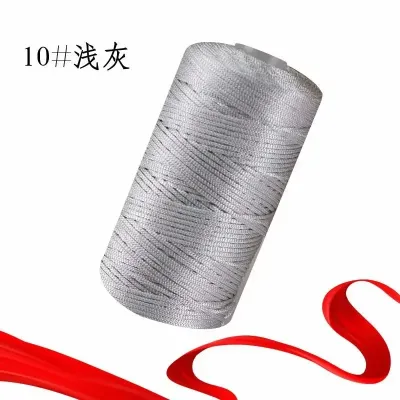
Prices are valid at publication and may change. Please refer to the product page for the latest price.
Key Characteristics of Nylon Yarn
To make informed decisions for your knitting projects, it is helpful to understand the physical and practical traits of nylon. The most prominent characteristic of nylon is its remarkable abrasion resistance. It can withstand repeated rubbing and flexing without losing its structural integrity, which is why it is the industry standard for reinforcing high-wear areas like sock heels and toes.

In addition to strength, nylon offers excellent elasticity and shape memory. When stretched, nylon fibers easily return to their original length. This recovery prevents knitted fabrics from sagging or bagging out over time, a common issue with pure plant fibers like cotton or linen. When blended with natural fibers, nylon helps the fabric retain its intended silhouette even after multiple wears and washes.
Nylon also boasts a distinct luster and high dye affinity, absorbing acid dyes exceptionally well for vibrant, saturated colors. However, nylon has notable limitations regarding breathability and moisture absorption. Unlike wool, which absorbs moisture vapor while remaining dry, nylon is hydrophobic. It does not absorb water easily, which can limit comfort in hot or humid conditions. In tropical climates, such as Singapore’s warm weather, garments with a high synthetic content can trap heat and perspiration against the skin. Therefore, selecting the appropriate blend ratio is crucial to maintaining comfort.
Pure Nylon vs. Nylon Blends: Choosing the Right Composition
When browsing your local yarn shop or an online marketplace, you will quickly notice that 100% nylon yarn is rarely used for standard garments. Pure nylon lacks the breathability, thermal regulation, and soft hand-feel required for comfortable clothing. It can feel stiff, plastic-like, and uncomfortably warm against the skin. Instead, nylon is almost always blended with other fibers to capture the best of both worlds.
The most famous combination is the classic sock yarn blend, typically consisting of 75% to 80% superwash merino wool and 20% to 25% nylon. This ratio provides the warmth, bounce, and moisture-wicking properties of wool alongside the rugged durability of nylon. For warmer climates, cotton and nylon blends are highly popular. Cotton on its own tends to stretch out and sag under its own weight; adding 10% to 20% nylon introduces much-needed elasticity and structural memory, making the finished garment hold its shape beautifully.
When evaluating a yarn blend, always check the fiber percentages on the label. If you are knitting a delicate lace shawl, a low nylon content of 5% to 10% is sufficient to add tensile strength to thin single-ply yarns. For heavy-duty items like slippers or utility bags, look for a higher nylon content of 25% to 30% to ensure the fabric can withstand rigorous daily use.
Best Knitting Projects for Nylon Yarn
Selecting the right project for your nylon-blend yarn ensures that the material’s strengths are fully utilized. The most obvious application is high-wear footwear. Hand-knitted socks, slippers, and house shoes are subjected to constant friction against shoes and floors. Using a wool-nylon blend ensures that your hard work does not end up with holes after just a few wears.
Structured accessories are another excellent choice. Market totes, backpacks, and shoulder bags require a yarn that will not stretch excessively when filled with heavy items. A cotton-nylon or acrylic-nylon blend provides the rigidity and recovery needed to keep your bag from dragging on the ground. The synthetic fibers ensure the straps remain firm and comfortable over long periods of use.
Nylon is also highly beneficial for intricate lace and drape projects. Fine lace weight yarns can be fragile and prone to snapping during the knitting process or while being aggressively stretched during blocking. A touch of nylon provides a safety net, allowing you to pull your lace taut to open up the stitch patterns without fear of breaking the yarn. Additionally, the weight and smoothness of nylon fibers can enhance the overall drape of shawls and lightweight cardigans, giving them a professional, fluid movement.
When to Avoid Nylon Yarn
While nylon is incredibly versatile, there are specific scenarios where its properties can ruin a project. First and foremost, avoid nylon for high-heat applications. If you are knitting kitchen accessories like trivets, pot holders, or oven mitts, synthetic fibers are highly dangerous. Nylon has a relatively low melting point compared to natural fibers like cotton or wool. Exposure to hot pans or open flames can cause the synthetic fibers to melt, potentially causing severe burns or ruining your cookware.
Additionally, avoid high-nylon blends for next-to-skin summer garments if you live in a hot, humid environment. In Singapore’s tropical climate, lightweight garments need to maximize airflow and moisture evaporation. A garment with a high percentage of nylon will trap heat and sweat, leading to discomfort. For summer knits, prioritize high-percentage linen, cotton, or bamboo blends, using nylon only in minimal amounts if structural support is absolutely necessary.
Finally, nylon is not suitable for strictly eco-conscious projects. Because it is a petroleum-based synthetic material, it does not biodegrade and sheds microplastics during washing. If your goal is to create a fully compostable or environmentally neutral item, stick to 100% organic natural fibers.
How to Read Yarn Labels and Verify Nylon Content
Before purchasing yarn, take a close look at the ball band to verify its composition and care instructions. The label lists the exact fiber percentages, which is your primary tool for determining if the yarn is suitable for your project’s wear requirements.
Next, match the yarn weight and recommended needle size to your pattern. Nylon-blend yarns come in various weights, from delicate fingering weight for socks to bulky weights for quick accessories. Ensure that the recommended needle size aligns with the fabric density you wish to achieve. For instance, socks require a tight, dense fabric to maximize durability, so you may want to use a slightly smaller needle than what is suggested on the label to create a firmer fabric.
Pay close attention to the care symbols. Synthetics are sensitive to heat, so look for symbols indicating cold or warm machine washes and avoid high-heat tumble drying. Most nylon blends should be dried flat to preserve their shape.
Lastly, always knit a gauge swatch. This allows you to observe how the nylon blend behaves when washed and blocked, letting you test its elasticity, hand-feel, and drape before committing to a full project.
Frequently Asked Questions (FAQ)
Does nylon yarn stretch out over time?
Nylon possesses excellent elasticity and shape memory, resisting permanent stretching compared to cotton or alpaca. However, heavy garments or high heat can cause synthetic fibers to deform. To maintain shape, choose a balanced blend with a high-quality natural fiber and avoid hanging heavy garments on hangers, which can cause vertical stretching.
Can I block nylon yarn knitting projects?
Yes, but use caution. Wet blocking is the safest method: soak the item in lukewarm water, gently squeeze out excess moisture, and lay it flat to dry. Avoid steam blocking or direct contact with an iron, as intense heat can permanently melt, flatten, or glaze the synthetic nylon fibers, ruining your stitch definition.
Is nylon yarn suitable for baby clothes?
Nylon blends are suitable for baby clothes due to their machine-washable nature and durability. However, because babies have sensitive skin and poor temperature regulation, avoid high-synthetic blends that trap heat. Prioritize blends with a high percentage of soft, breathable natural fibers like superwash merino wool or organic cotton, using minimal nylon (10% to 15%) for durability.

Community discussion
Share your experience or ask a question. Comments are reviewed before publication.