
Nylon yarn is a highly durable, synthetic knitting fiber known for its exceptional strength, elasticity, and resistance to wear. While knitters rarely use 100% pure nylon for traditional garments, it serves as an indispensable blending fiber that adds structural integrity and stretch recovery to natural materials like wool, cotton, and bamboo. Understanding how nylon behaves on your knitting needles and how it performs after multiple washes is key to selecting the right yarn for your next project. Whether you are crafting hard-wearing socks or lightweight garments suited for warm, humid climates, evaluating nylon’s unique material properties will help you achieve a professional, long-lasting finish.
What Is Nylon Yarn?
Nylon is a synthetic polymer belonging to a class of plastics known as polyamides. Originally developed as a silk alternative, it is produced through a chemical process that melts and extrudes the polymer through fine holes in a spinneret, forming continuous filaments. For knitting applications, manufacturers process these fibers in two primary ways: as continuous extruded filaments or as staple fibers that are cut and spun into yarn, either alone or alongside other materials.
In the knitting world, pure nylon yarn is uncommon for standard garments due to its synthetic feel and lack of insulation. Instead, it serves as a reinforcing agent. Blending a small percentage of nylon into natural fibers dramatically increases the lifespan of the finished textile without sacrificing the primary fiber’s desirable qualities.
Products mentioned in this guide
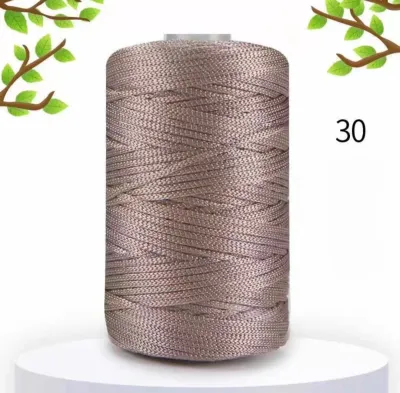
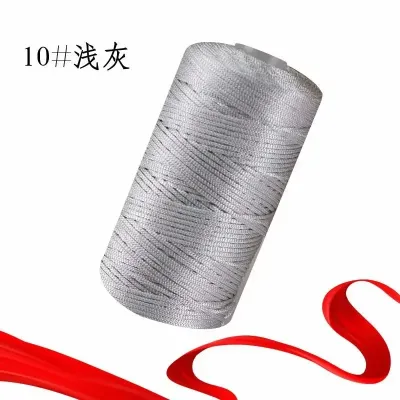
Prices are valid at publication and may change. Please refer to the product page for the latest price.
The physical form of the nylon used in a yarn significantly influences the final texture of your knitted fabric. Extruded filament nylon tends to be exceptionally smooth, shiny, and slippery, which can make for a sleek, modern fabric but requires careful handling on the needles. Spun nylon, on the other hand, mimics the fuzzy, matte texture of natural staple fibers, blending seamlessly into wool or cotton to provide strength without altering the traditional look and feel of the yarn.
Key Material Properties for Knitting Projects
Understanding the physical characteristics of nylon allows you to predict how the finished item will wear, stretch, and drape over time.

Strength and Durability: Nylon is celebrated for its high tensile strength and outstanding abrasion resistance. In knitting, this translates to a fabric that can withstand friction without thinning or tearing. You can easily observe this structural integrity in high-wear items like sock heels or bag straps.
Elasticity and Memory: Unlike many fibers, nylon possesses excellent elasticity and recovery. When stretched, the fiber tends to return to its original length rather than remaining permanently elongated. While the exact memory depends on the yarn’s twist, incorporating nylon helps a garment retain its shape and prevent sagging at cuffs and hemlines.
Texture and Drape: Nylon fibers are naturally smooth, ranging from a high-luster sheen to a matte finish. This smoothness gives the yarn a slick hand-feel and excellent stitch definition, making intricate patterns stand out. However, because nylon is highly flexible, it produces a fluid drape. Knitters should perform a swatch test to verify how the fabric hangs, as a fluid drape may not support structured garments without gauge adjustments.
Moisture Management: Nylon is hydrophobic, absorbing very little water compared to wool or cotton. While this allows nylon-blend knits to dry quickly, it limits their ability to wick moisture. In warm or humid environments, a high synthetic content can feel clammy if the knit structure is too dense. Checking the fiber content label is essential to balance quick-drying convenience with breathability.
Pure Nylon vs. Nylon Blends
Choosing between pure nylon and various fiber blends requires balancing the structural benefits of synthetics with the comfort of natural fibers.
100% Nylon Yarn: Pure nylon yarn is highly specialized. It is often used for items that require maximum durability, water resistance, or a specific high-gloss aesthetic, such as market bags, scrubbies, or swimwear. However, 100% nylon lacks natural warmth, breathability, and moisture-wicking capabilities, making it generally unsuitable for everyday sweaters or close-fitting garments worn in warm weather.
Wool-Nylon Blends: This is perhaps the most famous combination in the knitting community, often referred to as sock yarn. Typically featuring a ratio of 75% to 80% wool and 20% to 25% nylon, this blend combines the warmth, bounce, and moisture absorption of wool with the rugged durability of nylon. This small synthetic addition ensures that hand-knitted socks can survive the friction of shoes and repeated washings without wearing through at the heels and toes.
Cotton or Acrylic-Nylon Blends: Blending nylon with cotton or acrylic alters the drape, softness, and everyday wearability of garments. Cotton-nylon blends are particularly popular for lightweight, transitional clothing, as the nylon adds a subtle sheen, improves stitch definition, and prevents the heavy cotton from stretching out of shape. Acrylic-nylon blends offer an affordable, easy-care option that remains soft and durable for baby items or blankets.
Reading Yarn Labels: To make an informed choice, always inspect the yarn band. Look for the fiber percentage breakdown to determine if the nylon content matches your project’s needs. Additionally, check the care symbols to verify washing instructions, as even a small percentage of a delicate primary fiber can dictate how the entire blend must be cleaned.
Ideal Knitting Projects for Nylon Yarn
Matching nylon’s material properties to your specific project ensures that your hard work results in a functional, long-lasting piece.
High-Wear Items: Nylon is the gold standard for items subjected to daily friction. Socks, mittens, gloves, and bag straps all benefit immensely from the added reinforcement of a nylon blend. If you are knitting a project that will experience heavy use, choosing a yarn with at least 15% to 25% nylon content will significantly extend its lifespan.
Lightweight and Summer Garments: For knitters living in warm climates, lightweight tops, tees, and shawls made from cotton-nylon or bamboo-nylon blends are highly practical. These blends offer a cool-to-the-touch feel, excellent drape, and quick-drying properties that handle humidity well, provided the knitting gauge is kept loose and airy.
Projects to Avoid or Modify: Avoid using high-nylon content yarns for heavy winter sweaters or blankets where natural insulation and high breathability are the primary goals. Pure synthetics can trap body heat and moisture, leading to discomfort. If you want the durability of nylon in a sweater, opt for a low-percentage blend (around 10%) to keep the garment breathable.
Needle Material and Gauge: Because nylon is naturally smooth and slippery, working with it can sometimes feel challenging, especially on slick metal needles. If you find your stitches slipping off too easily, try switching to wooden or bamboo knitting needles, which provide more surface friction. Always knit a gauge swatch first to ensure your tension is consistent, as slippery fibers can cause uneven stitch sizes if not managed carefully.
Care and Maintenance of Nylon Knits
Proper care is essential to preserve the shape, texture, and longevity of your hand-knitted nylon items.
Washing Conditions: Always check the manufacturer’s care symbols on the yarn band before washing. While nylon itself is highly resilient and often machine washable, the primary fiber in the blend (such as merino wool) may require hand washing in cold water. Use a gentle, pH-neutral detergent and avoid harsh bleach, which can degrade synthetic fibers over time.
Drying Methods: Air drying is generally the safest method for all hand-knitted items. Lay the garment flat on a clean towel, reshape it, and let it dry away from direct sunlight. If the yarn label indicates that machine drying is safe, use a low-heat setting. High heat must be avoided, as nylon is thermoplastic and can melt, warp, or lose its elasticity when exposed to excessive temperatures.
Pilling and Snagging: Synthetic fibers like nylon are prone to pilling, which occurs when loose fibers rub together and form small balls on the fabric surface. Because nylon is so strong, these pills do not break off easily on their own. Use a fabric shaver or a specialized lint comb to gently remove pills, and handle the fabric carefully to avoid snagging the smooth, continuous filaments on jewelry or rough surfaces.
Blocking Considerations: Blocking is the process of wetting and shaping your finished knit to even out the stitches. When working with nylon blends, wet blocking with cool water is highly recommended. Avoid steam blocking or using a hot iron directly on the fabric, as the intense heat can permanently flatten the stitches or melt the nylon fibers, ruining the texture and drape of your project.
Frequently Asked Questions (FAQ)
Is nylon yarn breathable for summer clothing?
Nylon itself has low moisture absorption, which can limit its breathability when knitted into a dense, thick fabric. However, you can easily wear nylon-blend garments in warm weather by choosing a lightweight yarn, such as a lace or fingering weight, and knitting with a loose, open stitch pattern. This construction allows air to flow freely through the fabric, combining the quick-drying benefits of nylon with excellent ventilation.
Does nylon yarn stretch out of shape over time?
Nylon possesses excellent natural elasticity and memory, meaning it resists permanent stretching better than inelastic fibers like cotton or linen. However, the long-term shape retention of your project depends on the overall fiber blend and the stitch pattern used. To prevent a garment from sagging, choose a blend that pairs nylon with a resilient fiber like wool, and use structured stitch patterns like ribbing for areas that require extra support, such as cuffs and waistbands.

Community discussion
Share your experience or ask a question. Comments are reviewed before publication.