
Selecting a notebook with a lock for private journaling requires balancing physical security with paper performance. The ideal choice depends on your writing tools—such as fountain pens, gel pens, or ballpoints—and how much physical privacy you require. Rather than searching for a single universal brand, you should evaluate notebooks based on how their lock mechanisms and paper specifications align with your daily writing habits. This approach ensures your thoughts remain confidential while your ink does not bleed, feather, or ghost over time.
To find a journal that protects your privacy without frustrating your writing experience, you must look closely at the hardware and the paper sheets inside. A heavy lock is useless if the paper bleeds so badly you can only write on one side of a page, and premium paper offers little comfort if a flimsy lock jams and permanently seals your thoughts away. By understanding the technical details of lock durability and paper construction, you can make an informed investment that lasts for years.
Evaluating Lock Mechanisms for Private Journals
The lock on your journal serves as the primary barrier against unauthorized reading, but different mechanisms offer varying levels of security, weight, and convenience. Physical locks, such as three-digit combination dials and traditional key locks, provide the highest level of physical security for a personal diary. These systems are designed to prevent casual snooping by roommates, family members, or colleagues, making them excellent for journals that sit on a desk or nightstand.
Products mentioned in this guide
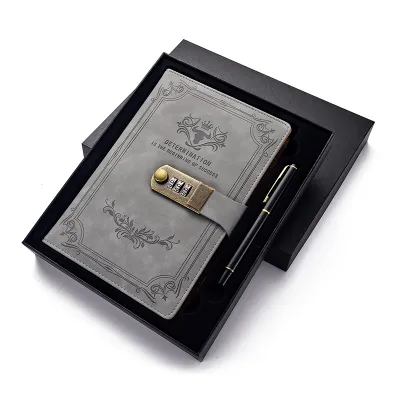
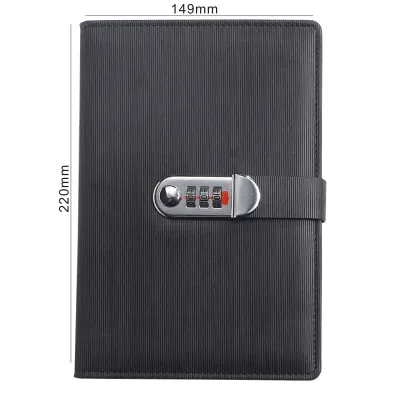
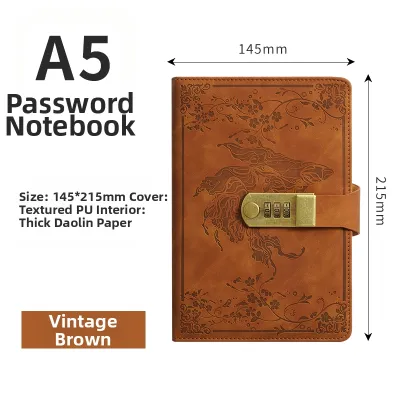
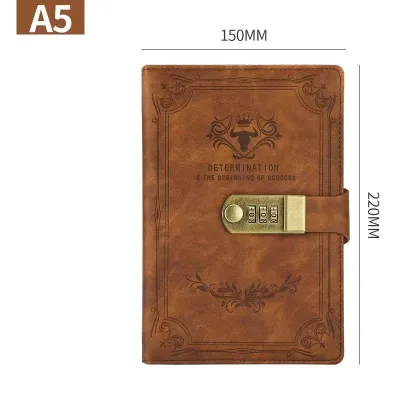
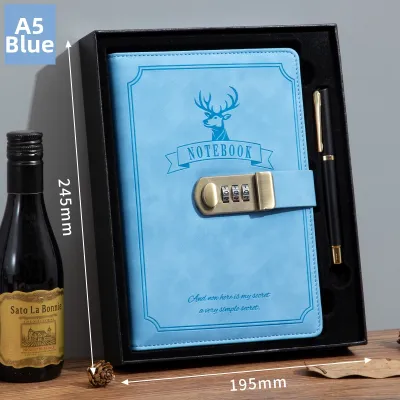
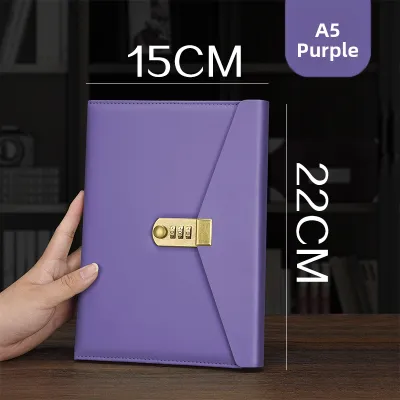
![[Ready Stock] Secret Diary with Lock and Key-Kids Journal Notebook - Birthday Gift Idea- Cute Stationery](https://img.lazcdn.com/g/p/ae7660428d37bc81562fafdd6bf5b0cd.jpg_400x400q80.jpg_.webp)
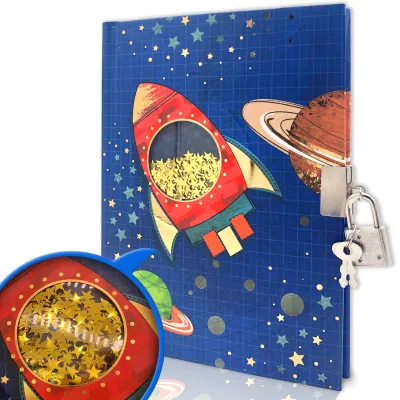
Prices are valid at publication and may change. Please refer to the product page for the latest price.
However, robust physical locks introduce noticeable bulk and weight to the notebook. Metal lock casings, often made of zinc alloy or brass, can create an uneven writing surface when the notebook is closed or make the cover heavy on one side. If you write on the go, this added weight can make the notebook less comfortable to carry in a small bag or backpack.
For those who prioritize portability and quick access over high security, privacy closures are a practical alternative. Snap buttons, magnetic clasps, and heavy-duty elastic bands do not lock in the traditional sense, but they keep the notebook securely closed during transit. These closures prevent the pages from opening accidentally in your bag, protecting them from getting crumpled or torn, while allowing you to open the journal instantly when inspiration strikes.
When choosing a lock, you must also consider the trade-off between material durability and the overall lifespan of the notebook. Metal lock components generally offer superior longevity compared to plastic alternatives, which can wear down, strip, or crack over time. However, even metal locks require precise alignment; if the clasp becomes bent or the internal gears jam, you may have to damage the cover or spine to access your writing. Inspecting the sturdiness of the lock housing before purchasing is essential to avoid getting locked out of your own thoughts.
Assessing Paper Quality for Your Writing Tools
The paper inside your locked journal determines how pleasant it is to write and how well your words are preserved over time. The most critical specification to verify is paper weight, measured in grams per square meter (GSM). Standard notebook paper typically ranges from 70 GSM to 80 GSM, which is highly susceptible to ghosting—where writing is visible on the reverse side—and ink bleed-through when using wet writing instruments like fountain pens, brush pens, or heavy gel pens.

For a seamless journaling experience, look for paper weights of 100 GSM to 120 GSM, which provide a sturdy barrier against most inks. If you enjoy using wet inks, broad nibs, or light watercolor washes, upgrading to 160 GSM paper ensures that your pages remain clean and usable on both sides. Because ink performance depends on the exact combination of paper sizing and ink formulation, you should always perform a small trial in an inconspicuous corner of the notebook before committing to a full page.
Paper finish and texture also play a significant role in your writing speed and comfort. Smooth, highly calendered papers allow fine-nib fountain pens and gel pens to glide effortlessly across the surface, though they may require longer drying times to prevent smudging. Toothy or textured papers offer more tactile feedback, which is highly satisfying for pencil and ballpoint pen users, but they can cause fine metal nibs to catch or cause wet inks to feather along the paper fibers.
Finally, long-term preservation requires acid-free paper specifications. Standard wood-pulp paper contains natural acids that cause the pages to yellow, become brittle, and deteriorate over decades. Acid-free paper is chemically treated to maintain a neutral pH, ensuring that your personal history, sketches, and daily reflections remain intact and legible for generations without fading or crumbling.
Decision Framework: Matching Security and Paper to Your Needs
To select the right locked notebook, you can match your writing style and privacy requirements to one of two primary profiles.
Choose Profile A if your top priorities are maximum physical privacy and a premium writing experience with wet inks. This profile features a robust metal combination lock or key entry system paired with high-weight, acid-free paper of 120 GSM or higher. This combination is ideal for writers who keep their journals at home, use fountain pens or artistic markers, and want absolute peace of mind that their private thoughts are physically secured against curious eyes.
Choose Profile B if you prioritize daily portability, lightweight carry, and rapid access to your pages. This profile utilizes magnetic clasps or snap button closures paired with standard, smooth 80 GSM to 100 GSM paper. It is the perfect match for commuters, travelers, and casual writers who use ballpoint pens or fine gel pens and need a notebook that fits easily into a daily bag without adding unnecessary weight.
If you require automatic digital syncing or remote access to your notes, neither of these traditional options may fit your needs. In this case, you should verify whether the manufacturer offers hybrid smart-notebook features. These systems allow you to write on specialized paper and sync your pages to a secure cloud service, providing digital encryption rather than relying on a physical lock.
You must also balance your budget constraints when shopping in Singapore, as premium paper and heavy-duty lock hardware will naturally increase the retail price. A basic locked journal with standard paper might cost between S$15 and S$25 on local online marketplaces. In contrast, a professional-grade journal featuring genuine leather, archival-grade 120 GSM paper, and a reinforced brass combination lock can range from S$40 to S$80. Prioritize the feature that solves your biggest frustration—whether that is ink bleeding through the page or the fear of someone reading your private thoughts.
Pre-Purchase Verification Checklist
Before purchasing a locked notebook, you should perform a few quick checks to ensure the build quality and binding will support your writing habits.
First, inspect the binding method to ensure the notebook has lay-flat capability. Thread-bound or Smyth-sewn notebooks are designed to open completely flat, allowing you to write comfortably near the center spine. Avoid stiff, glued bindings that force you to hold the pages down with one hand while writing, especially since a bulky lock mechanism on the cover can make it even harder to find a comfortable hand position near the edges.
Second, examine the lock hardware’s alignment, hinge strength, and material finish. Ensure that the clasp aligns perfectly with the locking mechanism without requiring you to force or pinch the cover. The hinges should feel firm without excess play, and the metal edges should be smooth to prevent scratching your desk or snagging the fabric of your bag.
Finally, verify the manufacturer’s specifications for ink compatibility and check the retailer’s return policy. Because paper smoothness and bleed resistance are highly subjective and depend on your specific pen and ink, it is wise to buy from sellers that allow returns if the paper does not perform as expected. Keep in mind that many stationery shops and ecommerce platforms only accept returns if the protective plastic wrap remains unopened, so look for detailed user reviews regarding paper performance before breaking the seal.
Frequently Asked Questions (FAQ)
Can I replace a broken lock on a journal?
Replacing a built-in lock on a journal is highly difficult because the hardware is typically riveted or glued directly into the cover materials during manufacturing. If a metal combination lock or key clasp breaks, attempting to pry it off will usually tear the cardboard, fabric, or leather of the cover. For high-end leather journals with strap-mounted locks, a professional leather repair specialist may be able to stitch a replacement clasp onto the strap. For standard notebooks, however, a broken lock usually means you will need to carefully cut the cover to retrieve your pages and transfer them to a new binder.
Do locked notebooks lay flat when open?
Whether a locked notebook lays flat depends entirely on its binding style and where the lock is positioned. Notebooks with cheap, glued bindings rarely lay flat, and the presence of a thick lock on the edge of the cover can make the writing surface highly uneven. To ensure a comfortable writing experience, look for thread-bound notebooks where the pages are sewn in sections. Additionally, choose designs where the lock is attached to a flexible wrap-around strap rather than integrated directly into a rigid, thick cover edge, as this allows the notebook to sit flatter on your desk.
Is a combination lock safer than a key lock for journals?
Both lock types offer similar levels of basic physical security, but they differ significantly in convenience and user error. A combination lock eliminates the risk of losing a physical key, which is the most common reason writers get locked out of their own diaries. However, inexpensive three-digit dials can sometimes be bypassed by someone with patience. Key locks offer a classic aesthetic and reliable security, but you must find a safe, private place to store the physical key where others cannot easily find it.

Community discussion
Share your experience or ask a question. Comments are reviewed before publication.