
Quick Answer: Matching Paper Quality to Your Pen and Journaling Style
Finding the perfect note book is not a matter of locating a single, universally superior paper type. Instead, the ideal choice depends entirely on the writing instruments you prefer and how you intend to use your pages. The interaction between ink chemistry and paper fibers determines whether your writing experience will be smooth and crisp or frustratingly messy.
For writers who favor fountain pens or wet rollerballs, highly sized, coated papers are essential. These papers prevent the ink from soaking too rapidly into the fibers, preserving sharp lines and vibrant colors. If your daily routine relies on everyday gel pens, ballpoints, or pencils, a mid-weight paper with a slight texture offers the best balance, providing pleasant tactile feedback and rapid drying times. For those who practice bullet journaling with heavy water-based markers, brush pens, or light watercolor washes, heavyweight paper with a high density is required to prevent ink from showing through on the reverse side of the page.
The 4 Key Dimensions of Notebook Paper Quality
To move beyond subjective descriptions like “smooth” or “premium,” you must understand the technical characteristics that dictate how paper behaves under different writing conditions. Evaluating these four objective dimensions will help you predict exactly how a notebook will perform before you ever touch a pen to the page.
Products mentioned in this guide
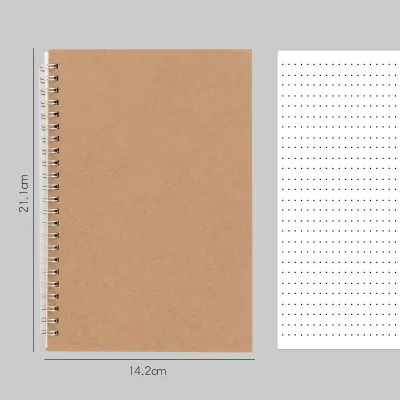
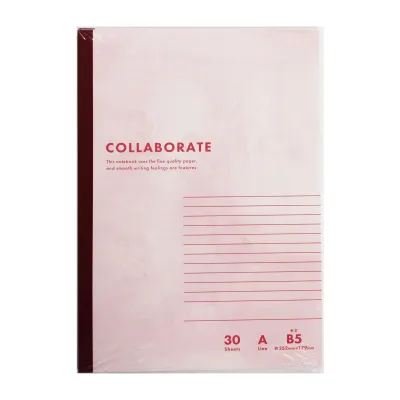
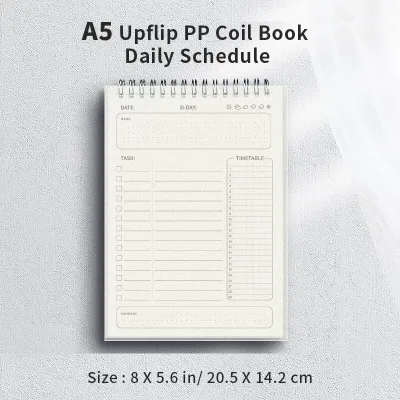
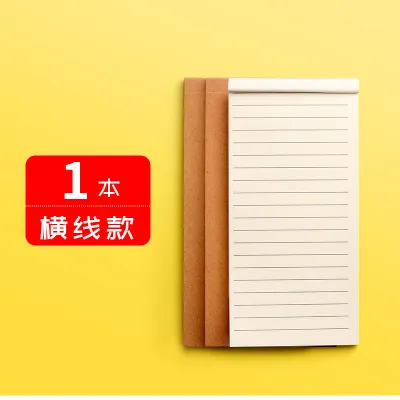
Prices are valid at publication and may change. Please refer to the product page for the latest price.

Paper Weight (GSM)
Grams per Square Meter (GSM) is the standard metric used to measure the weight and density of paper. While higher GSM generally corresponds to thicker, more opaque sheets, it is not a direct indicator of quality. Pocket notebooks often feature lightweight paper ranging from 50 to 68 GSM to keep the book slim and portable. Standard daily journals typically use mid-weight paper between 80 and 90 GSM, which balances opacity with a reasonable notebook thickness. Heavyweight notebooks, often designed for artistic journaling, range from 100 to 160 GSM. Thicker paper resists buckling when wet and prevents heavy ink layers from showing through, but it also results in a bulkier notebook with fewer total pages.
Sizing and Coating
Sizing refers to the chemical additives applied to paper during manufacturing to control its water resistance. Internal sizing is mixed into the paper pulp, while external sizing is applied to the surface of the dried sheet. Highly sized papers resist liquid absorption, causing ink to pool slightly on the surface and dry via evaporation. This creates an incredibly smooth writing surface with minimal friction. Uncoated or lightly sized papers absorb liquid instantly, which speeds up drying times but can cause the paper to feel toothy or scratchy, especially when using fine-tipped pens. The choice between a slick, coated surface and a textured, uncoated page is a matter of personal preference and pen compatibility.
Bleed-Through and Feathering
Bleed-through occurs when ink penetrates completely through the paper, appearing as spots or blotches on the opposite side of the sheet. This issue makes writing on both sides of a page impossible and is caused by low paper density or insufficient sizing. Feathering refers to the horizontal spreading of ink along the paper fibers, which transforms sharp, clean pen strokes into fuzzy, distorted lines. A closely related phenomenon is ghosting, or show-through, where the ink does not physically bleed through the paper but remains visible as a shadow from the other side. While ghosting is common in thin, high-quality papers, bleed-through and feathering are clear signs of paper that cannot handle wet ink.
Paper Color and Tone
The color of your notebook pages significantly impacts both visual contrast and eye comfort. Bright white paper provides a neutral background that makes colored inks stand out vividly, making it excellent for color-coding or sketching. However, bright white surfaces reflect a high amount of light, which can contribute to eye strain during extended writing sessions under bright overhead lights. Cream, ivory, or off-white papers offer a warmer, softer alternative that is gentler on the eyes. The trade-off is that cream-toned paper can subtly alter the appearance of your inks, making cool blues look slightly greenish and yellow-toned inks appear muted.
Comparing Popular Notebook Brands by Paper Characteristics
Different notebook manufacturers target specific writing audiences by adjusting their paper formulations. Rather than ranking these brands from best to worst, it is more practical to group them by their primary paper strengths and intended use cases.
Fountain Pen and Wet Ink Friendly Papers
Fountain pen enthusiasts require paper that can handle large volumes of liquid ink without feathering or bleeding. Brands in this category focus heavily on surface sizing and smoothness to showcase the unique properties of fountain pen inks, such as shading and sheen.
- Rhodia and Clairefontaine: These French brands are legendary for their ultra-smooth, satin-finish papers. Rhodia typically uses 80 GSM or 90 GSM paper, while Clairefontaine features a slightly heavier 90 GSM brushed vellum. Both brands apply a generous surface coating that prevents ink from penetrating the fibers. This results in incredibly crisp lines and zero bleed-through, even when using broad, wet calligraphy nibs. The primary trade-off is drying time; because the ink sits on top of the coating, it can take several seconds to dry, making these notebooks prone to smudging if you write quickly or are left-handed.
- Tomoe River (Sanzen): Highly revered in the stationery community, Tomoe River paper is remarkably thin (often 52 GSM) yet incredibly resistant to bleed-through. It allows fountain pen inks to pool beautifully, revealing intense sheen and color variations that are lost on more absorbent papers. However, because the paper is so thin, ghosting is highly pronounced, and the pages have a delicate, crinkly texture that some writers find distracting.
Everyday Gel Pen and Ballpoint Papers
For daily note-taking, journaling, and professional work, most writers prefer paper that dries quickly and provides a tactile connection to the page. These papers offer a balanced compromise between smoothness and absorption.
- Midori MD: This Japanese brand is famous for its minimalist aesthetic and cream-colored paper. Midori MD paper is designed to provide a slight "tooth" or texture, giving the writer feedback that feels similar to writing with a pencil. It handles gel pens, ballpoints, and moderate fountain pens exceptionally well. The ink dries relatively quickly, and the paper offers a highly satisfying tactile experience, though those who prefer a completely frictionless glide may find the texture too pronounced.
- Leuchtturm1917: A staple in the bullet journaling community, Leuchtturm1917 uses an 80 GSM or 120 GSM cream-colored paper. The standard 80 GSM paper is slightly more absorbent than Japanese alternatives, which means gel pens and ballpoints dry almost instantly. While it handles everyday writing beautifully, wet fountain pens or heavy highlighters will cause noticeable ghosting and occasional feathering. The brand's 120 GSM edition addresses this issue, providing a much more opaque canvas while maintaining the fast drying times of the original.
Heavyweight and Mixed Media Journaling Papers
If your journaling style incorporates artistic elements like brush pens, alcohol markers, stamps, or light watercolor washes, standard writing papers will quickly buckle, warp, or bleed. You need a notebook built to withstand moisture and heavy pigment layers.
- Archer & Olive: Known for pioneering the ultra-thick notebook category, Archer & Olive uses 160 GSM crisp white paper. This paper behaves similarly to light cardstock, offering complete opacity. You can layer water-based markers, heavy ink stamps, and even light watercolor paints without any fear of ghosting or bleeding through to the next page. The binding is heavily reinforced to support the thick sheets, allowing the notebook to lay completely flat.
- Scribbles That Matter: Featuring 120 GSM or 160 GSM acid-free paper, this brand offers a smooth, coated surface that is highly absorbent yet thick enough to prevent bleed-through. It is particularly popular among users of dual-brush pens and fine-liners, as the smooth surface prevents delicate brush tips from fraying over time. The main trade-off with these heavyweight notebooks is their physical bulk; they contain significantly fewer pages than standard notebooks of the same thickness, and they can be heavy to carry in a daily bag.
Decision Framework: Which Paper Type Should You Choose?
To select the right notebook without wasting money on incompatible tools, use this structured decision framework based on your primary writing habits and preferences.
Choose highly sized, smooth paper if:
- Your primary writing instruments are fountain pens, dip pens, or liquid ink rollerballs.
- You enjoy seeing the complex characteristics of your inks, such as shading, sheen, and color separation.
- You do not mind waiting a few seconds for your ink to dry, or you are comfortable using a sheet of blotting paper to prevent smudges.
- You prefer a gliding, frictionless writing sensation over tactile feedback.
Choose mid-weight, slightly textured paper if:
- You primarily use gel pens, ballpoint pens, fine-liners, or mechanical pencils for daily writing.
- You need your ink to dry almost instantly to prevent smudging during rapid note-taking or left-handed writing.
- You enjoy a moderate amount of tactile feedback (or "tooth") that helps you control your pen strokes.
- You want a lightweight, portable notebook with a high page count for long-term journaling.
Choose heavyweight (high GSM) paper if:
- Your journaling style is highly visual, incorporating brush pens, heavy markers, stamps, or light paint washes.
- You absolutely dislike ghosting and want the freedom to write or draw on both sides of every page with any medium.
- You do not mind carrying a heavier, bulkier notebook with fewer total pages.
- You prefer a sturdy, substantial page feel that resists tearing and wrinkling.
Verify first before committing to a brand:
- Binding Style: Ensure the notebook features a true lay-flat thread binding or a spiral binding. A notebook with high-quality paper can still be frustrating to use if the binding forces the book to snap shut while you are writing.
- Page Ruling: Check if your preferred paper type is available in the specific ruling you need, whether that is dotted grid for bullet journaling, lined for long-form writing, or blank for sketching.
- Refillability: If you write extensively, consider whether the paper is available in a modular, refillable format (such as traveler's notebook inserts or disc-bound systems) to save on long-term costs.
How to Test and Verify Paper Quality Before Buying
When shopping for a new notebook, you can avoid buying incompatible paper by performing a few simple checks in-store or online.
In-Store Testing
If you are shopping in a physical stationery store in Singapore that provides display models or sample sheets, always bring your favorite everyday pens with you. Do not rely on the store’s tester pens, as their ink formulation may differ from what you use daily.
Find a blank area on a tester page—ideally near the back of the notebook—and perform three quick tests:
- The Swipe Test: Draw a solid line of ink and immediately run your finger across it. This will show you exactly how long the ink takes to dry on that specific paper surface.
- The Dot Test: Hold your pen tip in one spot for two seconds, letting the ink pool. Look closely to see if the ink begins to spread outward along the fibers (feathering).
- The Reverse Check: Turn the page over to inspect the back. Check if the ink has bled through to the other side, or if the ghosting is too prominent for your writing comfort.
Reading Labels
When browsing online or examining packaged notebooks, look past marketing terms like “premium quality” or “luxury paper.” Instead, look for specific technical indicators on the packaging or in the product specifications:
- GSM Rating: Look for an explicit weight number. If a brand does not list its GSM, the paper is likely lightweight (around 60 to 70 GSM) and may not handle wet inks well.
- Paper Origin: Paper manufactured in Japan (such as Midori or Tomoe River) or Germany (such as Leuchtturm) is highly regarded for its consistent quality control and ink compatibility.
- Acid-Free / Archive-Quality: This certification ensures that the paper will not yellow, become brittle, or degrade over time, preserving your journals for decades.
Online Verification
If you are purchasing online and cannot test the paper physically, seek out user reviews that mention specific pen-and-ink combinations. Search forums or retail reviews for terms like “fountain pen friendly,” “ghosting with gel pens,” or the exact model of your favorite pen (for example, “Pilot G2 bleed-through”). This targeted research provides a much more accurate picture of paper performance than generic star ratings.
Frequently Asked Questions (FAQ)
Does higher GSM always mean better paper for writing?
No, a higher GSM rating only indicates that the paper is heavier and thicker; it does not guarantee a high-quality writing experience. For example, a 160 GSM paper can be highly absorbent and cause fountain pen ink to feather badly if it lacks proper surface sizing. Conversely, a highly sized 52 GSM paper can handle wet inks beautifully without any feathering or bleeding. GSM should be used to choose the desired thickness and opacity of your pages, while sizing and coating determine how the paper interacts with your ink.
Why does my ink smear on smooth notebook paper?
Ink smears on smooth notebook paper because these papers are highly sized or coated to prevent liquid absorption. Instead of soaking into the paper fibers, the ink sits on top of the surface and must dry through evaporation. If you write quickly, turn the page too soon, or close the notebook before the ink is fully dry, it will smudge. To resolve this issue, you can use a finer pen tip to lay down less ink, switch to a faster-drying ink formula, or keep a sheet of blotting paper inside your notebook to absorb excess moisture when you close the pages.
Community discussion
Share your experience or ask a question. Comments are reviewed before publication.