
Quick Answer: Choosing the Right Paper for Your Personalized Notebook
Selecting the ideal paper base for a personalized notebook depends entirely on your chosen customization method and the final user experience. There is no single brand that universally outperforms others; instead, the right choice is a balance of paper weight, surface coating, and structural density. For instance, high-pressure techniques like foil stamping require dense, heavy-weight paper to prevent warping, while vibrant digital printing demands ultra-smooth, coated surfaces to prevent ink bleeding.
Before committing to a bulk custom order, always pause to verify the manufacturer’s technical specifications or request a physical sample dummy to test your specific customization method. Whether you are designing bespoke corporate gifts or a high-end personal journal, understanding these material properties ensures your custom designs remain crisp, durable, and professional.
Key Paper Dimensions That Affect Personalization Results
To select the right paper for a personalized notebook, you must understand the physical properties that dictate how paper reacts to inks, foils, and physical pressure. These dimensions determine whether your custom design looks premium or suffers from structural failure.
Products mentioned in this guide
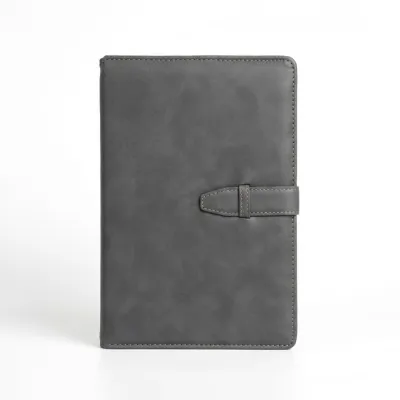
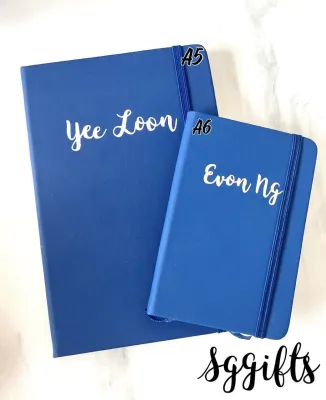
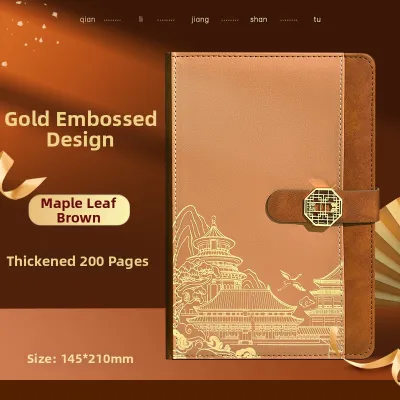
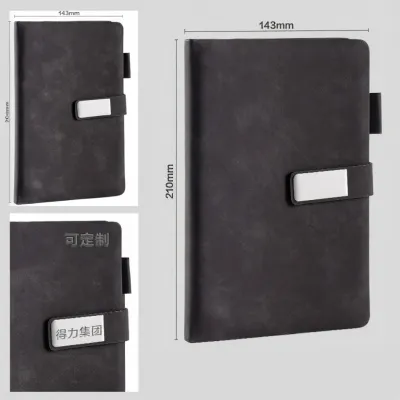
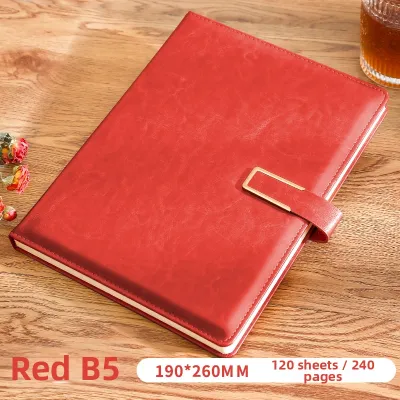
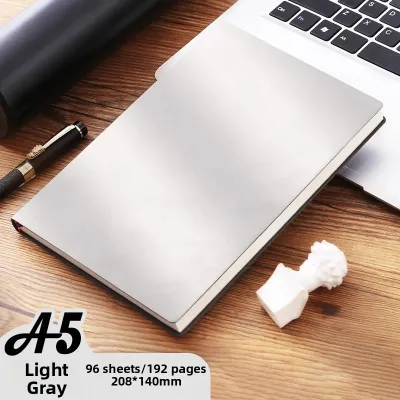
Prices are valid at publication and may change. Please refer to the product page for the latest price.

Paper Weight (GSM) and Thickness
Grams per Square Meter (GSM) is the standard measure of paper weight. Standard notebook paper typically ranges from 70 GSM to 120 GSM, while premium sketchbooks or journals can go up to 160 GSM. In humid climates, paper naturally absorbs ambient moisture, which can weaken paper fibers. Consequently, choosing a higher GSM (at least 90 to 100 GSM) is crucial for personalized notebooks to prevent warping, cockling, and ink bleed-through. Thicker paper also provides the necessary structural integrity to support heavy cover embellishments or double-sided printing without the design showing through on the reverse side.
Surface Texture and Tooth
The “tooth” of the paper refers to its microscopic surface roughness. Highly textured paper, such as laid or cold-pressed paper, offers a classic, tactile feel that is highly desirable for sketching or luxury stationery. However, this texture can interfere with personalization. For example, custom stickers or foil stamping may not adhere evenly to textured surfaces, leading to peeling or flaking. Conversely, ultra-smooth or hot-pressed paper provides a uniform surface that ensures sharp digital printing, clean foil lines, and smooth pen glides, making it the preferred choice for detailed graphic designs.
Brightness and Opacity
Paper brightness determines how colors reflect off the page. High-brightness paper (typically rated 90 or above on the brightness scale) ensures that custom-printed colors, logos, and illustrations appear vibrant and true to their digital proofs. Opacity, on the other hand, measures how much light passes through the sheet. Low opacity leads to “ghosting,” where writing or printing on one side is visible on the other. For personalized planners or journals where both sides of the page are utilized, high opacity is essential to maintain readability and a clean aesthetic.
Matching Paper Types to Popular Personalization Techniques
Different customization methods place unique physical demands on notebook paper. Aligning your paper selection with your specific personalization technique is the most effective way to avoid material failures.
Foil Stamping and Blind Debossing
Foil stamping and blind debossing use heated metal dies to press metallic foil or recessed designs directly into the notebook cover or pages. This process subjects the paper to intense heat and pressure. To withstand this without tearing or cracking, the paper must have high density and excellent internal sizing (the chemical agents added during papermaking to bind fibers together). Soft, low-density papers will flatten out over time, losing the crisp edges of the debossed design, while brittle papers may crack under the heat.
Digital and Offset Printing
If your personalization involves printing custom layouts, logos, or background patterns on the inner pages, the paper’s surface coating is critical. Coated papers (such as matte or gloss coatings) restrict ink absorption, keeping the ink on the surface to produce sharp lines and vibrant colors. Uncoated papers absorb ink more deeply, which can cause “dot gain”—a phenomenon where printed dots expand, leading to slightly blurry text or muted colors. For high-resolution digital printing, look for smooth, treated uncoated papers designed specifically for digital press compatibility.
Hand-Lettering and Custom Illustrations
For notebooks personalized by hand using calligraphy, brush pens, or fountain inks, bleed resistance and drying speed are paramount. The paper must be heavily sized to prevent wet inks from feathering along the paper fibers. If the paper lacks sufficient sizing, the ink will spread outward like a sponge, ruining clean lines. Smooth, non-porous papers are ideal for brush pens as they prevent the delicate felt tips from fraying, whereas a slight tooth is preferred for pencil, charcoal, or pastel illustrations to hold the dry pigments in place.
How to Evaluate and Test Notebook Brands Before Bulk Ordering
When planning a personalized notebook project, especially for corporate events or retail lines where budgets can range from S$5 to over S$50 per unit, physical verification is essential. Relying solely on digital mockups or spec sheets can lead to costly mistakes.
Requesting Physical Samples
Before placing a bulk order, contact your supplier or search online marketplaces to request physical sample swatches or “dummy” books. A dummy book is an unprinted sample of the exact notebook structure, paper stock, and binding you plan to use. This allows you to physically feel the paper weight, test the flexibility of the spine, and verify that the cover material is compatible with your planned personalization.
Conducting In-House Stress Tests
Once you have the physical samples, conduct a series of systematic stress tests using the exact tools and media you plan to use for personalization:
- The Ink Test: Write or print on the paper using your target pens or inks. Observe the drying speed, check for feathering along the edges, and turn the page to inspect for ghosting or bleed-through.
- The Adhesion Test: If using custom stickers, labels, or foil, apply them to the cover and pages. Let them sit for 24 hours, then check for peeling, bubbling, or lifting, especially along curved edges or near the spine.
- The Durability Test: Open and close the notebook repeatedly, flexing the spine to ensure the binding holds up and the pages do not pull away. Fold individual pages to check if the paper cracks along the fold line.
Verifying Consistency and Labels
Examine the product packaging or manufacturer specification sheets for quality indicators. Look for acid-free or archival-grade labels, which guarantee the paper will not yellow or degrade over time. Verify the grain direction of the paper; the grain should run parallel to the spine. If the grain runs perpendicular, the pages will resist turning, buckle in high humidity, and feel stiff. Finally, check for reputable environmental certifications, such as the Forest Stewardship Council (FSC), to ensure the paper is sustainably sourced.
Decision Framework: Which Paper Profile Fits Your Custom Project?
To finalize your notebook selection, match your primary project goals and budget to one of the following paper profiles:
Profile 1: High-Impact Digital Printing
- Best For: Custom planners, branded corporate notebooks, and full-color graphic layouts.
- Specifications: 90–120 GSM, ultra-smooth or light matte coated paper, high brightness (90+), and high opacity.
- Result: Sharp, vibrant color reproduction with zero feathering and minimal ghosting.
Profile 2: Luxury Tactile Embellishments
- Best For: High-end executive gifts, bespoke journals, and premium foil-stamped covers.
- Specifications: 120–160 GSM, dense uncoated cotton-blend or heavily sized paper, rich natural or off-white tone.
- Result: Deep, crisp debossing and excellent foil adhesion with a premium, heavy feel in the hand.
Profile 3: Everyday Writing and Budget Bulk Giveaways
- Best For: Promotional event giveaways, student notebooks, and mass-market journaling.
- Specifications: 80–90 GSM, standard uncoated paper with moderate tooth, cream or white finish.
- Result: A classic, comfortable writing experience for ballpoint pens and pencils at a cost-effective price point.
Important Verification: If your personalization project involves unconventional adhesives, heavy wet media (like watercolors), or non-standard binding methods (such as exposed stitching or disc-bound systems), always consult directly with your printing vendor or the notebook manufacturer before finalizing your order.
Frequently Asked Questions (FAQ)
Does recycled paper work well for personalized notebooks?
Recycled paper can be an excellent, eco-friendly choice for personalized notebooks, but it comes with specific material trade-offs. Because recycled paper is made from pre- and post-consumer waste, the wood fibers are shorter and have been processed multiple times. This can result in slight surface irregularities, higher ink absorption rates, and lower structural limits for deep embossing or foil stamping. As a result, custom-printed colors may appear slightly more muted, and foil may not adhere with the same precision as it would on virgin fiber paper. To ensure success, always request a physical sample of the specific recycled blend from your supplier to test how it handles your customization techniques.
What is the minimum paper weight recommended for foil stamping?
While a general industry guideline suggests using paper or cover stock of at least 120 GSM—and often much higher, such as 250 to 300 GSM for notebook covers—there is no universal minimum weight for foil stamping. The success of the stamp depends heavily on the paper’s density, fiber composition, and the specific temperature and pressure settings of your printing vendor’s machinery. Thin or low-density papers are prone to tearing, warping, or showing unsightly indentations on the reverse side under the heat and pressure of the stamping die. To avoid these issues, consult your printing vendor early in the design process to match your paper selection with their specific machinery requirements.
Community discussion
Share your experience or ask a question. Comments are reviewed before publication.