
Finding the perfect note books in Singapore comes down to pairing your writing instruments with the right paper characteristics rather than relying on brand prestige alone. While premium European notebooks offer excellent durability, Japanese specialty paper focuses on tactile feedback and ink resistance, and everyday utility options provide cost-effective choices for standard ballpoints. The ideal choice depends entirely on whether you write with a wet fountain pen, a precise gel pen, or a graphite pencil.
Paper quality is not a one-size-fits-all specification. A notebook that feels luxurious to a pencil sketcher might cause a fountain pen user’s ink to feather and bleed through the page. By understanding how paper weight, texture, and coating interact with different inks, you can easily find a notebook that elevates your daily writing experience.
Quick Guide: Matching Notebook Brands to Your Writing Needs
Selecting a notebook is highly subjective and depends entirely on your primary writing or drawing tools. To help you narrow down your choices quickly, consider these common user profiles and brand pairings:
Products mentioned in this guide
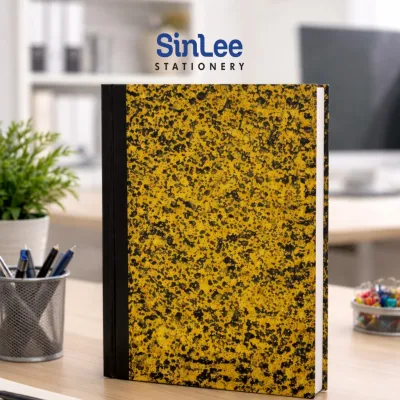
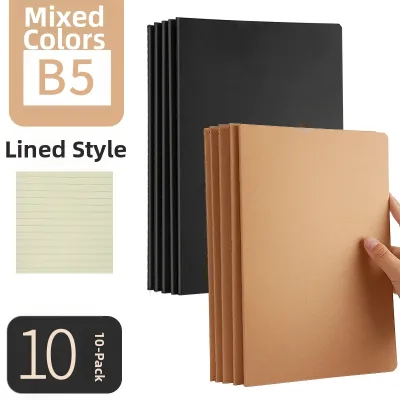
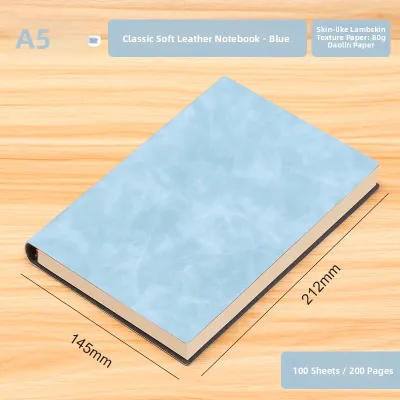
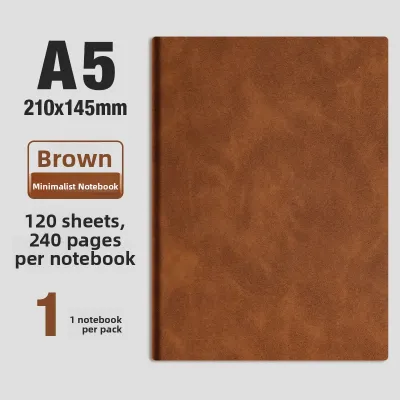
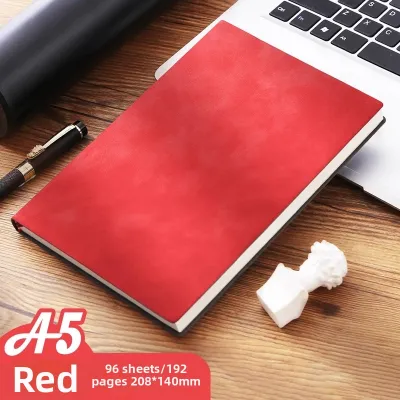
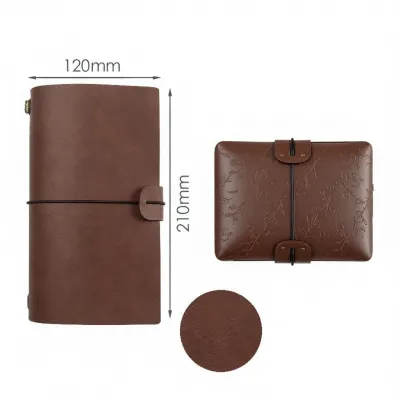
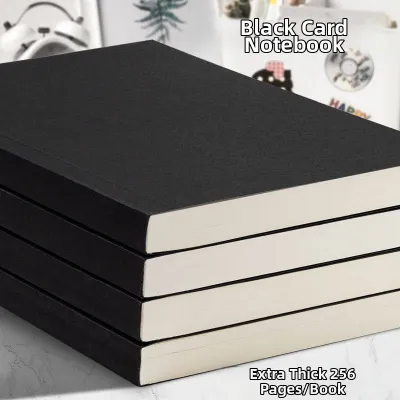
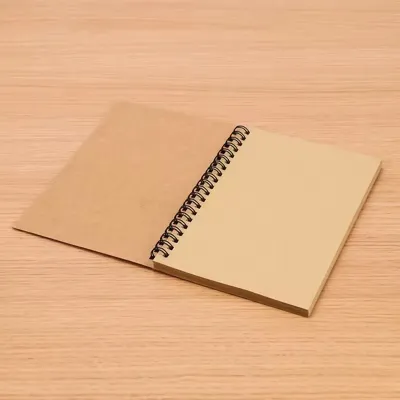
Prices are valid at publication and may change. Please refer to the product page for the latest price.
- Choose Premium Coated or High-GSM European Brands (e.g., Rhodia, Leuchtturm1917) if you primarily write with fountain pens, heavy gel pens, or rollerballs. These brands offer excellent ink resistance, minimizing bleed-through and preserving crisp line edges.
- Choose Japanese Specialty Brands (e.g., Midori MD, Hobonichi) if you prefer a tactile feel with pencils, use fine-tip drawing pens, or enjoy lightweight, ultra-thin paper that still manages to resist ink feathering.
- Choose Everyday Utility Brands (e.g., Muji or local stationery staples) if you take high-volume, casual notes with standard ballpoints or gel pens. These are cost-effective options that are easily replaceable and perfect for daily task lists.
Ultimately, the “best” notebook is the one that accommodates your specific pen-and-paper pairing. Brand prestige alone does not guarantee a pleasant writing experience if the paper’s physical properties conflict with your chosen writing instrument.
How to Evaluate Paper Quality Beyond the Brand Name
Brand reputation is often a poor indicator of how a notebook will handle your specific writing tools. Many established brands outsource their paper production to different mills across various product lines, leading to surprising performance discrepancies. To make an informed choice, you must learn to read product specifications and evaluate the physical characteristics of the paper itself.

Understanding Paper Weight (GSM) and Thickness
Paper weight is measured in GSM, which stands for grams per square meter. This metric indicates the density and thickness of the paper, directly influencing its opacity and durability. Knowing the GSM range of a notebook helps you predict how it will handle different mediums before you even touch the page.
- 50 to 60 GSM: This is lightweight, thin paper. While it allows notebooks to remain compact and portable, it is highly prone to show-through (ghosting), meaning you will easily see your writing on the reverse side of the page.
- 80 GSM: This is the standard weight for everyday writing and office paper. It offers a balanced compromise between notebook thickness and opacity, performing well with standard ballpoints and gel pens.
- 100+ GSM: This is heavyweight paper. It provides excellent opacity and structural integrity, making it the ideal choice for heavy ink applications, felt-tip markers, and light watercolor washes.
Surface Texture, Coating, and Tooth
Texture refers to the tactile feel of the paper surface, which ranges from glass-like smoothness to a rough, grainy finish. This characteristic is determined by how the paper is manufactured and whether any coatings are applied to the surface.
Coated or sized paper has a thin protective layer (often containing clay or starch) that prevents ink from sinking deep into the paper fibers. This keeps the ink on the surface, resulting in vibrant colors, crisp lines, and excellent sheen for specialty inks, though it increases drying times. Uncoated paper retains its natural fibers, offering more “tooth” or texture. This friction is highly desirable for graphite pencils and charcoal, as it physically shaves off particles of the writing core to create dark, clear lines.
When shopping in-store, gently run your fingertips across the page to gauge its texture. When purchasing online, look for terms like “vellum” (slightly textured), “laid” (textured grid lines), or “wove” (smooth and uniform) in the product descriptions.
Ink Resistance and Bleed-Through Factors
When evaluating paper for wet inks, it is crucial to distinguish between bleed-through and feathering. Bleed-through occurs when ink penetrates completely through the paper, appearing as spots or full lines on the reverse side. Feathering occurs when ink spreads horizontally along the paper fibers, making fine lines look fuzzy and bloated.
These issues are not caused by paper weight alone; they depend heavily on the paper’s chemical sizing and fiber density. A highly sized, low-GSM paper can resist bleed-through better than a thick, unsized paper. Additionally, your pen’s wetness and nib size play a massive role. A wet fountain pen with a broad nib will demand far more ink resistance from paper than a dry, fine-point gel pen.
Paper Characteristics of Popular Note Books in Singapore
Singapore’s stationery market offers an impressive array of local and international notebook brands. Each brand targets a specific writing style, utilizing distinct paper mills and manufacturing techniques. Understanding these general profiles will help you navigate the shelves of local bookstores and online marketplaces.
Premium European Notebooks
Premium European brands are widely celebrated for their archival quality, elegant designs, and structured layouts. They typically utilize acid-free paper ranging from 80 to 100 GSM, designed to resist yellowing and degradation over time.
- Rhodia: Rhodia notebooks are famous for their high-quality, ultra-smooth paper sourced from Clairefontaine mills. This paper is heavily clay-coated, offering exceptional ink resistance. Gel pens glide effortlessly across the surface, and fountain pen inks resist feathering entirely. However, this slick coating results in significantly longer drying times, which can lead to smudging if you write quickly.
- Leuchtturm1917: A staple in the bullet journaling community, Leuchtturm1917 uses an 80 GSM cream-colored paper. It has a slightly absorbent, toothy texture that provides satisfying feedback when writing. While it handles most gel pens and ballpoints beautifully, very wet fountain pens or heavy markers may experience moderate ghosting and occasional bleed-through. For those using wet media, the brand's specialized 120 GSM edition offers a much sturdier alternative.
- Moleskine: Despite its global popularity, classic Moleskine notebooks utilize a relatively thin 70 GSM ivory paper. This paper is highly absorbent and lacks heavy sizing. Consequently, it is prone to significant feathering and bleed-through when paired with fountain pens, rollerballs, or wet gel inks. It is best reserved for dry media, standard ballpoints, or light pencil sketching. If you prefer this brand but use wet inks, look specifically for their heavier-weight "Art Collection" variants.
Japanese Specialty and Minimalist Notebooks
Japanese stationery is legendary for its meticulous paper engineering. These brands prioritize the sensory experience of writing, offering papers optimized for specific writing instruments and highly technical ink formulations.
- Midori MD: Midori MD paper is uncoated and features a distinct, warm cream hue. It is engineered to offer a slight touch of friction, providing excellent feedback for pencils and a highly controlled flow for fountain pens. Despite being uncoated, it is remarkably resistant to bleed-through and feathering, making it a favorite among serious writers who appreciate a tactile connection to the page.
- Hobonichi (Tomoe River Paper): Hobonichi planners and notebooks are famous for using Tomoe River paper (and its modern Sanzen-produced successor). This paper is incredibly thin at roughly 52 GSM, allowing thick planners to remain remarkably light. Despite its thinness, heavy sizing prevents ink from bleeding through, making it highly prized by fountain pen enthusiasts. The main trade-offs are pronounced ghosting (the writing on the other side is highly visible) and very slow ink drying times.
- Muji: Muji offers an accessible entry point into Japanese paper design with several distinct lines. Their high-quality plantation paper notebooks are surprisingly smooth and fountain-pen friendly, offering great value for money. Their standard recycled paper options are more fibrous and absorbent, making them ideal for everyday ballpoints but less suitable for wet, liquid inks.
Everyday Utility and Local Stationery Options
For high-volume writing, student lectures, or rough drafting, local retail outlets and major bookstores in Singapore offer a wide selection of utility notebooks. These typically feature standard 70 to 80 GSM paper.
These utility notebooks are highly cost-effective and designed for practical, everyday use. They perform exceptionally well with standard ballpoint pens, which rely on thick, oil-based inks that do not easily penetrate paper fibers. However, because these budget-friendly lines are sourced from various regional paper mills, quality can vary significantly between batches. It is always wise to test a single notebook before purchasing a large pack for school or office use.
Pairing Your Pens and Tools with the Right Paper
Achieving an optimal writing experience requires matching the physical properties of your writing tool to the surface characteristics of your paper. Misaligning these elements can result in smudged text, distorted line widths, or damaged paper fibers.
Fountain Pens and Wet Inks
Fountain pens deposit a relatively large volume of liquid, water-based ink onto the page. To handle this moisture without ruining your work, you need heavily sized or coated paper, typically in the 80 to 100+ GSM range.
If you use highly absorbent, uncoated paper, the liquid ink will rapidly wick into the fibers. This causes severe feathering, turning a precise fine nib into a thick, blurry line, while also causing the ink to bleed through to the next page. Coated papers like Rhodia or highly engineered thin papers like Tomoe River keep the ink pooled on the surface, allowing the ink’s natural shading and sheen properties to shine as it dries.
Gel Pens, Ballpoints, and Fineliners
These popular everyday tools are highly versatile and perform consistently across a wide variety of paper types. Standard 80 GSM paper is generally the sweet spot for these instruments.
- Gel Pens and Fineliners: These tools use water- or pigment-based gel inks that dry relatively quickly. They glide smoothly on almost any surface, though they can occasionally ghost on very thin papers under 60 GSM.
- Ballpoint Pens: Because ballpoint pens use a highly viscous, oil-based ink, they require a tiny amount of surface friction to make the ball bearing roll smoothly. If you write with a ballpoint on an extremely slick, clay-coated paper, the pen may skip or fail to start. A slightly textured, uncoated paper provides the perfect amount of grip.
- Alcohol-Based Markers: If you use art markers, be aware that alcohol-based inks will easily bleed through almost any standard notebook paper, regardless of the brand. To prevent ruining subsequent pages, you must use specialized marker paper or heavy cardstock exceeding 150 GSM.
Pencils, Charcoal, and Dry Sketching Media
Dry media operates on a completely different physical principle than ink. Pencils and charcoal require surface texture—often referred to as “tooth”—to physically abrade the writing core and hold the graphite or carbon particles in place.
If you attempt to draw with a pencil on highly smooth, coated paper designed for fountain pens, the graphite will have nothing to cling to. This results in faint, light lines that smudge with the slightest touch of your hand. For graphite, colored pencils, or charcoal, always opt for uncoated, slightly textured paper that offers a tactile, toothy grip.
Step-by-Step Decision Framework for Your Next Notebook
When you are ready to purchase your next notebook from a local store in Singapore or an online marketplace, use this step-by-step framework to ensure you get the perfect match for your needs.
- Identify Your Primary Writing Tool: Determine if you will mostly write with a wet fountain pen, a standard gel pen, a ballpoint, or a mechanical pencil. Note the wetness of your preferred ink.
- Check the Product Label for Specifications: Look for the paper weight (GSM) and the paper finish (coated vs. uncoated). Aim for 80+ GSM for general ink work, and look for explicit "fountain pen friendly" labels if using wet inks.
- Evaluate the Binding and Lay-Flat Ability: Thick, high-GSM paper is stiff and requires robust, high-quality binding to stay open. Look for thread-sewn (Smyth-sewn) or twin-wire binding if you want the notebook to lay completely flat on your desk without snapping shut.
- Perform a Small-Scale Test: If you are investing in an expensive premium brand, consider buying a pocket-sized or A6 version first. Test your wettest pens on the back pages. To protect the rest of your notebook during testing, place a scrap piece of thick cardstock or plastic sheet directly beneath the page to catch any accidental ink bleed.
- Consider Archival Needs and Climate: Singapore's high relative humidity can cause cheap, highly acidic paper to yellow and deteriorate rapidly. If you are journaling for the long term or keeping professional records, ensure the notebook specifications explicitly state "acid-free" or "archival-grade" paper to preserve your writing.
Frequently Asked Questions (FAQ)
Does higher GSM always mean better paper quality?
No, a higher GSM simply means the paper is heavier and thicker, which helps prevent show-through and supports heavy ink or marker applications. It is not an automatic indicator of overall quality. For example, Tomoe River paper is highly celebrated for its premium quality and exceptional ink resistance despite being incredibly thin at just 52 GSM, while some cheap, heavy sketchpads can feather wet ink instantly.
How can I test a notebook for ink bleed-through before buying in bulk?
To test a new notebook brand, purchase a single pocket-sized version first. Find a page at the very back of the book and write a few test lines using your wettest pen and ink combination. Let the ink dry completely, then check the front of the page for any fiber feathering and inspect the reverse side to see if any ink has spotted or bled through the paper fibers.
Community discussion
Share your experience or ask a question. Comments are reviewed before publication.