
Finding the right notebooks for your child’s daily schoolwork in Singapore involves looking beyond the cover design to evaluate physical paper specifications and construction. Because children use a variety of writing tools—ranging from dark graphite pencils to wet gel pens—and often apply heavy writing pressure, the ideal notebook must resist ink bleed-through and withstand frequent erasing. Rather than relying on brand names alone, parents can secure the best performance by checking the paper weight, surface texture, and binding style to match their child’s specific classroom needs.
Understanding Paper Weight and Texture for Schoolwork
Paper weight, measured in grams per square meter (GSM), is the primary indicator of how well a page resists ink penetration and physical wear. Standard school exercise books often feature paper weights between 60 GSM and 70 GSM, which work well for light pencil work but frequently allow gel pens and highlighters to show through on the reverse side. For daily schoolwork involving diverse writing tools, selecting notebooks with a paper weight of 80 GSM or higher provides a sturdier barrier that minimizes shadow-through and prevents ink from bleeding onto the next page. In Singapore’s humid climate, paper can also absorb ambient moisture, which slightly softens the fibers and makes lower-GSM paper even more susceptible to tearing and ink feathering.
The surface texture, or “tooth,” of the paper also plays a critical role in writing comfort and legibility. Highly polished, ultra-smooth paper reduces friction, allowing gel pens to glide effortlessly, but it can cause graphite to smudge and slow down ink drying times, leading to messy hands and smeared homework. Conversely, paper with a slight texture provides the necessary resistance for pencils, helping early learners control their strokes and develop proper grip pressure. For younger children who are still mastering pencil control, a slightly toothy paper helps slow down their hand movements, leading to better letter formation and neater schoolwork.
Products mentioned in this guide
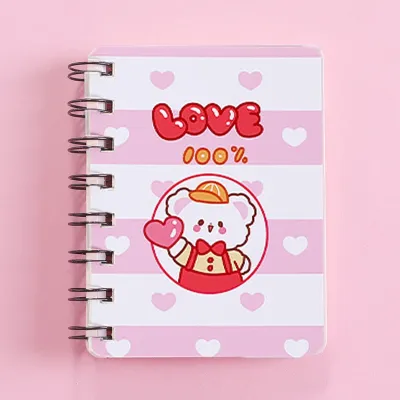
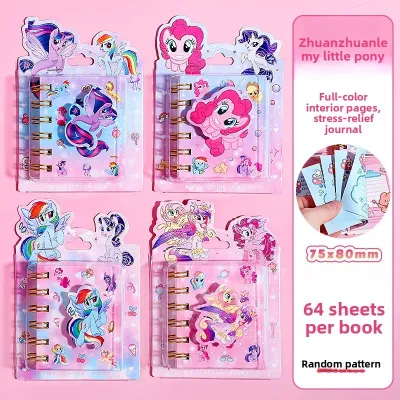
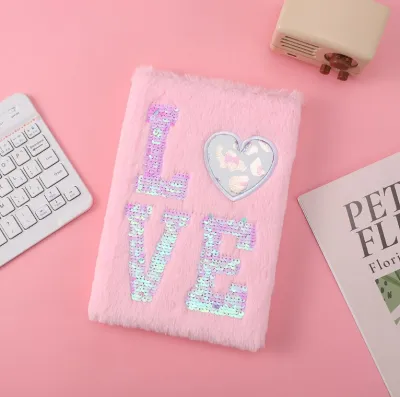
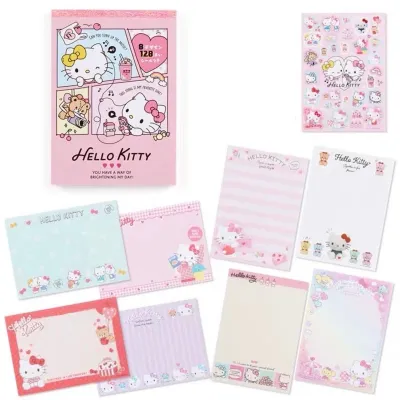

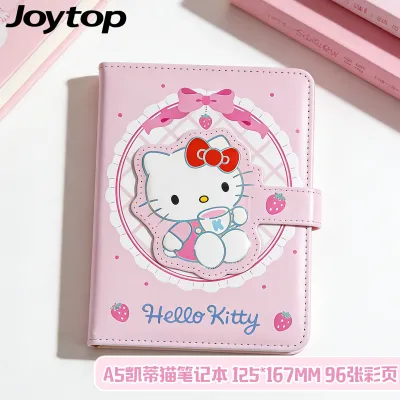
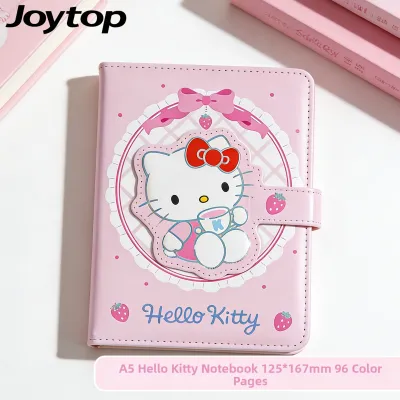
Prices are valid at publication and may change. Please refer to the product page for the latest price.
Another key factor is paper brightness and tint, which directly impacts eye strain during long study sessions. Stark white paper reflects a high amount of harsh fluorescent light, which can tire young eyes during evening homework sessions. Opting for off-white, cream, or soft ivory tones offers a gentler contrast that improves readability and helps children maintain focus without experiencing visual fatigue. This is especially true under the bright LED lights common in modern Singapore classrooms and study areas, where glare can quickly cause eye fatigue.
Choosing the Right Binding and Cover for Daily Wear
A notebook’s binding determines how well it survives the daily commute in a crowded school backpack and how easily a child can write across the entire page. Wire-bound or spiral notebooks excel at laying completely flat on classroom desks, allowing students to utilize the entire writing surface comfortably. However, the wire coils can catch on other items in a bag, and pages can easily tear out if handled roughly, making them less ideal for permanent subject notes. For primary school students who frequently pack and unpack their bags throughout the day, a sturdy binding prevents the notebook from becoming dog-eared and worn within the first few weeks of the school term.

Stitched or thread-sewn bindings offer excellent durability and a traditional book-like feel, ensuring that pages remain securely attached even with frequent handling. These notebooks can lay relatively flat when pressed open, and they lack the sharp metal or plastic edges of spiral options. Glued bindings, while often more affordable, tend to crack over time under heavy use, which can lead to loose pages falling out mid-semester. Stitched exercise books also stack neatly together, making it easier for teachers to collect and grade assignments in bulk without bulky metal spirals getting in the way.
The cover material serves as the first line of defense against spills, moisture, and bending. Heavy-duty plastic or polypropylene covers provide excellent water resistance and protect inner pages from damp water bottles or sudden rain showers during the commute. Stiff cardboard or hardcover options offer a solid writing surface when a desk is unavailable, though they add extra weight to a child’s school bag compared to lightweight, flexible softcovers. A water-resistant cover is particularly valuable during the monsoon seasons in Singapore, where sudden downpours can easily damp the contents of a school backpack during the daily commute.
Matching Notebook Paper to Your Child's Writing Tools
Different stages of education require different writing instruments, and matching the paper to these tools prevents frustration and ruined assignments. Early primary school students primarily use graphite pencils, which require paper with a slight surface tooth to shave off the graphite and create clear, dark lines. If the paper is too smooth or thin, erasing mistakes can easily tear the page or leave deep, permanent indentations that make rewriting difficult. When children use soft graphite pencils (such as 2B pencils, which are standard for optical answer sheets and early writing in Singapore), the paper must be robust enough to handle repeated erasing without thinning out.
As students transition to ballpoint and gel pens for daily assignments, ink absorption becomes a primary concern. Standard gel pens deposit a significant amount of liquid ink onto the page, which can feather or spread outward on low-quality, highly absorbent paper. To maintain neat handwriting, look for medium-weight paper that absorbs ink quickly enough to prevent smudging but is dense enough to stop the ink from spreading horizontally. If the paper fibers are too loose, the gel ink will spread along the fibers—a phenomenon known as feathering—which makes the writing look fuzzy and less legible to teachers.
For older students using fountain pens, calligraphy pens, or heavy felt-tip markers, specialized high-GSM or coated paper is essential. These wet-ink tools will easily bleed through standard school paper, ruining the reverse side of the sheet and potentially staining the pages underneath. Choosing paper labeled as fountain-pen friendly or opting for thick sketch-grade paper ensures that wet ink remains crisp and contained on a single side. While these artistic tools are less common for standard math or science homework, they are frequently used for creative writing projects and art diaries, requiring a dedicated high-GSM notebook.
Practical Checks Before Buying Note Books for Kids
When shopping for school supplies in Singapore, taking a few moments to inspect the packaging can save you from purchasing unsuitable notebooks in bulk. Look for clear manufacturer specifications printed on the back cover or product label, specifically checking for the GSM rating and the paper source. If the packaging lacks a GSM rating, the paper is likely on the thinner side and may not perform well with wet inks or heavy erasing. Many reputable brands will clearly state if their paper is acid-free or optimized for specific pen types.
If you are shopping in a physical retail store, you can perform a simple opacity check by holding a single page up to the overhead store lighting. If you can clearly see the outline of your hand or the text from the page behind it, the paper is highly translucent and will likely suffer from severe show-through. If possible, bring your child’s favorite school pens to the store and test them on a sample page or the very back sheet of a single notebook to observe drying speed and bleed-through firsthand. This quick test can prevent the frustration of buying a whole pack of notebooks that smudge instantly.
When browsing online marketplaces or e-commerce platforms, pay close attention to customer reviews that specifically mention paper thickness and ink behavior. Look for feedback from other parents regarding how well the pages handle gel pens or whether the binding holds up after a few weeks of school use. Avoid listings that omit paper weight specifications entirely, as these products often prioritize low cost over paper density and durability. Checking the seller’s return policy for bulk stationery orders is also a wise precaution.
Decision Guide: Selecting the Best Notebook Setup
To find the right balance of durability and paper quality, consider a few key scenarios based on your child’s daily school routine:
- For maximum durability and flat writing: Choose a wire-bound notebook with a thick polypropylene cover. This setup is ideal for older children who need to lay their work flat on small desks and require a cover that resists water and wear.
- For lightweight portability and secure pages: Select a stitched softcover notebook. The sewn binding keeps pages intact throughout the school year, while the flexible cover keeps the school bag light and easy to carry.
- For wet ink and heavy pen use: Verify the product label for a high-GSM rating (80 GSM or above) before purchasing. This is crucial if your child regularly uses gel pens, highlighters, or fountain pens for their schoolwork.
- When to avoid a purchase: If a notebook lacks clear GSM labeling, feels excessively thin or translucent to the touch, or relies solely on cheap glued binding, it is best to pass on it to avoid torn pages and ink-stained homework.
Frequently Asked Questions (FAQ)
How can I prevent pages from tearing when my child erases mistakes?
To minimize tearing during erasing, select notebooks with a paper weight of at least 80 GSM and a smooth, sized surface that resists friction. Standard school paper can easily wear thin under heavy rubbing, so pairing dense paper with high-quality, soft polymer erasers is essential. Teach your child to hold the page flat and taut with one hand while erasing gently in a single direction, rather than scrubbing back and forth with heavy pressure. This simple habit protects the paper fibers from breaking down.
Are recycled paper notebooks suitable for daily schoolwork?
Recycled paper notebooks can be suitable for daily schoolwork, but they require careful selection because the recycling process shortens paper fibers. This fiber shortening can make the paper more absorbent, leading to increased ink feathering and bleed-through when using gel pens or highlighters. To ensure a good writing experience, check the specific GSM rating of recycled options, aiming for at least 80 GSM, and verify that the paper has been treated with a surface sizing agent to control ink absorption. Testing a single notebook before buying in bulk is highly recommended.

Community discussion
Share your experience or ask a question. Comments are reviewed before publication.