
To start an authentic aespa collection without overspending, focus on a single standard mini-album and the official lightstick as your baseline essentials. These items offer the highest utility for fandom participation, concert attendance, and physical appreciation. By prioritizing these core pieces and establishing a structured budget, you can build a meaningful collection that fits your living space and financial limits.
Collecting merchandise from your favorite K-pop group is an exciting way to celebrate their music and connect with the community. However, the sheer volume of available items—ranging from physical music releases to limited-edition apparel—can quickly become overwhelming for newcomers. By focusing on practical value, verifying authenticity, and choosing smart storage solutions, you can enjoy a rewarding hobby without unnecessary financial strain.
Quick Start: The Baseline aespa Essentials
Beginning your collection journey does not require purchasing every item bearing the group’s name. Instead, a successful starter collection relies on a few high-value, versatile pieces that maximize your connection to the music and the fandom. The absolute baseline for any new fan consists of the official lightstick and one standard mini-album. These two items represent the core of fandom participation, serving both as interactive tools for live events and as physical anchors for your home display.
Products mentioned in this guide



![aespa WEEK #RichMan - [POSTCARD HOLOGRAM PHOTO CARD SET] (GISELLE)](https://img.lazcdn.com/g/p/d3f4e073a456b765972c38bda02ff7a0.jpg_400x400q80.jpg_.webp)

Prices are valid at publication and may change. Please refer to the product page for the latest price.
The official lightstick, often referred to by fans as the “Ae-bong,” is the ultimate symbol of fandom identity. It is designed specifically for interactive use during concerts, where its internal Bluetooth technology syncs with the venue’s central lighting system to create a unified crowd experience. A standard mini-album, on the other hand, provides the physical media of the music, a high-quality photobook filled with concept photography, and your very first official collectible photocard. Together, these items establish your presence in the fandom and offer immediate aesthetic and practical satisfaction.
When starting out, it is crucial to understand the distinction between official merchandise and unofficial fan-made goods. Official merchandise is licensed and produced directly by the group’s management agency, SM Entertainment. These items feature official branding, high-quality manufacturing standards, and hold stable collector value on secondary markets. Unofficial fan-made goods, such as custom keychains, fan art prints, or unofficial apparel, are created by independent artists. While fan-made items are often highly creative and budget-friendly, they do not carry official collector status and cannot be used for interactive concert lighting.
To keep your initial collecting journey organized and intentional, use this baseline checklist to track your purchases and avoid duplicate buys:
- Official Lightstick: One unit, purchased from an authorized distributor, to be kept in its original packaging when not in use at live events.
- Standard Mini-Album: One copy of the latest or your favorite release, choosing the version that features your preferred concept art.
- Protective Storage: A small set of acid-free plastic sleeves and a compact binder to preserve the paper goods included with your album.
Budgeting Strategies to Avoid Overspending
Collecting can easily lead to impulsive spending if you do not establish clear financial boundaries before you begin browsing. The fast-paced nature of K-pop release cycles, known as comebacks, can create a false sense of urgency. To maintain control over your finances, set a strict monthly or per-comeback budget limit in S$ before exploring online marketplaces or local physical stores. For example, allocating a modest budget of S$40 to S$80 per comeback allows you to comfortably secure a standard album and basic protective stationery without impacting your essential living expenses.

One of the most important decisions a new collector faces is whether to buy sealed albums or purchase individual photocards directly from secondary markets. Understanding the cost-effectiveness of each approach can save you a significant amount of money over time:
- Sealed Albums: Buying a sealed album gives you the complete unboxing experience, including the physical CD, the photobook, posters, and a random selection of photocards. While exciting, relying solely on sealed albums to collect your favorite member's photocards is highly inefficient and expensive, as it often requires buying multiple copies of the same album.
- Individual Photocards: Purchasing specific photocards from local secondary marketplaces or fan trading circles is highly targeted. If you only want to collect cards of a specific member, buying individual cards (typically ranging from S$5 to S$15 depending on rarity) is far more cost-effective than purchasing multiple sealed albums. However, this method requires patience and careful verification of the seller's credibility.
To maximize your budget, consider the shipping efficiency of your purchases. Buying single items from international authorized retailers often incurs high shipping fees that can equal or exceed the cost of the item itself. To mitigate this, look for local authorized retailers within Singapore or join organized group orders (GOs) run by reputable fanbases. Group orders allow multiple fans to pool their purchases together, significantly reducing the international shipping cost per person. The trade-off is a longer waiting time, as the group coordinator must receive, sort, and distribute the items locally once they arrive.
Evaluating Must-Have Merch Categories
Evaluating the primary merchandise categories helps you decide which specific types of items fit your current goals, budget, and physical living space. Not all merchandise categories offer the same level of utility or ease of storage, making it essential to weigh their pros and cons before purchasing.
Official Lightsticks and Apparel
Official lightsticks and apparel represent the most visible forms of fandom participation. The lightstick is an essential investment if you plan to attend live concerts, offering unmatched interactive utility. However, outside of live events, its practical use is limited to home display, and its bulky, irregular shape requires dedicated shelf space. Official apparel, such as hoodies, t-shirts, and caps, offers excellent daily utility as wearable fashion. The trade-off is the higher price point, often exceeding S$60 to S$90 per item, and the need for careful washing and maintenance to prevent the printed graphics from cracking or fading over time.
Albums and Physical Media
Physical music releases come in several distinct formats, each catering to different space constraints and budgets. Standard photobook versions offer the best visual value, containing large-format concept photos and substantial paper inclusions, but they take up significant shelf space. Digipacks or case versions are highly compact and budget-friendly, typically focusing on a single member, making them ideal for collectors with limited storage. Digital, QR, or platform albums are the ultimate space-saving option; they contain no physical CD and instead feature a digital download code alongside a small selection of photocards, making them perfect for compact Singapore apartments.
Photocards and Paper Goods
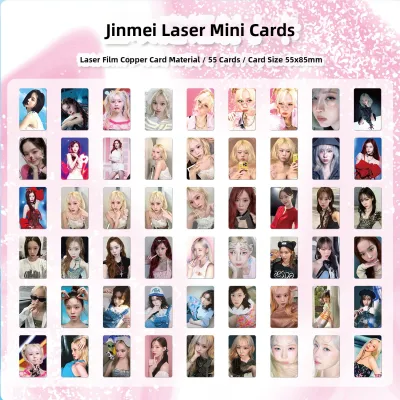
Photocards and paper goods are the most popular and accessible entry points into collecting. Because they are flat and standardized in size, they require minimal storage space and are highly affordable. To start a photocard collection properly, invest in a dedicated pocket binder and high-quality protective sleeves. Beyond photocards, official stationery items such as stickers, folders, and notebooks are highly practical. These items allow you to integrate your fandom into your daily school or office work, providing excellent utility at a fraction of the cost of larger merchandise categories.
What to Skip or Delay Buying
As a new fan, it is easy to fall into the trap of thinking you need to buy every product associated with the group. To protect your budget and avoid collector’s burnout, there are several low-priority or highly expensive categories that you should actively skip or delay buying until your collection is well-established.
First, avoid limited-edition collaboration items, bulky home goods, and out-of-print seasonal greetings. Brand collaborations and lifestyle products often carry premium price tags simply due to their limited production runs, offering very little practical value for a beginner. Seasonal greetings, which include calendars and planners, lose their functional utility once the relevant year has passed, yet they often command high resale markups on secondary markets due to their out-of-print status.
Second, resist the common temptation to buy multiple identical copies of the same album version just to collect all the random photocard variations. This practice quickly leads to financial strain and leaves you with excess physical albums that are difficult to store or resell. Instead, buy a single copy of your preferred version and utilize local fan trading communities to swap your duplicate cards for the ones you actually want.
Finally, avoid importing rare or older out-of-print items from overseas sellers early in your collecting journey. International transactions carry hidden risks, including high shipping fees, potential customs duties, and the risk of transit damage. As a beginner, focus on items that are readily available through local distributors or trusted local collectors to minimize these financial risks.
Verifying Authenticity on Online Marketplaces
Because of the high demand for aespa merchandise, counterfeit items are common on online marketplaces and secondary trading platforms. Protecting yourself from purchasing fake goods requires a systematic approach to verifying the physical and structural details of the items before completing a transaction.
When evaluating physical albums and lightsticks, look for specific visual and structural indicators of authenticity. Official albums and merchandise always feature a reflective, holographic KOMCA (Korea Music Copyright Association) sticker or an official distributor sticker on the back of the packaging. These stickers have unique serial numbers and patterns that shift under direct light. Counterfeit items often lack these stickers entirely, or feature dull, non-reflective prints. Additionally, inspect the print quality of the packaging; fake goods frequently exhibit blurry images, off-center text alignment, or incorrect fonts that differ from official promotional images.
For the official lightstick, the most reliable verification method is its Bluetooth connectivity. Official lightsticks are engineered to connect seamlessly to the official concert mobile application via Bluetooth for seat mapping and interactive lighting control. Before purchasing a secondhand lightstick, ask the seller to provide a video demonstrating the device successfully pairing with the official app. If the lightstick fails to connect or cannot change colors through the app, it is highly likely to be a counterfeit.
When buying from individual sellers on online marketplaces or social media trading circles, always verify their credibility by following these steps:
- Check Review History: Look for sellers with a history of positive feedback specifically for K-pop merchandise transactions.
- Request Proof of Purchase: Ask the seller to provide the original digital receipt or physical invoice from the authorized retailer where they bought the item.
- Demand Custom Proof Photos: Request a photo of the item placed next to a handwritten note containing the seller's username and the current date to ensure they physically possess the item.
- Cross-Reference Distributors: Always check the official distributor lists provided on the group's official social media channels to confirm if the source store is authorized.
Frequently Asked Questions (FAQ)
Do I need to buy every aespa album version released?
No, you do not need to purchase every version of an album. K-pop albums are typically released in multiple versions, which share the same audio tracks but feature different concept photography, photobook layouts, and random photocard pools. For a new collector, the most practical approach is to view the online concept teasers before the album release, select the single version that appeals to you the most visually, and focus your budget on that choice. You can always decide to collect other versions gradually over time if your budget permits.
Are unofficial fan-made aespa items worth collecting?
Unofficial fan-made items can be a wonderful, budget-friendly addition to your collection, but they serve a different purpose than official merchandise. Fan-made goods, such as custom stickers, fan art prints, and keychains, allow you to support independent creators and personalize your daily items at a low cost. However, because they lack official licensing, they do not hold resale value or official collector status. If your goal is to build a structured collection that retains its value, prioritize official releases and use fan-made items purely for casual, personal enjoyment.
How should I store and protect my aespa photocards?
To preserve the condition and value of your paper-based merchandise, proper storage is essential. Always store your photocards in acid-free, PVC-free polypropylene sleeves; standard PVC sleeves contain chemicals that degrade paper and ink over time, causing yellowing or sticking. Once sleeved, place your cards in a dedicated pocket binder with protective pages. Because Singapore’s tropical climate features high relative humidity, keep your binders stored away from direct sunlight and damp areas. Placing a few small silica gel packs inside your storage boxes or binder drawers will help absorb excess moisture and prevent the paper from warping.
Community discussion
Share your experience or ask a question. Comments are reviewed before publication.