
Choosing your first set of model paints can feel overwhelming, especially when navigating the distinct product lines offered by Mr. Hobby. For most beginners, the decision between Mr. Hobby’s water-based acrylics (Aqueous Hobby Color) and their solvent-based lacquers (Mr. Color) comes down to your physical workspace, your chosen application method, and your safety setup. If you are painting in a shared indoor space or a typical high-density apartment where strong chemical odors are a concern, the acrylic line is the most practical and forgiving starting point. Conversely, if you have access to a dedicated workshop equipped with a spray booth and an airbrush, the lacquer line provides a highly durable finish with rapid drying times.
Understanding how these two paint types behave under different conditions will help you avoid common beginner mistakes, such as ruined plastic parts or clogged airbrushes. By evaluating your immediate environment and project goals, you can select the paint line that matches your current setup while ensuring a safe and enjoyable modeling experience.
Understanding the Base Chemistry and Handling Traits
The fundamental difference between Mr. Hobby’s acrylic and lacquer paint lines lies in their chemical composition, which directly dictates how they dry, smell, and react to solvents. The Aqueous Hobby Color line consists of water-soluble acrylic resins suspended in a mild alcohol-and-water base. This composition makes the paint relatively mild in odor and allows for thinning with water or specialized acrylic thinners. Because the solvent carrier is less aggressive, it is highly forgiving on various plastic surfaces and does not easily damage underlying paint layers.
Products mentioned in this guide
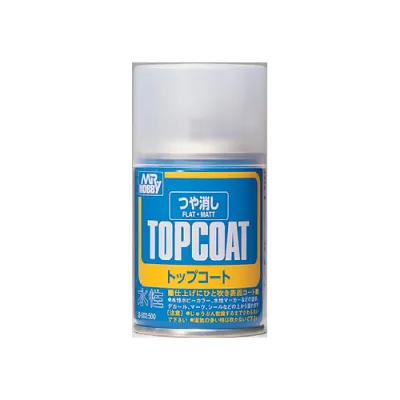
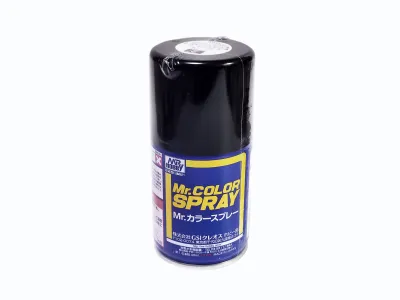
Prices are valid at publication and may change. Please refer to the product page for the latest price.
In contrast, the Mr. Color lacquer line utilizes an organic solvent-based acrylic resin. The term ‘lacquer’ in scale modeling typically refers to these strong solvent-based paints rather than traditional cellulose lacquers. The aggressive solvent carrier in these paints allows them to bite slightly into the plastic surface, creating an exceptionally strong bond. However, this chemical strength comes with a highly distinct, pungent odor that requires active management.
Drying and curing are two distinct phases that behave differently across both lines. Lacquer paints dry incredibly fast as the volatile solvents evaporate almost instantly upon contact with the air. A lacquer coat can often be dry to the touch within minutes, though it still requires several hours to cure completely into a hardened state. Acrylic paints dry much slower because water and mild alcohols evaporate at a lower rate, especially in humid environments. An acrylic layer might remain tacky for an hour or more and can take several days to fully cure and achieve its maximum hardness.
Brush and Airbrush Application Traits for Beginners
When applying paint with a traditional hand brush, Mr. Hobby’s acrylics generally offer a more user-friendly experience for beginners. The slower drying time of acrylics allows the paint to level out naturally on the surface, which helps minimize the appearance of unsightly brush marks. You can easily thin the paint with a few drops of water or proprietary acrylic thinner to achieve a smooth, milky consistency. Hand brushing lacquers, on the other hand, is notoriously difficult for beginners because the rapid evaporation rate causes the paint to dry on the brush bristles mid-stroke, often leaving heavy textures and dragging previous layers.

For airbrushing, both paint lines perform exceptionally well, but they require different techniques and thinning ratios. Lacquer paints are highly favored by experienced modelers for airbrushing because their thin pigment structure and rapid drying times reduce the risk of runs and sags. When properly thinned with a compatible lacquer thinner, Mr. Color flows smoothly through fine nozzles with minimal risk of dry-tipping—a common issue where paint dries on the needle tip and blocks the flow. Acrylic paints can also be airbrushed beautifully, but they require careful monitoring of thinning ratios and may require the addition of a paint retarder to slow down drying at the nozzle tip.
Cleanup procedures highlight another major practical difference between the two lines. Cleaning up after an acrylic painting session is straightforward and can be accomplished using water, isopropyl alcohol, or mild acrylic cleaners. This makes the process quick and low-stress, particularly if you are working at a temporary desk or kitchen table. Cleaning lacquer paint requires strong, specialized lacquer thinners that can quickly dissolve dried paint residue. These cleaning solvents carry the same strong odors and safety considerations as the paints themselves, requiring careful handling during the teardown of your airbrush.
Assessing Your Workspace and Safety Requirements
Before purchasing your first jars of paint, it is essential to evaluate whether your workspace can safely accommodate the chemical properties of each line. Mr. Hobby’s lacquer paints contain volatile organic compounds (VOCs) that pose inhalation risks if used in enclosed spaces without proper protection. If you plan to spray lacquers, you must wear a properly fitted respirator equipped with organic vapor cartridges, as standard dust masks or surgical masks offer no protection against chemical fumes. Nitrile gloves are also recommended to prevent the strong solvents from absorbing through your skin.
Ventilation is a critical factor, especially for modelers living in compact spaces or high-density apartments where cross-ventilation may be limited. Spraying lacquer paints indoors requires a dedicated spray booth that vents directly to the outside through a window. Without this active extraction, solvent fumes will quickly accumulate in the room, creating an unpleasant and potentially hazardous environment for you and other occupants. Acrylic paints, while significantly safer and lower in odor, still produce fine airborne particulates when airbrushed, meaning a basic particulate mask and a well-ventilated room are still highly recommended.
Safe storage and disposal are the final safety considerations for any hobbyist. Lacquer thinners and solvent-based paints are highly flammable and must be stored in a cool, dry place away from direct sunlight or heat sources. Used paper towels, cotton swabs, and cleaning rags soaked in lacquer thinner should be placed in a sealed metal container or disposed of according to local hazardous waste guidelines rather than thrown directly into household trash. Acrylic waste is generally easier to manage, but liquid paint residues should still be allowed to dry completely or absorbed into paper towels before disposal to protect local water systems.
Evaluating Final Finish, Durability, and Topcoat Rules
The visual results and physical durability of your finished model are heavily influenced by the paint line you select. Mr. Hobby’s lacquer line is renowned for producing an incredibly smooth, thin, and durable finish. Because the paint layer is exceptionally thin, it preserves fine surface details, panel lines, and rivets without filling them in. The cured lacquer surface is highly resistant to physical handling, scratches, and the aggressive adhesives found on masking tapes, making it ideal for complex, multi-colored paint schemes.
Acrylic paints offer excellent color vibrancy and opacity, but the resulting paint film is generally softer and more delicate than lacquer. An acrylic finish can be prone to chipping or peeling if handled roughly or subjected to heavy masking tape before it has fully cured. However, modern acrylic formulations have closed this gap significantly, providing a highly satisfactory finish for display models that will not undergo frequent handling. When it comes to specialty finishes, such as high-gloss automotive coats or bright metallics, lacquers generally deliver a more reflective and uniform metallic sheen due to the way the metallic flakes align in the fast-drying solvent.
Understanding topcoat compatibility is vital to preventing chemical reactions that can ruin days of hard work. A fundamental rule of scale modeling is that stronger solvents must not be applied over weaker, uncured paint layers. Because lacquer thinners are highly aggressive, spraying a lacquer-based clear coat directly over a fresh acrylic paint job can dissolve or wrinkle the underlying acrylic layer. If you choose to mix paint types on a single project, always apply your lacquer layers first, allow them to cure completely, and then apply your acrylic layers or mild acrylic topcoats over the top.
Final Decision: Which Paint Line Fits Your Setup?
To make your final decision, assess your current modeling environment and tools against these practical scenarios:
Choose the Aqueous acrylic line if:
- You paint in a shared living space, bedroom, or apartment without dedicated outdoor ventilation.
- You primarily apply paint using hand brushes rather than an airbrush.
- You prefer a low-odor setup with simple cleanup using water or mild alcohols.
- Your budget does not currently accommodate safety equipment like a respirator and an extraction spray booth, which can easily cost between S$100 and S$300.
Choose the Mr. Color lacquer line if:
- You have a dedicated workshop or a reliable spray booth that vents directly outdoors.
- You plan to do the vast majority of your painting with an airbrush.
- You require maximum surface durability to handle complex masking, weathering washes, and frequent handling.
- You want to achieve highly reflective gloss finishes or specialized metallic effects.
Before starting any project, always verify the material of your model kit. Some plastics, particularly ABS plastic often used in certain inner frames or specialty kits, can become brittle and crack when exposed to the strong solvents found in lacquer paints and thinners. Checking the manufacturer warnings on your kit box will help you determine if you need to apply a protective acrylic primer before using lacquer-based products.
Frequently Asked Questions (FAQ)
Can I mix Mr. Hobby acrylic and lacquer paints together?
No, you should never mix Mr. Hobby Aqueous acrylics and Mr. Color lacquers together in the same mixing cup or airbrush reservoir. Because they use entirely different chemical bases and solvent carriers, attempting to mix them will cause the paint resins to curdle, forming a thick, clumpy sludge that will instantly ruin your brushes or clog your airbrush. If you want to use both paint types on the same model, you must apply them in separate, fully cured layers, ensuring that the milder acrylic paint is applied over the cured lacquer layer rather than the other way around.
Do I need a specific thinner for Mr. Hobby paints?
Yes, using the correct thinner is essential to preserve the chemical integrity of the paint binder. For Aqueous Hobby Color acrylics, you should use water, isopropyl alcohol, or the manufacturer’s dedicated aqueous thinner. For Mr. Color lacquers, you must use a compatible lacquer thinner, such as Mr. Thinner or leveling thinners designed specifically for hobby paints. Avoid using generic hardware store lacquer thinners, as these industrial solvents are often too aggressive and can melt the polystyrene plastic of your model kit.

Community discussion
Share your experience or ask a question. Comments are reviewed before publication.