
Daily affirmations have transitioned from a niche self-care practice into a mainstream tool for mental clarity, focus, and emotional resilience. In a fast-paced urban environment like Singapore, where professional and personal demands can easily lead to cognitive overload, taking a brief moment to pause is essential. Physical motivation cards offer a tangible, screen-free anchor for these moments, allowing individuals to ground themselves before starting a busy day or winding down after a long evening.
Unlike digital notifications that can easily be swiped away and forgotten, a physical card deck invites a tactile interaction that engages the senses. Holding a card, feeling its texture, and placing it on a desk creates a physical ritual that reinforces the positive message printed on it. Whether you are looking to establish a personal daily mindfulness practice or searching for a meaningful, encouraging gift for a colleague or loved one, selecting the right deck requires looking beyond surface-level aesthetics.
This guide explores how to evaluate motivation card sets based on physical construction, thematic alignment, and sourcing methods. By understanding what makes a deck durable, readable, and resonant, you can make an informed decision that fits seamlessly into your daily routine or serves as a cherished gift.
Products mentioned in this guide
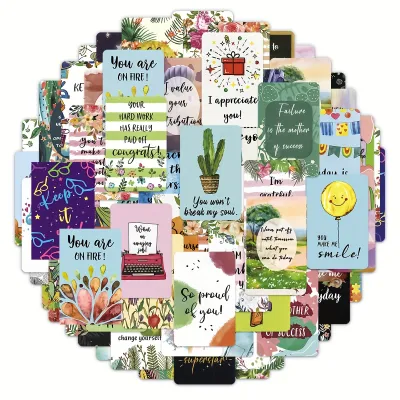
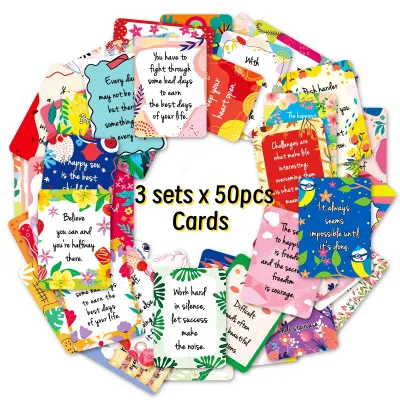
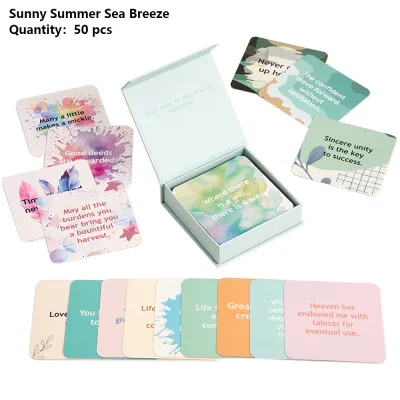
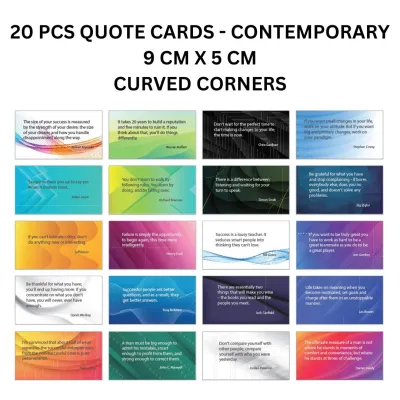
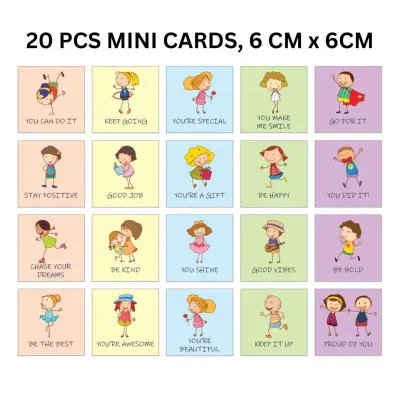
Prices are valid at publication and may change. Please refer to the product page for the latest price.
How to Evaluate Motivation Card Sets
When choosing a motivation card set, the physical quality of the deck is just as important as the words printed on them. Because these cards are designed to be handled daily, shuffled, and displayed, they must withstand regular wear and tear without losing their visual appeal. Evaluating the material specifications, print quality, and packaging will ensure you select a deck that remains a functional part of your routine for years.
The first structural element to consider is the paper stock thickness, which is typically measured in grams per square meter (gsm). High-quality card decks generally use paper stock ranging from 300 gsm to 350 gsm or higher. This thickness provides a satisfying weight in the hand, prevents the cards from bending easily, and ensures they do not crease during shuffling. Decks made from thin paper stock (under 250 gsm) often feel flimsy, wear out quickly at the edges, and can easily tear, making them less suitable for long-term daily use.
The finish of the paper also plays a significant role in both durability and readability. Matte finishes are highly recommended for daily affirmation cards because they eliminate glare from overhead office lights or bright sunlight, making the text easy to read from various angles. Matte surfaces also resist fingerprint smudges, maintaining a clean appearance over time. Glossy finishes, while vibrant in color, can reflect light harshly and show scratches or oily fingerprints more readily. Some premium decks feature a soft-touch or linen finish, which adds a luxurious, tactile texture that enhances the overall sensory experience of drawing a card.
Edge treatment is another critical detail that affects the longevity of the deck. Cards with sharp, square corners are highly susceptible to fraying, peeling, and bending over time as they rub against each other or the inside of the storage box. Rounded corners are much more durable because they distribute the friction of handling evenly, keeping the edges intact even after hundreds of draws. Some high-end decks also feature gilded or foiled edges (such as gold, silver, or rose gold), which not only add a premium aesthetic but also provide a protective barrier against moisture and edge wear.
Print clarity and typography are essential for ensuring that the affirmations are easily readable at a glance. The text should feature high-contrast typography—such as dark lettering on a light background or vice versa—to prevent eye strain, especially during early morning or late-night reflections. The font choice should be clean and legible; overly ornate or script-heavy fonts can be difficult to decipher quickly. Additionally, check for color consistency across the entire deck; high-quality printing ensures that the background hues and design elements do not vary wildly from card to card, which can be a sign of poor production standards.
Finally, evaluate the packaging and included accessories. Because motivation cards are often kept on display or stored safely when not in use, the box should be robust. A two-piece rigid box or a magnetic-closure box offers the best protection against dust and Singapore’s high humidity, which can cause paper to warp if left exposed. Many decks also include a small wooden or acrylic display stand, allowing you to prop up your daily card on a desk, vanity, or bedside table. If a stand is not included, look for decks that come with a soft linen or velvet drawstring pouch, which makes the cards highly portable for travel or commuting.
Matching Card Themes to Your Daily Routine
The effectiveness of a daily affirmation practice depends heavily on how well the themes of the cards align with your personal goals, emotional needs, and daily schedule. Different decks focus on distinct psychological areas, such as gratitude, confidence, or stress relief. Matching these themes to specific times of the day can help you build a highly effective and sustainable self-care routine.

Morning mindfulness and gratitude themes are ideal for starting your day with positive intent. These cards typically feature prompts that encourage appreciation for the present moment, focus on personal strengths, and foster an optimistic outlook. Drawing a gratitude card first thing in the morning—perhaps while waiting for your coffee to brew or sitting at your vanity—helps prime your brain to notice positive experiences throughout the day. This practice can shift your mindset away from immediate morning anxieties or the anticipation of a stressful commute, replacing those thoughts with a sense of calm and purpose.
For those facing professional, academic, or personal growth challenges, confidence and resilience themes are highly beneficial. These cards focus on overcoming self-doubt, embracing mistakes as learning opportunities, and reinforcing self-worth. The language on these cards is often empowering and action-oriented, designed to combat imposter syndrome and boost motivation before a major presentation, exam, or difficult conversation. Keeping a deck of this style on your office desk or study table allows you to draw a card whenever you feel your focus wavering or your confidence dipping, serving as a quick mental reset during high-pressure hours.
Evening reflection and emotional regulation themes are specifically designed for winding down at the end of the day. These cards often focus on self-compassion, letting go of things beyond your control, and releasing physical and mental tension. The prompts may encourage you to reflect on what went well, forgive yourself for shortcomings, and transition into a restful state of mind. Placing an evening-focused deck on your nightstand provides a healthy, screen-free alternative to scrolling through your phone before sleep, helping to signal to your brain that it is time to relax and recover.
Where to Find and Verify Card Decks in Singapore
Sourcing motivation cards in Singapore requires a balance of exploring physical retail spaces for tactile verification and navigating online platforms for a wider variety of themes. Because paper quality and print clarity are highly subjective, knowing how to verify these details before making a purchase will save you from disappointment.
To experience the physical quality of card decks firsthand, consider visiting local independent bookstores, design-focused stationery boutiques, and lifestyle concept stores. These physical retail spaces often curate a selection of high-quality, aesthetically pleasing decks from independent designers and international publishers. Visiting these shops allows you to feel the weight of the cardstock, inspect the finish, and see the true colors of the designs under natural light. It also gives you the opportunity to support local retail curation and discover unique, lesser-known decks that may not be heavily advertised online.
If you prefer the convenience of online shopping, major e-commerce platforms and local online marketplaces offer an extensive selection of motivation cards. However, the digital space requires extra caution to avoid low-quality, unauthorized reprints. Always look for official brand stores, verified mall sellers, or authorized local distributors when browsing online. Unauthorized copies often suffer from pixelated text, thin and flimsy paper, spelling mistakes, and poorly glued packaging. Purchasing from reputable sellers ensures that you receive an authentic product that meets the designer’s original quality standards.
Before clicking the checkout button, make it a habit to cross-reference the product descriptions for exact specifications. Reliable listings will explicitly state the card dimensions (such as standard playing card size of 63.5 x 88.9 mm, or larger tarot card size of 70 x 120 mm), the exact card count, and the paper weight in gsm. If a listing lacks these basic details or uses vague terms like “high-quality paper” without specifying the weight, it is best to proceed with caution or ask the seller for clarification.
Another invaluable tool for online shoppers is the customer review section, specifically the user-uploaded photos and videos. While professional product photography can make any deck look pristine, customer photos reveal the true state of the product upon arrival. Look at these images to verify the actual print quality, color accuracy, and whether the box arrived damaged or dented. Pay attention to reviews from local buyers in Singapore, as they can provide insights into how well the packaging holds up during local delivery and how the cards react to the local humid climate over time.
Gifting vs. Personal Use: What to Prioritize
Whether you are purchasing a motivation card set for your own daily practice or as a thoughtful gift for someone else, your selection priorities and budget allocation should adjust accordingly. Understanding these differences helps you maximize the value of your purchase and ensures the deck serves its intended purpose effectively.
When buying a deck for personal use, prioritize content resonance, ergonomic handling, and long-term durability over elaborate packaging. The most important factor is how deeply the written prompts connect with your personal mental health or productivity goals. If the messages do not speak to you, even the most beautiful deck will sit unused on a shelf. Ergonomics are also crucial; if you plan to shuffle and draw cards daily, the deck should fit comfortably in your hands. Opt for durable, heavy-weight cardstock with rounded corners that can withstand frequent handling without showing signs of wear.
For gifting, the focus shifts toward the unboxing experience, visual aesthetics, and complementary accessories. A gift should feel special from the moment it is unwrapped. Look for decks that come in premium, sturdy boxes with elegant design details like gold foil accents, magnetic closures, or artistic illustrations. Decks that include a beautiful wooden display stand or a detailed companion guidebook make excellent gifts because they provide a complete, ready-to-use setup. The visual style of the deck should also match the recipient’s personal taste, whether they prefer minimalist modern designs, vibrant botanical illustrations, or classic vintage aesthetics.
Evaluating the price-to-value ratio in S$ can help you determine the appropriate spending tier for different occasions. Casual gifts, such as office secret Santa exchanges, teacher appreciation tokens, or small gestures of encouragement for a friend, typically fall in the S$15 to S$30 range. In this tier, you can find many charming, well-designed decks with standard cardstock and simple packaging. For major milestones, birthdays, or premium self-care investments, budgets of S$40 to S$60 or more are appropriate. This higher tier often features luxury decks with heavy-weight paper, gilded edges, custom-carved wooden stands, and highly detailed guidebooks, offering a truly premium experience.
Frequently Asked Questions (FAQ)
How many cards should a good motivation deck have?
The ideal card count depends on your personal habits and how often you want to repeat the affirmations. Smaller decks, typically containing 30 to 40 cards, are excellent for focused, monthly cycles where you repeat the same messages to deeply internalize them. Larger decks, ranging from 50 to over 100 cards, offer greater variety and prevent early mental fatigue or predictability. If you enjoy a fresh perspective every day without quick repetition, a larger deck is highly recommended. Conversely, if you prefer to meditate deeply on a single concept for a week, a smaller, highly curated deck is often more effective.
Are digital affirmation cards a good alternative to physical decks?
While digital affirmation apps offer convenience, portability, and automated daily notifications directly to your smartphone, they lack the tactile benefits of physical card decks. Physical cards provide a deliberate, screen-free moment of reflection, which is highly beneficial for reducing digital eye strain and mental fatigue. The physical act of drawing a card, feeling its texture, and placing it on a desk creates a sensory anchor that helps ground your thoughts in the physical world. For a truly mindful self-care routine, physical decks are generally superior, though digital alternatives remain useful for quick reminders while traveling.

Community discussion
Share your experience or ask a question. Comments are reviewed before publication.