
Quick Answer: Is the 2026-2027 Moleskine Paper Worth the Premium?
When selecting a high-end journal, the 2026-2027 moleskine collection remains a global benchmark for design, offering iconic rounded corners, a durable oilcloth cover, and an expandable inner pocket. However, whether its premium price tag is justified depends almost entirely on your choice of writing instrument and your tolerance for ink show-through.
Moleskine notebooks typically feature ivory-colored, 70 gsm (grams per square meter) acid-free paper. This formulation is highly optimized for dry writing media such as ballpoint pens, low-flow gel pens, and graphite pencils, offering a smooth surface with just enough tactile feedback. For these everyday tools, the writing experience is fluid, predictable, and exceptionally comfortable.
Conversely, if you prefer fountain pens, heavy rollerballs, or wet ink markers, the standard Moleskine paper often falls short of expectations. The relatively lightweight 70 gsm paper is prone to feathering (where ink spreads along the paper fibers) and bleed-through (where ink penetrates to the opposite side of the page). In Singapore’s humid tropical climate, paper naturally absorbs ambient moisture over time, which can further exacerbate these ink-absorption issues.
Products mentioned in this guide
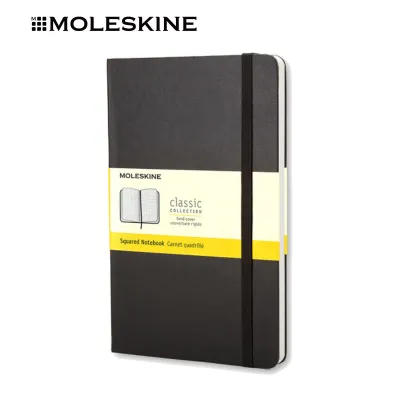
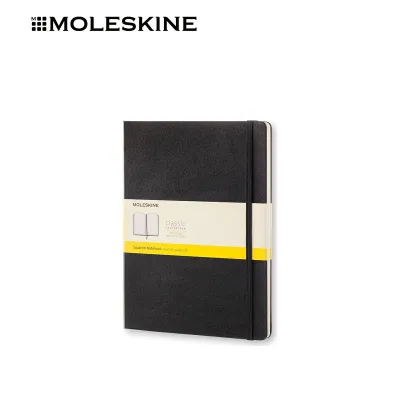
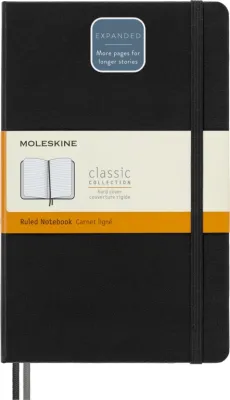
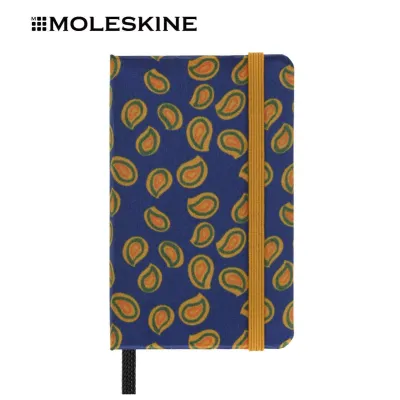
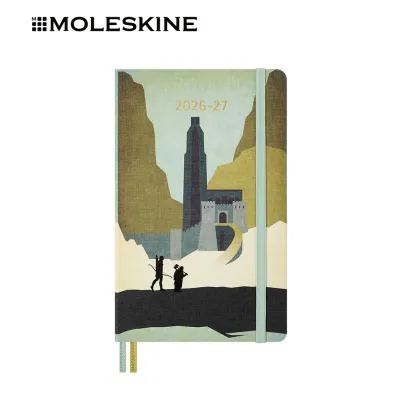
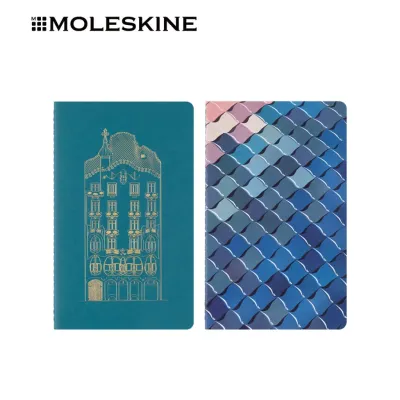
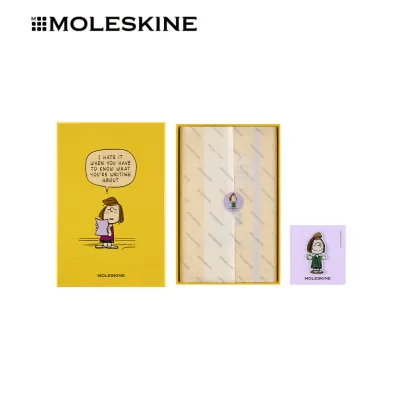
Prices are valid at publication and may change. Please refer to the product page for the latest price.
Ultimately, the premium is worth paying if you value brand prestige, design consistency, and a highly portable notebook for dry-pen writing or sketching. If your daily workflow revolves around wet inks, calligraphy, or heavy layering, alternative premium brands available in Singapore offer specialized, higher-weight paper that provides a superior technical performance at a similar or lower price point.
Core Paper Dimensions: What to Check Before You Buy
To make an informed decision, you must look past marketing terminology and understand the objective metrics that govern paper performance. Evaluating these specifications allows you to predict how a notebook will handle your preferred writing tools before you ever make a purchase.

Paper Weight (GSM)
Grammage, measured in Grams per Square Meter (GSM), is the standard metric for paper thickness and density. Standard premium notebooks generally range from 70 gsm to 120 gsm, though specialized art journals can exceed 160 gsm.
- 70 gsm to 80 gsm: This is the sweet spot for lightweight portability. It keeps the notebook profile slim and easy to carry, but offers lower opacity, meaning you will likely see the shadow of your writing on the reverse side of the page.
- 90 gsm to 100 gsm: This mid-weight range offers a noticeable increase in opacity and structural integrity. It handles broader pen tips and darker inks with significantly reduced shadow effect.
- 120 gsm and above: This heavy-grade paper is designed to withstand heavy ink applications, watercolor washes, and intensive sketching without warping or transferring ink to subsequent pages.
Sizing and Surface Coating
Sizing refers to the chemical treatment applied to paper during manufacturing to regulate its fluid absorbency. Paper can be internally sized (mixing additives into the pulp) or surface-sized (applying a coating to the finished sheet).
Highly sized paper resists water absorption, forcing the ink to sit on top of the page rather than soaking into the fibers. This preserves crisp line edges, prevents feathering, and showcases ink characteristics like shading and sheen. However, because the ink must dry via evaporation rather than absorption, drying times are significantly longer—a critical factor to consider in humid environments.
Unsized or lightly sized paper acts like a sponge, drawing ink deep into its structure. While this results in virtually instantaneous drying times, it also causes the ink lines to spread outward, losing their sharp definition and frequently bleeding through the sheet.
Tooth and Surface Texture
Tooth describes the physical roughness or micro-texture of the paper surface. The level of tooth dictates how much friction you feel as your pen or pencil glides across the page.
Smooth, hot-pressed paper minimizes friction, allowing fine-liner pens and gel rollers to glide effortlessly without catching. This is ideal for fast, cursive handwriting and highly detailed technical drawings.
Textured paper, often referred to as having a medium or heavy tooth, provides resistance. This friction is essential for graphite pencils, colored pencils, and charcoal, as it physically shears off the writing material from the core, leaving a rich, dark line with excellent tonal control.
Bleed-Through vs. Show-Through
It is vital to distinguish between these two common paper behaviors when evaluating notebook quality, as they impact usability in different ways.
Bleed-through occurs when ink physically saturates the paper fibers and penetrates completely to the reverse side, often staining the subsequent page. This renders the back of the written sheet completely unusable and is considered a major performance failure.
Show-through, also known as ghosting, is an optical phenomenon where the writing on one side is visible through the paper due to low opacity, even though the ink has not physically broken through the surface. While some writers find ghosting distracting, it does not ruin the page and is a common characteristic of lightweight premium papers, including those used by Moleskine and Tomoe River.
To verify these attributes in person, visit a local stationery boutique and perform a quick visual check. Hold a blank page up to the store’s overhead lighting; paper with high opacity will block the light effectively, indicating that it will resist show-through well under normal writing conditions.
Writing Experience: How Different Pens Perform
The interaction between paper and ink is highly dynamic. A notebook that feels exceptional with one pen may perform poorly with another, making it essential to match your paper selection to your primary writing instruments.
Fountain Pens and Wet Inks
Fountain pens require paper that can manage a high volume of water-based ink without losing line integrity. Standard Moleskine paper is generally not recommended for this medium. When subjected to fountain pen ink, the fibers tend to draw the liquid outward rapidly, causing severe feathering that turns fine lines into blurry, fuzzy strokes.
Furthermore, the ink quickly penetrates the thin 70 gsm sheet, resulting in extensive bleed-through. If you write with medium or broad fountain pen nibs, you will likely find yourself restricted to using only one side of each page.
For a dedicated fountain pen experience, look to alternative premium brands that utilize highly specialized papers. Japanese brands like Midori MD or notebooks featuring Sanzen Tomoe River paper use unique sizing formulas that keep fountain pen ink on the surface, allowing the ink to dry slowly while preserving crisp lines, vibrant colors, and spectacular sheen effects.
Gel and Rollerball Pens
Gel and rollerball pens are the staple tools of modern professionals and students. These pens use water-based or gelled inks that flow more freely than traditional ballpoint paste, offering a smooth, low-effort writing experience.
On Moleskine’s classic paper, gel pens glide beautifully. The smooth surface finish allows the rollerball tip to spin without resistance, producing clean, consistent lines. However, because Singapore experiences high relative humidity, the drying time of gel inks on slightly coated paper can be prolonged. Left-handed writers should exercise caution, as quick, continuous writing can easily lead to hand-smudging across the page.
If you use heavy rollerballs (such as 0.7mm or 1.0mm tips), you will observe moderate show-through on standard Moleskine pages. If you prefer zero ghosting, upgrading to a notebook with 80 gsm to 100 gsm paper, such as Leuchtturm1917, will provide the necessary opacity while maintaining a similarly smooth writing glide.
Ballpoint Pens and Pencils
This is the category where Moleskine’s classic paper truly excels. Traditional ballpoint pens use highly viscous, oil-based inks that require physical pressure to transfer onto the page.
The subtle tooth and soft density of Moleskine’s 70 gsm paper provide the perfect amount of resistance for these pens. The oil-based ink adheres instantly to the fibers without spreading, resulting in zero feathering, zero bleed-through, and virtually no show-through. This allows you to utilize both sides of every page fully.
Similarly, graphite pencils perform beautifully on this paper. The surface texture grabs the graphite cleanly, allowing for smooth shading and crisp lines. The paper’s acid-free composition also ensures that your pencil sketches and notes will not yellow or degrade over time, preserving your work for years.
Verification Advice
Because ink formulations vary wildly across different brands, you should always perform a personalized pen test before committing to a new notebook.
When unboxing a new journal, turn to the very last page or use the inside flap of the expandable back pocket. Draw a series of small grids, solid blocks, and cursive sentences using your favorite pens. Let the ink dry completely, then inspect the reverse side of the page under direct light to evaluate the exact levels of ghosting, bleed-through, and drying speed in your specific environment.
Beyond the Pages: Binding, Lay-Flat, and Durability
A notebook is more than just its paper; its physical construction dictates how comfortable it is to use daily and how well it survives being carried in a bag or written on without a desk.
Dimensions and Cover Compatibility
One critical detail often overlooked by buyers is the physical sizing of the notebook. While many premium brands adhere strictly to international ISO standards (such as A5, which measures 14.8 x 21.0 cm), Moleskine uses proprietary dimensions.
A standard “Large” Moleskine notebook measures 13.0 x 21.0 cm. This makes it slightly narrower than a true A5 notebook. While this slimmer profile is highly portable and fits exceptionally well into small bags, it means that standard third-party A5 leather covers, folios, and organizer sleeves will not fit a Moleskine snugly. Always verify these measurements if you plan to use an external cover system.
Lay-Flat Ability
To write comfortably near the inner margins of a notebook, the pages must lie flat at a 180-degree angle without requiring constant physical pressure to hold them down.
This behavior is determined by the binding method. Cheap notebooks use perfect binding, where individual pages are glued directly to the spine, preventing the book from opening fully without cracking. Premium notebooks, including Moleskine, use thread-sewn binding (Smyth sewn). In this construction, groups of folded pages called “signatures” are sewn together before being bound to the spine.
Moleskine’s thread-sewn binding is highly reliable, allowing the notebook to lay flat after a brief break-in period. To safely break in a new notebook, place it on a flat surface, open it to the center, and gently press down along the inner spine. Repeat this process at various intervals throughout the book to relax the binding without damaging the structural glue.
Cover Materials and Environmental Protection
The cover serves as the primary shield for your thoughts. Moleskine is famous for its hard and soft covers wrapped in a coated oilcloth (a polyurethane-coated cardboard). This material is highly durable, scratch-resistant, and provides excellent rigidity, allowing you to write comfortably on your lap or while standing.
In Singapore’s humid climate, cheap paperboard covers can absorb moisture from the air, causing them to warp or bend over time. Moleskine’s synthetic coated covers resist this environmental warping exceptionally well.
In comparison, alternative brands use a variety of cover materials:
- Leuchtturm1917: Uses a durable, textured synthetic leather hard cover that is highly resistant to moisture and wear.
- Rhodia: Offers water-resistant, coated cardstock covers on their staple-bound notebooks, which are lightweight but offer less structural support for writing on the go.
- Midori MD: Employs a minimalist, heavy paper cover wrapped in a light glassine paper jacket, prioritizing a raw, organic aesthetic over rugged outdoor durability.
Extras and Usability
Premium notebooks are defined by the small details that enhance daily usability. Moleskine sets the standard with several signature features:
- Elastic Closure Band: Keeps the notebook securely closed in your bag, preventing pages from getting bent or torn by loose items.
- Ribbon Bookmark: A single, color-matched ribbon allows you to find your place instantly.
- Expandable Inner Pocket: Located at the back cover, this fabric-reinforced cardboard pocket is perfect for storing loose receipts, business cards, or travel tickets.
While these features are highly functional, some competitors offer even more utility. For example, Leuchtturm1917 notebooks come standard with dual ribbon bookmarks, pre-printed page numbers, and a blank table of contents, which are incredibly helpful for indexing and bullet journaling.
Evaluating the Price Premium in Singapore
In the Singapore retail market, a standard Large Moleskine notebook typically retails between S$32.00 and S$45.00, depending on whether it is a classic edition, a limited-edition collaboration, or a specialty art layout. To determine if this price is justified, you must weigh the brand’s heritage against its material value.
The Brand Tax vs. Material Cost
A significant portion of Moleskine’s pricing reflects its extensive marketing heritage and iconic status. The brand positions itself as the spiritual successor to the legendary handmade notebooks used by historical artists and writers like Vincent van Gogh, Pablo Picasso, and Ernest Hemingway.
While this narrative adds emotional value and design prestige, the actual material cost of 70 gsm paper does not fully align with the high retail price. From a purely technical standpoint, you can find notebooks with heavier, fountain-pen-friendly paper (such as Rhodia or Clairefontaine) at a comparable or lower price point in Singapore.
Availability and Ecosystem
One of Moleskine’s greatest advantages in Singapore is its widespread availability. You can find Moleskine notebooks in almost every major bookstore chain, specialty stationery shop, and department store across the island, including Kinokuniya, NBC Stationery & Gifts, and various lifestyle boutiques.
This ubiquitous retail presence makes it incredibly easy to replace a finished journal, purchase matching refills, or browse new releases in person. Niche stationery brands often require online ordering, which incurs shipping fees and waiting times.
Cost-Per-Page Analysis
To calculate the true value of your notebook, look at the cost-per-page rather than the upfront retail price.
A standard Moleskine Large ruled notebook contains 240 pages. At a retail price of S$36.00, this equates to approximately S$0.15 per page.
However, if you use a fountain pen or heavy gel pen that causes severe show-through, you may find yourself unable to write on the back of the pages. This effectively cuts your usable page count in half (to 120 pages), doubling your actual cost to S$0.30 per page.
If you use wet inks, purchasing a notebook with highly opaque, 100 gsm to 120 gsm paper—even if it has fewer total pages—often yields a better cost-per-page value because you can comfortably write on both sides of every sheet.
Final Decision Framework: Which Notebook Fits Your Needs?
To choose the perfect notebook for your daily routine, match your writing habits and aesthetic preferences to the strengths of each brand.
Choose Moleskine if:
- You write primarily with ballpoints, pencils, or fine gel pens: The smooth, ivory 70 gsm paper is perfectly calibrated for these tools, offering a highly satisfying, skip-free writing experience.
- Portability and slim profile are your priorities: The proprietary 13 x 21 cm dimensions and lightweight paper make the notebook incredibly sleek and comfortable to carry in a daily commuter bag.
- You appreciate classic, understated design: The iconic rounded corners, reliable elastic band, and clean aesthetic offer a timeless look that fits perfectly in professional corporate environments.
- You value convenience: You want a standardized notebook system that you can easily purchase on a whim at almost any major shopping mall in Singapore.
Choose Alternative Premium Brands if:
- You are a fountain pen enthusiast: Brands like Midori MD, Rhodia, or notebooks featuring Tomoe River paper will handle wet inks flawlessly, preserving line crispness and showcasing ink properties without feathering or bleeding.
- You demand zero show-through: If you hate seeing the shadow of your writing on the reverse side of the page, opt for notebooks with 100 gsm to 120 gsm paper, such as Leuchtturm1917 or specialized heavy-paper journals.
- You want built-in organizational tools: If you practice bullet journaling, Leuchtturm1917’s pre-printed page numbers, dual bookmarks, and index pages save significant setup time.
- You use standard ISO A5 covers: If you own a high-quality leather folio designed for standard A5 notebooks, choosing a true A5 brand (14.8 x 21.0 cm) ensures a perfect, secure fit.
Verify First if:
- You plan to use the notebook for specialized media: If you are buying a journal for watercolor sketching, heavy marker calligraphy, or archival scrapbooking, always check the packaging or manufacturer's website to verify the specific paper treatment and GSM. Standard writing notebooks are not designed to handle wet artistic mediums.
- You are left-handed: If you write with fast-flowing gel or rollerball pens, test the paper's drying speed in Singapore's humid air to ensure you won't experience constant hand-smudging.
Final Tip
Before investing in a large, expensive journal, purchase a pocket-sized (9 x 14 cm) version of the brand you are considering. This allows you to conduct a low-cost, real-world trial of the paper quality, binding durability, and ink compatibility in your daily environment before committing to a full-sized notebook for the year.
Community discussion
Share your experience or ask a question. Comments are reviewed before publication.