
Finding the right mohair yarn in Singapore requires balancing fiber content, softness, and project requirements within your specific budget. Because local physical craft stores and online marketplaces offer a fluctuating selection of international and house brands, relying solely on brand names can be misleading. Instead, a reliable decision framework focuses on evaluating fiber blends, micron counts, and the characteristic “halo” effect. This guide provides a structured approach to comparing these options, helping you verify quality and make an informed purchase.
In Singapore’s tropical climate, knitting with mohair often centers on creating lightweight, breathable garments suitable for air-conditioned offices, or crafting items intended for travel to cooler regions. Understanding how different fibers behave under local humidity levels is key to ensuring your finished project remains comfortable and durable. By focusing on material specifications rather than marketing claims, you can find a yarn that feels pleasant against the skin and holds its shape over time.
Understanding Mohair Yarn Quality and Blends
Mohair is a natural fiber harvested from the coat of the Angora goat, celebrated for its luster, strength, and remarkable warmth. Unlike sheep’s wool, mohair fibers have flat, smooth scales that reflect light, giving the yarn a distinct sheen. However, because mohair lacks natural elasticity, it is rarely spun entirely on its own. Instead, manufacturers blend it with other fibers to provide structural integrity, improve the spinning process, and alter the texture of the finished yarn.
Products mentioned in this guide
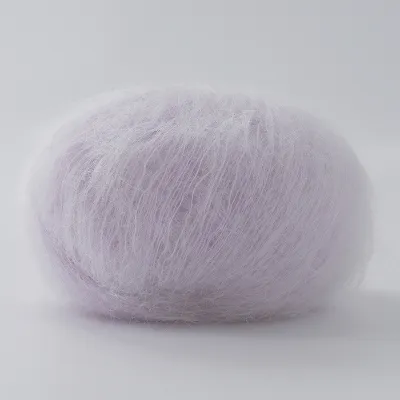
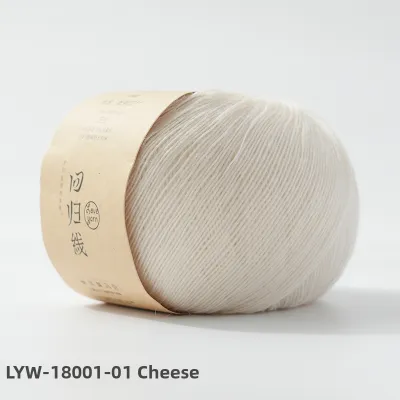
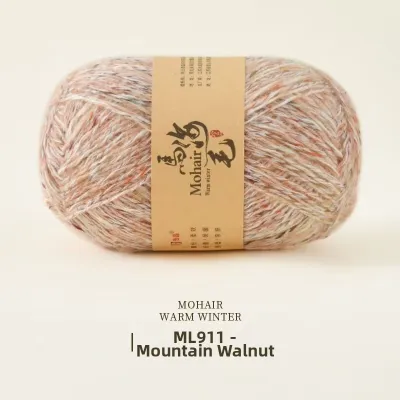
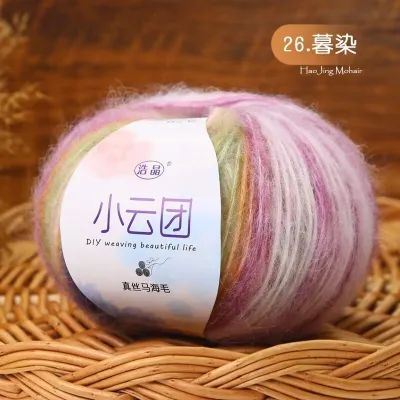
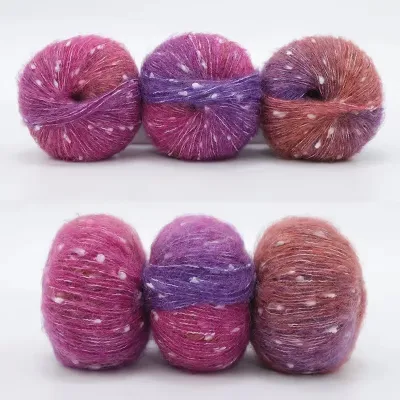
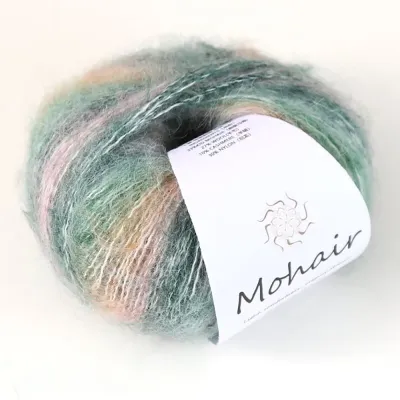
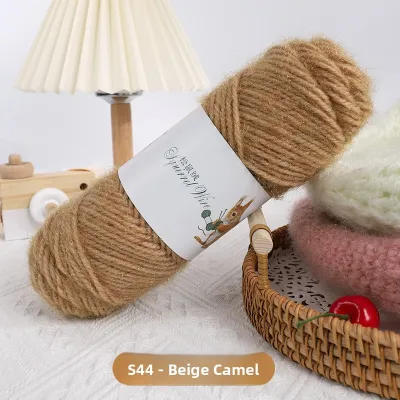
Prices are valid at publication and may change. Please refer to the product page for the latest price.
To understand the quality of a mohair yarn, you must first look at the age of the goat at the time of shearing. Kid mohair, harvested from the first shearing of a young goat, is the finest and softest grade available, typically featuring a micron count under 25. As the animal ages, the fiber becomes thicker and coarser; adult mohair is highly durable but can feel scratchy when worn directly against the skin. Most premium knitting yarns exclusively use kid mohair or super kid mohair to ensure maximum comfort.
Evaluating the blend partner is equally critical to predicting how the yarn will behave. Silk-mohair blends represent a highly sought-after combination, where the silk core adds strength, drape, and a luminous glow while keeping the yarn exceptionally lightweight and breathable. Wool-mohair blends, often incorporating merino wool, provide excellent elasticity and stitch memory, making them ideal for structured garments. On the other end of the spectrum, acrylic-mohair blends offer a budget-friendly alternative, though they tend to retain more heat and lack the natural breathability of silk or wool.
The characteristic “halo” of mohair refers to the fluffy cloud of loose fibers that escape the core thread. A high-quality halo should look uniform and feel incredibly soft, rather than clumped or sparse. The core thread itself must be strong and tightly spun; if the core is weak or uneven, the yarn is prone to snapping during knitting or shedding excessively over the lifespan of the garment.
Evaluating Budget Tiers for Mohair Yarn
When navigating the Singapore market, mohair yarns generally fall into three distinct price tiers, each offering a different balance of softness, fiber composition, and project suitability.

The Budget Tier
Typically priced under S$10 per skein, budget-tier options are usually synthetic blends, combining a small percentage of mohair with acrylic, nylon, or standard wool. These yarns are highly durable, machine-washable in many cases, and excellent for beginners practicing lace techniques or knitting structured home accessories. However, because synthetic fibers do not breathe as well as natural ones, garments made from budget blends can feel uncomfortably warm in humid environments. They may also feel somewhat scratchy, making them less suitable for next-to-skin wear.
The Mid-Range Tier
Generally ranging from S$10 to S$20 per skein, mid-range yarns often feature standard kid mohair blended with fine wool, nylon, or a small percentage of silk. This tier offers a practical balance of warmth, softness, and structural resilience. The inclusion of wool provides the elasticity that pure mohair lacks, making these yarns highly suitable for everyday sweaters, cardigans, and cold-weather accessories. They offer a generous halo and reliable durability without the premium price tag of pure luxury blends.
The Premium Tier
Typically priced above S$20 per skein, premium yarns consist of super kid mohair blended with high-grade mulberry silk, usually in a classic 70% mohair to 30% silk ratio. These yarns provide unmatched softness, an elegant drape, and a brilliant sheen. Because silk is highly breathable and temperature-regulating, premium blends are exceptionally comfortable to wear in air-conditioned indoor spaces. They are the ideal choice for delicate lace shawls, lightweight summer tops, and heirloom pieces designed to be worn directly against sensitive skin.
To accurately compare costs across these tiers, always calculate the price per meter rather than the price per skein. Skein weights vary significantly, with premium silk-mohair typically sold in delicate 25-gram skeins containing over 200 meters, while budget acrylic blends often come in heavier 50-gram or 100-gram skeins with much shorter yardage. Checking the yardage ensures you purchase the correct amount of yarn for your project without overspending.
How to Verify Quality When Shopping in Singapore
Whether you are visiting a local boutique in central Singapore or browsing online marketplaces, taking a systematic approach to quality verification will save you from purchasing yarn that sheds excessively or irritates your skin.
In-Store Quality Checks
If you have the opportunity to shop in person, use your senses to evaluate the yarn before buying. Start with the touch test: press the skein gently against your inner wrist or the side of your neck, as these areas are far more sensitive than your hands. If you feel any prickling or itchiness, the yarn likely contains coarser adult mohair and may not be comfortable as a next-to-skin garment. Next, perform a gentle shedding test by lightly rubbing the skein against a dark piece of clothing; minimal fiber transfer is normal, but a cloud of loose fluff indicates short fiber lengths that will lead to severe pilling. Finally, inspect the core thread to ensure it is consistent in thickness and free of slubs or weak spots.
Online Shopping Verification
When purchasing online, where physical inspection is impossible, rely on detailed product specifications and user feedback. Avoid listings that use vague terms like “mohair-style” or “fluffy wool” without providing an explicit fiber breakdown. Look for a clear percentage listing, such as 70% kid mohair and 30% silk. Read customer reviews specifically searching for mentions of shedding, color accuracy under natural light, and how the yarn behaves after washing. Reliable online sellers will also display clear images of the yarn label, allowing you to verify the manufacturer’s care instructions and recommended needle sizes.
Reading the Yarn Label
Always check the physical or digital yarn label for standard care symbols and manufacturing details. High-quality mohair is almost exclusively labeled as hand-wash only. The label should also display the dye lot number; ensure all skeins for a single project share the same dye lot to avoid noticeable color variations in your finished fabric. If you are planning a lightweight project, look for the lace-weight symbol, which indicates a highly versatile yarn that can be knit on its own or held together with another strand.
Matching Yarn to Your Knitting Project
Selecting the right mohair yarn depends heavily on the specific garment or accessory you plan to create. Matching the yarn’s structural properties to the project’s demands ensures a successful knit and a long-lasting finished piece.
For delicate, airy projects like laceweight shawls and wraps, premium silk-mohair blends are highly recommended. The strength of the silk core allows you to block the lace aggressively, opening up the intricate stitch patterns, while the kid mohair creates a gossamer halo that traps warmth without adding weight. These projects drape beautifully and feel incredibly luxurious against the skin.
If you are knitting larger garments like sweaters and cardigans, mid-range wool-mohair blends offer the necessary structure and durability. Pure mohair has a tendency to sag under its own weight over time; blending it with wool provides the elasticity needed to maintain the garment’s shape, especially around cuffs, collars, and hemlines. This combination also offers excellent insulation for travel to colder climates.
For high-friction accessories like hats, mittens, or bags, budget or mid-range blends containing nylon or acrylic are often the most practical choice. These synthetic fibers increase the yarn’s resistance to abrasion, reducing the likelihood of pilling in areas that experience constant rubbing. However, be cautious when using high-shedding mohair for items worn close to the eyes or mouth, as loose fibers can cause mild irritation.
To finalize your selection, use this simple decision framework:
- Choose a Premium Silk-Mohair Blend if: You are knitting a delicate lace project, have highly sensitive skin, or want a lightweight garment with a luxurious sheen and drape.
- Choose a Mid-Range Wool-Mohair Blend if: You are knitting a structured sweater or cardigan, need the garment to retain its shape over time, and want a balance of softness and affordability.
- Choose a Budget Acrylic-Mohair Blend if: You are practicing new knitting techniques, creating home decor items that do not touch bare skin, or working within a strict budget where durability is the primary concern.
- Verify first if: The recipient of the knitwear has specific animal fiber allergies, as even high-quality kid mohair can occasionally cause mild skin sensitivity for some individuals.
Frequently Asked Questions (FAQ)
Is mohair yarn suitable for beginners?
Mohair yarn presents unique challenges that can make it frustrating for absolute beginners. The fluffy halo fibers tend to cling to one another, making it difficult to see individual stitches clearly and incredibly challenging to unravel mistakes without tangling or breaking the yarn. If you are a beginner eager to work with mohair, consider holding a single strand of mohair alongside a smooth, structured base yarn like merino wool. This technique provides the desired fluffy aesthetic while maintaining the stitch definition and ease of handling of a standard yarn.
How do I care for and wash mohair knits?
Proper maintenance is essential to preserve the delicate halo of mohair and prevent the fibers from felting. Always consult the specific yarn label first, but generally, mohair garments should be hand-washed in cool water using a gentle, pH-neutral wool wash. Avoid twisting, wringing, or agitating the fabric, as this causes the scales on the fibers to lock together, resulting in permanent shrinkage and matting. Gently press out excess water using a clean towel, reshape the garment, and lay it flat to dry on a horizontal surface away from direct sunlight.
Can I hold mohair yarn together with another yarn?
Holding a strand of mohair together with another yarn is a highly popular technique that adds warmth, a soft halo, and a subtle marled color effect to your projects. Combining a thin strand of laceweight mohair with a fingering or DK weight wool yarn can elevate a simple pattern into a luxurious, textured piece. When using this technique, remember to knit a gauge swatch first, as the fluffy halo will fill in the gaps between stitches, often allowing you to use larger needles than the base yarn alone would require.

Community discussion
Share your experience or ask a question. Comments are reviewed before publication.