
When choosing between character-branded notebooks like Miffy, Sanrio, and Disney, the cover design often overshadows the most critical factor for daily use: the paper itself. Because character licenses are applied to products made by various stationery manufacturers, paper weight, texture, and ink performance can vary significantly even within the same brand. This guide breaks down the core dimensions of paper quality, helping you evaluate Miffy notebooks against Sanrio and Disney alternatives to find the best match for your specific pens and writing habits.
The most important realization for any stationery enthusiast is that “Miffy” or “Sanrio” is not a paper manufacturer. These names represent intellectual properties licensed to third-party manufacturers. Consequently, a Miffy notebook produced by a high-end stationery brand will feature vastly different paper quality compared to a Miffy notebook produced as a budget novelty item. To make an informed choice, you must look past the cover illustration and evaluate the physical specifications of the paper inside.
Core Criteria for Evaluating Character Notebook Paper
To objectively compare the writing experience across different licensed notebooks, you must understand the technical standards of paper manufacturing. The most common specification you will encounter is paper weight, measured in grams per square meter (GSM). Standard notebook paper typically ranges from 60 GSM to 100 GSM. Lower-weight paper (60 to 70 GSM) is thinner and more prone to ghosting—where writing is visible on the reverse side of the page—and bleed-through, where ink actually penetrates through the fibers to the other side. Higher-weight paper (80 to 100 GSM or more) offers greater opacity and structural integrity, making it more suitable for double-sided writing and heavier ink applications.
Products mentioned in this guide
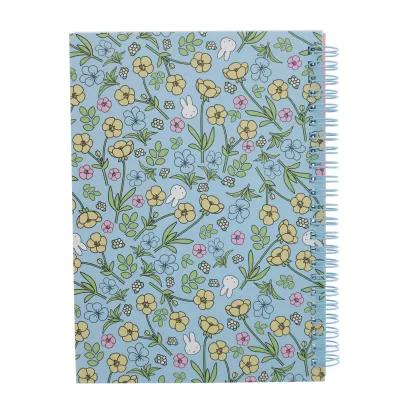
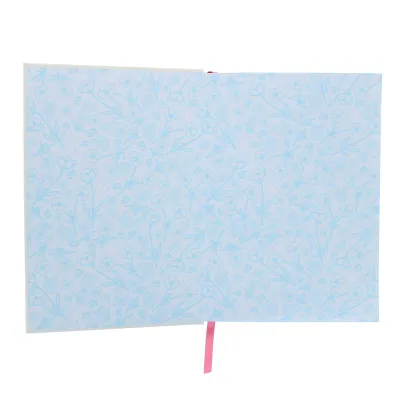
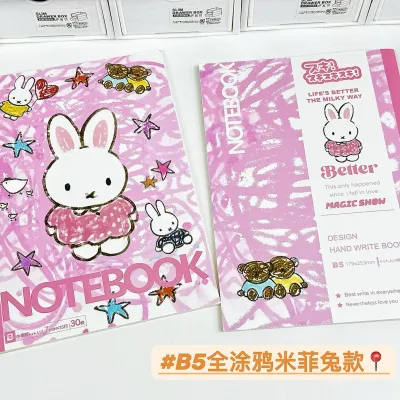
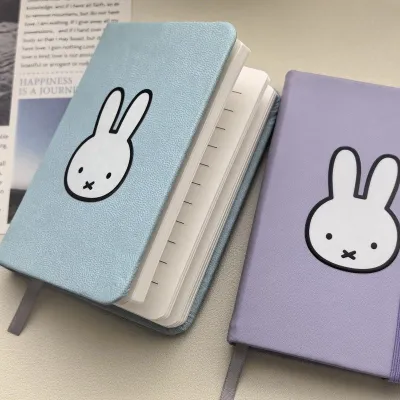
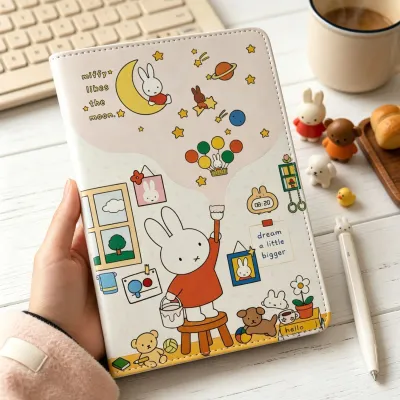
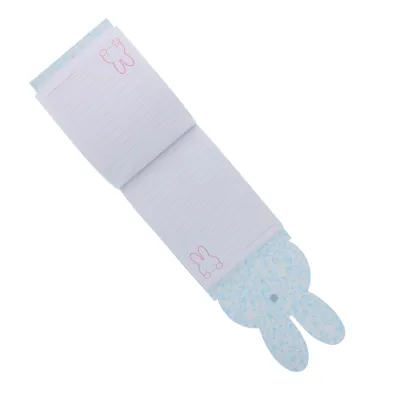
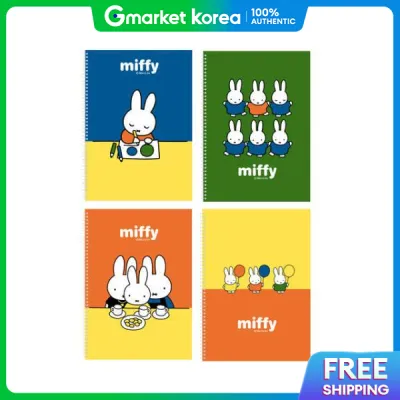
Prices are valid at publication and may change. Please refer to the product page for the latest price.
Beyond weight, the surface texture, or “tooth,” of the paper dictates how a pen glides across the page. Highly calendered paper is pressed between rollers during manufacturing to create an ultra-smooth finish. While smooth paper allows gel pens and fountain pens to glide effortlessly, it can also extend ink drying times, leading to accidental smudges. Conversely, paper with more tooth has a slightly rough, matte texture that provides tactile feedback. This texture is excellent for pencils and ballpoint pens, as it helps control the pen tip, but it can cause high-flow ink to feather, spreading outward along the paper fibers and creating fuzzy lines.
Finally, ink performance is heavily influenced by “sizing”—the chemical additives applied to paper to control its water absorption. Well-sized paper resists ink penetration, allowing colors to remain vibrant on the surface without pooling or feathering. When evaluating character notebooks, observing how different inks interact with the surface finish is key to finding a compatible match for your daily writing tools.
Assessing Miffy Notebook Paper Characteristics
Miffy notebooks, featuring the iconic minimalist illustrations of Dick Bruna, are produced by a wide array of licensed manufacturers globally. To assess the paper quality of a specific Miffy notebook, start by examining the back cover or the product packaging for manufacturing details. High-quality licensed stationery often lists the paper weight (such as 80 GSM or 100 GSM) and the country of manufacture. If the notebook is produced by an established stationery brand under license, you can generally expect a higher standard of paper consistency and finish.

Standard Miffy stationery lines frequently utilize a smooth, medium-weight paper finish. This surface is optimized for everyday writing instruments, offering a clean, bright white or soft cream background that complements the minimalist aesthetic of the cover designs. The paper typically provides a low-resistance glide, making it highly comfortable for quick note-taking with fine-tip gel pens or standard ballpoints.
However, standard Miffy notebook paper may show limitations when subjected to heavy ink flow. If you prefer using wet fountain pens, broad-tip felt pens, or heavy highlighters, you may observe slight ghosting on standard-weight pages. For these demanding writing tools, it is essential to verify if the specific Miffy notebook uses premium, high-GSM paper, or to limit your writing to dry-medium pens like ballpoints and hard-lead pencils to preserve the clean look of subsequent pages.
Evaluating Sanrio and Disney Notebook Paper Alternatives
Sanrio and Disney possess some of the largest licensing networks in the world, resulting in an incredibly diverse spectrum of notebook quality. A budget-tier Disney notebook designed for school children or promotional giveaways often uses lightweight, uncoated paper that prioritizes cost over performance. This paper is typically thin, highly absorbent, and prone to significant feathering and bleed-through when used with gel pens. On the other hand, premium Sanrio or Disney stationery collections—often sold in specialty boutiques or created in collaboration with dedicated stationery brands—frequently feature high-grade, acid-free paper designed to resist yellowing over time.
When shopping for Sanrio or Disney alternatives, look closely at the product labels for specific paper treatments. Terms like “acid-free,” “wood-free,” or “high-opacity” are strong indicators of a premium product tier. Additionally, check if the label mentions a specific paper origin, as certain regions are renowned for producing exceptionally smooth, ink-friendly paper that minimizes feathering even with wet inks.
If you are shopping in a physical store, you can perform simple observational checks to evaluate paper quality before purchasing. Gently feel the thickness of a single page between your fingers; premium paper feels substantial and stiff, whereas budget paper feels flimsy and limp. Hold a page up to the light to assess its opacity. If you can clearly see the design or lines from the next page through the sheet, the paper is highly likely to suffer from ghosting once you begin writing.
Side-by-Side Verification: Comparing Specs and Real-World Performance
To help you systematically compare Miffy, Sanrio, and Disney notebooks, use the following framework to evaluate their specifications and physical traits.
| Notebook Category | Typical GSM Range | Common Binding Types | Best Suited Writing Tools | Observable Quality Indicators |
|---|---|---|---|---|
| Budget / Promotional | 60 – 70 GSM | Stapled, Glue-bound | Ballpoint pens, Pencils | High show-through, rough texture, rapid ink absorption |
| Standard Licensed | 75 – 90 GSM | Spiral, Perfect-bound | Fine gel pens, Ballpoints | Moderate opacity, smooth finish, minimal feathering |
| Premium / Collaboration | 100+ GSM | Thread-sewn, Case-bound | Fountain pens, Markers, Gel pens | High opacity, excellent sizing, smooth or satin finish |
Because manufacturing batches can change, the most reliable way to verify a notebook’s performance is to conduct a safe, small-scale ink test. Turn to the very last page of the notebook. Using the specific pens you plan to use daily, write a few characters or draw small blocks of color. Observe how long the ink takes to dry to evaluate smudge resistance. Once dry, examine the lines closely for any feathering. Finally, flip the page over to check for ghosting or actual bleed-through. This simple test ensures you do not ruin the main pages of your new notebook if the paper is incompatible with your favorite pen.
Keep in mind that visual inspection has its limits. If you are purchasing online and cannot physically handle the notebook, look for detailed user reviews on specialty stationery forums or online marketplaces. Pay close attention to feedback regarding paper texture and ink compatibility, as other stationery enthusiasts often share their experiences with specific manufacturing batches.
Decision Framework: Choosing the Right Notebook for Your Writing Tools
Selecting the perfect character notebook ultimately depends on matching your preferred writing instruments with the appropriate paper specifications. If your daily writing kit consists primarily of low-flow ballpoint pens, mechanical pencils, or light gel pens, standard-tier Miffy, Sanrio, or Disney notebooks will serve you exceptionally well. These everyday tools do not demand heavy ink resistance, allowing you to focus entirely on choosing the cover design and character theme that brings you the most joy.
If you rely on fountain pens, high-flow gel pens, or creative markers, you must prioritize premium-tier licensed lines. Look specifically for notebooks that explicitly state a minimum of 80 to 100 GSM on their packaging, or those produced in collaboration with established stationery manufacturers. These premium options feature the necessary paper thickness and sizing treatments to handle wet inks without feathering or ruining the reverse side of the page.
Before making a purchase, always check the product packaging or online specifications for details on paper treatments. If a notebook does not list its GSM or paper type, and you intend to use wet inks, it is safest to assume it features standard-grade paper and may require a finer pen tip or a drier ink formula.
Finally, recognize that if your primary need is highly specialized paper—such as archival-grade sheets, specific dot-grid layouts, or heavy watercolor paper—standard character stationery ranges may not meet your requirements. In such cases, consider using high-performance, plain stationery notebooks and customizing them with character-themed stickers, covers, or pencil boards to achieve the perfect balance of utility and style.
Frequently Asked Questions (FAQ)
Do character-licensed notebooks use the same paper as standard office notebooks?
No, character-licensed notebooks do not use a single, uniform paper type. The paper quality depends entirely on the specific stationery manufacturer that licensed the character rights for that product run. A notebook produced by a premium stationery brand will feature high-grade, ink-friendly paper, while a budget novelty notebook may use standard, lightweight office-grade paper. Always check the manufacturer details on the back label rather than assuming uniform quality across a character brand.
How can I prevent gel pen ink from smudging on smooth character notebook paper?
To prevent smudging on highly calendered, smooth paper, test the drying time of your gel pen on a back page before writing extensively. If the ink dries slowly, consider switching to a quick-dry gel pen refill or a finer tip size (such as 0.38mm or 0.4mm) to reduce the volume of ink deposited on the page. Additionally, placing a clean sheet of scrap paper or a dedicated blotter card under your hand as you write will prevent your palm from accidentally smearing wet ink across the smooth surface.

Community discussion
Share your experience or ask a question. Comments are reviewed before publication.