
The choice between Midori, Hobonichi, and Leuchtturm1917 diaries ultimately depends on your specific writing instruments and ink preferences rather than a single universal standard for paper quality. While each brand offers distinct paper characteristics—ranging from textured and uncoated to ultra-thin and high-density—the “best” option is determined by matching the manufacturer’s paper specifications (such as GSM, coating, and surface sizing) to your pen’s ink flow and nib size. This guide outlines the core decision criteria and provides a framework to help you verify compatibility and select the right diary for your daily writing tools.
Decoding Paper Specifications for Diary Selection
To make an informed choice, you must first understand the technical specifications that manufacturers use to describe their paper. The most common metric is GSM, or grams per square meter, which measures the weight and density of the paper. While a higher GSM generally indicates a thicker, more opaque sheet that physically resists ink bleed-through, it is not the sole indicator of paper performance. Thinner papers with lower GSM can still perform exceptionally well if they are manufactured with high-density fibers and specialized surface treatments.
Surface sizing and coatings play a critical role in how paper interacts with liquid ink. Sizing is a chemical treatment applied during manufacturing to reduce the paper’s absorbency. Uncoated or lightly sized papers allow ink to penetrate deep into the fibers, which speeds up drying times but increases the risk of feathering—where the ink spreads outward along the paper fibers, creating fuzzy lines. Conversely, heavily coated or highly sized papers keep the ink on the surface, preserving sharp lines and vibrant colors, though this often results in significantly longer drying times.
Products mentioned in this guide
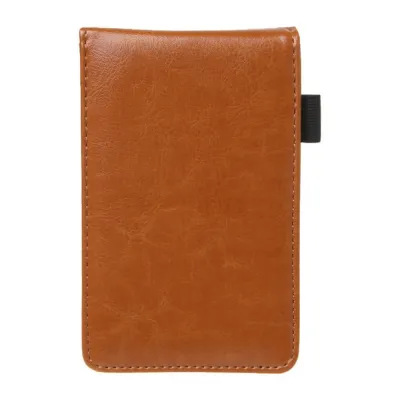
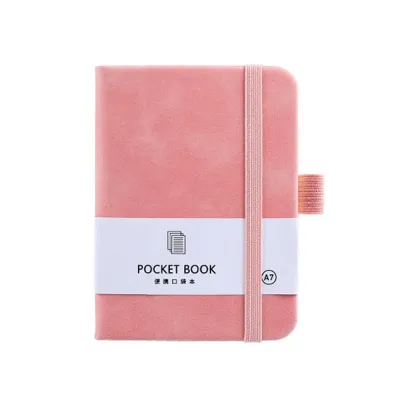
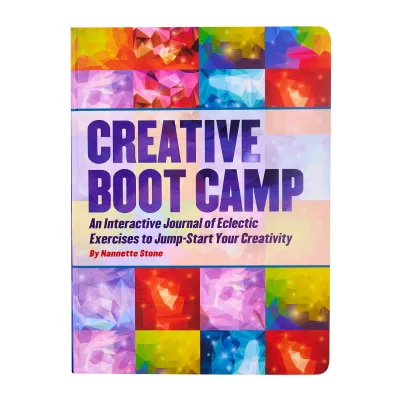
Prices are valid at publication and may change. Please refer to the product page for the latest price.
Choosing a diary involves balancing these physical trade-offs. Ultra-thin papers allow manufacturers to pack hundreds of pages into a compact, lightweight diary, making them ideal for portable daily planners. However, these thin sheets are highly prone to ghosting, where the writing on one side is visible from the reverse side. Thicker papers offer greater physical durability and can handle heavier ink applications or light mixed-media use, but they result in a bulkier notebook that may be less convenient to carry around.
Evaluating Midori Diaries: MD Paper Traits and Pen Matching
Midori diaries are widely recognized for their proprietary MD Paper, which is designed to offer a distinct tactile writing experience. When examining a Midori diary, you will notice a signature cream or off-white color and a slight physical texture, often referred to by stationery enthusiasts as “tooth.” This texture provides subtle resistance against the pen tip, giving you more control over your strokes and a highly feedback-rich writing sensation.

This textured, lightly sized surface makes Midori diaries exceptionally well-suited for specific writing instruments. Pencils, colored pencils, and fine-point gel pens perform beautifully on this paper, as the texture helps shave off graphite or draw ink smoothly from the tip. Fountain pens with fine or medium nibs also pair well, though you should verify the ink flow of your specific pen. The moderate absorbency of MD Paper helps control drying times while maintaining clean, sharp lines without excessive feathering.
Before purchasing, it is wise to check the product packaging or the manufacturer’s official specifications for any notes on ink compatibility. Midori typically designs its paper to resist feathering and bleed-through for standard writing inks, but highly saturated specialty inks or extremely wet broad nibs may require a quick test. Look for labels indicating “MD Paper” to ensure you are getting their signature formulation, as some of their lifestyle planners may use alternative paper stocks.
Evaluating Hobonichi Diaries: Thin Paper Traits and Ink Handling
Hobonichi diaries are famous for utilizing ultra-thin, high-density paper, historically Tomoe River paper, which allows a full 365-day daily planner to remain remarkably slim and portable. This paper is incredibly lightweight, often around 47 to 52 GSM, yet it possesses a highly specialized surface treatment that prevents liquid ink from bleeding through to the other side. The result is a smooth, almost glassy writing surface that lets fountain pen inks pool slightly, showcasing their unique shading and sheen properties.
However, this ultra-thin profile introduces specific handling conditions that you must manage. Because the paper is so thin, ghosting is a natural characteristic; while the ink will rarely bleed through to ruin the next page, you will clearly see the shadow of your writing on the reverse side. Additionally, the high-density coating that prevents bleed-through also slows down ink absorption. If you use wet fountain pens, broad nibs, or high-saturation gel pens, you must be prepared for extended drying times to avoid smudging your work.
To ensure a frustrating-free experience, consult the manufacturer’s guidelines regarding recommended writing tools. Hobonichi often suggests using quick-drying ballpoint pens (such as multi-pens with low-viscosity ink) or fine-liner gel pens for daily planning. If you prefer fountain pens, using a drier ink formulation or keeping a sheet of blotter paper handy is highly recommended. You should also practice gentle page-turning, as the delicate sheets can crease easily if handled roughly when wet.
Evaluating Leuchtturm1917 Diaries: Standard Paper and Everyday Use
Leuchtturm1917 diaries offer a more traditional, robust notebook feel, utilizing standard-weight paper that typically ranges from 80 GSM to 120 GSM depending on the specific edition. The paper features a warm, ivory tone and a relatively smooth finish that strikes a balance between the glassy feel of ultra-thin papers and the textured tooth of uncoated sheets. This makes it a highly versatile option for general, everyday writing tasks.
For fountain pen users, Leuchtturm1917’s standard 80 GSM paper requires careful pen and ink matching. Because this paper is slightly more absorbent than highly coated alternatives, wet inks and broad nibs may experience minor feathering or bleed-through. To achieve a clean writing experience with a fountain pen on their standard paper, it is best to opt for fine or extra-fine nibs paired with dry-flowing inks. This combination allows the ink to dry quickly without oversaturating the paper fibers.
It is crucial to check the specific product line details, as Leuchtturm1917 has expanded its offerings to include different paper weights. For instance, their “120g Edition” notebooks are specifically designed to handle heavier ink applications, including wet fountain pens and brush pens, with minimal ghosting or bleed-through. Always verify the GSM rating printed on the notebook’s paper band or product description, as a higher weight will significantly alter how the paper handles your favorite writing instruments.
Decision Framework: Matching Your Pen to the Right Diary
To simplify your selection process, you can use a conditional decision framework based on your primary writing instrument and tactile preferences. If you enjoy a tactile, feedback-rich writing experience and primarily use pencils, gel pens, or fine fountain pens, Midori’s textured MD Paper is an excellent match. If you prioritize a highly portable, high-page-count diary and love using fountain pens with shading inks (and do not mind ghosting or longer drying times), Hobonichi’s ultra-thin paper is ideal. If you prefer a sturdy, traditional notebook feel for everyday ballpoint, rollerball, or fine gel pens, Leuchtturm1917’s standard-weight paper provides a reliable, balanced surface.
The following table maps common writing instruments to their ideal paper characteristics to help you evaluate your options:
| Pen Type | Key Paper Requirement | Midori MD Paper | Hobonichi Thin Paper | Leuchtturm1917 (80 GSM) |
|---|---|---|---|---|
| Fountain Pen (Fine/Dry) | Moderate sizing, clean lines | Excellent compatibility | Excellent (requires dry time) | Good compatibility |
| Fountain Pen (Broad/Wet) | High sizing, bleed resistance | Moderate (may feather slightly) | Excellent (long dry time) | Poor to moderate (potential bleed) |
| Gel Pen (Standard) | Quick absorption, no smearing | Excellent compatibility | Moderate (requires dry time) | Excellent compatibility |
| Ballpoint Pen | Smooth surface, low friction | Good compatibility | Excellent compatibility | Excellent compatibility |
| Pencil / Graphite | Surface texture (tooth) | Excellent compatibility | Poor (too smooth/slippery) | Good compatibility |
Keep in mind that there are scenarios where none of these standard diary papers will suffice. If your daily planning involves heavy watercolor washes, alcohol-based markers, or extremely saturated art inks, these papers will likely warp, bleed, or tear. In such cases, you should look for dedicated mixed-media diaries or planners that feature heavyweight, sketch-grade paper specifically designed to handle wet art mediums.
Verifying Compatibility Before You Commit
Before committing to writing in your new diary daily, it is highly recommended to perform a simple compatibility test. Most diaries include a few blank pages at the very back, which are perfect for testing your favorite pens and inks. Write a few sample lines using different writing instruments, varying your writing speed and pressure, and let them dry completely. This allows you to observe the drying time, check for feathering on the front, and inspect the reverse side of the page for ghosting or bleed-through.
Additionally, always check the return policy of your stationery retailer before opening or writing in a new diary. Many specialty stationery shops and online marketplaces have strict policies that only allow returns on unused, sealed items. If you are uncertain about a specific paper type, consider purchasing a small, inexpensive memo pad from the same brand to test your pens before investing in a full-sized daily diary.
Finally, consult the manufacturer’s official care and usage guidelines, which can often be found on their websites or product inserts. Some brands provide specific warnings regarding the use of solvent-based inks, heavy shimmer inks, or alcohol markers that could permanently damage the paper fibers or seep through to multiple pages. Taking these precautionary steps ensures that your daily journaling experience remains clean, legible, and enjoyable throughout the year.
Frequently Asked Questions (FAQ)
Does higher GSM always mean better paper for fountain pens?
No, a higher GSM does not automatically guarantee that a paper will perform well with fountain pens. While a thicker paper (higher GSM) physically prevents ink from bleeding through to the other side, it can still suffer from severe feathering if it lacks proper surface sizing or coating. Some ultra-thin papers with low GSM are treated with specialized coatings that resist ink penetration beautifully, allowing fountain pen ink to sit on top of the page without feathering, proving that surface treatment is just as important as paper weight.
How can I prevent ink from ghosting through thin diary pages?
To minimize ghosting on thin diary pages, you can adjust your writing tools and techniques. Opting for finer pen nibs, drier ink formulations, or low-viscosity ballpoint and gel pens will significantly reduce the amount of ink deposited onto the page, thereby lowering its visibility from the reverse side. Additionally, placing a dark-colored pencil board (often called a shitajiki) or a thick sheet of blotter paper directly behind the page you are writing on can help absorb excess pressure and mask the visual distraction of writing from previous pages.
Community discussion
Share your experience or ask a question. Comments are reviewed before publication.