
Choosing between metal and plastic snap buttons depends on your fabric weight, how the finished item will be washed, and the aesthetic you want to achieve. Metal snaps offer robust, mechanical security for heavy fabrics like denim and canvas, while plastic snaps provide a lightweight, rust-free, and colorful alternative for delicate, stretchy, or frequently washed garments. Matching the snap material to your fabric’s physical properties ensures the fastener holds securely without tearing the surrounding fibers.
Core Differences in Material and Structure
Understanding the physical and structural differences between metal and plastic snaps is the first step in making the right choice for your project. Metal snaps are typically constructed from brass, steel, or aluminum. Brass is highly favored in dressmaking and utility sewing for its natural resistance to rust, and it is often plated with nickel, gold, or antique bronze finishes. Steel snaps offer exceptional strength but require protective painted or lacquered coatings to prevent oxidation over time. Plastic snaps, on the other hand, are molded from polyacetal resin, a highly durable, lightweight thermoplastic that resists wear, chemical exposure, and physical impact.
Sizing systems for these fasteners are standardized, but their structural requirements differ significantly. Snaps are generally categorized by “Ligne” or simple numerical sizes, such as Size 16, Size 20, or Size 24. The prong length and cap depth must be carefully matched to your fabric thickness. Metal snaps often feature open-ring prongs or post-style fasteners, where the post length must match the compressed thickness of the fabric layers. Plastic snaps rely on a central solid prong that is melted or flattened during installation. If the prong is too short, it will not grip the socket; if it is too long, it will bend and fail to secure.
Products mentioned in this guide
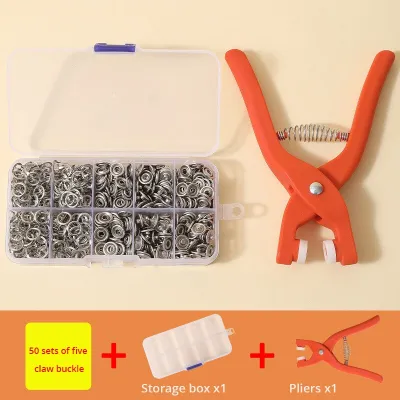
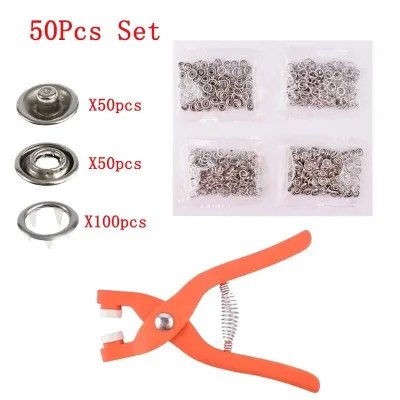
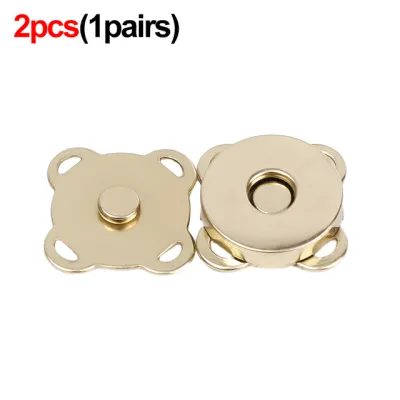
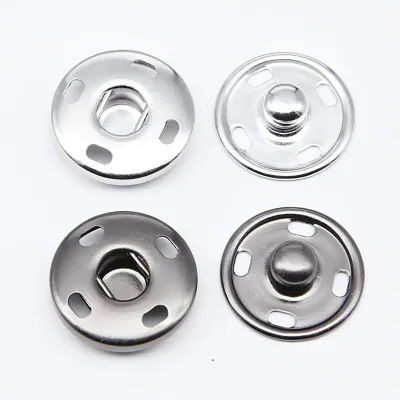
Prices are valid at publication and may change. Please refer to the product page for the latest price.
Tool compatibility is strict and non-negotiable. Metal snaps require specific anvil and setter sets, heavy-duty hand pliers, or bench-mounted press machines equipped with metal dies that match the exact diameter and curvature of the metal cap. Plastic snaps require specialized plastic snap pliers or press dies designed to flatten the plastic prong without cracking the surrounding resin cap. Attempting to use a metal setter on a plastic snap will crush the resin, while plastic pliers lack the force required to roll the rim of a metal post.
Matching Snap Buttons to Fabric Type and Weight
Selecting the appropriate snap button material based on the thickness, stretch, and delicacy of your fabric prevents tearing or weak grips. Heavyweight and dense fabrics like denim, canvas, leather, and thick wool require the structural rigidity of metal snaps. The physical force needed to open a heavy-duty snap can easily tear lightweight fabrics, but dense weaves can withstand this mechanical stress. Metal snaps with long posts or heavy-duty spring mechanisms grip these thick layers firmly, preventing the fastener from pulling through the fabric during use.

Lightweight and delicate fabrics such as cotton lawn, silk, linen, and fine knits are highly susceptible to tearing under the weight and pull of metal fasteners. Plastic snaps are the ideal choice here. Their lighter physical weight prevents the fabric from sagging or draping awkwardly. Because plastic snaps require less force to open and close, they exert less stress on delicate fibers, preserving the integrity of the garment over time.
Stretch fabrics and knits present a unique challenge because they distort when pulled. Regardless of whether you choose metal or plastic, you must reinforce the installation area. Applying a fusible interfacing, stabilizer, or a small scrap of woven fabric between the knit layers is essential. This reinforcement distributes the pulling force across a wider area, preventing the snap from stretching the knit loops and eventually ripping out of the garment.
Durability, Wear, and Environmental Factors
Evaluating the long-term performance and maintenance needs of both materials under different usage and washing conditions ensures your project lasts. Metal snaps generally offer higher tensile strength and a more positive “click” closure, making them suitable for high-stress applications like outerwear, bags, and utility gear. However, repeated pulling can fatigue the metal or loosen the post if not installed with precise pressure. Plastic snaps offer surprising durability and flexibility; they do not fatigue in the same way and can withstand thousands of cycles without losing their grip, provided they are not subjected to extreme physical shearing.
Environmental exposure is a major differentiator. In wet, humid, or marine environments, standard steel snaps will rust, leaving unsightly orange stains on your fabric and eventually seizing shut. While brass and stainless steel snaps resist rust, plastic snaps are completely immune to corrosion. This makes plastic the default choice for rainwear, activewear, and items that undergo frequent, heavy laundering.
Temperature sensitivity and washing care must also be considered. Plastic snaps are highly resistant to standard washing machine temperatures and household detergents. However, they can melt or deform under direct contact with a hot iron. When pressing a garment with plastic snaps, you must iron around the fasteners or use a pressing cloth. Metal snaps withstand high heat from irons and dryers without structural damage, though painted or coated metal finishes may chip or fade over time due to friction inside the dryer drum.
Project-Specific Environments and Aesthetics
The visual design and end-use environment of your garment often dictate the material choice. In warm, humid environments like Singapore, where garments are lightweight and laundered frequently, choosing a rust-proof fastener is essential to prevent ruining your handiwork. For items like baby diapers, bibs, towels, and outdoor gear, plastic snaps are highly practical. They do not hold moisture, dry quickly, and remain comfortable against the skin. If metal is preferred for these projects, you must verify that the manufacturer specifies the snaps as rust-proof brass or stainless steel.
The visual design of your project often dictates the material. Metal snaps provide a classic, professional, or rugged look. They are excellent for denim jackets, leather goods, and tailored coats where the hardware is meant to be a design feature. Plastic snaps excel at seamless color blending. Because they are available in hundreds of shades, you can match them precisely to your fabric, making them virtually invisible or allowing for playful, multi-colored patterns on children’s clothing and accessories.
In specific contexts, non-metallic fasteners are a functional requirement. Garments designed for medical environments, such as MRI-safe gowns, airport security wear, or specialized industrial clothing, must avoid metal components. Plastic snaps provide the necessary closure without triggering metal detectors or interfering with diagnostic imaging equipment.
Decision Framework and Comparison Summary
To finalize your choice, use the structured comparison below to match your project parameters with the correct snap button material.
| Feature | Metal Snap Buttons | Plastic Snap Buttons |
|---|---|---|
| Best Fabric Weights | Medium to heavyweight (denim, canvas, leather) | Light to medium weight (cotton, knits, polyester) |
| Rust Resistance | Variable (requires brass or stainless steel) | Excellent (completely rust-proof) |
| Heat Resistance | High (can be ironed directly) | Moderate (must avoid direct iron contact) |
| Aesthetic Style | Industrial, classic, metallic, decorative | Colorful, blended, subtle, playful |
| Installation Tool | Metal setter, anvil, or heavy-duty press | Plastic snap pliers or specialized resin dies |
Before installing snaps on your final garment, always perform a pre-installation check. Create a sample swatch using the exact fabric, interfacing, and layers of your final piece. Install a test snap to verify that the prong fully penetrates the layers, the cap sits flush without crushing the fabric, and the snap opens and closes smoothly without distorting the material.
Frequently Asked Questions (FAQ)
Can I replace a broken metal snap with a plastic one?
Yes, but you must evaluate the existing hole and fabric condition first. Metal snaps often leave a larger or slightly damaged hole when removed. Because plastic snaps rely on a wide, flat cap to distribute pressure, you must ensure the remaining hole is not larger than the plastic snap’s prong cap. If the fabric is frayed or stretched, fuse a small patch of interfacing or a scrap of sturdy woven fabric over the hole to reinforce the area before installing the new plastic snap.
How do I prevent snap buttons from popping open after washing?
Snaps typically pop open after washing due to fabric shrinkage, improper installation, or lack of stabilization. If the fabric shrinks but the snap does not, it creates tension around the fastener. Ensure your fabric is pre-washed before construction. Additionally, check that the prongs were fully compressed during installation; a loose post will allow the socket to wobble and separate. Always use a firm stabilizer or interfacing in the snap area to keep the fabric flat and prevent it from flexing out of the snap’s grip.
Community discussion
Share your experience or ask a question. Comments are reviewed before publication.