
Choosing the right pen holder clip to keep your writing instruments secured to your notebook, desk edge, or monitor bezel comes down to balancing durability, grip strength, and surface protection. While metal clips offer robust tension and long-term structural integrity, plastic alternatives provide lightweight flexibility and a lower risk of scratching delicate surfaces. Selecting the ideal material depends on your specific workspace setup, how often you reposition the clip, and the thickness of the items you need to secure.
In daily stationery organization, a clip is constantly subjected to mechanical stress, environmental factors, and physical handling. Understanding how these materials behave under pressure helps prevent unexpected failures, such as snapped plastic or bent metal. By evaluating the physical properties, wear patterns, and grip dynamics of both options, you can choose a tool that integrates seamlessly into your daily workflow.
Material Properties: Metal vs. Plastic Pen Holder Clips
The physical makeup of a pen holder clip dictates how it handles the weight of your favorite pens and how it balances on different surfaces. Metal clips, typically constructed from steel, brass, or aluminum, carry a distinct heft that provides a sense of stability. When attached to a notebook cover or a desk organizer, this weight can help anchor lightweight items, though it may cause thin monitor bezels or flexible plastic dividers to sag under the load.
Products mentioned in this guide
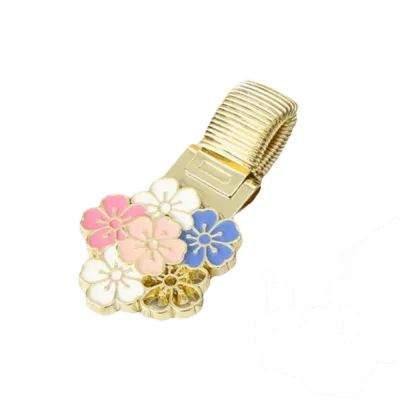
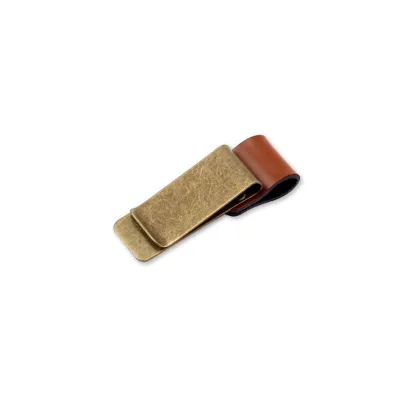
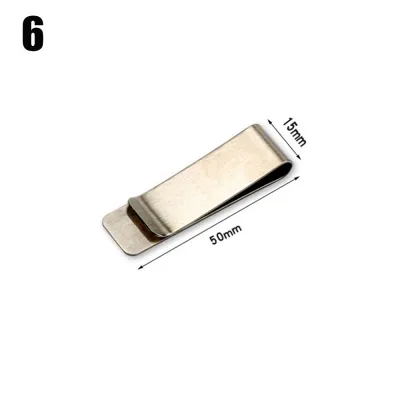
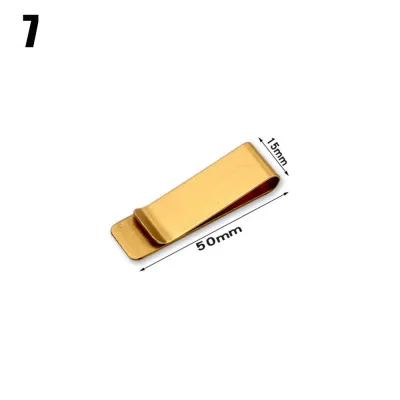
Prices are valid at publication and may change. Please refer to the product page for the latest price.
Plastic clips, usually molded from acrylic, polycarbonate, or ABS plastic, offer a lightweight alternative that minimizes structural strain on delicate mounting points. This makes them highly suitable for attachment to thin computer screens, paperboard folders, or lightweight planners. However, the lack of physical weight means they do not contribute to anchoring the mounting surface, relying entirely on their clamping mechanism to stay in place.
Flexibility and shape memory—the ability of a material to return to its original shape after being stretched—differ significantly between the two materials. Metal possesses high tensile strength but can suffer from permanent deformation if bent past its yield point. Once a metal clip is stretched too far, it may remain permanently loose, requiring manual bending to restore its original grip.
In contrast, plastic clips exhibit high elasticity within a specific range, snapping back to their original form after holding a pen. However, this flexibility has a strict limit; exceeding the material’s maximum flex threshold results in immediate snapping rather than gradual bending. This binary behavior means plastic remains perfectly shaped until the moment it breaks, whereas metal gives warning signs by slowly losing its tension.
Surface texture and friction also play a critical role in how these clips interact with your workspace. Uncoated metal clips tend to have a smooth, low-friction surface that can slide easily along polished wood, glass, or smooth plastic unless equipped with a textured inner grip. Plastic clips often feature molded ridges, matte finishes, or integrated rubberized teeth that provide natural friction, helping them stay anchored on smooth surfaces without sliding.
Durability and Wear: What to Expect Over Time
Over months of continuous use, environmental factors and physical fatigue will inevitably affect the performance of your pen holder clip. In humid environments, such as tropical climates, uncoated or poorly plated metal clips face a significant risk of rust and oxidation. This chemical degradation not only weakens the metal structure over time but can also leave stubborn orange stains on your notebooks, documents, and desk surfaces.

To mitigate these risks, it is essential to check product specifications for protective finishes when shopping for metal accessories. Look for labels indicating stainless steel construction, powder coating, chrome plating, or anodized finishes, which act as barriers against moisture and sweat. If a metal clip begins to show signs of pitting, discoloration, or a rough texture, it is a clear indication that the protective layer has worn away, leaving the underlying metal vulnerable to corrosion.
Plastic clips do not rust, making them highly resilient in high-humidity settings, but they face a different set of environmental challenges. Exposure to ultraviolet (UV) light from nearby windows or fluorescent office lighting can break down the polymer chains within the plastic. Over time, this UV degradation manifests as color fading, yellowing, and a distinct loss of flexibility, turning once-pliable plastic brittle and prone to sudden cracking.
When evaluating plastic clips, look for products that specify the use of UV-stabilized polymers or high-impact ABS plastic, which offer better resistance to light-induced degradation. Additionally, repeated tension from inserting and removing pens creates micro-fractures along the stress points of a plastic clip, particularly around the hinge or the curve of the loop. Regularly inspect your plastic clips for faint white stress lines, which serve as an early warning that the material is nearing its breaking point.
Grip Strength and Document Safety
The primary job of a pen holder clip is to keep your writing instruments secure, but this must not come at the expense of the documents or notebooks they are attached to. Metal clips generally exert a much higher clamping force than plastic ones, thanks to the inherent stiffness of the material and the use of integrated steel springs. This high tension is ideal for securing heavy, thick-barreled pens or holding together thick stacks of paper without slipping.
However, this intense clamping force carries a higher risk of leaving permanent creases, deep indentations, or even tearing paper fibers on important documents. If you frequently attach clips directly to single sheets of paper, delicate receipts, or premium notebook pages, a high-tension metal clip can easily crush the paper fibers. Furthermore, if the metal edges are sharp or poorly finished, they can scrape off ink or toner, leading to unsightly smudges and ruined text.
Plastic clips offer a gentler clamping force that is generally safer for delicate paper surfaces. The wider, flatter contact points common in molded plastic designs distribute the gripping pressure over a larger surface area, reducing the likelihood of leaving deep dents or creases. This makes plastic an excellent choice for organizing active files, thin printed reports, or delicate planner pages where document preservation is a priority.
To ensure document safety regardless of the material you choose, always inspect the edges of the clip before use. Run your finger along the inner and outer rims to check for sharp burrs, rough molding seams, or uneven metal cuts that could snag and tear paper. High-quality clips of both materials will feature rounded edges, smooth polished surfaces, or protective tips designed to slide smoothly over paper without catching.
Decision Framework: Which Material Fits Your Workflow?
To select the right pen holder clip for your daily routine, consider how you interact with your stationery and the specific demands of your workspace.
Choose Metal if:
- You need to secure heavy, metal-bodied fountain pens, multi-functional pens, or thick markers that require a strong, unyielding grip.
- Your daily workflow involves frequent repositioning of the clip across different notebooks, clipboards, or desk organizers, demanding a material that resists wear from constant handling.
- You prefer a weighted feel that complements high-end stationery and professional office environments.
- You are clipping onto thick, sturdy materials like heavy leather notebook covers, thick cardboard binders, or rigid desk dividers.
Choose Plastic if:
- You are primarily organizing lightweight, single sheets of paper, thin plastic folders, or delicate planner pages that require a gentle grip.
- You want to utilize color-coding systems to organize different projects, subjects, or departments, taking advantage of the wide variety of colors available in plastic designs.
- You need to attach the clip to delicate, easily scratched surfaces such as glass desk tops, polished wood, or computer monitor bezels.
- You operate in highly humid environments where metal rust could pose a threat to your documents and clothing.
Before making a final decision, always verify the physical limits of your setup. Check if your desk surface or monitor bezel is sensitive to pressure, and look for manufacturer specifications regarding the maximum sheet capacity or maximum pen diameter the clip can safely accommodate. Forcing a clip beyond its intended capacity will lead to permanent bending in metal or sudden breakage in plastic.
Maintenance Tips to Extend Clip Lifespan
Proper care and regular maintenance can significantly extend the useful life of both metal and plastic pen holder clips, ensuring they maintain their grip and appearance. Over time, clips can accumulate dust, skin oils, ink residue, and adhesive buildup from sticky notes or tape. To clean them safely, use a soft, lint-free microfiber cloth slightly dampened with water or a mild, diluted dish soap solution. Avoid harsh chemical solvents, abrasive scrubbing pads, or strong alcohol-based cleaners, which can strip away protective metal coatings or cause plastic surfaces to become cloudy and brittle.
For metal clips, preventing moisture buildup is the single most important step in avoiding oxidation. After cleaning, or if the clip is exposed to spilled drinks or high humidity, dry it immediately and thoroughly with a clean towel. If you notice a squeak in a spring-loaded metal clip, a tiny drop of mineral oil applied directly to the hinge mechanism can restore smooth operation; be sure to wipe away any excess oil completely to prevent it from transferring onto your pens or paper.
For plastic clips, protection from environmental extremes is key to preventing premature failure. Avoid leaving plastic clips in areas exposed to direct, intense sunlight, such as on a windowsill or inside a hot car parked outdoors, as extreme heat and UV exposure accelerate molecular breakdown. When storing unused plastic clips, keep them in a cool, dark drawer or organizer box to preserve their flexibility and color vibrancy for future use.
Frequently Asked Questions (FAQ)
Will metal pen holder clips scratch my desk or monitor?
Metal clips can scratch delicate surfaces like polished wood, glass, or plastic monitor bezels if they lack protective barriers. To prevent surface damage, look for metal clips that feature integrated silicone, rubber, or felt padding on their contact points. If your preferred metal clip does not have built-in padding, you can apply a small piece of clear adhesive tape or a thin felt dot to the inner gripping surfaces to act as a protective cushion.
Can I use pen holder clips to manage cables alongside stationery?
While pen holder clips can physically hold thin cables, they are not designed for the continuous tension and movement associated with cable management. Using a stationery clip to hold thick or stiff power cords can overstretch the internal spring of a metal clip or snap the loop of a plastic clip. Additionally, the sharp edges of some metal clips can pinch or cut into delicate cable insulation over time, posing a safety hazard; it is always safer to use dedicated, flexible cable organizers for managing cords.
Community discussion
Share your experience or ask a question. Comments are reviewed before publication.