
Selecting the correct closure for a sewing project determines both how the finished piece looks and how long it remains functional. When deciding between metal, nylon coil, and invisible zippers, your choice depends on three primary factors: fabric weight, the physical stress the seam will endure, and your desired aesthetic finish. Using the wrong zipper type can lead to puckered seams, broken teeth, or a garment that distorts on the body.
For heavy-duty fabrics and high-stress areas, metal zippers provide the necessary structural strength and durability. If your project involves lightweight to medium-weight everyday apparel, sportswear, or curved seams, a nylon coil zipper offers the best balance of flexibility and lightweight performance. When your goal is a clean, seamless finish on delicate fabrics or formal wear where the closure must remain completely hidden, an invisible zipper is the correct choice. Understanding these structural distinctions ensures your sewing projects look polished and withstand regular wear and laundering.
How Zipper Construction Dictates Fabric Compatibility
To understand why certain zippers perform better with specific fabrics, you must examine their fundamental anatomy, which consists of three core components: the teeth (or coil), the tape, and the slider. The tape is the fabric strip on either side of the zipper that is stitched to your project, typically made of woven polyester or woven cotton. The slider is the mechanism that travels up and down, joining or separating the teeth. The material and design of the teeth or coil determine the zipper’s overall flexibility, weight, and tensile strength, directly impacting how the zipper interacts with your chosen fabric.
Products mentioned in this guide
Prices are valid at publication and may change. Please refer to the product page for the latest price.
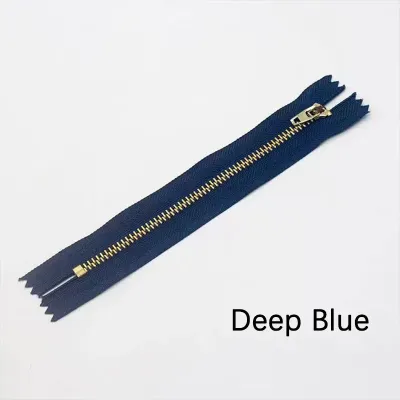
Metal zippers feature individual teeth made of brass, aluminum, or nickel clamped at precise intervals along the edge of the tape. This construction creates a highly rigid, strong backbone that can withstand significant pulling forces but offers very little lateral or vertical flexibility. When paired with lightweight or fluid fabrics, this rigidity causes the fabric to buckle, sag, or ripple unnaturally along the seam line. The weight of the metal teeth can also pull down delicate materials, distorting the drape of the garment.
In contrast, a nylon coil zipper features a continuous spiral of nylon monofilament stitched directly to the zipper tape. Because the coil is continuous and made of synthetic polymers, it behaves more like a flexible plastic spring than a series of rigid blocks. This allows the zipper to bend, flex, and curve along with the movement of the fabric and the human body. The lightweight nature of nylon ensures that the zipper does not drag down light or medium-weight fabrics, making it highly compatible with casual wear and activewear.
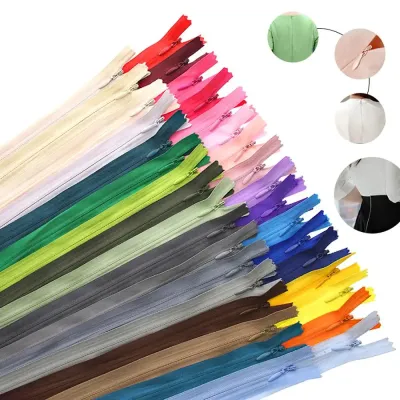
Invisible zippers represent a specialized variation of the nylon coil design. In an invisible zipper, the continuous coil is attached to the reverse side of the zipper tape, and the teeth are rolled backward so they face away from the front of the garment. When sewn correctly, the fabric folds over the teeth, hiding the entire mechanism from the exterior view, leaving only a tiny, teardrop-shaped pull tab visible. Because the coil is oriented backward and relies on the folded fabric edge for concealment, it has lower structural strength and cannot tolerate the same level of tension or lateral stress as a standard nylon coil or metal zipper.
Metal Zippers: Durability for Heavy-Duty and Structured Garments
Metal zippers are the traditional choice for projects requiring maximum durability, security, and a robust physical presence. They excel when paired with heavyweight, structured materials such as denim, heavy canvas, leather, suede, and thick woolens. Classic applications include jeans fly closures, heavy winter coats, leather jackets, workwear, and sturdy utility bags or backpacks. In these scenarios, the fabric itself provides enough structure to support the weight of the metal teeth, and the zipper serves as a reliable, long-lasting closure that can handle repetitive, high-force pulling.

The key characteristics of metal zippers are their exceptional tensile strength, resistance to abrasion, and distinct aesthetic appeal. The metallic finish of the teeth—whether brass, antique brass, copper, aluminum, or gunmetal—often serves as a design feature, adding an industrial, rugged, or vintage look to the finished item. When purchasing a metal zipper, check the product packaging or manufacturer specifications to verify the exact metal alloy used. Aluminum is lightweight and resistant to tarnishing but can bend under extreme pressure, while brass offers superior strength and a classic look but is heavier and can oxidize over time if exposed to harsh chemicals or moisture.
Despite their strength, metal zippers have clear limitations that make them unsuitable for many apparel projects. Their weight and rigidity will ruin the drape of lightweight silks, linens, or cotton lawns, causing the seam to warp and bulge. Furthermore, the sharp edges of metal teeth can easily catch, snag, or tear delicate linings, fine knits, or sheer fabrics during wear or laundering.
Caring for garments with metal zippers requires specific precautions to maintain their functionality and appearance. Metal zippers are prone to tarnishing or corroding if left damp, so you must dry laundered items promptly. To prevent the hard metal teeth from damaging other garments in the washing machine, always close the zipper completely before washing. Additionally, shortening a metal zipper at home is a meticulous process; you cannot simply cut across the metal teeth with standard sewing shears without ruining your blades. Shortening requires using specialized jewelry pliers or heavy-duty wire cutters to individually pry off or cut the excess metal teeth from the tape, followed by clamping new metal top stops onto the fabric.
Nylon Coil Zippers: Flexibility for Everyday Apparel and Bags
Nylon coil zippers are the workhorses of the sewing world, offering unmatched versatility and ease of use across a vast array of everyday projects. They are highly compatible with light to medium-weight woven fabrics and stable knits, making them the standard choice for casual dresses, skirts, trousers, lightweight windbreakers, sportswear, and soft-sided accessories like pencil cases, cosmetic bags, and cushion covers. Their inherent flexibility makes them particularly excellent for curved seams, such as those found on fitted garments, round bags, or slipcovers, where the zipper must conform to a non-linear path without buckling or creating sharp angles.
The primary characteristics of nylon coil zippers are their lightweight profile, smooth operation, and exceptional flexibility. Because the nylon coil is a continuous, spring-like structure, it distributes stress evenly along the entire length of the zipper tape rather than concentrating it at individual points. This design allows the zipper to glide open and closed with minimal resistance. Nylon coil zippers are also available in an extensive range of colors, allowing you to find an exact match for your fabric, which is crucial when the zipper tape or teeth will be partially visible in the finished design.
However, nylon coil zippers do have specific limitations, particularly regarding heat resistance. Because nylon is a synthetic thermoplastic polymer, it can melt or distort if subjected to high temperatures. You must exercise caution when ironing garments with nylon coil zippers; direct contact with a hot iron can fuse the coil loops together, permanently ruining the zipper’s ability to open or close. Always use a pressing cloth and a lower heat setting when pressing seams adjacent to a nylon coil. Additionally, while highly flexible, nylon coil zippers lack the sheer structural strength of metal; they can split open if installed in high-stress areas that experience extreme lateral tension, such as the back of a very tight, structured corset or heavy-duty upholstery.
One of the most practical advantages of nylon coil zippers is how easily they can be customized and shortened at home. Unlike metal zippers, you do not need specialized tools to alter their length. You can simply measure the required length from the top pull, mark the new bottom stop, and use a sewing machine or hand needle to sew a series of secure satin stitches directly over the nylon coil to form a new thread stop. Once the new stop is secure, you can safely cut across the nylon coil and tape with standard sewing scissors, leaving a clean, customized zipper ready for installation.
Invisible Zippers: Seamless Finishes for Delicate and Formal Wear
Invisible zippers are engineered specifically for projects where the closure must be completely hidden to preserve the clean lines, drape, and pattern continuity of the fabric. They are the premier choice for elegant evening gowns, bridesmaid dresses, delicate silk blouses, tailored skirts, and side-seam closures on fitted dresses. When installed correctly, the zipper is entirely concealed within the seam allowance, creating the illusion of a continuous, uninterrupted piece of fabric, with only the tiny pull tab indicating the presence of an opening.
The defining characteristic of the invisible zipper is its unique coil orientation, which curls backward toward the inside of the garment. This allows the fabric of the seam to roll over and cover the zipper teeth completely. This design is highly effective at preventing the zipper from disrupting the natural drape of lightweight, fluid fabrics such as chiffon, crepe de chine, satin, and fine linen. Because the zipper tape itself is often made of a lighter, more sheer mesh or fine polyester weave than standard zipper tapes, it adds minimal bulk to the seam allowance, ensuring a flat, professional finish.
Despite their aesthetic advantages, invisible zippers are structurally the weakest of the three main zipper types. Because the teeth are rolled backward and the fabric must sit incredibly close to the coil, the mechanism cannot tolerate significant tension. If an invisible zipper is installed in a garment that is fitted too tightly, the lateral stress will pull the fabric away from the coil, exposing the teeth and defeating the “invisible” effect, or worse, causing the delicate slider to derail or the nylon coil to split. They are entirely unsuitable for heavyweight fabrics, high-stress activewear, or utility bags.
Successful installation of an invisible zipper requires specialized tools and precise sewing techniques. To achieve a truly flawless, hidden finish, you must use a dedicated invisible zipper presser foot on your sewing machine. This foot features deep grooves on its underside that actively unroll and guide the nylon coil as you stitch, allowing the needle to place the stitches immediately adjacent to the teeth. Attempting to install an invisible zipper with a standard zipper foot usually results in stitching too far from the coil—leaving the zipper tape visible—or accidentally stitching into the coil itself, which prevents the slider from moving.
Quick Reference: Zipper Types vs. Fabric Weights and Projects
To help you quickly verify which zipper type aligns with your specific project parameters, refer to the comparison matrix below. This table outlines the ideal fabric weights, typical applications, flexibility levels, and any specialized tools required for each of the three major zipper categories.
| Zipper Type | Ideal Fabric Weight | Typical Projects | Flexibility | Special Tools Required |
|---|---|---|---|---|
| Metal | Heavyweight | Jeans, leather jackets, workwear, heavy canvas bags | Low | Standard zipper foot, heavy-duty pliers/cutters for shortening |
| Nylon Coil | Light to Medium | Casual wear, sportswear, soft bags, cushion covers | High | Standard zipper foot, standard sewing scissors for shortening |
| Invisible | Light to Medium-Woven | Formal gowns, blouses, skirts, fine side-seam closures | Medium | Invisible zipper presser foot with underside grooves |
When selecting a zipper based on this matrix, always consider the weakest link in your project. For example, if you are sewing a medium-weight linen dress that has a highly fitted waist, a nylon coil zipper may be a safer choice than an invisible zipper due to the lateral tension at the waistline, even if you prefer the seamless look of an invisible closure.
Final Decision Framework: How to Select the Right Zip
To make your final selection with complete confidence, apply this step-by-step conditional framework to your current sewing project. By analyzing your fabric, the garment’s fit, and your aesthetic goals, you can systematically eliminate the wrong options and pinpoint the perfect zipper.
Choose Metal if:
- You are working with rigid, heavy fabrics like denim, canvas, leather, or heavy wool that require a sturdy, structured closure.
- The zipper will be subjected to significant physical stress, such as the fly of a pair of jeans, a heavy jacket opening, or the main closure of a travel bag.
- You want the zipper to serve as a visible, decorative design element, utilizing the metallic finish of the teeth to complement your fabric.
Choose Nylon Coil if:
- You need a versatile, lightweight, and highly flexible closure for everyday garments, activewear, or children's clothing.
- The seam containing the zipper is curved, contoured, or needs to bend naturally with the movement of the body.
- You need to easily customize the length of the zipper at home using standard sewing tools without the need for specialized pliers.
Choose Invisible if:
- Maintaining the uninterrupted visual continuity of your fabric, print, or garment pattern is your absolute top priority.
- You are sewing formal wear, evening gowns, delicate blouses, or lightweight skirts where a visible zipper would look bulky or unprofessional.
- The zipper will be placed in a low-stress area, such as a side seam or a relaxed back seam, where lateral tension is minimal.
Verify First if:
- You are working with specialty fabrics, such as waterproof outdoor materials, highly stretchable performance knits, or extremely sheer silk organza. In these cases, check the zipper tape composition (e.g., polyester vs. polyurethane-coated waterproof tapes) and review both the zipper manufacturer's instructions and your fabric's care labels to ensure they share compatible washing and ironing temperatures.
- For stretch fabrics, always apply a strip of lightweight fusible interfacing to the seam allowance before sewing the zipper. This stabilizes the fabric, prevents the zipper tape from stretching during installation, and eliminates the wavy, puckered look often seen in poorly installed zippers.
Before cutting your final fashion fabric, always perform a quick physical check of your zipper. Unzip and zip the slider five times to verify that the movement is completely smooth and free of catches or resistance. Additionally, measure the width of the zipper tape against your pattern’s designated seam allowance to ensure you have enough fabric coverage to stitch the zipper securely without encroaching on the garment’s fit.
Frequently Asked Questions (FAQ)
Can I use a regular zipper foot for an invisible zip?
No, using a regular zipper foot to install an invisible zipper is highly discouraged if you want a professional, truly hidden finish. A standard zipper foot is designed to ride alongside the edge of a flat zipper tape, but it lacks the physical mechanism to unroll the curled coils of an invisible zipper. As a result, the needle cannot get close enough to the teeth, leaving a significant portion of the zipper tape exposed and causing the seam to look bulky and uneven. To achieve a flawless result, you should use a dedicated invisible zipper foot. This specialized foot features parallel grooves on its underside that grip and unroll the coil, guiding the needle to stitch precisely at the fold line without catching the teeth.
How do I shorten a nylon coil or invisible zip at home?
Shortening a nylon coil or invisible zipper at home is a straightforward process that requires no specialized hardware. First, measure down from the top stop to your desired length and mark the new bottom stop with a fabric pen. Using a hand-sewing needle and heavy-duty thread, wrap the thread securely around the nylon coil at your mark six to eight times, tying it off tightly to create a new, durable thread stop. Alternatively, you can use a wide zigzag stitch on your sewing machine with the feed dogs dropped to sew a bar tack over the coil. Once the new stop is securely in place, use standard sewing scissors to trim away the excess zipper tape and coil approximately two centimeters below your new stop. This method is far simpler than shortening metal zippers, which require removing individual metal teeth with pliers.
Community discussion
Share your experience or ask a question. Comments are reviewed before publication.