
Selecting the right zipper pull tab is a critical decision that influences both the utility and the design of any sewn item. While often treated as a minor finishing detail, the pull tab is the primary touchpoint for the user, experiencing direct physical stress every time the zipper is operated. For garment makers, professional bag designers, and home crafters alike, choosing between metal, plastic, and fabric pull tabs requires balancing mechanical durability, visual weight, and tactile comfort.
To make an informed choice, you must evaluate the finished item’s environment, how frequently it will be washed, and the physical capabilities of the end-user. A heavy metal pull tab that elevates a canvas travel bag will ruin the drape of a delicate silk blouse. Conversely, a soft fabric pull that offers comfort on baby sleepwear will quickly fail if installed on heavy-duty outdoor gear. By analyzing the unique properties of each material, you can select a pull tab that enhances your project’s functionality and aesthetic appeal.
Quick Decision Guide: Matching Pull Tabs to Your Project
Every sewing project presents a unique set of structural and aesthetic requirements that dictate the ideal haberdashery choices. To narrow down your options immediately, consider the primary function of the item you are creating. Garment makers, bag designers, and crafters must evaluate three core performance dimensions: mechanical durability, visual alignment, and tactile comfort.
Products mentioned in this guide
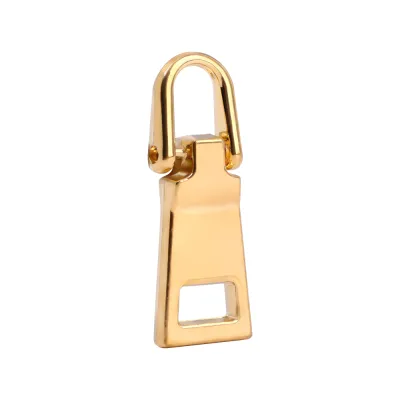
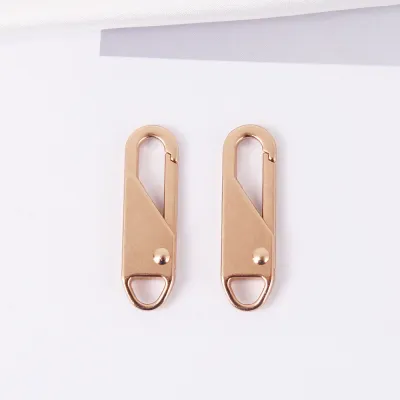
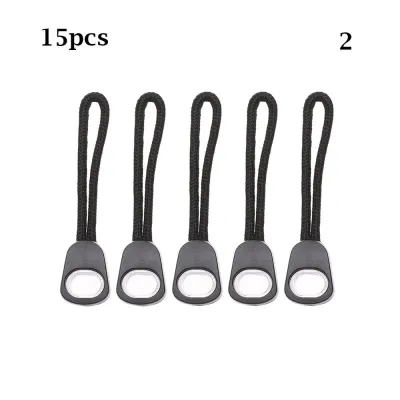
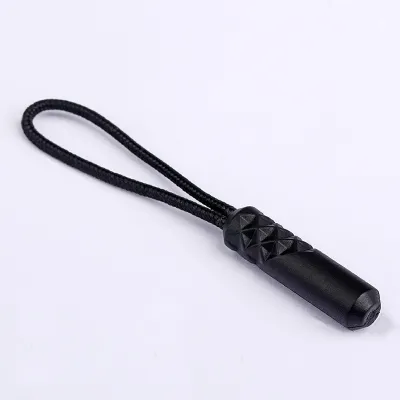
Prices are valid at publication and may change. Please refer to the product page for the latest price.
- Choose Metal if your project demands maximum tensile strength, a premium or rugged aesthetic, and pairs with medium- to heavy-weight structured fabrics. Metal is the standard choice for denim jeans, leather jackets, canvas backpacks, and heavy utility gear where the closure must withstand significant pulling force.
- Choose Plastic if you require a lightweight, completely moisture-resistant, and highly colorful option. Plastic pull tabs are exceptionally suited for activewear, swimwear, outdoor tents, and casual nylon bags where exposure to water, sweat, or salt air is common.
- Choose Fabric if your priority is a soft, skin-friendly texture, silent operation, and seamless integration with lightweight or delicate garments. Fabric pulls are ideal for lingerie, baby clothing, bedding, and high-end fashion pieces where hard hardware would disrupt the clean lines of the design.
Ultimately, the best material is not simply the strongest one, but the one that aligns with the weight of your main fabric, the comfort of the wearer, and the physical dimensions of the zipper slider. Installing a pull tab that is mismatched in weight or scale can cause the fabric to sag, distort the zipper teeth, or lead to premature wear of the slider mechanism.
Durability and Wear Resistance: What to Expect from Each Material
Evaluating physical longevity under daily use is essential to ensure your finished project remains functional for years. Each material class handles mechanical stress, friction, and environmental exposure differently, requiring specific quality checks before you begin sewing.

Metal Pull Tabs
Metal tabs offer outstanding tensile strength and are highly resistant to snapping under sudden tension. However, their longevity is heavily influenced by the specific alloy and surface treatment used during manufacturing. In warm, humid environments—such as Singapore’s tropical climate—low-grade metals are highly susceptible to oxidation, which can lead to tarnishing, pitting, or rust. When sourcing metal hardware, look for solid brass, stainless steel, or high-grade zinc alloys with electroplated finishes and clear protective lacquers to prevent moisture damage during wash cycles.
Plastic Pull Tabs
Plastic pull tabs are completely immune to rust and chemical corrosion, making them highly stable in wet conditions. Modern high-performance plastics, such as polyacetal (POM) or thermoplastic polyurethane (TPU), offer excellent structural integrity and impact resistance. However, basic plastics can become brittle when exposed to extreme cold temperatures or undergo UV degradation under prolonged sunlight, leading to fading and eventual cracking. Always verify the manufacturer’s wash-care limits, ensuring the plastic can withstand the heat of household dryers or dry-cleaning solvents if your project requires intensive cleaning.
Fabric Pull Tabs
While fabric pull tabs lack hard components that can snap or crack, they face distinct wear patterns such as fraying, staining, and seam fatigue. Because a fabric tab is soft, the constant friction against the metal slider loop can gradually saw through thin fibers. To prevent this, inspect the weaving density and edge finishing of the ribbon or cord you plan to use. Synthetic fibers like polyester or nylon are generally more abrasion-resistant than cotton. Additionally, ensure the material has high colorfastness specifications to prevent dyes from bleeding onto the main fabric during washing.
To guarantee long-term performance, do not rely on material names alone. Always check product labels for technical specifications, wash-test ratings, and manufacturer-certified stress limits before committing to a specific pull tab.
Aesthetics and Drape: Aligning Materials with Fabric Types
The visual weight and physical drape of a zipper pull tab must harmonize with the main textile of your project. A mismatch in drape can ruin the silhouette of a garment, while a visual mismatch can make professional sewing look amateurish.
Metal Pull Tabs
Metal hardware provides a structured, high-end appearance that instantly elevates the perceived value of an item. The polished shine of gold, silver, gunmetal, or antique brass adds a decorative focal point. This rigid drape is highly beneficial for heavy canvas totes, structured denim jackets, and leather goods where the hardware acts as an anchor. However, if you attach a heavy metal pull to a lightweight linen shirt or silk camisole, the gravity of the metal will pull the fabric downward, causing unsightly sagging, puckering along the zipper tape, and a distorted hang.
Plastic Pull Tabs
Plastic tabs offer a contemporary, clean, and highly versatile aesthetic. They can be manufactured in almost any color, from vibrant neons for high-visibility sportswear to subtle translucent shades that blend into casual wear. Plastic does not draw attention to itself in the same way polished metal does, making it excellent for utilitarian items like windbreakers, sleeping bags, and nylon travel pouches. The look is modern, sporty, and functional, aligning perfectly with synthetic textiles and matte-finish fabrics.
Fabric Pull Tabs
Fabric tabs excel at creating a soft, organic, or completely integrated aesthetic. By using a pull tab made from the same fabric as the garment, or a matching grosgrain ribbon, you can achieve a minimalist look where the zipper virtually disappears. Fabric tabs drape naturally, flowing with the movement of delicate materials like chiffon, crepe de chine, and fine knits. They are the premier choice for invisible zippers on evening gowns, bridal wear, and high-end fashion where visible metal or plastic hardware would disrupt the design’s fluid lines.
When designing your project, aim for visual proportion. Ensure the physical size of the pull tab matches the scale of the zipper teeth and the surrounding design elements. For a cohesive look, try matching the finish of metal pull tabs to other hardware on the item, such as metal snap buttons, rivets, or buckle slides.
Comfort and Weight: Choosing for Activewear, Kids, and Delicates
The tactile experience of operating a zipper is a major factor in user satisfaction. Depending on where the zipper is placed on the body and who will be using the finished item, the weight and texture of the pull tab can dramatically affect comfort.
Metal Pull Tabs
Metal is heavy and conducts temperature rapidly. In air-conditioned environments, a metal pull tab can feel shockingly cold against bare skin, making it uncomfortable for close-fitting necklines, activewear collars, or sleepwear. Furthermore, metal tabs have hard, defined edges that can scratch sensitive skin or snag delicate linings during movement. If your design includes an interior pocket that rests against the body, a metal tab may dig in uncomfortably when the wearer sits or bends.
Plastic Pull Tabs
Plastic provides a smooth, lightweight, and temperature-neutral touchpoint. It does not retain cold or heat excessively, making it highly comfortable for garments worn close to the body. Because of its low weight, a plastic pull tab will not bounce or clank heavily during physical activity, which is a major advantage for running jackets, cycling jerseys, and gym bags. The rounded, molded edges of plastic hardware also eliminate the risk of skin scratches, making them highly suitable for children’s playwear.
Fabric Pull Tabs
Fabric offers the softest, most skin-friendly profile available. It is entirely silent, eliminating the annoying clinking sound of metal or plastic tabs hitting buttons or slider bodies during movement. This makes fabric pulls the absolute gold standard for baby rompers, children’s sleeping bags, and sensory-sensitive apparel where hard hardware can cause irritation. Additionally, fabric pulls are highly flexible, compressing flat under pressure, which is ideal for bedding, cushions, and pocket closures that users might sit or lie on.
Always consider the physical placement of the zipper. A front-closure jacket zipper benefits from a substantial, easily gripped tab, whereas an underarm ventilation zipper on an activewear jacket requires a low-profile, lightweight plastic or fabric pull that will not chafe during movement.
Zipper Pull Tab Comparison Matrix
To help you quickly evaluate your options, the table below summarizes the general characteristics, ideal pairings, and care requirements for each pull tab material. These guidelines represent standard material performance and should be used alongside your specific product labels.
| Material | Best Fabric Pairings | Weight Profile | Wash Care Considerations | Primary Attachment Method |
|---|---|---|---|---|
| Metal | Canvas, denim, leather, heavy wool | Heavy | Check for rust-resistant coatings; avoid high-impact tumble drying | Split rings, spring clips, or direct slider integration |
| Plastic | Nylon, polyester, fleece, performance knits | Light | Avoid extreme ironing temperatures; check UV resistance | Snap-on clips, molded loops, or cord locks |
| Fabric | Silk, chiffon, linen, baby knits, cotton voile | Very Light | Verify colorfastness to prevent dye bleeding; check for fraying | Knotting through loop, direct sewing, or bar-tacking |
Sewing, Attachment, and Slider Compatibility Checks
Before permanently attaching your chosen pull tab, you must perform several mechanical compatibility checks to prevent damage to your zipper slider or the surrounding fabric.
Compatibility Verification
Begin by measuring the attachment loop (also called the crown) of your zipper slider. The pull tab’s connecting ring, cord, or clip must have a smaller diameter than the opening of the slider loop to slide freely. If the attachment point is too tight, the pull tab will bind, forcing the user to pull at an awkward angle. This increases stress on the zipper teeth and can eventually cause the slider to pull off the tracks entirely.
Attachment Methods
Different materials require distinct attachment techniques:
- Metal and plastic tabs often feature built-in spring gates, split rings, or snap-together mechanisms that allow them to clip directly onto the slider loop without tools.
- Fabric tabs typically rely on a loop-and-knot method (such as a cow hitch knot) threaded through the slider loop, or they are folded over the slider bar and stitched securely in place.
Sewing Best Practices
If you are sewing a fabric pull tab directly, or reinforcing a heavy-duty attachment on thick materials like canvas, use a needle size appropriate for the job, such as a 90/14 or 100/16 denim needle. Pair this with a strong, bonded polyester upholstery thread to ensure the seam can withstand repeated pulling forces without unraveling.
Safety and Limits
Never use excessive or irreversible force to open or close a slider loop with pliers if the hardware is not explicitly designed to be openable. Applying too much pressure can easily snap the cast metal of the slider crown, ruining the entire zipper installation. If the slider design is non-standard, or if the attachment instructions are unclear, stop immediately and consult the zipper manufacturer’s technical guide or seek assistance from a professional haberdasher.
Frequently Asked Questions (FAQ)
Can I replace a broken metal pull tab with a fabric one?
Yes, provided the zipper slider’s attachment loop is fully intact. Check if the loop is closed or open; if it is closed, you can easily thread a thin fabric cord or ribbon through the loop and secure it with a cow hitch knot or a clean stitch. Ensure the fabric thickness does not exceed the loop clearance so the tab can swing freely.
Are plastic zipper pulls safe for baby clothes?
Generally, yes. High-quality, smooth plastic pull tabs are excellent for baby clothing because they are lightweight, have no sharp metal edges, and do not rust during frequent washings. However, you must verify that the plastic pull is molded as a single, durable piece that is securely fastened, eliminating any small, detachable parts that could pose a choking hazard. Always check product packaging for compliance with child-safety textile standards.
Community discussion
Share your experience or ask a question. Comments are reviewed before publication.