
Selecting the perfect Singapore souvenir involves finding a balance between cultural authenticity, practical utility, and ease of transport. A thoughtful gift should serve as a meaningful reminder of the city-state’s rich heritage, blending traditional craftsmanship with modern design. Whether you are shopping for close family members, friends, or professional colleagues, the ideal keepsake should resonate with the recipient’s interests while surviving the journey home intact. By focusing on high-quality materials, functional designs, and local stories, you can select gifts that are both memorable and highly appreciated.
How to Choose the Right Singapore Souvenir for Your Recipient
To find the most suitable souvenir, start by evaluating the relationship you have with your recipient and their personal tastes. Colleagues and casual acquaintances generally appreciate practical, lightweight items that can be easily integrated into their daily routines, such as desk accessories, packaged teas, or small stationery items. On the other hand, close friends and family members may prefer more personalized, high-value keepsakes, such as hand-painted ceramics, traditional textiles, or premium gourmet gift sets. Matching the gift to the recipient’s level of cultural curiosity ensures that the item is cherished rather than stored away and forgotten.
Travel logistics play an equally critical role in your decision-making process. Before purchasing, consider your remaining luggage capacity, weight limits, and the fragility of the items. Heavy glass jars of local condiments, delicate porcelain cups, or bulky decorative objects require substantial protective packaging and can quickly exhaust your airline weight allowance. If you are traveling light, prioritize flat, compact, and durable items like linen tea towels, illustrated notebooks, or vacuum-sealed snack packets. Additionally, always research the customs and agricultural import regulations of your destination country, as many nations strictly prohibit or restrict the entry of fresh produce, seeds, and specific meat products.
Products mentioned in this guide
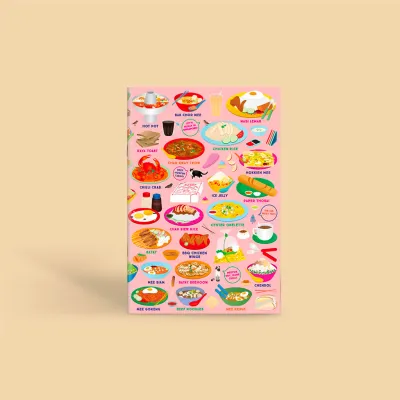
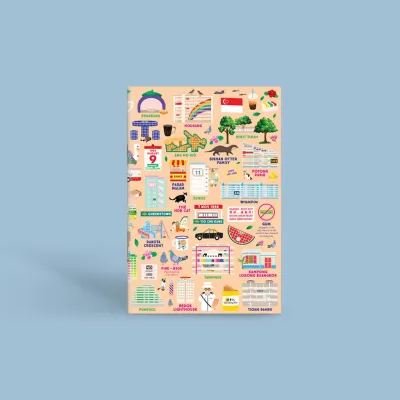
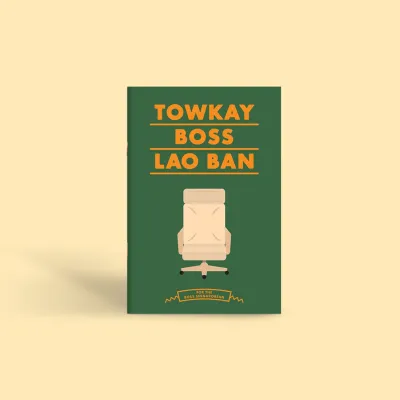
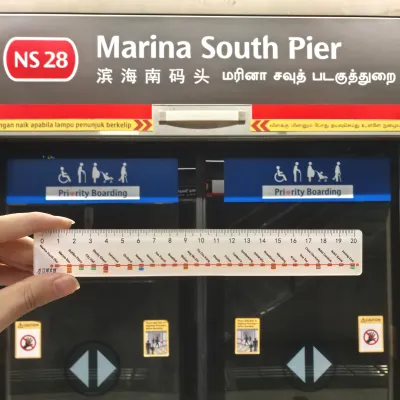
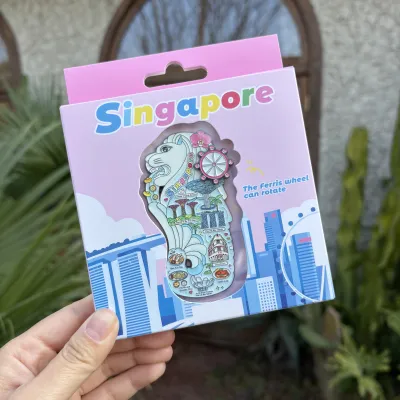

![[KW] 50 PCS Singapore Travel Stickers – Local Food Landmarks & Souvenir Aesthetic for Journals Luggage & Scrapbooks](https://img.lazcdn.com/g/p/79b5337100af060fc811202030202694.jpg_400x400q80.jpg_.webp)
Prices are valid at publication and may change. Please refer to the product page for the latest price.
Finally, assess the presentation value and structural integrity of the souvenir’s packaging. Items that come in sturdy, beautifully illustrated tins or rigid gift boxes are highly desirable because they protect the contents from being crushed during transit. These pre-packaged options also save you the hassle of finding specialized wrapping materials while traveling. If an item does not come with protective packaging, ensure you have access to bubble wrap or tissue paper to safeguard it before placing it in your suitcase.
Cultural Keepsakes and Local Crafts
Singapore’s multicultural identity is beautifully reflected in its traditional crafts and design motifs. When searching for a culturally significant gift, look for items featuring Peranakan (Straits Chinese) patterns, which are characterized by vibrant pastel colors, intricate floral designs, and symbolic phoenix or peony illustrations. Another iconic motif is the orchid, Singapore’s national flower, which is frequently represented in delicate jewelry, gold-plated ornaments, and printed textiles. These motifs carry deep historical significance and serve as elegant representations of the region’s natural and cultural beauty.

When purchasing cultural crafts, material durability is a primary concern. Traditional Peranakan porcelain, such as colorful kamcheng jars or decorative plates, is highly prized but exceptionally fragile. If you choose to gift ceramics, inspect them closely for hairline cracks or glaze imperfections before purchasing, and ensure they are packed securely in rigid boxes with ample cushioning. For a more durable alternative, consider high-quality textiles like hand-printed batik sarongs, silk scarves, or embroidered table runners. These fabric items are virtually indestructible in transit, lightweight, and highly versatile for the recipient.
To ensure you are buying authentic pieces rather than mass-produced imitations, verify the sourcing and craftsmanship labels. Authentic heritage items are best purchased from established boutiques in historical districts like Katong, Chinatown, or Kampong Glam, as well as official museum shops. Many of these retailers provide small informational cards or certificates of authenticity that explain the history, materials, and cultural significance of the craft. Including these details with your gift adds a layer of educational value and shows the recipient that you selected their present with genuine care and thought.
Singapore-Themed Stationery and Desk Accessories
For a gift that is both highly practical and aesthetically pleasing, Singapore-themed stationery and desk accessories are excellent choices. These items are particularly well-suited for colleagues, students, or anyone who appreciates fine writing tools and organization. You can find beautifully designed notebooks, washi tapes, and metal bookmarks that feature artistic illustrations of Singapore’s iconic landmarks, such as the futuristic supertrees of Gardens by the Bay, historic shophouses, or lush botanical gardens. These designs allow recipients to carry a piece of Singapore’s unique landscape into their daily work or study spaces.
When selecting writing journals or planners, pay close attention to the technical specifications of the paper and binding. To ensure a premium writing experience, look for notebooks with a paper weight of at least 80 gsm to 100 gsm. Heavier paper is essential for preventing ink feathering, ghosting, or bleeding, especially if the recipient prefers using fountain pens, gel pens, or rollerballs. The binding type is also crucial; lay-flat thread binding is highly recommended because it allows the notebook to open completely flat, providing a comfortable and seamless writing surface. Additionally, check the paper texture—smooth, uncoated paper is ideal for fast-drying gel inks, while slightly toothy, textured paper is better suited for sketching and pencil work.
If you need to buy gifts for a large group, such as an entire office department or a classroom, stationery offers highly efficient bulk-gifting solutions. Multi-packs of illustrated postcards, sets of decorative paper clips shaped like local icons, or rolls of colorful washi tape are budget-friendly options under S$10 that do not compromise on style. These items are incredibly lightweight, making them easy to pack in large quantities without exceeding luggage limits. You can easily distribute them individually or bundle them into small, cohesive gift sets that present a consistent and professional aesthetic to your colleagues.
Gourmet Treats and Packaged Local Snacks
Edible souvenirs are incredibly popular because they offer recipients a literal taste of Singapore’s diverse culinary heritage. However, selecting food gifts requires careful consideration of dietary restrictions and preferences. Singapore’s multicultural food scene makes it easy to find halal-certified, vegetarian, and gluten-free options. Always inspect the packaging for official halal certification marks or clear allergen declarations, particularly regarding common ingredients like peanuts, tree nuts, soy, and shellfish, which are frequently used in local snacks like shrimp rolls or peanut cookies.
Freshness, shelf life, and environmental sensitivity are also critical factors when transporting food items. Singapore’s high humidity and warm temperatures mean that certain products, such as chocolates, delicate pastries, or fresh cakes, can easily melt or spoil during transit. Instead, opt for shelf-stable, dry goods that are sealed to preserve freshness. Premium loose-leaf tea blends infused with local flavors like pandan, orchid, or ginger are highly stable and lightweight. Spice pastes for classic dishes like laksa, chicken rice, or beef rendang are also excellent choices, provided they are vacuum-sealed in thick, puncture-resistant foil packets to prevent leaks.
To ensure your food gifts arrive in pristine condition, look for items packaged in sturdy metal tins or rigid cardboard gift boxes. These containers act as a protective shield against the rough handling of checked luggage, preventing delicate cookies, rolls, or tea bags from being crushed. Many local confectioneries and heritage brands offer beautifully designed, gift-ready tins that feature vintage illustrations of Singapore’s streets. These tins not only eliminate the need for additional gift wrapping but also serve as charming, reusable keepsakes long after the treats inside have been enjoyed.
Tips for Wrapping and Presenting Your Souvenir Gifts
The presentation of your souvenir can significantly enhance its perceived value and show the recipient how much you care. To create a cohesive and visually appealing package, select wrapping materials that complement the Singaporean theme of the gift. Consider using wrapping paper featuring traditional batik patterns, or opt for solid-colored paper paired with a vibrant ribbon decorated with orchid motifs. These subtle design choices create an immediate visual connection to the origin of the gift, making the unwrapping experience feel like a special cultural discovery.
For fragile crafts, glass bottles of local sauces, or delicate stationery items, proper internal protection is essential before you apply the outer wrapping. Start by wrapping the item in several layers of acid-free tissue paper to protect the surface from scratches. For fragile ceramics or glass, add a generous layer of bubble wrap or corrugated cardboard sleeve, securing it firmly with high-quality adhesive tape. Once the item is structurally protected, place it inside a sturdy gift box before wrapping it in your decorative paper. This multi-layered approach ensures that the item remains secure and undamaged, even if your luggage is subjected to rough handling during transit.
To complete the presentation, attach a personalized gift tag or a small card to the package. Use this space to write a brief note explaining the cultural significance or the story behind the chosen souvenir. For example, if you are gifting a tin of pandan tea, you can explain how pandan is often referred to as the “vanilla of Southeast Asia” and is a staple in local desserts. Sharing these small details transforms a simple physical object into an engaging story, allowing your recipient to appreciate the deeper cultural context of their gift.
Frequently Asked Questions (FAQ)
Where is the most convenient place to buy authentic souvenirs before a flight?
For travelers looking to make last-minute purchases, Changi Airport’s transit areas offer a highly convenient shopping experience with the added benefit of tax-free pricing. However, while transit hubs carry a wide selection of popular packaged snacks, teas, and mainstream merchandise, they may have a more limited inventory of highly specialized, handcrafted, or artisanal goods. If you are seeking unique cultural crafts, custom stationery, or authentic heritage items, it is highly recommended to shop in city-center districts such as Chinatown, Kampong Glam, or official museum stores before heading to the airport.
Are there any items I should avoid bringing across international borders?
When purchasing edible souvenirs, it is crucial to be aware of the strict agricultural and customs regulations of your destination country. Many nations, including Australia, New Zealand, and the United States, strictly prohibit the import of fresh fruits, unsealed organic materials, and meat products to prevent the spread of pests and diseases. This means popular local items like fresh durian, certain types of traditional meat pastries, or pork-based bak kwa (barbecued pork) may be confiscated at customs. To avoid delays or fines, always verify the specific import rules of the recipient’s home country and stick to commercially sealed, shelf-stable, and non-meat items.

Community discussion
Share your experience or ask a question. Comments are reviewed before publication.