
Gifting a piece of physical history carries a weight that modern, mass-produced souvenirs simply cannot match. For international visitors seeking an authentic keepsake or local residents looking to share a nostalgic memory, old Singapore coins offer a tangible connection to the nation’s rapid evolution. These miniature metallic canvases tell the story of a colonial trading post that transformed into a global financial powerhouse.
Choosing the right coin involves understanding the unique eras of Singapore’s currency history, the stories behind their designs, and the personal interests of the recipient. A well-selected coin is more than just a collectible; it is a conversation starter, a historical artifact, and a beautiful piece of art. By exploring the distinct coin series minted throughout Singapore’s history, you can find a gift that resonates deeply with your loved ones.
Why Old Singapore Coins Make Meaningful Gifts
Coins possess an inherent permanence that sets them apart from typical travel souvenirs. While paper currency degrades and plastic trinkets fade, a coin endures for generations, accumulating a physical patina that mirrors the passage of time. Each scratch and tone on a circulated coin represents a moment in history, having passed through the hands of everyday people who built the foundations of modern Singapore.
Products mentioned in this guide
Prices are valid at publication and may change. Please refer to the product page for the latest price.
Every coin series minted in Singapore reflects a specific snapshot of the nation’s economic, political, and cultural landscape. For an international visitor, holding a coin from the early days of independence provides a direct, physical link to the country’s survival story. It serves as a compact, educational token of their travels, easily packed and preserved without taking up valuable luggage space.
For local Singaporeans, these vintage coins evoke powerful personal memories of childhood. They recall the days of purchasing school tuckshop meals for a few cents, visiting traditional provision shops, or receiving pocket money from grandparents. Gifting these coins to family members bridges generational gaps, sparking stories of the past and preserving family heritage in a highly personal format.
Recommended Old Singapore Coin Series for Meaningful Gifts
To select the perfect numismatic gift, it is essential to understand the different eras of coinage that have circulated in Singapore. Each era carries its own aesthetic appeal, historical significance, and collectibility.

Straits Settlements and Malaya Coins (Pre-1965)
For recipients with a deep appreciation for colonial history and maritime trade, coins from the Straits Settlements and the Malayan union are highly compelling choices. Prior to Singapore’s independence, these currencies served as the lifeblood of commerce across the Malay Peninsula and the bustling ports of the region.
- Straits Settlements Silver Dollars: Minted during the late 19th and early 20th centuries, these large silver coins feature the portraits of British monarchs such as Queen Victoria, King Edward VII, or King George V. They represent the height of Singapore's role as a British Crown Colony and a pivotal trading hub. Their substantial weight and intricate classical designs make them highly impressive, premium gifts.
- The Iconic Square Coins: During the reigns of King George VI and Queen Elizabeth II, the Board of Commissioners of Currency, Malaya, issued unique square-shaped 1-cent and 5-cent coins. These distinctive, scalloped, or square-edged copper-nickel coins are instantly recognizable and highly popular among casual collectors. Their unusual shape makes them an excellent novelty gift that stands out in any collection.
- Historical Appeal: Because these coins are no longer legal tender and have been out of circulation for decades, they are valued purely as historical artifacts. They are perfect for history buffs, academic mentors, or older relatives who remember the pre-merger era of Southeast Asia.
First and Second Series Republic Coins (1967–1980s)
Following independence, Singapore established the Board of Commissioners of Currency, Singapore (BCCS), and issued its own distinct coinage. These series are highly nostalgic for locals and offer visitors a glimpse into the national symbols of a young, ambitious nation.
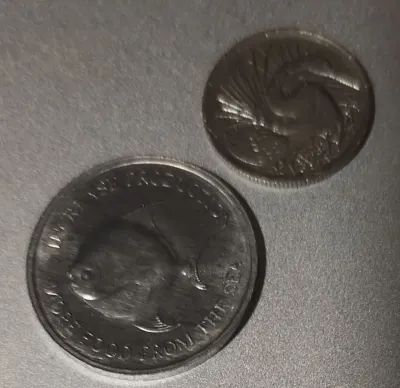
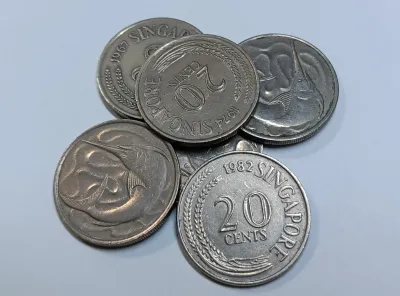
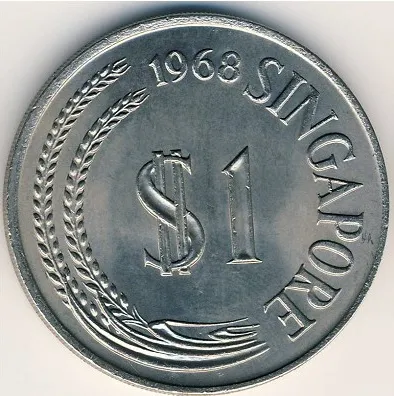
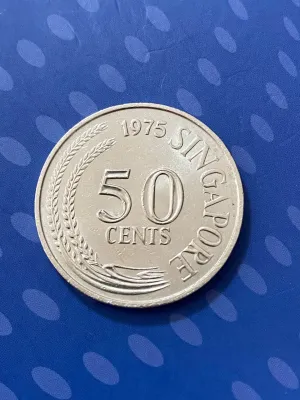
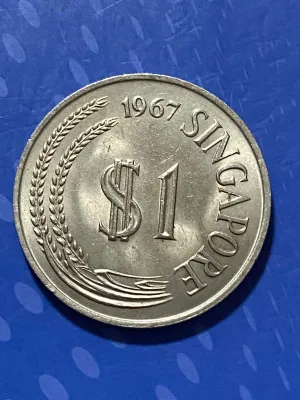
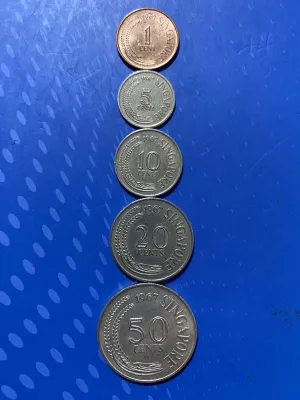
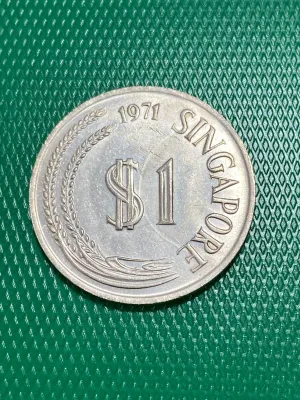
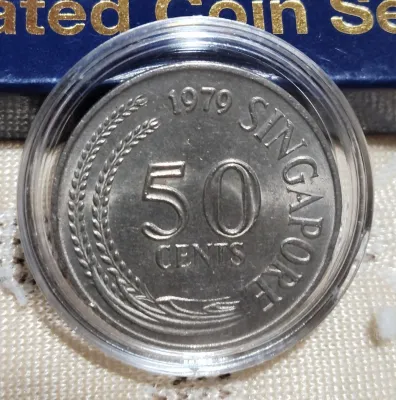
- The First Series (Marine Series, 1967–1985): This iconic series features local marine life and birds, symbolizing Singapore's island geography and connection to the sea. The 10-cent coin features a stylized seahorse, the 20-cent coin depicts a swordfish, and the 50-cent coin showcases a majestic lionfish. The 1-dollar coin, featuring a stylized lion symbol surrounded by water lilies, is particularly sought after. These designs capture the artistic optimism of the late 1960s.
- The Second Series (Floral Series, 1985–2013): This series shifted the focus to Singapore's identity as a "Garden City." Each denomination features a prominent local flower, led by the national flower, the Vanda Miss Joaquim orchid, on the 1-cent coin. Other denominations feature the monstera plant (5 cents), star jasmine (10 cents), powder-puff plant (20 cents), yellow allamanda (50 cents), and periwinkle (1 dollar). The 1-dollar coin of this series is famous for its octagonal rim, which local folklore associates with feng shui principles for national prosperity.
- Gifting Value: Circulated specimens of these series are highly affordable, making them excellent choices for assembling custom birth-year sets or casual souvenirs. For a more polished presentation, look for official uncirculated coin sets packaged in their original mint folders, which preserve the coins' original luster.
Early Commemorative and Proof Sets
When the occasion demands a highly formal or premium gift, early commemorative coins and proof sets issued by the Monetary Authority of Singapore (MAS) are unmatched in their presentation and intrinsic value.
- Milestone Commemoratives: Singapore has issued numerous commemorative coins to celebrate national milestones, such as the 150th anniversary of the founding of Singapore (1819–1969), early National Day celebrations, and the highly popular Lunar Zodiac series. These coins often feature detailed depictions of local landmarks, historical figures, or cultural motifs.
- Proof Finishes and Precious Metals: Unlike standard circulating coins, proof coins are struck using specially polished dies and planchets, resulting in a mirror-like background field and frosted, highly detailed foreground designs. Many of these commemorative issues are minted in sterling silver or fine gold, providing intrinsic precious metal value alongside their historical significance.
- Premium Presentation: These sets typically come housed in official, luxurious packaging, such as velvet-lined presentation cases, leatherette folders, or hard acrylic display stands, accompanied by numbered certificates of authenticity. They are ideal for corporate gifts, graduations, weddings, or serious numismatists who demand pristine condition and elegant presentation.
How to Match the Right Coin to Your Recipient
Selecting a coin is a highly personalized process. To ensure your gift is well-received and appreciated, match the coin’s historical era and condition to the recipient’s personality and lifestyle.
- The History Enthusiast or Academic: Focus on pre-1965 issues, such as Straits Settlements silver dollars or early Malayan square coins. These recipients appreciate the historical context, the colonial-era craftsmanship, and the stories of regional trade that these coins carry. Pair the gift with a short, hand-written note explaining the historical significance of the specific monarch or era represented.
- The Nostalgic Elder or Family Member: Choose First Series (Marine) coins minted in the late 1960s or 1970s. Look for coins that correspond to significant years in their life, such as their birth year, marriage year, or the year they purchased their first home. The physical sight of these coins can unlock rich personal memories and encourage the sharing of family stories.
- The Casual International Visitor: Opt for a beautifully curated set of circulated First and Second Series coins. You can easily assemble a complete set of denominations from a single decade and house them in an attractive, clear display frame. This provides the visitor with a diverse, colorful, and highly authentic slice of Singapore's everyday history without requiring a massive budget.
- The Serious Collector or Milestone Celebrant: Invest in a graded, certified coin or an official MAS proof set in its original packaging. For significant milestones like a golden anniversary or a major career achievement, a silver or gold commemorative coin from a relevant year provides a lasting, prestigious tribute that can be proudly displayed on a desk or mantelpiece.
Before purchasing, consider the recipient’s display space and willingness to maintain the coin. While serious collectors welcome loose coins that require specialized storage, casual recipients will appreciate coins that are already safely encased in protective, display-ready frames or capsules.
Essential Checks Before Buying Old Coins as Gifts
To ensure your gift is authentic, valuable, and visually appealing, you must perform several key verifications before finalizing your purchase.
Understand Coin Grading
The condition of a coin, known as its grade, directly dictates both its aesthetic appeal and its market value. Familiarize yourself with the basic grading tiers:
- Circulated: These coins show visible wear, scratches, and loss of detail from active use in daily trade. While they carry immense historical character and are highly affordable, they should be free of deep gouges, severe corrosion, or artificial damage.
- Uncirculated: These coins were never released into general circulation. They retain their original "mint luster"—the frosty, reflective sheen created during the minting process—and show no wear on their highest design points.
- Proof: Specially manufactured for collectors, these coins feature mirror-like fields and frosted details. They are handled with extreme care at the mint and should remain completely free of fingerprints, hairline scratches, or blemishes.
The Golden Rule: Never Clean Old Coins
It is incredibly common for well-meaning gift-givers to attempt to clean, polish, or scrub old coins to make them look shiny and new. Do not clean old coins under any circumstances.
Using metal polishes, abrasive cloths, baking soda, or chemical dips permanently destroys the coin’s value and historical integrity. Cleaning strips away the natural “patina” or “toning”—the oxidation layer that forms naturally over decades and proves the coin’s age. Furthermore, cleaning leaves microscopic scratches, known as hairlines, which professional collectors and dealers can instantly detect. A circulated coin with its natural, dark, historical patina is infinitely more desirable and valuable than a artificially shiny, scrubbed coin.
Verify Packaging and Preservation
How a coin is stored affects both its long-term preservation and its visual appeal as a gift. Ensure the coin is housed in safe, archival-grade materials.
- Avoid PVC Plastics: Many cheap, flexible plastic coin sleeves contain polyvinyl chloride (PVC). Over time, PVC degrades and releases acidic green chemicals that corrode the coin's surface, leaving a sticky, destructive residue. Only use PVC-free, inert plastic flips made of Mylar or hard acrylic capsules.
- Presentation Accessories: For a gift, consider purchasing high-quality presentation accessories. Hard acrylic capsules protect the coin from fingerprints and environmental moisture while allowing both sides to be viewed. Velvet-lined presentation boxes or acid-free paper coin envelopes provide an elegant, professional opening experience.
- Certificates and Hallmarks: For high-value commemorative coins, especially those minted in precious metals, verify the presence of the original certificate of authenticity (COA) and official mint packaging. Check the edge of silver and gold coins for official hallmarks indicating weight and purity.
Where to Source Authentic Old Singapore Coins Safely
Because the market for vintage coins attracts counterfeits and overgraded specimens, sourcing your gifts from reputable, verified channels is paramount to ensuring safety and authenticity.
- Established Numismatic Shops: Singapore is home to several highly respected, long-standing coin dealers and stamp shops, particularly in heritage areas like Chinatown, central retail districts, and specialized shopping plazas. Visiting a physical shop allows you to examine the coins under a magnifying loupe, compare different grades in person, and receive expert advice from professional numismatists.
- Official Auction Houses: For high-value, rare, or certified coins, local numismatic auction houses offer a secure purchasing environment. Coins sold through these auctions are thoroughly vetted, authenticated, and graded by professionals, giving you complete peace of mind regarding your investment.
- Local Coin Shows and Fairs: Keep an eye out for local coin shows, stamp exhibitions, and heritage flea markets, such as the weekend markets held at China Square Central. These events gather multiple reputable dealers under one roof, allowing you to browse a vast selection, compare prices, and find unique pieces that are rarely seen in standard retail shops.
- Exercise Caution Online: While online marketplaces and general e-commerce platforms offer convenience, they carry a high risk of counterfeit coins, misleading grading descriptions, and poor storage conditions. If buying online, only purchase from established dealers with verified numismatic credentials, clear return policies, and high-resolution, unedited photographs of the exact coin you will receive. Avoid listings that use stock photos or make unrealistic claims about rarity and value.
Frequently Asked Questions (FAQ)
Are old Singapore coins still legal tender?
Yes, First Series (Marine) and Second Series (Floral) coins issued by the Board of Commissioners of Currency, Singapore, generally remain legal tender at their face value. However, because their historical, sentimental, and collector value far exceeds their face value, spending them in daily trade is highly discouraged. Pre-1965 colonial coins, including Straits Settlements and Malayan issues, have been officially demonetized and are valued strictly as historical collectibles.
How should I clean an old coin before gifting it?
You should never clean or polish an old coin before gifting it. Abrasive cleaning agents, chemical solutions, and polishing cloths strip away the coin’s original surface luster and natural patina, leaving permanent microscopic scratches that destroy its historical and monetary value. Instead, present the coin in its natural, historically authentic state, housed in a clean, protective acrylic capsule to highlight its genuine vintage character.
What is the best way to package a single old coin as a gift?
The best way to package a single coin is to place it inside a hard, inert acrylic coin capsule that matches the coin’s exact diameter. This protects the coin from physical damage and fingerprints while allowing the recipient to view both sides clearly. You can then place the encased coin inside a small, velvet-lined presentation box or a high-quality drawstring pouch, creating a premium, tactile, and highly professional gifting presentation.
Community discussion
Share your experience or ask a question. Comments are reviewed before publication.