
Selecting an old Singapore coin as a souvenir or gift is a thoughtful way to share a piece of the nation’s rich heritage, with the most meaningful choices being those that align with personal milestones, historical eras, or striking artistic designs. Whether you are looking for a nostalgic keepsake for a lifelong resident or a unique cultural token for an international visitor, these tangible pieces of history carry stories that far exceed their face value. By focusing on well-preserved circulation series or specially minted commemorative issues, you can find a gift that resonates on a personal level while serving as a beautiful display piece.
To make a successful selection, it is essential to understand what makes a coin collectible and how to present it in a way that honors its historical value. From evaluating the physical condition of the metal to matching the coin’s release year with a recipient’s birth or anniversary, a systematic approach ensures your gift is both authentic and highly cherished. This guide explores the key factors to consider when choosing an old Singapore coin, the most recognizable series and themes available, safe sourcing practices, and elegant presentation methods to elevate your gift.
Key Factors When Selecting an Old Singapore Coin
When choosing an old Singapore coin as a gift or souvenir, several critical attributes determine its suitability, aesthetic appeal, and overall value. The first major consideration is the physical condition of the coin, which directly influences how it looks when displayed. In the numismatic world, coins are generally categorized into circulated, uncirculated, or proof conditions. Circulated coins have passed through daily commerce, showing signs of wear, minor scratches, and a natural patina that reflects their active history. While some recipients appreciate the rustic, lived-in character of a circulated coin, others prefer the pristine appearance of uncirculated or proof specimens. Uncirculated coins have never been used in daily trade and retain their original mint luster, while proof coins are specially struck using polished dies to create a mirror-like background and frosted details, making them the most visually striking option for formal gifting.
Products mentioned in this guide
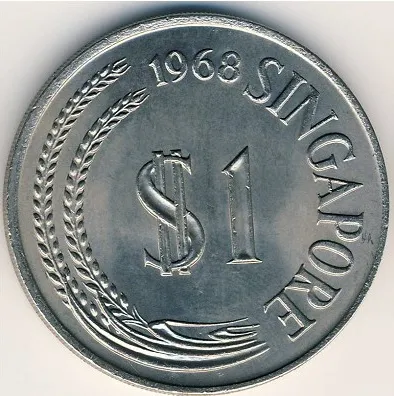
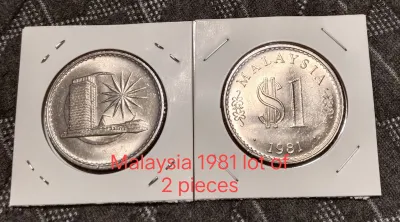
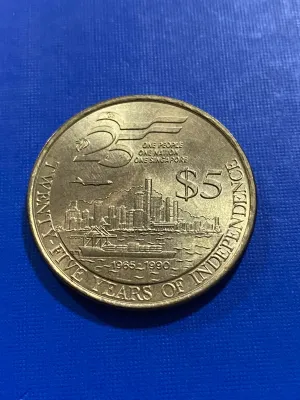
Prices are valid at publication and may change. Please refer to the product page for the latest price.
Another essential factor is matching the coin’s theme, era, or specific mint year to the recipient’s personal milestones. A coin minted in the exact year of a friend’s birth, a couple’s wedding, or a colleague’s arrival in Singapore instantly transforms a simple collectible into a deeply personal memento. Beyond years, the thematic elements of the coin can align with the recipient’s interests. For instance, someone passionate about botany might deeply appreciate a coin from the floral series, while a history enthusiast might prefer a coin commemorating a major national milestone. Taking the time to align these details shows a high level of thoughtfulness and ensures the coin holds a permanent place of honor in the recipient’s collection.
Finally, gift-givers must understand the distinction between a coin’s face value, its intrinsic metal value, and its numismatic premium. The face value is simply the denomination stamped on the coin, such as ten cents or five dollars, which represents its official purchasing power. The intrinsic metal value refers to the market worth of the physical materials from which the coin is made, which is particularly relevant for older coins minted in silver or gold. The numismatic premium is the additional value driven by factors like rarity, historical significance, demand, and exceptional condition. When purchasing old coins as gifts, you will almost always pay a price that reflects this numismatic premium rather than the face value alone. Recognizing this distinction helps you set a realistic budget and evaluate whether a coin’s asking price aligns with its true collector appeal.
Recognizable Coin Series and Commemorative Themes
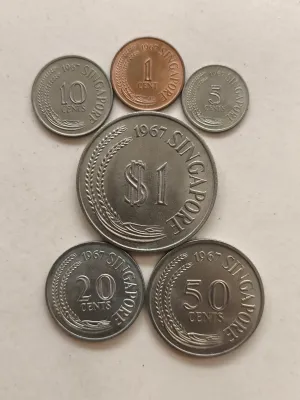
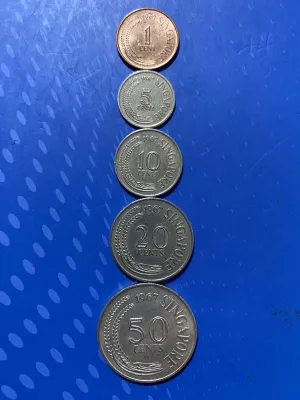
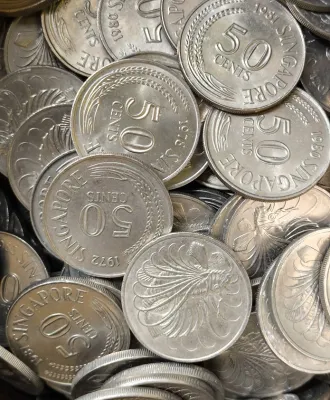
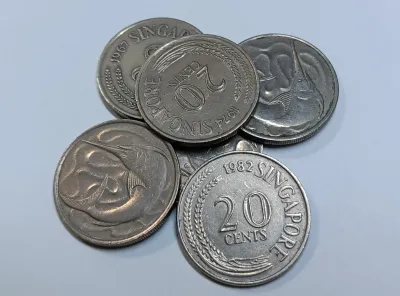
Singapore’s monetary history offers a diverse array of coin designs that reflect the nation’s rapid development, cultural diversity, and natural beauty. For everyday circulation coins, three distinct series have defined the local landscape over the decades. The First Series, introduced shortly after independence in 1967, is often referred to as the marine life series. These coins feature detailed depictions of local sea creatures, such as the seahorse, swordfish, and stonefish, symbolizing Singapore’s status as a historic port and island nation. The Second Series, launched in 1985, shifted the focus to the country’s identity as a garden city, showcasing vibrant local flora like the orchid, jasmine, and hibiscus. The Third Series, which entered circulation in 2013, highlights national landmarks and icons, including the Merlion and the Esplanade. While famous historical banknote series like the Orchid, Ship, and Portrait series are highly sought after by paper currency collectors, the corresponding coin series carry a parallel nostalgic charm that evokes fond memories of daily life in Singapore’s past.

For those seeking a more exclusive or visually dramatic gift, commemorative coin issues offer an excellent alternative to standard circulation coins. The Monetary Authority of Singapore and the Singapore Mint have regularly released special-edition coins to mark significant national milestones, cultural celebrations, and international events. Notable examples include coins commemorating major national anniversaries, such as the Bicentennial or key milestones of independence, which often feature intricate designs depicting the nation’s journey from a trading post to a global hub. Additionally, the highly popular Lunar Zodiac series, released annually, features beautifully rendered animals of the Chinese zodiac, making them exceptionally popular gifts for birthdays, Chinese New Year, or to mark a child’s birth year. These commemorative issues are frequently minted in precious metals like fine silver or gold, often featuring colored elements or high-relief engraving that makes them spectacular display pieces.
To ensure you are selecting a genuine piece of Singapore’s numismatic history, it is highly recommended to consult official mint records and numismatic catalogs. These resources provide detailed information on the original mintage numbers, metal compositions, dimensions, and historical context of each coin series. Knowing, for example, that a specific commemorative silver coin had a limited mintage run adds to the story you can share with the recipient. By grounding your selection in verified historical data, you can confidently choose a coin that is not only beautiful but also holds a recognized place in the nation’s heritage.
Sourcing and Verifying Authentic Collectibles
Acquiring authentic old Singapore coins requires a cautious and informed approach, especially when purchasing high-value commemorative issues or rare older series. To minimize the risk of buying counterfeit, altered, or misrepresented items, you should prioritize established and reputable sources. The Singapore Mint remains the premier starting point, as they occasionally offer past commemorative sets, official restrikes, and curated historical collections directly to the public. For older circulation coins or rare issues no longer available from official channels, authorized numismatic dealers and members of recognized coin associations are the safest options. Visiting established coin exhibitions or local coin fairs also allows you to interact with experienced professionals, compare different specimens side-by-side, and gain valuable insights into the current collector market.
When you receive or inspect a potential purchase, conducting a thorough physical evaluation is crucial. Authentic coins possess sharp, clean details in their engraving, consistent weight, and correct dimensions that match official mint specifications. For precious metal commemorative coins, always look for items that are accompanied by their original Certificate of Authenticity (COA) and official presentation packaging. The COA provides essential details, including the coin’s serial number, metal purity, weight, and the signature of the issuing authority. While a missing box or certificate does not automatically mean a coin is fake, having these original components intact significantly preserves the item’s long-term value and makes it a much more complete and impressive gift.
Conversely, navigating the secondary market requires a high degree of vigilance, particularly on online marketplaces and unverified ecommerce platforms. Be wary of listings that feature blurry or generic stock photos, as well as sellers who cannot provide clear details about the coin’s provenance or physical condition. A common red flag is a coin offered at a price significantly below its typical market value or its intrinsic metal content, which often indicates a counterfeit or a heavily damaged piece. Additionally, watch out for coins that appear unnaturally shiny or have a polished, reflective surface that does not match the original mint specifications; this is often a sign of harsh chemical cleaning or surface alteration, both of which permanently ruin a coin’s numismatic value. When in doubt, opt for coins that have been professionally graded and encapsulated by independent, internationally recognized grading services, which provide an unbiased guarantee of authenticity and condition.
Packaging and Presenting Coins as Gifts
The way a collectible coin is packaged and presented plays a vital role in its reception, transforming a small piece of metal into a prestigious and memorable gift. Because historical coins are sensitive to environmental factors, proper protective storage is the first step in preparation. You should house the coin in a high-quality, airtight acrylic capsule. These capsules protect the coin’s delicate surfaces from scratches, dust, and the natural oils on human hands, allowing the recipient to handle and examine the coin closely without risking damage. Once secured in a capsule, the coin can be placed in a secondary presentation container, such as a velvet-lined pouch, a leatherette case, or a polished wooden display box. A wooden box with a clear glass or acrylic viewing window is particularly effective, as it allows the coin to be displayed elegantly on a desk, shelf, or mantelpiece.
To add a deeply personal and educational element to your gift, consider including a custom-printed or neatly handwritten information card. This card should detail the coin’s key specifications, such as its year of issue, the name of the series, the design motifs featured on the obverse and reverse, and the historical significance of that particular era. For example, if you are gifting a coin from the 1967 marine series, you can explain how the swordfish design represents Singapore’s early maritime strength. Including a brief note explaining why you chose this specific coin—such as matching it to a milestone year—adds immense sentimental value, ensuring the recipient understands the depth of thought behind the gesture.
Finally, ensure that the overall wrapping and presentation style align with the formality of the gifting occasion. For formal events, corporate gifts, or major milestones like a golden wedding anniversary, opt for minimalist, high-quality wrapping paper in deep, classic tones like navy, forest green, or burgundy, secured with a neat satin ribbon. For more casual souvenirs or friendly exchanges, a simple, elegant gift bag paired with tissue paper and a personalized gift tag is highly effective. By paying close attention to these presentation details, you show respect for both the recipient and the historical item, creating an opening experience that is as exciting as the collectible itself.
Frequently Asked Questions (FAQ)
Can I use old Singapore coins as legal tender for everyday purchases?
Under the guidelines set by the Monetary Authority of Singapore, older series coins, including the First and Second Series, generally retain their legal tender status unless they have been officially demonetized or withdrawn. However, using these historical coins for everyday transactions is highly impractical and strongly discouraged. Most modern automated payment machines, vending machines, and transit readers are calibrated exclusively for the current Third Series coins and will reject older denominations. Furthermore, because these older coins carry a significant numismatic premium and historical value, spending them at their face value would result in a substantial financial loss. It is far better to preserve these pieces strictly as collectibles, souvenirs, or family heirlooms where their historical and aesthetic value can be fully appreciated.
How should I clean an old coin before gifting it?
You should never attempt to clean an old coin using abrasive materials, household metal polishes, chemical dips, or harsh scrubbing brushes. While it may be tempting to try and make an old coin look shiny and new before gifting it, improper cleaning permanently damages the coin’s delicate surface, strips away its natural patina, and can reduce its numismatic value by over ninety percent. Professional collectors and dealers value the natural aging process, known as toning, which serves as proof of the coin’s authenticity and history. If a coin has loose dust or dirt, the safest approach is to gently blow it away or use a soft, dry microfiber cloth without applying pressure. Always handle the coin by its outer edges, and consider wearing soft, lint-free cotton gloves to prevent skin oils from transferring to the metal.

Community discussion
Share your experience or ask a question. Comments are reviewed before publication.