
Selecting a daily planner notebook in Singapore is not about finding a universally flawless brand; it is about aligning a brand’s structural philosophy with your daily cognitive workflow. Whether you are navigating back-to-back meetings in the Downtown Core or capturing creative thoughts in a quiet neighborhood cafe, your planner must match your pace. The ideal choice depends on whether you require rigid hourly structures, modular flexibility, or heavy-duty paper for creative expression.
To find a notebook that will actually be used throughout the year, you must evaluate physical attributes like paper weight, binding durability, and layout design against your daily habits. In Singapore’s humid climate, environmental factors also play a role in how paper and covers age over time. By understanding the technical specifications of different planner categories, you can make an informed decision that enhances your daily productivity.
Identifying Your Core Planning Style and Needs
Before investing in a premium daily planner notebook, you must diagnose your daily planning habits. Planning styles generally fall into three categories: time-blocking, task-listing, and reflective journaling. Each style requires a distinct page layout to remain functional and intuitive.
Products mentioned in this guide
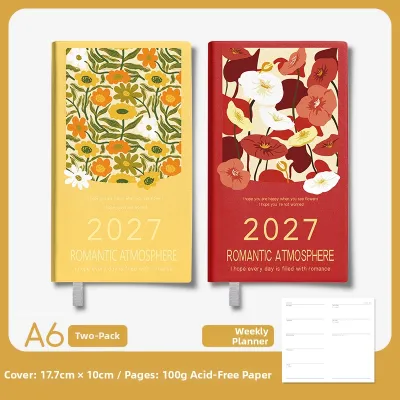
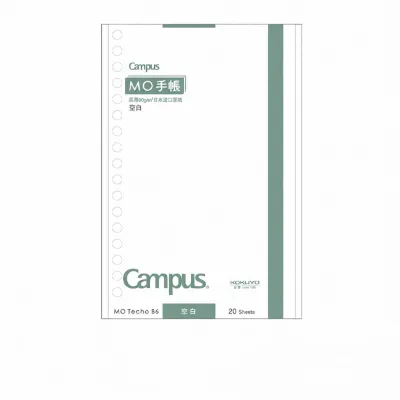
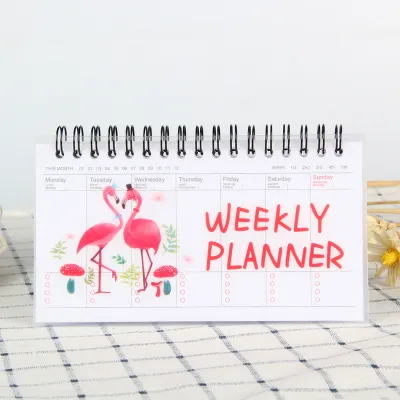
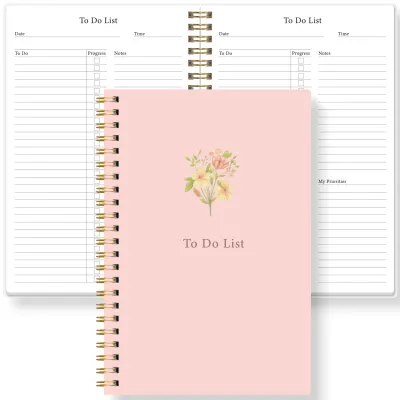
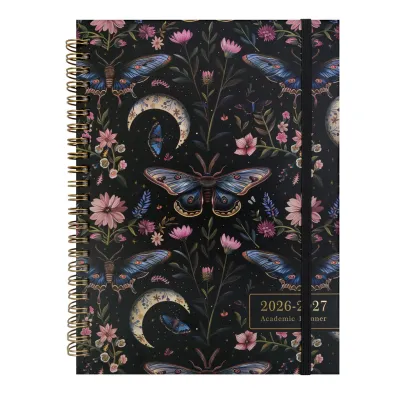
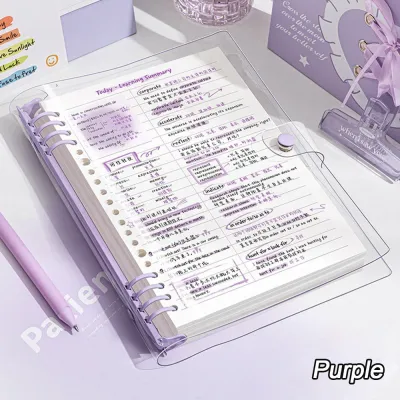
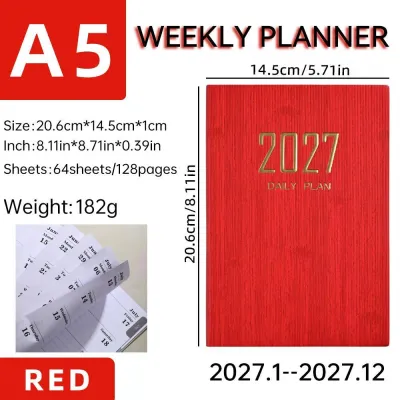
Prices are valid at publication and may change. Please refer to the product page for the latest price.
Time-blocking is highly suitable for individuals with packed, meeting-heavy schedules. This approach requires a vertical or horizontal daily column divided into hourly or half-hourly increments, allowing you to visualize your day as a series of distinct time blocks. If your day is driven by appointments and strict deadlines, a structured hourly layout prevents overcommitment and keeps you on track.
Task-listing, on the other hand, suits action-oriented individuals who focus on deliverables rather than specific times. If your day consists of a fluid list of tasks that can be completed at any point, you require a layout dominated by checkboxes, bullet points, and open-ended note spaces. A rigid hourly grid can feel restrictive and lead to wasted space if your schedule does not follow a strict timeline.
Reflective journaling combines daily planning with mindfulness, memory keeping, or gratitude logging. This style requires a hybrid layout that offers a small section for daily tasks alongside a large, blank, lined, or dot-grid space for free-form writing. If you use your planner to process thoughts, document daily highlights, or sketch ideas, look for brands that prioritize open space over pre-printed prompts.
Schedule density and portability are equally critical practical considerations. If you carry your planner daily on the MRT or buses, a compact B6 or A6 size with a lightweight cover is highly advantageous. However, if your planner remains on your office desk, a larger A5 or B5 format provides the expansive writing surface needed for detailed daily logs without causing hand strain.
Singapore’s tropical climate introduces unique environmental challenges for paper products. High relative humidity can cause thin, untreated paper fibers to absorb moisture, leading to limp pages and increased ink feathering. When choosing a brand, consider how the cover material and paper sizing will withstand daily exposure to humid air and transition between air-conditioned offices and outdoor environments.
What to Look for in Brands Offering Structured Layouts
Structured daily planners are designed for meticulous time management and high-density scheduling. Brands specializing in these layouts provide rigid, pre-printed frameworks that eliminate the need to draw your own grids. When evaluating these brands, pay close attention to the precision of their time-tracking elements.

Look for daily pages that feature clear hourly increments, typically running from 6:00 AM to 10:00 PM, or even full 24-hour timelines for shift workers. The pre-printed lines should be crisp but printed in a muted color, such as light grey or pale blue, so they do not distract from your handwriting. Dedicated sections for daily priorities, water intake, and habit tracking add functional value without cluttering the page.
Because structured planners encourage heavy daily use with various writing instruments, paper quality is paramount. If you prefer fine-tip gel pens, liquid ink rollerballs, or highlighters to color-code your schedule, verify the paper’s weight and coating. Look for brands specifying a paper weight of at least 80 GSM (grams per square meter) to minimize ghosting, which is the visibility of writing on the reverse side of the page.
For those who use fountain pens, paper weight alone does not guarantee compatibility. You must look for brands that utilize highly sized paper, which has been chemically treated to resist liquid absorption. This treatment ensures that water-based inks sit on top of the paper rather than soaking into the fibers, preventing feathering and bleed-through even on thinner pages.
Binding is another critical factor for structured desk planners. A planner that refuses to lie flat can be incredibly frustrating during a busy workday. Look for thread-sewn bindings, often referred to as Smyth sewn, which allow the notebook to open a full 180 degrees without damaging the spine. Alternatively, wire-o or spiral bindings allow you to fold the planner completely back on itself, saving valuable desk space.
Key Features in Brands Designed for Flexible Formats
If your daily routine changes constantly, a highly structured planner can lead to empty pages and a sense of guilt. Flexible format brands offer adaptable systems that accommodate fluctuating workloads, spontaneous brainstorming, and non-linear note-taking. These systems often utilize dot grid patterns, modular inserts, or undated pages.
Dot grid formats, typically featuring a 5mm spacing, are the gold standard for flexible planning. The dots provide just enough guidance to write in straight lines or draw quick check-boxes, yet they remain unobtrusive enough to ignore when you want to sketch or write diagonally. This format is ideal for bullet journaling, where you create your own daily logs, weekly spreads, and collection pages as needed.
Modular systems, such as disc-bound or ring-bound planners, offer unparalleled customization. These brands allow you to physically add, remove, and rearrange pages within the notebook. If you have a day filled with extensive meeting notes, you can insert a blank page directly behind your daily log, keeping all relevant information together without disrupting the chronological flow of your planner.
When evaluating disc-bound or ring-bound brands, check the durability of the punching system and the rings themselves. Metal rings and aluminum discs offer smoother page turning and greater longevity than plastic alternatives. Additionally, ensure the brand offers a wide variety of paper refills, including lined, grid, blank, and specialized project management templates, to support your evolving needs.
For flexible planning, built-in navigation aids are essential to prevent your notebook from becoming a chaotic mess. Look for brands that include pre-printed index pages, numbered pages, and multiple ribbon markers. These features allow you to quickly cross-reference daily logs with project notes, ensuring that important information is never lost in a sea of pages.
Evaluating Brands That Support Creative Freedom
Creative planners use their notebooks as a canvas for visual planning, sketching, memory keeping, and mixed media. If you enjoy decorating your daily pages with brush pens, watercolors, heavy inks, stickers, and photos, you must prioritize structural durability and heavy-duty paper specifications.
Standard planner paper will quickly buckle, bleed, or tear under the moisture of watercolors or heavy ink washes. For creative applications, seek out brands that offer ultra-thick paper, typically ranging from 120 GSM to 160 GSM. This heavy-weight paper behaves similarly to cardstock, providing a sturdy base that can handle wet media and heavy layering without transferring ink to the next page.
Coated paper is highly beneficial for creative planning because it slows down ink absorption. This delay allows for beautiful shading with fountain pen inks and seamless blending with water-based brush markers. However, coated paper also increases drying times, so you may need to use blotting paper or allow extra time before closing your notebook to prevent smudging.
As you add stickers, photos, and ephemera to your daily pages, your planner will inevitably expand in thickness, a phenomenon often called the “alligator mouth” effect. To accommodate this growth, look for planners with a flexible, expandable spine or a robust ring-bound system. Stiff, tightly glued case bindings can crack or split under the pressure of an overstuffed notebook.
Cover durability and closure mechanisms are also vital for protecting your creative work. A sturdy hardcover made of water-resistant polyurethane (PU) leather or heavy bookcloth protects the edges of your pages from fraying. A strong elastic band closure, a magnetic snap, or a wrap-around strap is essential to keep the notebook tightly closed, preventing pages from bending when tossed into a bag.
A Pre-Purchase Checklist for Daily Planner Notebooks
Before purchasing a daily planner notebook from an online marketplace or a local stationery boutique, use this checklist to verify that the specifications match your physical constraints and writing preferences.
- Confirm the Dimensions: Measure your daily carry bag and desk space. An A5 planner (148mm x 210mm) is a versatile standard, while a B6 (125mm x 176mm) offers a more portable compromise. Ensure the physical thickness and weight of the notebook will not make your bag uncomfortably heavy during your daily commute.
- Verify Paper Specifications: Look for explicit manufacturer claims regarding paper weight (GSM) and ink compatibility. If you use fountain pens, search for terms like "fountain pen friendly" or "bleed-resistant." Avoid brands that do not specify paper weight if you plan to use anything other than standard ballpoint pens.
- Assess the Binding Style: Open the notebook to a middle page and check if it lies flat naturally. If purchasing online, look for product descriptions that explicitly mention "180-degree lay-flat" or "Smyth sewn binding." Avoid stiff, glued bindings if you dislike holding your planner open with one hand while writing.
- Evaluate the Refill Ecosystem: If you choose a modular ring-bound or disc-bound system, research the long-term availability and cost of refills. Ensure that standard paper sizes (such as A5 6-ring or Personal 6-ring) are compatible, so you are not locked into a single proprietary brand that may be difficult or expensive to source locally.
- Check Cover and Closure Quality: Inspect the cover material for durability. In Singapore's humid climate, high-quality PU leather, treated canvas, or plastic covers resist moisture better than untreated paperboard. Ensure there is a reliable closure mechanism to protect your pages from accidental damage.
Frequently Asked Questions (FAQ)
Can I use a standard notebook as a daily planner?
Yes, you can easily repurpose a standard notebook as a daily planner, though there are distinct trade-offs to consider. The primary advantage of using a standard notebook is complete layout freedom and zero wasted pages; if you skip a day, you simply start the next entry on the very next line without leaving blank dated pages. It is also generally more cost-effective than purchasing a dedicated, pre-printed daily planner.
However, this approach requires a significant time investment. You must manually draw or stamp your own calendars, daily grids, and tracking systems, which can become tedious and lead to planning fatigue. If you prefer a ready-to-use system that saves time and provides immediate structure, a dedicated daily planner brand is a more efficient choice.
How do I prevent ghosting and bleed-through in my planner?
To prevent ghosting and bleed-through, you must match your writing instruments to your planner’s paper specifications. Start by checking the manufacturer’s stated paper weight; paper that is 100 GSM or higher generally resists ghosting from standard gel pens and highlighters. For fountain pens and wet inks, look for paper that has been specifically sized or coated to prevent liquid absorption.
Before writing extensively in a new planner, always perform a pen test on the very last page or a dedicated swatch card. Test all your favorite pens, markers, and highlighters, noting how long the ink takes to dry and whether any color bleeds through to the reverse side. If you experience ghosting, switch to a drier writing instrument, such as a classic ballpoint pen, a fine-liner with water-resistant pigment ink, or a colored pencil.
Community discussion
Share your experience or ask a question. Comments are reviewed before publication.