
Selecting the right school supplies can be surprisingly nuanced, especially when a simple item like masking tape comes in dozens of variations. For parents preparing their children for art classes, co-curricular activities, or Design and Technology (D&T) projects in Singapore, choosing the wrong tape can lead to torn masterpieces, sticky desk surfaces, and classroom frustration. The ideal masking tape depends heavily on your child’s grade level, which directly dictates their fine motor skills, safety requirements, and the complexity of their school projects.
For lower primary students (Primary 1 to 3), the primary goal is ease of use and paper protection. Upper primary students (Primary 4 to 6) require versatile tapes that can support three-dimensional structures and mixed-media builds. Secondary school students need high-precision tapes for fine art or heavy-duty options for complex construction. Understanding these grade-specific needs ensures your child has the right tool for the job while keeping school property undamaged.
Key Masking Tape Specifications for School Art Projects
To choose the right tape, it helps to understand the three core specifications that define how masking tape performs in a classroom setting: width, adhesion level, and backing material.
Products mentioned in this guide
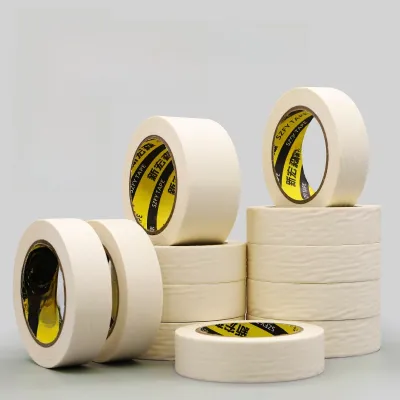
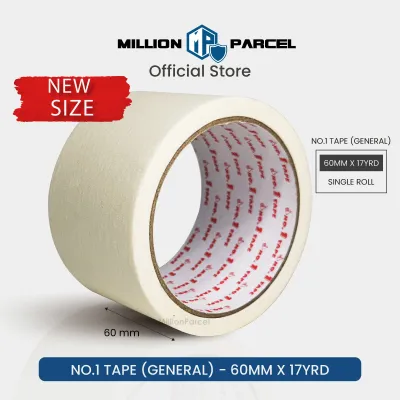
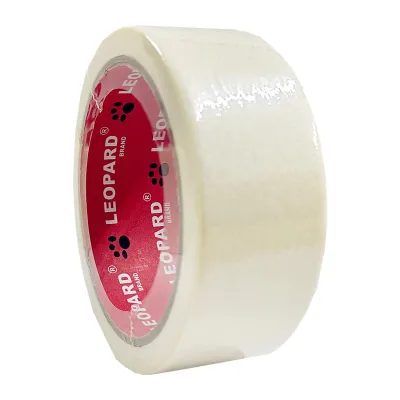
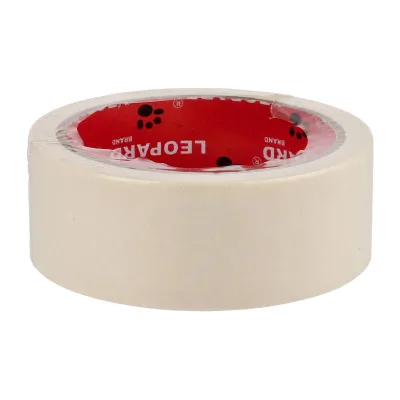
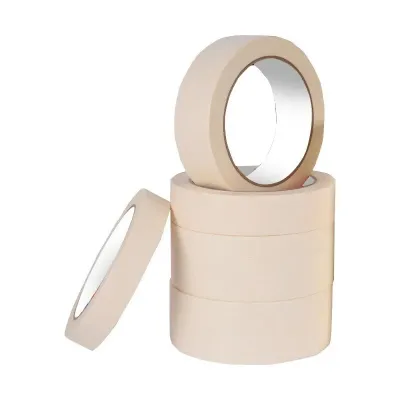
Prices are valid at publication and may change. Please refer to the product page for the latest price.
Tape Width and Its Uses
- Narrow Widths (10mm to 15mm): These rolls are ideal for creating precise borders in watercolor painting, masking fine details, or executing geometric art designs. They are lightweight and easy for small hands to manipulate.
- Standard Widths (24mm): Often referred to as standard utility tape, this is the most versatile size for general school crafts, labeling folders, and securing paper to drawing boards.
- Wide Widths (36mm to 48mm): These wider tapes are best suited for structural reinforcement, covering large surface areas, or taping down protective newspaper on art room desks.
Adhesion Levels and Surface Interaction
- Low Adhesion (Low-Tack): Designed specifically for delicate surfaces. It peels away effortlessly without lifting paper fibers, making it perfect for drawing paper, sketchbooks, and delicate school worksheets.
- Medium Adhesion: The standard utility grade. It provides a balanced grip on cardboard, plastic, and heavier drawing papers, holding shapes together while remaining relatively easy to peel off within a short timeframe.
- High Adhesion: Best for heavy-duty applications. It bonds strongly to wood, metal, canvas, and thick cardboard, ensuring structural joints remain intact during complex builds.
Backing Material and Tearability The backing material determines how easily a child can use the tape independently. Standard masking tape features a crepe paper backing, which has a textured, slightly stretchy quality that allows it to be torn easily by hand in any direction. Washi tape uses thin, smooth paper, which offers clean edges and excellent tearability. Ensuring a tape is hand-tearable is a major safety and efficiency benefit in the classroom, as it eliminates the need for sharp scissors or bulky tape dispensers.
Lower Primary (Primary 1–3): Gentle and Easy-to-Tear Tapes
During the lower primary years, children are still developing their fine motor skills and bilateral coordination. In primary schools, art lessons at this stage involve delicate materials such as standard construction paper, thin drawing sheets, and lightweight paper.

Using a tape with high adhesion on these delicate papers is a recipe for torn artwork and frustration. Lower primary students need low-adhesion masking tape that can be repositioned easily. If a child misaligns a border or places a piece of tape in the wrong spot, they should be able to peel it off and try again without ripping their drawing.
Hand-tearability is a critical safety and practical consideration for younger children. Managing scissors while holding a roll of tape can be challenging and presents unnecessary safety risks in a busy classroom. Crepe-backed masking tapes or paper-based tapes can be torn effortlessly by seven-to-nine-year-olds using just their fingers, fostering independence and confidence during art periods.
Washi-style paper masking tapes are an outstanding option for this age group. They are incredibly gentle, come in a wide array of bright colors and patterns, and can be peeled off and repositioned multiple times. This makes them highly forgiving for early learners who are still mastering spatial awareness and craft assembly.
Upper Primary (Primary 4–6): Versatile Tapes for 3D and Mixed Media
As students progress to upper primary, their art curriculum expands to include more complex, three-dimensional projects, such as shoe-box dioramas, recycled material sculptures, and mixed-media compositions.
For these structural projects, low-adhesion tapes are no longer sufficient. Students require medium-adhesion masking tape that provides enough holding power to secure heavier materials like corrugated cardboard, plastic bottles, and aluminum foil. The tape must act as a temporary or permanent binder while glue dries, or serve as the structural joint itself.
It is highly beneficial to provide your child with at least two different tape widths during these years. A narrow roll (12mm to 15mm) is perfect for masking clean borders on painting projects or creating sharp lines in mixed-media work. A standard 24mm roll should be kept on hand for structural assembly, securing heavy cardboard joints, and labeling group project components.
While upper primary students need stronger hold, the tape must still balance strength with clean removal. During collaborative classroom sessions, students often tape their projects directly to school desks, whiteboards, or presentation panels. A quality medium-adhesion tape will hold firmly during the lesson but peel away cleanly at the end of the day, leaving no sticky residue that could damage school property or require extensive cleaning by teachers.
Secondary School: Precision and Heavy-Duty Tapes for Advanced Art
Secondary school students engage in highly specialized subjects, including fine arts, technical drawing, and Design and Technology (D&T). These subjects demand professional-grade materials that can deliver precise results and withstand rigorous physical processes.
For fine arts, watercolor painting, and acrylic work, secondary students require high-precision, low-bleed masking tapes. Professional-grade Japanese washi tapes are the gold standard here. Their ultra-thin profile prevents paint from seeping under the edges, ensuring razor-sharp geometric lines and immaculate borders when peeled away. These tapes are designed to release cleanly even from highly textured watercolor paper.
Conversely, D&T projects often involve woodworking, acrylic fabrication, or metalwork. For these applications, students need heavy-duty, high-adhesion masking tapes. These tapes must hold pieces of timber together during gluing, protect acrylic sheets from scratches during cutting, or withstand the vibrations of light drilling and sanding without slipping or tearing.
At this level, environmental durability also becomes a factor. Secondary school art portfolios and D&T prototypes are often displayed in open-air school galleries or stored in classrooms for several weeks or months. Standard cheap tapes can dry out, turn yellow, and leave a permanent, crusty residue when exposed to ambient light and humidity. Choosing high-quality tapes rated for long-term clean removal ensures your child’s hard work remains pristine throughout the grading period.
Cross-Grade Compatibility: Can One General-Purpose Tape Work?
It is tempting to buy a single, budget-friendly roll of general-purpose utility masking tape from a local hardware store and expect it to serve all your children’s school needs. However, these utility tapes are typically designed for home painting or industrial packaging and carry significant limitations for schoolwork.
Their adhesive is often highly aggressive and formulated for drywall or wood, meaning it will easily tear delicate drawing paper or school worksheets. Furthermore, industrial-grade adhesives are prone to leaving sticky, yellow residues over time, which can ruin textbook covers and school folders.
A single ‘medium’ tape is often a poor compromise. It will be too sticky and destructive for a Primary 1 student’s delicate paper collage, yet lack the structural strength required for a Secondary 3 student’s wooden D&T model.
To avoid these issues, the most practical approach is to maintain a simple, two-tape stationery kit at home. Keep one roll of low-adhesion paper tape or washi tape for delicate art, watercolor painting, and younger children’s crafts, and one roll of standard medium-adhesion crepe paper masking tape for structural projects, labeling, and older children’s 3D models.
Practical Tips for Storing and Using Masking Tape in a Humid Climate
Singapore’s tropical climate, characterized by high temperatures and relative humidity, can quickly degrade adhesive products. Over time, high humidity causes the adhesive on masking tape to become gooey, soft, or transfer permanently to the backing, rendering the entire roll unusable.
To extend the lifespan of your child’s tape, store the rolls in a cool, dry place away from direct sunlight. Keeping tape in a sealed plastic container with a small silica gel packet is an excellent way to shield it from ambient moisture. Avoid leaving tape rolls in hot school bags or near windows where temperature fluctuations are extreme.
Additionally, always teach your child to perform a quick adhesion test before starting a project. Applying a small strip of tape to a scrap piece of the same paper or material will immediately reveal whether the tape is too sticky or has lost its grip, preventing accidental damage to their final, graded schoolwork.
Frequently Asked Questions (FAQ)
What is the difference between masking tape and clear sticky tape for crafts?
Masking tape features a paper backing that is easily torn by hand, accepts paint or pencil markings, and uses a pressure-sensitive adhesive designed for clean removal. Clear sticky tape (cellulose or plastic-backed) is generally permanent, difficult to tear without a dispenser or scissors, repels water-based paints, and is highly likely to tear paper fibers or leave permanent residue if removal is attempted.
How do I safely remove masking tape residue from school books or desks?
For paper surfaces or school books, allow any moisture to dry, then gently rub a clean, soft vinyl eraser over the residue to ball it up for easy removal. For hard, non-porous surfaces like school desks, apply a tiny drop of cooking oil or baby oil to a microfiber cloth, rub gently to break down the adhesive, and wipe clean with mild soapy water. Always verify school property care guidelines before applying any cleaning agents.
Community discussion
Share your experience or ask a question. Comments are reviewed before publication.