
Choosing between a magnetic and a non-magnetic wall whiteboard for teaching with letter sets comes down to a fundamental physical capability. If your curriculum relies on physical, movable letter sets, number tiles, or magnetic flashcards, a magnetic wall whiteboard is the essential choice. A non-magnetic board lacks the steel backing required to hold these tools, rendering standard magnetic teaching aids unusable without awkward workarounds.
For educators, the whiteboard is the central hub of the classroom. When planning lessons, you must evaluate how often students will interact physically with the board. If your teaching style involves phonics instruction, spelling drills, or interactive sentence building where letters are constantly rearranged, a magnetic surface is indispensable. It allows for swift, tactile transitions that keep young learners engaged.
On the other hand, if your lessons are primarily lecture-based, relying on written diagrams, vocabulary lists, or math equations drawn with dry-erase markers, a non-magnetic board is highly functional. It serves as an excellent canvas for writing without the added cost of magnetic properties.
Products mentioned in this guide
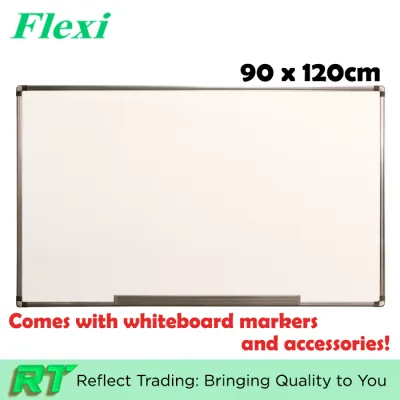
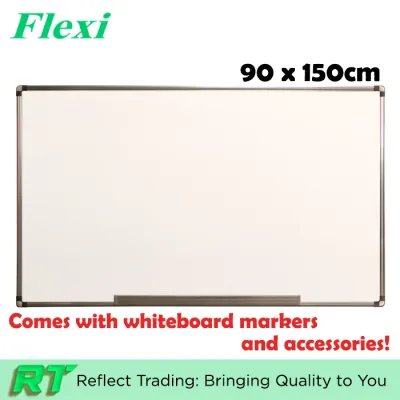
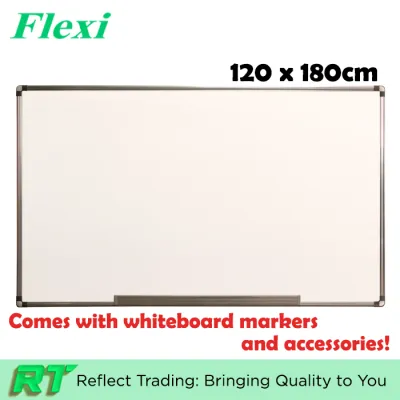
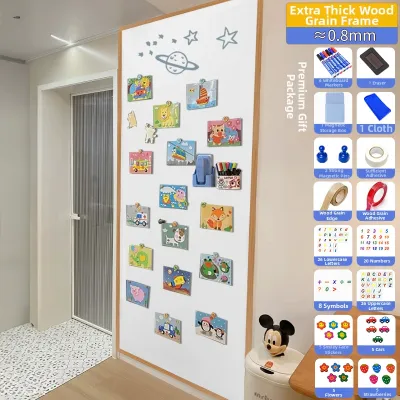
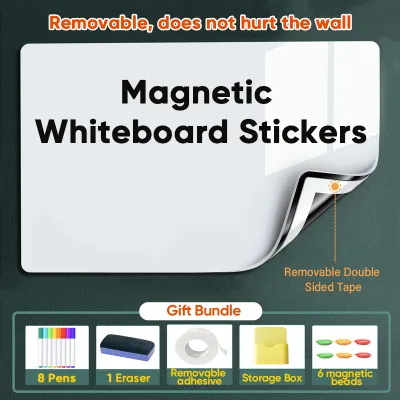
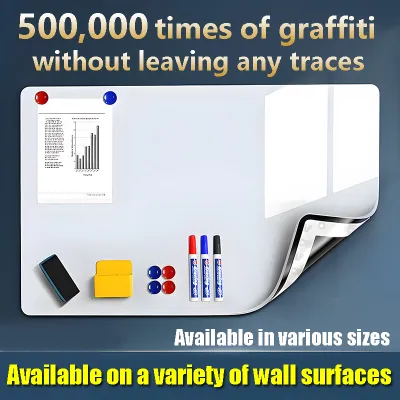
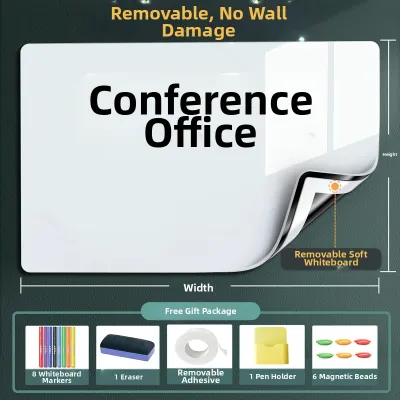
Prices are valid at publication and may change. Please refer to the product page for the latest price.
If you already have a non-magnetic board and occasionally need to display physical items, you must consider alternative display methods. These include using pocket charts, adhesive-backed hook-and-loop fasteners, or temporary tape. However, these alternatives often damage the board’s surface over time, leave sticky residues that attract dust, or slow down the pace of your lesson as you struggle with adhesives.
Magnetic Wall Whiteboards: Capabilities and Classroom Fit
Magnetic wall whiteboards are engineered with a metallic layer beneath the writing surface, typically made of steel. This steel core is what allows magnetic letters, numbers, and dry-erase organizers to cling securely to the board. For early childhood educators and language teachers, this capability transforms a simple writing surface into an interactive learning center where students can physically manipulate letters to form words.
When selecting a magnetic board, it is crucial to understand that not all magnetic surfaces are created equal. The magnetic pull strength depends heavily on the thickness of the steel core and the type of writing surface applied over it. Painted steel boards offer moderate magnetic pull and are highly common in standard classrooms. Porcelain-on-steel (often called ceramic) boards feature a thicker, more robust steel backing and a highly durable fired-glass surface, providing stronger magnetic attraction and exceptional resistance to wear.
Before purchasing, always check the manufacturer’s specifications regarding the steel core thickness and recommended magnet types. Some heavy-duty educational letter sets require a stronger magnetic pull to prevent them from sliding down the board. Lightweight plastic letters with small, exposed magnets might struggle to hold on boards with thin metal backings or thick glass surfaces.
Maintenance is another vital factor to consider when using magnetic aids on a whiteboard. Constant sliding of plastic or wooden letter sets can cause micro-scratches on the surface over time. These scratches can trap dry-erase ink, leading to a phenomenon known as “ghosting,” where old writing remains visible even after erasing. To prevent this, look for boards with scratch-resistant coatings, and encourage students to lift the letters rather than dragging them across the surface.
Regular cleaning is essential to keep a magnetic board in top condition. Using a soft microfiber cloth and a dedicated whiteboard cleaning spray helps remove ink residue and skin oils left behind by busy hands. Avoid abrasive cleaners or rough sponges, as these will strip away the smooth topcoat, permanently damaging both the writing quality and the erasability of the board.
Non-Magnetic Wall Whiteboards: Capabilities and Classroom Fit
Non-magnetic wall whiteboards are typically constructed from materials like melamine, high-pressure laminate, or non-magnetic glass. Melamine is a lightweight, budget-friendly plastic-coated fiberboard that provides a smooth writing surface but lacks any metal backing. While these boards are excellent for standard dry-erase writing, they cannot support magnetic letters or any other magnetic teaching aids.

Attempting to use magnetic letters on a non-magnetic board leads to immediate frustration. Without a steel core, the letters will simply slide off and fall to the floor. Teachers who try to adapt these boards by applying magnetic tape directly to the surface often find that the tape adhesive degrades, leaves a stubborn residue, or ruins the dry-erase properties of that section of the board.
Despite these limitations, non-magnetic boards have a clear and valuable role in educational environments. They excel in spaces dedicated purely to written instruction, brainstorming, or high-level problem-solving. For secondary school classrooms, lecture halls, or staff rooms where physical letter sets are never used, a non-magnetic board offers a highly functional, lightweight, and cost-effective solution.
Because they lack a heavy steel core, non-magnetic boards are significantly lighter and easier to install. This makes them ideal for temporary classrooms, partition walls, or areas where wall-mounting options are structurally limited. They provide a reliable, smooth writing experience without the added weight or expense of magnetic capabilities.
Comparing Key Dimensions for Educational Environments
When deciding which board to install in your classroom, comparing their physical and financial characteristics is essential. Durability is a primary differentiator. Magnetic boards, particularly those with a porcelain-on-steel surface, are built to withstand decades of heavy daily use. They resist denting, scratching, and staining far better than standard melamine non-magnetic boards, which may need replacement after a few years of intense classroom activity.
The erasability and smoothness of a whiteboard depend heavily on the exact combination of the board’s surface material and the dry-erase marker ink used. To ensure clean erasing without ghosting, perform an observable trial: write a small test stroke on an inconspicuous corner of the board, let it dry completely for several minutes, and verify if it wipes away cleanly without leaving a shadow.
Installation requirements also vary significantly between the two types. Due to the steel backing, magnetic whiteboards are considerably heavier than their non-magnetic counterparts. Mounting a large magnetic board requires sturdy wall anchors and, ideally, secure attachment to wall studs to ensure safety in a room filled with active children. Non-magnetic melamine boards can often be mounted with simpler hardware, making installation faster and less demanding on your facility’s walls.
Cost is another major consideration for school budgets. Magnetic whiteboards carry a price premium due to the materials and manufacturing processes involved. In Singapore, outfitting multiple classrooms with high-quality magnetic boards represents a larger upfront investment in S$ than choosing standard non-magnetic options. However, this cost must be weighed against the long-term educational value and the potential need to replace cheaper, less durable non-magnetic boards sooner.
To help visualize these differences, the following table summarizes the key characteristics of each whiteboard type:
| Feature | Magnetic Wall Whiteboard | Non-Magnetic Wall Whiteboard |
|---|---|---|
| Surface Material | Painted steel, porcelain-on-steel, or magnetic glass | Melamine, high-pressure laminate, or standard glass |
| Letter Set Compatibility | Excellent; holds magnetic letters and teaching aids securely | None; letters will not stick without external adhesives |
| Durability & Longevity | High to extremely high; resistant to ghosting and wear | Moderate; prone to wear and ghosting over extended use |
| Relative Weight | Heavy; requires robust wall mounting and secure anchors | Lightweight; easier to mount on various wall types |
| Ideal Use Cases | Primary classrooms, language labs, and interactive lessons | Lecture halls, brainstorming spaces, and written-only lessons |
Making the Final Decision for Your Classroom
To make the right choice for your educational space, evaluate your daily teaching methods and long-term curriculum goals. If your lessons frequently involve hands-on phonics, spelling games, or interactive math activities using physical letter and number sets, investing in a magnetic wall whiteboard is highly recommended. The seamless integration of writing and physical manipulation creates a dynamic learning environment that justifies the higher initial cost.
Conversely, choose a non-magnetic board if your teaching relies almost exclusively on written explanations, diagrams, and digital presentations. If physical letter sets are not part of your curriculum, a high-quality non-magnetic board will meet all your writing needs while keeping your procurement and installation costs low. This allows you to allocate your budget to other essential classroom resources.
When using magnetic letter sets with young children, ensure the letters are constructed with securely embedded or fully enclosed magnets to prevent choking hazards. Additionally, because magnetic wall whiteboards are significantly heavier than non-magnetic ones, secure wall mounting with appropriate anchors is a critical safety requirement in any classroom environment.
Before making your final purchase, always verify the specific dimensions of the board against your available classroom wall space. Ensure there is sufficient clearance around the board for students to gather safely during interactive activities. Additionally, check the weight of your intended letter sets and match them with a board that specifies a compatible magnetic pull strength, ensuring a safe, functional, and inspiring teaching setup for years to come.

Community discussion
Share your experience or ask a question. Comments are reviewed before publication.