
Selecting the right notice board for a classroom is a foundational decision that directly shapes daily lesson delivery and student engagement. The ideal choice depends entirely on whether your primary teaching method relies on interactive magnetic manipulatives, displaying physical student work with pins, or writing daily lessons. There is no single universal winner; instead, educators must match the board’s material properties to their daily classroom activities. By evaluating how you interact with your display space, you can select a board that enhances your curriculum rather than becoming a passive wall fixture.
Identify Your Primary Classroom Display Needs
Before comparing specific board materials, it is essential to analyze how you and your students will interact with the display surface on a daily basis. Classroom environments vary widely, and a board that excels in a preschool setting might fall short in a secondary school seminar room. Start by assessing the frequency of using magnetic letters, numbers, and other educational manipulatives during your lessons. If your curriculum relies heavily on phonics games, interactive math grids, or movable storytelling elements, a highly receptive surface is critical.
Next, evaluate the volume of physical student artwork, certificates, or paper handouts that need to be displayed. If your primary goal is to showcase student achievements or maintain a semi-permanent information hub with thick cardstock and layered posters, you will need a surface that can securely hold physical fasteners. Consider whether these displays will change weekly or remain static for the entire school term.
Products mentioned in this guide
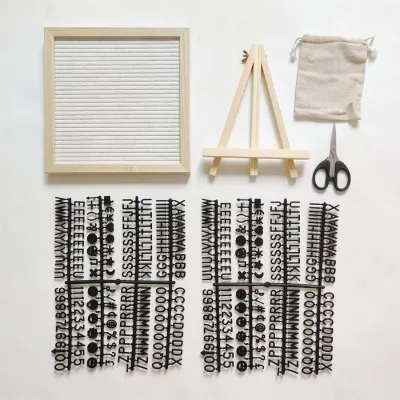
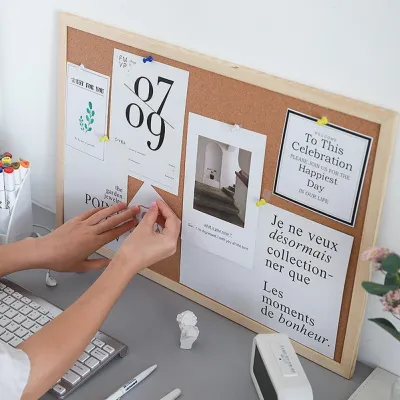
![[SG Stock] Frame Cork Board Message Board Photo Wall Background Board Home Decoration](https://img.lazcdn.com/g/p/c0d5811626a3aa6dc7f7a3321ae870de.jpg_400x400q80.jpg_.webp)
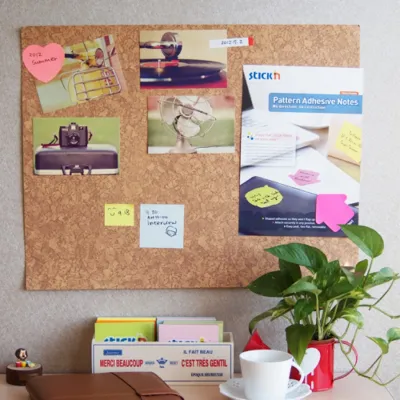
![[SG Stock] Cork Board | Cork Sheet | Pin Board | Journey Planner | Bulletin Board | Message Board](https://img.lazcdn.com/g/p/bae2bd72d73ade8ab7deaea56af5fac9.jpg_400x400q80.jpg_.webp)
Prices are valid at publication and may change. Please refer to the product page for the latest price.
Additionally, determine the need for direct writing, drawing, or interactive problem-solving during active instruction. A board that serves as a canvas for spontaneous explanations requires a smooth, easily erasable surface that can withstand constant dry-erase marker use. Recognizing that the ideal choice depends on balancing these specific teaching methods—rather than searching for a single, flawless material—will guide you toward a more practical and satisfying purchase.
Magnetic Boards: Evaluating Suitability for Interactive Manipulatives
Magnetic boards offer a highly interactive, tactile surface that is exceptionally well-suited for early childhood education and language development lessons. When evaluating these boards, your first step should be to verify compatibility with standard magnetic letters and the specific magnetic pull strength required to hold your educational manipulatives. Not all magnetic surfaces are created equal; some budget options use thin metallic sheets that may only support lightweight plastic magnets, while others feature robust steel backings capable of holding heavier wooden or rubber-backed learning aids.

One of the greatest advantages of a magnetic notice board is the ease of rearranging items quickly. Teachers can slide letters, flashcards, and schedule cards across the surface without damaging paper resources or leaving unsightly pinholes. This makes the magnetic board an excellent tool for dynamic, hands-on activities where students actively participate in spelling, sentence building, or sorting exercises at the front of the room.
However, magnetic boards do have distinct limitations when it comes to displaying heavy, non-magnetic items or thick student projects. Without additional accessories, such as magnetic clips, pockets, or heavy-duty magnetic pins, you cannot easily display standard paper drawings, three-dimensional crafts, or multi-page packets. Attempting to tape items to a magnetic board can also leave sticky residues that attract dust and degrade the surface over time.
To ensure long-term utility, always check the manufacturer’s specifications for surface care and the maximum weight limits for magnetic accessories. Some magnetic boards feature painted steel surfaces that require gentle cleaning to prevent scratching, while others utilize porcelain-on-steel, which offers superior scratch resistance and durability under heavy daily use.
Cork Boards: Assessing Durability for Pinning Student Work
For classrooms where displaying physical student achievements and layered paper resources is the top priority, the traditional cork board remains a highly reliable option. These boards are specifically designed to accommodate push pins, thumbtacks, and staples, making them ideal for securing thick paper, heavy cardstock, and multi-layered classroom displays. Whether you are setting up a seasonal bulletin board or pinning up a series of student art projects, cork provides a secure grip that holds up under the weight of physical materials.
When shopping for a cork notice board, it is crucial to inspect the durability of the cork surface itself. High-quality boards feature thick, resilient natural cork that exhibits “self-healing” properties, meaning the pinholes close up naturally once the pins are removed. In contrast, lower-grade boards often use a very thin veneer of cork over a cheap cardboard backing. Over time, repeated pinning in the same areas can cause these thin surfaces to crumble, degrade, and lose their holding power, eventually exposing the backing material underneath.
A clear limitation of standard cork boards is their complete lack of magnetic compatibility. You cannot use magnetic letters, numbers, or magnetic whiteboard accessories directly on a cork surface without installing separate magnetic strips or adhesive metal plates. This makes cork less suitable for interactive, spontaneous lessons that require moving manipulatives around quickly.
To ensure the board can withstand the rigors of a busy classroom, review the backing material and frame stability. A sturdy backing, such as high-density fiberboard (HDF) or medium-density fiberboard (MDF), combined with a robust aluminum or solid wood frame, will prevent the board from warping or pulling away from the wall when pins are frequently inserted and removed.
Whiteboards: Checking Utility for Daily Instruction and Writing
Whiteboards are the workhorses of modern classrooms, serving as the primary canvas for daily lesson plans, math problems, and interactive drawing. Their smooth surface allows for rapid writing and erasing, making them indispensable for active, spontaneous instruction. When a teacher needs to illustrate a concept, write down homework assignments, or have students solve problems in real-time, a whiteboard provides immediate utility without the dust associated with traditional chalkboards.
If you are considering a whiteboard as a multi-purpose notice board, you must verify if the board has a steel backing to support magnetic accessories. Non-magnetic whiteboards, often made of melamine (a plastic-coated wood product), are lightweight and inexpensive but will not hold magnets of any kind. Magnetic whiteboards, which feature a painted steel or porcelain-on-steel surface, allow you to combine writing with magnetic letters, magnetic document holders, and visual aids. However, you should check the required magnet strength, as painted steel surfaces sometimes require stronger neodymium magnets to hold up thick papers compared to premium porcelain surfaces.
While whiteboards excel at temporary displays, they have notable limitations when used for permanent or long-term notices. Leaving student work, schedules, or posters taped to a whiteboard for extended periods can lead to issues. Many adhesives leave behind a sticky residue that ruins the dry-erase properties of the board, making future writing in those areas difficult and prone to staining.
Furthermore, whiteboards require consistent maintenance to perform well. You must use high-quality dry-erase markers and establish a regular cleaning routine to prevent “ghosting”—the faint, permanent shadow of old writing. Always check the manufacturer’s guidelines regarding approved cleaning solutions, as harsh chemicals can strip away the board’s protective topcoat, permanently damaging its erasability.
Quick Comparison: Decision Factors for Classroom Notice Boards
To help you quickly evaluate your options, the following table summarizes how magnetic boards, cork boards, and whiteboards compare across key classroom dimensions.
| Board Type | Magnetic Letter Compatibility | Pinning Capability | Writing Surface Utility | Durability Checks | Ideal Use Case |
|---|---|---|---|---|---|
| Magnetic Board | Excellent (supports standard and heavy magnets) | None (requires magnetic clips or pockets) | None (cannot be written on with markers) | Check metal thickness and scratch resistance | Interactive phonics, spelling, and manipulative-based lessons |
| Cork Board | None (requires separate magnetic strips) | Excellent (supports push pins, tacks, and staples) | None (cannot be written on) | Check cork thickness and self-healing properties | Displaying student artwork, certificates, and multi-layered posters |
| Whiteboard | Excellent (only if steel-backed; melamine is non-magnetic) | None (requires magnetic clips or tape) | Excellent (designed for daily dry-erase writing) | Check for ghosting resistance and backing material | Daily instruction, math problem-solving, and temporary schedules |
Please note that specific weight limits, magnetic strength, and material longevity depend entirely on the manufacturer’s specifications and the product grade you select.
Final Decision Framework: Choosing Your Classroom Notice Board
Selecting the right notice board involves matching your primary teaching style with the physical constraints of your classroom. If your daily lessons revolve around hands-on student interaction, phonics games, and movable visual aids, choose a magnetic board. This option allows for rapid, damage-free adjustments and keeps students engaged with tactile learning tools without the safety concerns of sharp pins.
On the other hand, if your main goal is to create a dedicated gallery for student achievements, seasonal bulletin displays, and thick paper resources, a cork board is the most practical choice. It provides the secure holding power needed for layered materials and can withstand years of pinning and stapling, provided you select a board with a thick, high-density cork surface.
If your classroom requires a versatile tool for daily writing, drawing, and spontaneous explanations, a whiteboard is the logical centerpiece. To get the best of both worlds, look for a magnetic whiteboard with a steel backing, which allows you to write lesson outlines while occasionally attaching magnetic letters or lightweight paper notices with magnetic clips.
For classrooms with limited wall space, combination boards—such as half-cork, half-whiteboard designs—offer a highly efficient compromise. These hybrid options allow you to maintain a permanent display of schedules and student work on one side while keeping the other side clear for daily writing or magnetic activities.
Before making your final purchase, always verify the wall mounting requirements, available classroom space, and exact board dimensions. Ensure that the wall structure can safely support the weight of the board, especially if you are opting for a large, heavy-duty model designed for high-traffic educational environments.
Frequently Asked Questions (FAQ)
Can I use magnetic letters on a standard cork board?
No, standard cork is a non-magnetic, organic material that cannot hold magnets. If you already have a cork board but want to use magnetic letters, you can apply adhesive-backed magnetic strips or steel tape directly to the cork surface. However, for daily lessons that rely heavily on magnetic manipulatives, it is highly recommended to invest in a dedicated magnetic board or a steel-backed whiteboard to ensure a reliable, frustration-free connection.
How do I prevent a whiteboard from staining when used as a notice board?
To prevent staining and ghosting on a whiteboard used for notices, always follow the manufacturer’s cleaning instructions and use recommended dry-erase cleaners. Avoid using standard adhesive tapes, sticky notes with heavy glue, or mounting putty directly on the writing surface, as these can leave residues that trap marker pigment and ruin the board’s erasability. Additionally, avoid leaving dry-erase marker writing on the board for weeks at a time; erase lessons promptly and use magnetic document holders instead of tape to display paper notices.
What should I check before mounting a heavy notice board in a classroom?
Before mounting any heavy notice board, you must verify the wall type—such as drywall, concrete, brick, or hollow block—to select the correct wall anchors and screws. Check the total weight of the board, including any heavy frames, and ensure your mounting hardware is rated to support that weight. Always follow the manufacturer’s mounting instructions precisely, and if you have any doubts about the structural integrity of the wall or the safety of the installation in a high-traffic student area, consult a qualified professional installer.
Community discussion
Share your experience or ask a question. Comments are reviewed before publication.