
Quick Answer: What Defines a High-Quality Magnetic Drawing Board?
A high-quality magnetic drawing board for kids must balance structural durability with drawing precision. When comparing options, look for impact-resistant casings made of thick ABS plastic and a hermetically sealed screen to prevent leaks. Drawing precision depends on high cell density within the honeycomb screen, which ensures sharp lines, and a calibrated magnetic stylus that responds smoothly without requiring heavy pressure. Rather than relying on marketing claims, parents can identify the best boards by performing simple physical checks on frame flex, slider resistance, and line clarity.
Evaluating Build Quality and Durability for Active Kids
Active play in Singapore households—whether on tiled living room floors or during outdoor trips to local parks—demands a robust casing. Look for frames constructed from thick-walled ABS (acrylonitrile butadiene styrene) plastic. This material offers superior impact resistance compared to thin, brittle polystyrene shells often found in generic models. A simple squeeze test along the edges can reveal structural weakness; if the plastic flexes or creaks under moderate hand pressure, the board is highly susceptible to cracking when dropped.

The drawing screen is the most vulnerable component of the board. It consists of a honeycomb grid filled with magnetic powder suspended in a viscous liquid, sandwiched between two plastic sheets. High-quality boards feature reinforced, double-walled edges and deep-set screens that sit below the bezel level to prevent direct impact during face-down falls. Inspect the ultrasonic welding or physical seals along the screen perimeter; any gap can lead to fluid leakage, rendering the board unusable.
Products mentioned in this guide
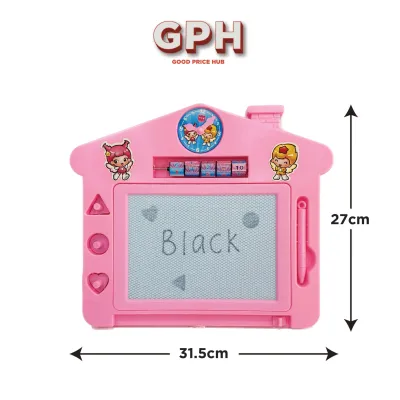
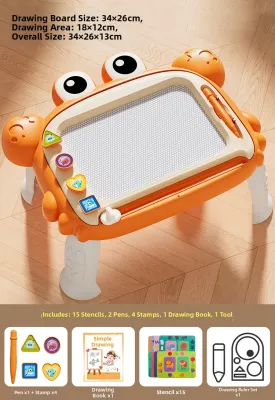
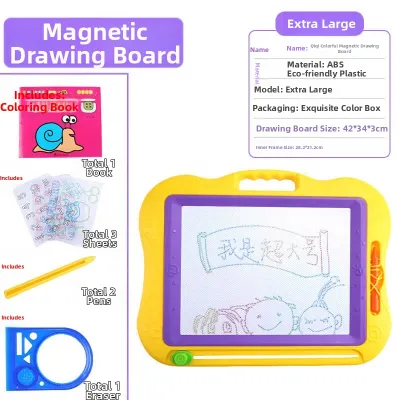
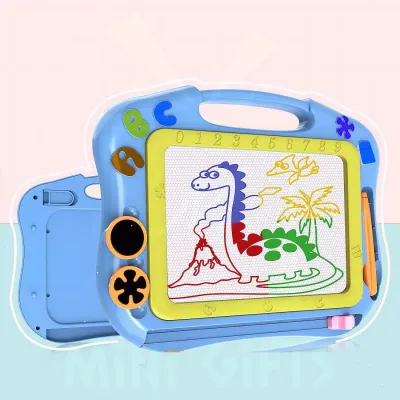
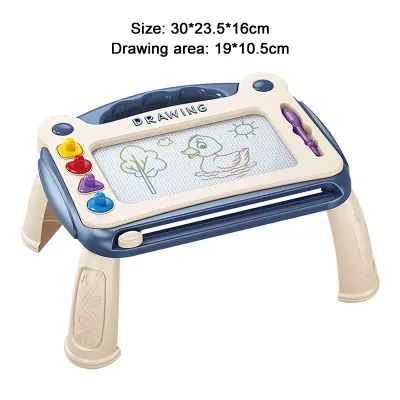
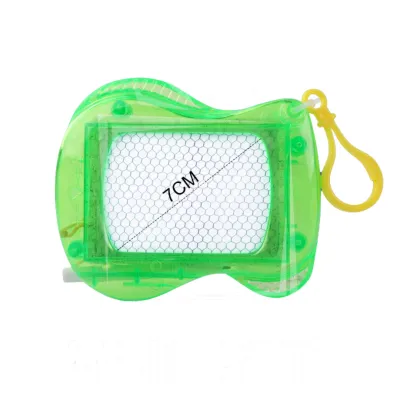
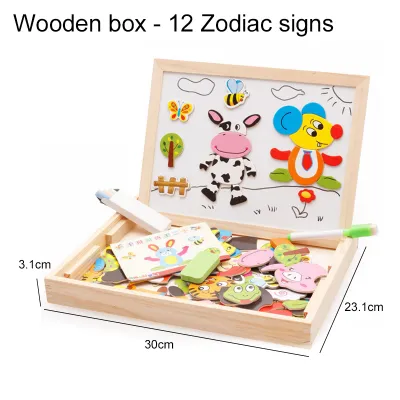
Prices are valid at publication and may change. Please refer to the product page for the latest price.
Many boards include built-in carrying handles or folding legs for angled drawing. Examine the hinge joints of these legs; they should snap securely into place with robust plastic detents rather than loose friction fits. Handles should be molded directly into the main frame rather than attached as separate, thin plastic pieces. A solid, single-piece frame construction minimizes the number of failure points during daily transport and rough handling by toddlers.
Assessing Drawing Precision and Stylus Response
The drawing experience depends heavily on the internal honeycomb structure. High-precision boards utilize a high-density cell matrix. When the cells are smaller and packed tightly together, the magnetic particles are confined to smaller areas, resulting in sharper, more defined lines. Conversely, low-density screens have larger cells, which cause lines to look fuzzy, pixelated, or run together. The outer screen surface should have a slight matte texture to prevent the stylus from slipping too easily, allowing for better control.
The stylus is the primary interface for drawing. The magnetic tip must be securely encased in a metal or durable plastic collar. The magnet’s strength must be carefully calibrated: if it is too weak, it will fail to pull the magnetic particles to the surface, resulting in faint, broken lines; if it is too strong, it will drag particles from adjacent cells, causing thick, messy strokes. Check if the stylus is ergonomically shaped for small hands, featuring a textured grip. Compatibility with replacement styluses or magnetic stamps adds versatility, but ensure these accessories also feature securely embedded magnets that do not fall out.
A common frustration is a stiff or ineffective eraser slider. The clearing bar behind the screen uses a wide magnet to pull the particles back down to the bottom of the cells. A high-quality slider moves smoothly across the track with minimal resistance, clearing the screen completely in one or two passes. If you observe “ghosting”—faint, lingering lines after erasing—it indicates either a weak eraser magnet, poor alignment of the internal clearing bar, or degraded viscous fluid inside the cells. Testing the slider repeatedly during a physical inspection is the best way to verify its long-term reliability.
Navigating Brand Tiers and Design Approaches
Premium legacy brands focus heavily on ergonomic research, proprietary sealing techniques, and rigorous quality control. Their boards often feature double-walled frames, highly calibrated magnetic styluses, and screens that maintain high contrast over years of use. While they represent a higher initial investment, their durability makes them a cost-effective choice for families with multiple children or for heavy classroom use.
Mid-range established toy brands offer a balanced compromise. They typically feature sturdy ABS construction and reliable magnetic mechanisms, often paired with engaging design elements like colorful multi-zone screens (where different quadrants display different colors) and integrated stamp sets. Their pricing is accessible, making them excellent gifts. While they may not have the ultra-fine line precision of premium drafting-focused boards, their durability is more than sufficient for everyday creative play.
Budget or generic options, widely available on online marketplaces, are highly affordable but come with variable quality control. The plastic casings are often thinner, and the screen cells may be larger, leading to lower drawing resolution. The eraser sliders can be prone to jamming or leaving significant ghosting. If choosing a budget option, it is essential to perform a thorough physical inspection immediately upon delivery, checking for screen cracks, loose parts, and slider functionality.
Safety Checks and Age-Appropriate Features
Safety is paramount when selecting stationery and toys for young children. The primary risk with magnetic drawing boards is the ingestion of small magnets or plastic parts. Ensure the stylus is securely attached to the board with a durable, braided nylon tether. The tether should be long enough to allow comfortable drawing across the entire screen but short enough to prevent entanglement hazards. Magnetic stamps must be constructed as single, solid molded pieces with deeply embedded magnets that cannot be pried loose by curious fingers.
Look for clear labeling indicating compliance with international safety standards, such as EN71 (Europe) or ASTM F963 (US), which verify that the plastics used are non-toxic, BPA-free, and free from harmful phthalates. This is especially important for toddlers who may put the stylus or the board’s edges in their mouths.
Unlike digital tablets, magnetic drawing boards do not emit blue light, making them excellent for eye comfort. However, a high-contrast screen with a matte finish is still desirable to reduce glare from overhead lights in bright indoor spaces. The board’s weight should be light enough (typically under 500 grams) for a toddler to carry comfortably without strain, yet heavy enough to remain stable on a table or lap during drawing sessions.
Decision Framework: Matching the Board to Your Child's Needs
To make the right choice, consider your child’s age, developmental stage, and primary usage scenario.
Choose premium legacy brands if you are purchasing for an older child (ages 4 and up) who is developing fine motor skills and requires high drawing precision for writing letters or detailed sketching. These boards offer the structural integrity and line clarity needed for focused learning activities and will withstand years of daily use.
Choose mid-range established brands if you want a versatile, colorful toy for toddlers (ages 2 to 4) who enjoy sensory play, stamping, and casual scribbling. The multi-color screens and interactive stamps provide excellent engagement, while the sturdy frames handle the inevitable drops of early childhood.
Opt for budget options primarily for temporary use, such as keeping a child entertained during a flight or a long car ride, where the risk of losing the toy is high. If you choose this route, immediately verify the physical seals, test the slider for smooth operation, and check the retailer’s return policy to ensure you can exchange the item if it arrives with screen defects or loose components.
Frequently Asked Questions (FAQ)
How do I fix a magnetic drawing board that won't erase completely?
Incomplete erasing is usually caused by physical obstructions or temporary displacement of the internal clearing bar. First, inspect the slider track on the back or bottom of the board for any trapped dust, lint, or small debris that might prevent the slider from traveling its full distance. Gently clean the outer screen surface with a soft, dry microfiber cloth to remove static buildup. Slide the eraser slowly and firmly from side to side three to four times to allow the internal magnet to realign the particles. Avoid using sharp objects, liquids, or excessive downward force on the slider mechanism. If the slider feels physically jammed or loose inside the casing, stop using the board and consult the manufacturer for repair or replacement options.
Can I use a regular magnet or metal object instead of the included stylus?
It is highly recommended to use only the stylus provided by the manufacturer. Strong household magnets, such as neodymium fridge magnets or magnetic building blocks, possess magnetic fields that are far too powerful for the delicate honeycomb cells of the drawing board. Using them can permanently magnetize the internal particles or distort the cell walls, leading to permanent dark spots or dead zones that can no longer be erased. Additionally, using blunt metal objects like keys, coins, or regular pens can scratch or puncture the protective plastic screen layer, leading to leaks of the internal viscous fluid. If you lose the original stylus, look for manufacturer-approved replacement styluses designed specifically for kids’ drawing boards to preserve the screen’s precision and lifespan.
Community discussion
Share your experience or ask a question. Comments are reviewed before publication.