
Selecting the right magnet wall board for teaching early literacy is a balancing act between physical space, child ergonomics, and physics. To support a young child’s letter-learning activities effectively, a magnet wall board should have a minimum size of 60 cm x 90 cm to allow ample room for word building, while the magnetic surface must feature a high-pull steel backing (such as painted steel or porcelain-on-steel) rather than a thin magnetic foil. This ensures that standard 3D plastic or foam educational letters—which often have small, recessed magnets—remain firmly in place without sliding down the board during play.
By focusing on these physical specifications, parents can create an engaging, frustration-free learning environment. A board that is too small limits spelling activities to single words, while a board with weak magnetic attraction causes letters to slip, disrupting a child’s focus and fine motor development. Below is a detailed guide on how to evaluate size, magnetic strength, surface materials, and safety features to find the ideal board for your home.
Why Board Size and Magnetic Pull Matter for Early Literacy
When young children interact with physical letters, their learning is deeply tied to gross and fine motor movements. A magnet wall board serves as a tactile canvas where toddlers and preschoolers transition from recognizing individual shapes to building complete words. If the board is too small, a child’s physical engagement is restricted. They need enough physical space to sweep their arms, group letters by color or shape, and line up characters from left to right. Placing a board within their natural physical reach encourages independent play, allowing them to approach the board and interact with it spontaneously without needing adult assistance.
Products mentioned in this guide
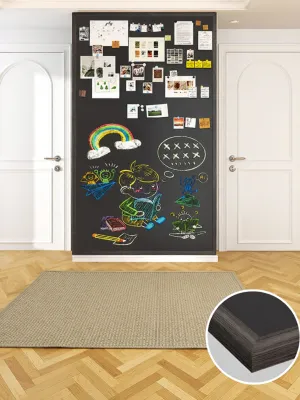
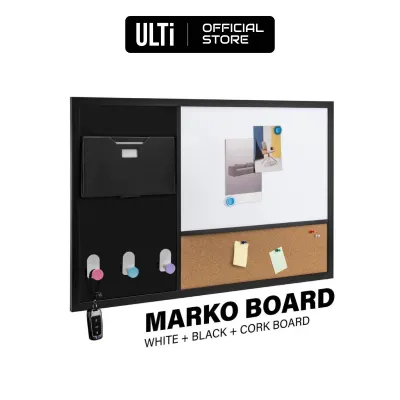
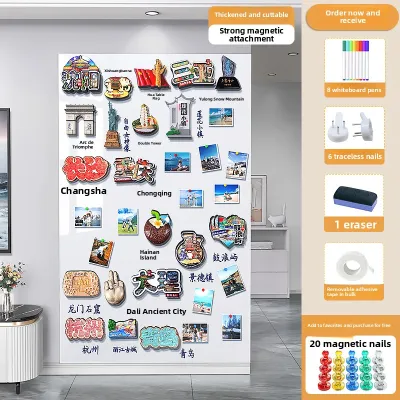
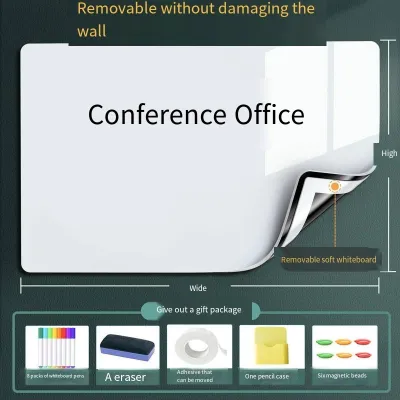
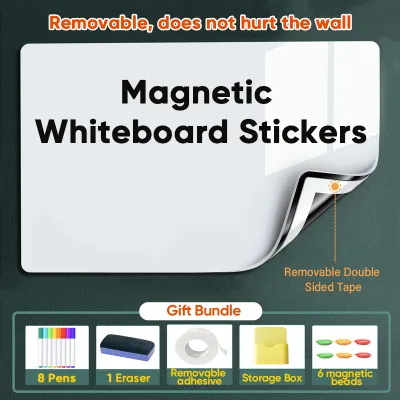
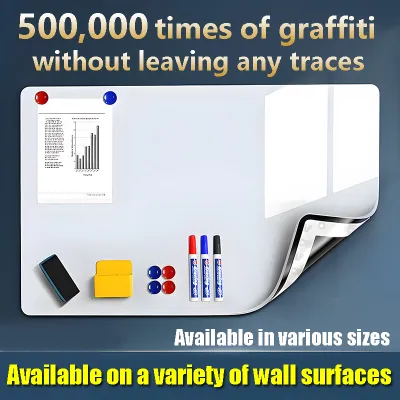
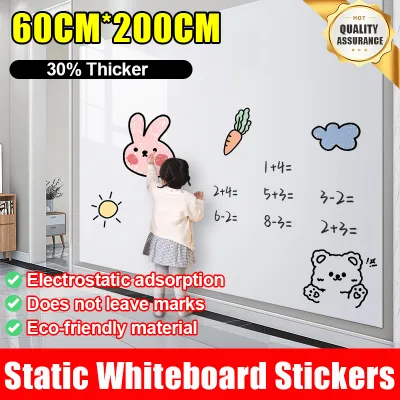
Prices are valid at publication and may change. Please refer to the product page for the latest price.
Equally critical is the board’s magnetic holding power. Educational magnetic letters, particularly those made of molded plastic or thick foam, require a highly receptive surface to stay upright. Weak magnetic pull causes letters to slide, tilt, or drop to the floor at the slightest touch. This sliding behavior is highly frustrating for a child who is concentrating on spelling a word like “cat” or “dog.” When a letter slips, the cognitive flow of phonics practice is broken, and the child’s attention shifts from literacy to physical frustration.
To prevent these interruptions, parents must look beyond aesthetics and evaluate the core technical specifications of the board. The selection process involves analyzing four key dimensions: the physical dimensions relative to your child’s height, the thickness and grade of the magnetic backing, the durability of the writing surface, and the structural safety of the installation. Balancing these factors ensures the board remains a safe, durable, and highly functional educational tool for years.
Sizing the Board: Matching Dimensions to Child Reach and Wall Space
Toddler Reach Zones
To determine the optimal height and width of a wall-mounted board, you must first measure your child’s comfortable reach zone. For toddlers aged two to three, who typically stand between 85 cm and 95 cm tall, the active vertical play zone lies between 40 cm and 80 cm from the floor. For preschoolers aged four to six, with heights ranging from 100 cm to 115 cm, the comfortable reach zone extends up to 110 cm. Mounting a board too high forces children to stretch or use step stools, which introduces safety risks. Mounting it too low leads to uncomfortable crouching. The ideal placement ensures the center of the board aligns with the child’s shoulder height when standing.

Compact vs. Expanded Formats
Compact boards, measuring roughly 45 cm x 60 cm, are highly portable and work well in tight spaces. These smaller dimensions are suitable for early toddlers who are focusing on basic letter recognition, matching uppercase to lowercase, or tracing single letters. However, as children progress to phonics and sentence building, compact boards quickly become crowded. An expanded format, such as 60 cm x 90 cm or 90 cm x 120 cm, is necessary for older preschoolers. The extra width provides the horizontal runway needed to line up multiple words, build short sentences, and leave space on the side for sorting unused letters.
Aspect Ratio and Layout
Landscape orientation (horizontal) is almost always superior to portrait orientation (vertical) for literacy development. Reading and writing in English progress from left to right, and a wide landscape board naturally reinforces this directional flow. Portrait layouts are generally reserved for narrow wall spaces, such as structural columns or the sides of wardrobes. If you must use a portrait layout, ensure the board is wide enough (at least 60 cm) so that word-building exercises are not cut short.
Thickness and Weight
The overall dimensions of a magnetic board directly dictate its weight and structural demands. A solid steel board measuring 90 cm x 120 cm can easily weigh between 6 kg and 10 kg. In Singapore’s residential landscape, where home walls are typically constructed of solid concrete or drywall, the weight of the board is a major installation factor. Lightweight magnetic sheets or wallpapers are easier to install but often offer weaker magnetic pull, whereas heavy-duty framed steel boards provide superior magnetic performance but require robust wall mounting.
Assessing Magnetic Strength and Surface Quality for Letter Play
Understanding Magnetic Grades
Magnetic boards do not actually contain magnets; instead, they are made of magnetically receptive materials that attract the magnets embedded in the letters. The strength of this attraction depends on the amount of iron in the board. Solid steel sheets provide the strongest pull. In contrast, flexible magnetic sheets, magnetic paint, or lightweight magnetic wallpapers contain iron dust suspended in plastic or adhesive. These option-type surfaces have a much lower magnetic receptiveness, making them unsuitable for heavier 3D plastic or foam letters.
The "Slide Test"
To verify if a board has sufficient magnetic strength before mounting it permanently, you can perform a simple slide test. Place a standard plastic magnetic letter on the board while holding it vertically. If the letter slides down even a few millimeters, or if it spins freely around its magnet, the board’s steel backing is too thin, or the surface coating is too slick. A high-quality board will hold the letter firmly in place. You should also be able to tap the frame of the board lightly without causing any of the letters to shift or fall.
Surface Material Comparison
The three most common surface materials for magnetic boards are painted steel, porcelain-on-steel, and melamine.
- Painted Steel: This is the most common and cost-effective option for home use, typically ranging from S$50 to S$150. It offers excellent magnetic pull and a smooth writing surface, though it can scratch if treated roughly.
- Porcelain-on-Steel (Ceramic): This premium option features a ceramic layer baked onto a steel sheet. It is incredibly durable, highly resistant to scratches, and completely immune to ghosting (staining from markers). It provides exceptional magnetic pull but is heavy and expensive, often costing over S$200.
- Melamine: These are budget-friendly boards made of plastic-coated wood fiberboard with a thin metal foil layer behind it. They are lightweight but prone to rapid wear, staining, and weak magnetic attraction.
Marker Compatibility
Since children frequently use dry-erase markers to trace around magnetic letters or draw pictures to match their spelled words, surface compatibility is vital. Ensure the board is rated for dry-erase use and possesses a high-quality non-porous coating. Always pair the board with low-odor, non-toxic dry-erase markers that carry safety certifications (such as AP non-toxic or EN71). Avoid using low-quality markers that can permanently stain or “ghost” the surface, especially in humid environments where ink can cure quickly on cheap plastic coatings.
Safety Features and Mounting Stability for Home Use
Edge Profiles and Framing
Children’s play areas require furniture and accessories with zero sharp edges. When shopping for a magnet wall board, avoid industrial models with exposed, sharp metal borders. Look for boards designed with rounded plastic corner caps or smooth, sanded wooden frames. If the board has an aluminum frame, ensure the corners are completely enclosed in protective, soft-touch plastic guards to prevent cuts, bumps, and scratches during active play.
Mounting Stability
Given the tropical, high-humidity climate of Singapore, relying solely on adhesive strips to hang a heavy magnetic board is highly risky. Over time, humidity can degrade the adhesive backing, causing the board to pull away from the wall and fall. For concrete walls, which are standard in most HDB flats and condominiums, the safest installation method is to drill and secure the board using plastic wall plugs (anchors) and screws. If you are mounting on drywall, ensure the mounting screws are anchored directly into the timber studs behind the plasterboard.
Anti-Tip and Easel Options
While wall-mounted boards are the safest option because they cannot be knocked over, some families prefer freestanding easels. If you choose an easel, it must feature an anti-tip design. Look for models with a wide, A-frame stance, non-slip rubber feet to prevent sliding on polished tile or vinyl flooring, and a locking crossbar that prevents the frame from collapsing. Avoid lightweight plastic easels that can easily tip over if a toddler pulls down on the frame to stand up.
Material Safety
Before purchasing, check the manufacturer’s product label for chemical safety certifications. The backing materials, frames, and painted coatings should be certified free of lead, phthalates, and formaldehyde. This is particularly important for boards framed with medium-density fiberboard (MDF), which can emit volatile organic compounds (VOCs) if not properly sealed and certified to meet low-emission standards.
Recommended Specification Profiles and Pre-Purchase Checklist
Profile A (Compact Starter)
- Target Age: 2 to 3 years old
- Recommended Dimensions: 60 cm x 60 cm or 45 cm x 60 cm
- Surface and Backing: High-pull painted steel
- Mounting Method: Flush wall-mounting with safety brackets, or a low-profile tabletop easel with rubber feet
- Primary Use: Single-letter matching, color sorting, fine motor skill development, and basic phonetic sound association
- Estimated Price Range: S$40 to S$80
Profile B (Expanded Learning)
- Target Age: 4 to 6 years old
- Recommended Dimensions: 60 cm x 90 cm up to 90 cm x 120 cm
- Surface and Backing: Premium painted steel or porcelain-on-steel
- Mounting Method: Permanent wall installation using heavy-duty masonry wall plugs and screws
- Primary Use: Sentence building, spelling games, interactive drawing, and writing practice with dry-erase markers
- Estimated Price Range: S$90 to S$250
Limitations and Trade-offs
When choosing between these profiles, consider that larger, high-pull boards offer the best educational longevity but require permanent wall space and drilling. They are heavy and difficult to relocate once installed. Conversely, compact boards are highly portable and easy to mount, but they will limit your child’s ability to build longer sentences or engage in collaborative play with siblings as they grow older.
Pre-Purchase Checklist
Use this five-point verification list before completing your purchase:
- Wall Compatibility: Have you confirmed your wall type (concrete vs. drywall) and selected the correct mounting hardware for the board's weight?
- Magnetic Backing: Is the board constructed with a solid steel sheet rather than a thin magnetic foil or magnetic paint?
- Frame Safety: Are the corners of the frame rounded or protected with soft-touch plastic caps?
- Surface Coating: Is the surface rated for dry-erase markers, and is it resistant to scratching and ghosting?
- Certifications: Does the product carry non-toxic certifications (such as EN71 or ASTM) for child safety?
Frequently Asked Questions (FAQ)
Can I use a standard office whiteboard for magnetic letters?
While many standard office whiteboards are magnetic, their magnetic pull is often optimized for holding lightweight paper documents with high-strength neodymium magnets. Educational magnetic letters use weaker, flexible magnetic strips that require a highly receptive steel backing to stay in place. Before repurposing an office whiteboard, perform a slide test with your child’s magnetic letters to ensure they do not slide down the surface.
How do I clean ghosting or marker stains off the magnet board?
To clean ghosting or stubborn marker stains, wipe the surface with a soft microfiber cloth dampened with a dedicated whiteboard cleaner or a mild solution of isopropyl alcohol. Avoid using abrasive scrubbing pads, window cleaners, or harsh chemical solvents, as these can strip away the dry-erase topcoat and permanently ruin the board’s surface. Always check the manufacturer’s care instructions to maintain the warranty.
Are foam magnetic letters too heavy for standard wall boards?
Foam magnetic letters are generally lightweight, but because they are thicker than flat vinyl magnets, they have a higher center of gravity. This thickness can cause them to pull away from the board if the magnetic backing is weak. To prevent foam letters from tipping or sliding, ensure your board features a solid steel sheet backing rather than a thin magnetic foil or magnetic paint layer.
Community discussion
Share your experience or ask a question. Comments are reviewed before publication.