
Macrame cotton cord is the foundational medium for modern knotting crafts, specifically engineered to hold structural shapes while remaining gentle on the hands. The physical construction of the cord—whether it is left as a single strand, twisted into rope, or braided into a sleeve—directly determines how your knots behave, how easily the material frays, and what kind of fringe you can achieve.
At its core, cotton is favored for its natural texture, impressive dye absorption, and biodegradability. These properties make it highly versatile for home decor projects, ranging from delicate jewelry to heavy-duty plant hangers.
However, not all cords labeled as cotton are identical. Many products on the market contain synthetic fiber blends, such as cotton-polyester mixes.
Products mentioned in this guide
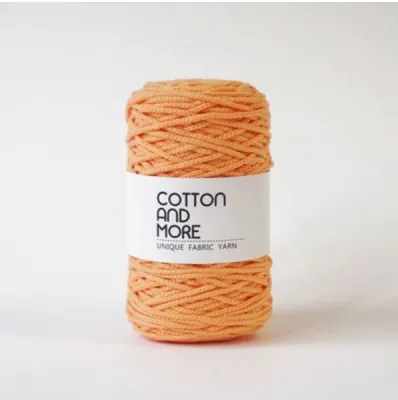
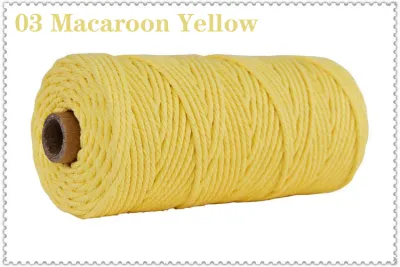
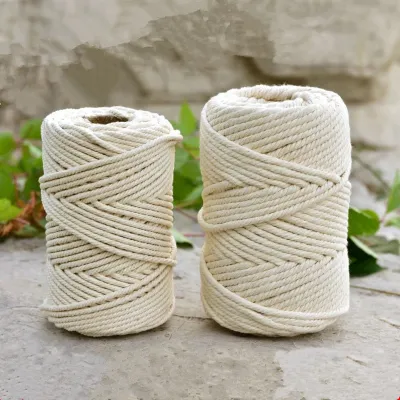
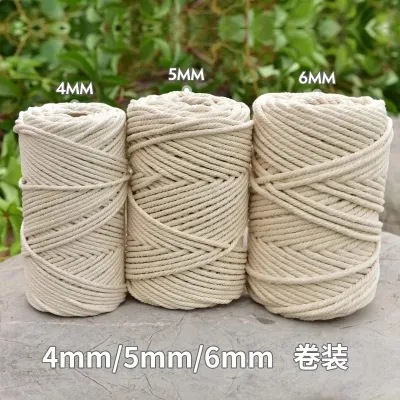
Prices are valid at publication and may change. Please refer to the product page for the latest price.
Before purchasing, craft makers should carefully inspect product labels and manufacturer descriptions. Synthetic additions will alter the baseline softness, reduce dye absorption, and change how the cord frays when brushed. Pure cotton remains the standard for projects requiring a soft, organic feel and clean, fluffy fringes.
Single-Strand Cotton Cord: Softness and Fringe
Single-strand cotton cord, often referred to as single-ply, represents the simplest form of macrame cord construction. It consists of hundreds of tiny cotton fibers combed in a single direction and lightly grouped together without being twisted into a traditional rope.
This parallel alignment of fibers gives single-strand cord an exceptionally soft, luxurious texture that is incredibly gentle on your fingers during long crafting sessions. Because the fibers are not locked together by tight twists, they can be brushed out effortlessly with a fine-tooth comb or a pet slicker brush. This makes single-strand cord the absolute best choice for creating fluffy, cloud-like fringes, feathers, leaves, and tassels.
If your project involves delicate wall hangings, intricate tapestries, or decorative coasters where a soft drape and prominent, straight fringe are the primary design elements, single-strand is your ideal material. The lack of twist allows the cord to lie flat, accentuating the subtle contours of your knots.
Despite its aesthetic appeal, single-strand cord has distinct structural limitations that crafters must consider. Because the fibers are only lightly bound, the cord has significantly lower structural strength compared to twisted or braided varieties. It is highly prone to untwisting, splitting, or breaking under heavy tension, and the loose fibers can easily snag on rough skin or jewelry during complex knotting sequences.
To ensure project success, always verify the manufacturer’s recommended tension limits before starting. Avoid using single-strand cord for load-bearing projects, such as heavy plant hangers or functional shelving, unless the product is explicitly rated for structural weight support.
Twisted Cotton Cord: Structure and Definition
Twisted cotton cord, commonly known as multi-ply rope, is the classic choice for traditional macrame. This cord is constructed by taking multiple single strands of cotton and twisting them together, usually in a three-ply (3-ply) or four-ply (4-ply) configuration, which creates a distinct rope-like structure with visible diagonal ridges.

This twisted design provides an excellent balance of flexibility and structural strength. The physical twist locks the fibers in place, allowing the cord to withstand significant tension without stretching or breaking. When knotted, twisted cord produces highly defined, crisp, and prominent knots that stand out in three dimensions, making it perfect for showcasing complex patterns.
Twisted cord is highly versatile and serves as the workhorse for a wide variety of functional projects. It is the preferred choice for plant hangers, market bags, structured wall hangings, and decorative pieces that require moderate weight support. The natural grip of the twisted strands helps knots stay securely locked in place over time.
However, twisted cord comes with its own set of handling challenges. The cut ends of a twisted cord can unravel rapidly while you work if they are not secured, which can lead to wasted material and messy knots. Additionally, while you can brush out twisted cord to create fringe, it requires significantly more physical effort than single-strand cord, and the resulting fringe will have a wavy or curly texture rather than a straight, fluffy appearance.
To manage unraveling during your crafting process, a simple and low-risk tip is to temporarily wrap the cut ends of your working cords with a small piece of masking tape or painter’s tape. This keeps the strands neatly aligned until you are ready to finish the piece.
Braided Cotton Cord: Durability and Smoothness
Braided cotton cord is engineered for maximum durability and a modern, clean aesthetic. Unlike single-strand or twisted options, braided cord is constructed by weaving or interlacing multiple cotton threads together, creating a smooth, uniform, and highly durable outer surface that resembles a tubular sleeve.
This interwoven construction gives braided cord exceptional resistance to unraveling and a very high tensile strength. It does not untwist during the knotting process, making it incredibly user-friendly for beginners who may need to undo and redo knots multiple times. The uniform thickness also ensures that your knots look perfectly consistent throughout the entire project.
Braided cord is the ultimate choice for items that will undergo heavy daily use, high tension, or significant weight-bearing. If you are crafting macrame furniture, hanging chairs, hammocks, dog leashes, pet accessories, or sturdy handles for heavy bags, braided cord provides the safety and structural integrity you need.
These performance benefits do come with trade-offs in flexibility and finishing options. Braided cord is noticeably stiffer to work with than twisted or single-strand cords, meaning you must pull your knots tightly to prevent them from slipping or loosening over time. Furthermore, because of the complex interwoven structure, it is virtually impossible to brush out braided cord into a traditional, fluffy fringe; attempting to do so will only result in frayed, messy ends.
When shopping for braided options, always check the cord’s core construction. Some braided cords feature a separate inner core (often made of polyester or filler fibers) wrapped in a braided cotton sleeve, which significantly increases structural strength but reduces overall flexibility and knot-holding ability.
How to Choose the Right Cord for Your Macrame Project
Selecting the perfect macrame cotton cord requires matching the physical properties of the material to the functional and aesthetic demands of your specific design. You must decide whether your project prioritizes soft, flowing fringe, highly defined knot patterns, or heavy-duty load-bearing capacity.
To help you make an informed decision, the table below compares the performance of single-strand, twisted, and braided cotton cords across four essential crafting dimensions.
| Cord Type | Knot Definition | Fringe Quality | Structural Strength | Ease of Brushing |
|---|---|---|---|---|
| Single-Strand | Soft and subtle | Excellent (straight and fluffy) | Low (not for heavy loads) | Very Easy |
| Twisted (Multi-Ply) | Sharp and prominent | Good (wavy or crimped) | Moderate to High | Moderate |
| Braided | Smooth and uniform | Poor (does not brush out) | High to Very High | Very Difficult |
Once you have identified the best cord type for your design, use this pre-purchase verification checklist to ensure your selected material meets your expectations:
- Check the thickness: Cord diameter is measured in millimeters (mm). Ensure the thickness matches your pattern requirements, as thin cords (1mm to 2mm) are best for jewelry, medium cords (3mm to 5mm) are standard for home decor, and thick cords (6mm and above) are reserved for large-scale installations.
- Confirm the ply count and material composition: Review the product tags or online specifications to verify if the cord is 100% natural cotton or a cotton-synthetic blend, as this affects dye absorption and texture.
- Review care instructions for colorfastness: If you plan to dye your finished project or use vibrant, pre-dyed cords, check the manufacturer's care guidelines to prevent bleeding or fading when exposed to light or moisture.
As a final best practice, always test any new cord on a small, disposable scrap piece before committing to a large-scale project. This allows you to observe its exact knotting behavior, feel its stiffness, and test its brushing results under real-world conditions.
Frequently Asked Questions (FAQ)
Can I use regular craft cotton yarn instead of macrame cord?
While standard cotton craft yarn can be used for micro-macrame, jewelry, or very small decorative items, it generally lacks the thickness, structural integrity, and knot definition required for standard home decor macrame. Standard knitting or crochet yarn is designed to be highly pliable and elastic, which often causes larger macrame knots to sag, lose their shape, or collapse under their own weight. For best results, always check the cord’s ply and thickness specifications to ensure the material can handle the physical and structural demands of your specific pattern.
How do I prevent cotton macrame cord from fraying during a project?
To manage fraying while working, you can use physical, fully reversible methods such as wrapping the cut ends of your cords tightly with masking tape or painter’s tape. For a permanent seal on finished pieces, applying a small amount of clear fabric glue or a commercial fray-check liquid to the cut ends can prevent unraveling over time. Always test any chemical fray preventers or glues on a hidden scrap piece of cord first to ensure they do not discolor the cotton fibers or leave an unsightly, stiff residue on your finished project.
Community discussion
Share your experience or ask a question. Comments are reviewed before publication.