
Selecting the right Christian calendar depends on how you structure your daily quiet time, your preferred pace of study, and your writing habits. Rather than choosing a format based solely on aesthetic appeal, matching the calendar’s structural design to your spiritual routine ensures that your daily stationery remains a functional tool rather than an unused notebook. Whether you seek historical continuity, daily reflective prompts, or a structured path through scripture, understanding how these layouts function will help you establish a sustainable daily practice.
Each calendar type serves a distinct theological and practical purpose. By evaluating how each format handles time, scripture, and writing space, you can select a tool that complements your existing habits. Below, we explore the three primary formats to help you identify the layout that aligns with your personal worship style.
Understanding the Three Main Types of Christian Calendars
Liturgical calendars are structured around the historical church year, tracking sacred seasons, feast days, and traditional lectionary readings. Rather than following the standard civil calendar from January to December, the liturgical year typically begins with Advent in late November or early December. It guides you through a cyclical journey including Christmas, Epiphany, Lent, Easter, and Ordinary Time. This format is highly visual, often utilizing traditional liturgical colors—such as purple for preparation, white for celebration, and green for growth—to signal seasonal shifts. It is designed to connect your daily reflections with the global and historical rhythms of the wider church community.
Products mentioned in this guide
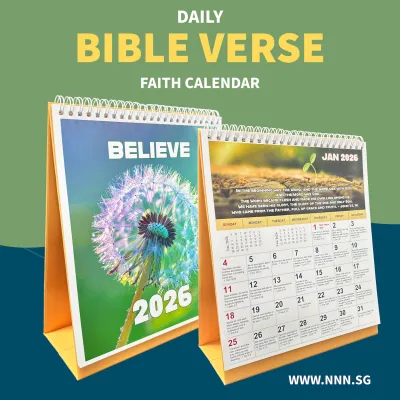
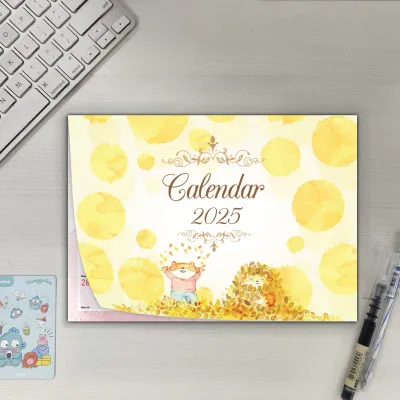
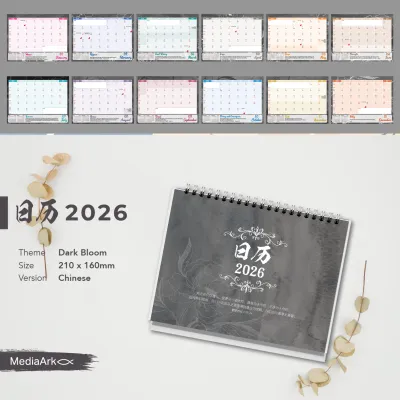
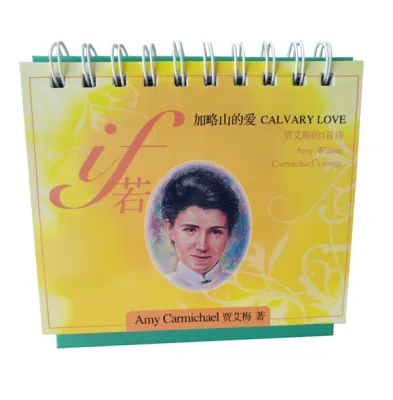
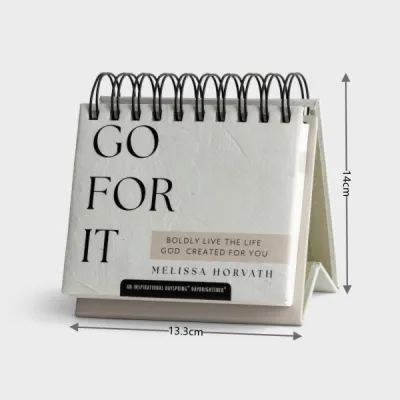
Prices are valid at publication and may change. Please refer to the product page for the latest price.
Devotional calendars focus primarily on daily personal reflection, thematic spiritual growth, and guided prayer. These layouts typically dedicate a single page or a structured block to each day, featuring a selected scripture verse, a brief written reflection, and a closing prayer or application prompt. The primary goal of a devotional calendar is to provide immediate, digestible spiritual encouragement that can be completed in a short window of time. They are often highly thematic, focusing on specific areas of life such as mindfulness, family, gratitude, or vocational calling, making them excellent entry points for consistent daily habits.
Bible reading plan calendars prioritize systematic scripture coverage, chapter tracking, and study pacing. Instead of offering external commentary or thematic reflections, these calendars provide a structured roadmap to read through specific books, the New Testament, or the entire Bible within a set timeframe, such as one year. The layout is highly functional, often featuring checkboxes, tracking grids, and daily chapter assignments. This format is designed for readers who want to engage directly with the biblical text itself, offering a clear visual representation of progress and helping to maintain momentum through longer historical or prophetic books.
Key Dimensions for Comparing Christian Calendars
When choosing between these formats, pacing and flexibility should be your first considerations. A rigid daily calendar with specific dates and assigned readings can provide excellent structure, but it can also feel overwhelming if you miss a day or fall behind. If you prefer a self-paced approach, look for undated calendars or weekly tracking layouts that allow you to catch up without leaving blank pages. Conversely, if you thrive on external accountability, a dated daily calendar with pre-assigned readings provides the clear boundaries needed to keep you on track.

Layout and writing space are equally critical, especially if you enjoy journaling, note-taking, or keeping prayer lists. Minimalist desk or wall calendars offer quick visual reminders but provide almost no space for personal writing. If you prefer to write down your thoughts, look for journal-style planners that feature wide margins, dot-grid sections, or dedicated blank pages alongside the daily calendar entries. Consider how much physical space you need to write comfortably; a cramped layout can quickly discourage you from recording your daily reflections.
Finally, consider the thematic focus that best supports your current spiritual goals. If you are drawn to historical tradition, ancient prayers, and the collective rhythm of the global church, a liturgical calendar offers a rich, historically grounded experience. If you are looking for practical, everyday application and personal encouragement, a devotional calendar provides accessible, thematic insights. For those who want to focus on deep, academic study and direct engagement with scripture, a Bible reading plan calendar provides the necessary structure without the distraction of external commentary.
Matching the Calendar to Your Spiritual Practice
To select the most suitable format, evaluate your primary spiritual goals and daily constraints. If your goal is to align your personal worship with global church seasons and historical liturgy, choose a liturgical calendar. This format is particularly beneficial if you attend a liturgical church or wish to introduce structured, seasonal reflections into your home. It helps you experience the life of Christ and the history of the church as a continuous, repeating cycle throughout the year.
If you prefer guided daily prompts and reflective journaling space, a devotional calendar is the most suitable choice. This format works well for individuals with busy schedules who want a focused, meaningful reflection to start or end their day. The pre-written devotionals act as a catalyst for personal prayer, making it easier to begin writing even when you are unsure where to start. It provides a gentle, guided structure that supports emotional and spiritual reflection.
If your main goal is to read through specific books or the entire Bible systematically, choose a Bible reading plan calendar. This format is ideal for goal-oriented readers who want to build a deep, direct familiarity with scripture. It eliminates the decision fatigue of deciding what to read each morning, allowing you to focus entirely on the text. The visual satisfaction of checking off completed chapters can be a powerful motivator for maintaining consistency over several months.
Before making your final choice, verify if your preferred calendar format requires supplementary tools to be fully effective. For example, a Bible reading plan calendar requires a reliable study Bible, while a liturgical calendar may require a separate journal to record your personal reflections. If you prefer an all-in-one solution, look for hybrid planners that combine calendar tracking with dedicated journaling pages, or consider using a modular binder system where you can insert custom reading trackers alongside your daily calendar pages.
Practical Checks Before Buying a Christian Calendar
Before purchasing your calendar, consider its physical size and portability to ensure it fits your daily environment. A large, heavy desk calendar or a wall-mounted format is excellent for a dedicated study space or family common area, but it cannot be easily carried in a bag. If you prefer to complete your readings during a daily commute, at a local café, or while traveling, a compact A5 or pocket-sized planner is much more practical. Ensure the physical dimensions align with where you actually intend to use the calendar.
Paper quality is a critical factor that directly affects your writing experience, especially when using specific stationery tools. If you prefer writing with fountain pens, dark gel pens, or wet highlighters, look for calendars featuring high-quality paper, typically 100 gsm (grams per square meter) or higher. Thinner paper can lead to ink bleeding through to the other side of the page, or ghosting, which makes the reverse side difficult to read. In humid climates like Singapore, ink drying times can also vary; testing your preferred pen on an inconspicuous back page of the calendar is a reliable way to verify compatibility before committing to daily use.
Finally, examine the binding and lay-flat design of the calendar. For a tool that you will write in daily, a true lay-flat binding—such as Smyth-sewn or wire-o spiral binding—is essential for comfort. Calendars with tight, glued perfect binding often require you to hold the pages down with one hand while writing with the other, which can quickly become frustrating during longer journaling sessions. A calendar that stays open naturally on your desk allows for a hands-free reading and writing experience, making your daily quiet time far more relaxing and enjoyable.
Frequently Asked Questions (FAQ)
Can I combine a liturgical calendar with a Bible reading plan?
Yes, combining these two formats is a highly effective way to balance seasonal reflection with systematic scripture study. You can use a liturgical calendar or wall chart to track the broader seasons of the church year and major feast days, while using a separate Bible reading plan insert or bookmark inside your daily study Bible. Many stationery brands offer modular planners where you can insert a printed reading tracker directly into a liturgical planner, allowing you to maintain both practices within a single, cohesive system.
What if I fall behind on my daily calendar readings?
Falling behind is a common challenge, and the key is to avoid letting a missed day discourage you from continuing. If you frequently struggle with rigid schedules, look for undated calendar formats that allow you to write in the dates as you go, ensuring no pages are wasted. Alternatively, choose a plan that includes built-in catch-up days—often scheduled on weekends—or simply shift your focus from strict completion to consistent, meaningful engagement. Remember that the calendar is a tool designed to serve your spiritual routine, not a rigid rulebook to be followed without flexibility.
Community discussion
Share your experience or ask a question. Comments are reviewed before publication.