
Lining fabric serves as the hidden foundation of a garment or accessory, providing structure, comfort, opacity, and durability. Selecting the appropriate lining requires understanding how different fibers, weaves, and weights interact with your outer fabric. This guide breaks down the material compositions and structural types of lining fabrics to help you make informed purchasing and sewing decisions.
In warm and humid climates, the choice of lining fabric directly impacts the wearability of a garment. A poorly chosen lining can trap heat and moisture, turning a beautifully tailored piece into an uncomfortable wear. Conversely, the right lining enhances drape, protects the outer fabric from body oils, and allows the garment to glide effortlessly over skin or other layers. By evaluating fiber content, weave structure, and care requirements, you can select a lining that complements your project perfectly.
Understanding Lining Fabric Materials and Their Characteristics
The base fiber composition of a lining fabric determines its breathability, skin comfort, and care requirements. Lining materials generally fall into three categories: natural, synthetic, and semi-synthetic or regenerated fibers. Each category offers distinct advantages and trade-offs that affect how the finished item behaves during wear and maintenance.
Products mentioned in this guide
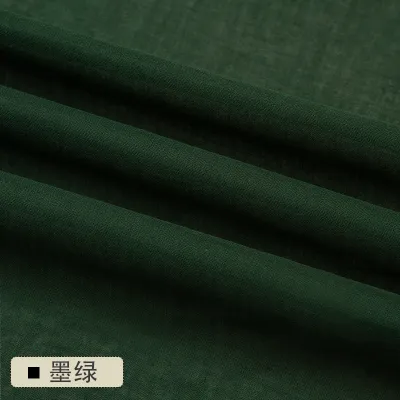
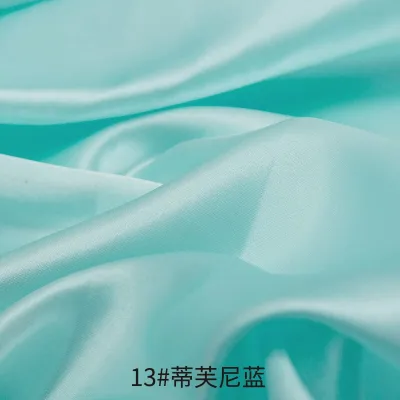
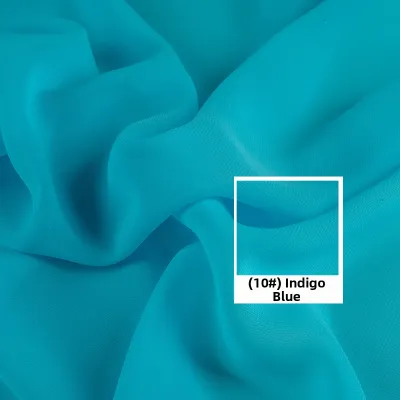
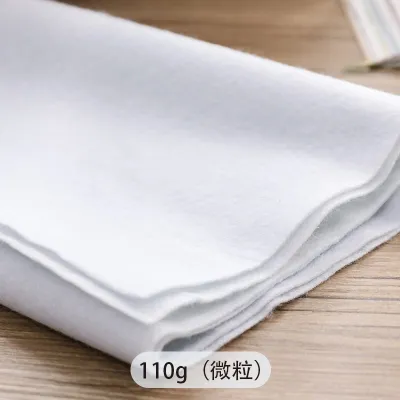
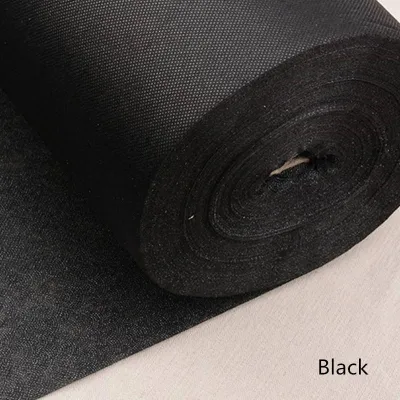
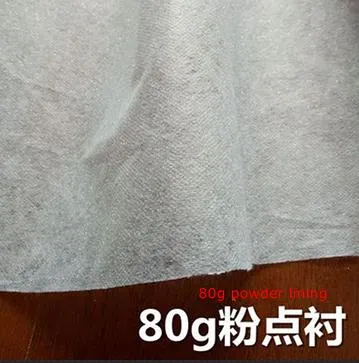
Prices are valid at publication and may change. Please refer to the product page for the latest price.
Natural fibers, such as cotton and silk, are highly valued for their exceptional breathability and comfort against the skin. Cotton linings, including voile, lawn, and batiste, are lightweight, absorbent, and easy to sew, making them excellent for casual wear and children’s clothing. However, cotton lacks the slippery texture needed for easy layering and is prone to wrinkling and shrinkage. Silk linings, like silk habotai or crepe de chine, offer a luxurious feel, natural temperature regulation, and a beautiful drape. Despite these benefits, silk is delicate, expensive—often costing upwards of S$20 to S$40 per meter—and typically requires dry cleaning or highly gentle hand washing.
Synthetic fibers, primarily polyester and nylon, are widely used due to their durability, cost-effectiveness, and excellent slip. Polyester linings are highly resistant to wrinkling, stretching, and shrinking, making them incredibly low-maintenance. They glide smoothly over other fabrics, which is essential for lining structured jackets and coats. However, synthetic fibers have low breathability and tend to trap heat and moisture, which can feel uncomfortable in humid weather. They are also highly prone to static cling, causing the fabric to stick to the body or other garments. Nylon linings share similar properties but offer superior strength and abrasion resistance, making them a popular choice for outerwear, activewear, and bag interiors.
Semi-synthetic and regenerated cellulose fibers, such as viscose, rayon, cupro, and acetate, bridge the gap between natural comfort and synthetic performance. Viscose and rayon are made from regenerated wood pulp, offering a silk-like drape, excellent moisture absorption, and a cool sensation against the skin. Cupro, often known by the brand name Bemberg, is a premium lining material made from cotton linter. It is highly breathable, anti-static, incredibly smooth, and durable, making it the preferred choice for high-end tailoring and suits. Acetate is another semi-synthetic option that provides a glossy, silk-like appearance at a lower price point, though it is less durable than polyester and often requires dry cleaning.
Choosing the Right Weave and Structure for Your Lining
Beyond fiber content, the weave and construction of a lining fabric dictate how it moves, stretches, and interacts with the outer shell. Matching the structure of the lining to the outer fabric prevents distortion and ensures the garment retains its intended shape.

Woven linings are the traditional choice for structured garments, jackets, and non-stretch outer fabrics. The specific weave style determines the fabric’s surface texture and weight. Habotai is a lightweight, plain-weave fabric that provides a soft, smooth layer without adding bulk, making it ideal for dresses and blouses. Twill weaves feature diagonal ribs that create a thicker, highly durable fabric suitable for heavy jackets, coats, and pocket bags. Satin weaves offer a high-gloss surface with exceptional slip, allowing coat sleeves to slide on effortlessly. Taffeta is a crisp, plain-weave fabric with a slight sheen that adds structure and body, making it a favorite for evening wear and tailored skirts.
Stretch and knit linings are essential when working with jersey, activewear, or any outer fabric containing elastane. Using a rigid, woven lining in a stretch garment will restrict movement, cause discomfort, and ultimately lead to popped seams or torn fabric. Tricot is a warp-knit fabric that offers stable, run-resistant stretch, making it perfect for lining knit dresses and light activewear. For garments requiring maximum elasticity, such as swimwear or high-performance athletic gear, a polyester or nylon lining blended with spandex ensures the lining stretches and recovers in tandem with the outer shell.
Specialty backings, such as fleece, flannel, and quilted fabrics, are used when extra warmth or structure is required. Flannel and fleece linings add a soft, insulating layer to winter coats, casual jackets, or the interiors of tech sleeves and bags. Quilted linings feature a layer of fiberfill batting stitched between a smooth lining fabric and a backing, providing both thermal insulation and structural support for heavy-duty utility jackets or structured bags.
Matching Lining Fabric to Specific Garments and Projects
To achieve a professional finish, you must pair the lining fabric’s characteristics with the specific functional demands of your sewing project. Different garments require different balances of slip, breathability, and durability.
For jackets and coats, prioritize smooth, durable, and anti-static linings. The primary function of a jacket lining is to allow the garment to slide easily over other clothing layers without catching or pulling. Cupro, high-quality polyester satin, or viscose twill are excellent choices. The sleeves, in particular, benefit from highly slippery fabrics, while the body can utilize slightly heavier twill weaves for added durability and structure.
Skirts and dresses require lightweight, breathable, and drape-friendly linings that maintain the garment’s intended silhouette without adding unnecessary bulk. For lightweight summer dresses worn in warm climates, cotton voile, cotton lawn, or lightweight viscose linings keep the garment airy and comfortable. For formal dresses and skirts that need to drape smoothly without clinging, silk habotai or lightweight acetate linings provide a beautiful, fluid movement.
Trousers and shorts demand moisture-wicking and comfortable fabrics that can withstand constant friction and movement. Viscose, cupro, or lightweight cotton are ideal options because they breathe well and feel comfortable against the skin. Trousers are often lined only to the knee to reduce bulk while protecting the areas most prone to stretching, such as the thighs and seat.
Bags and accessories require heavy-duty, abrasion-resistant linings that protect the interior contents and support the bag’s overall structure. Cotton canvas, heavy polyester, nylon ripstop, or waterproof canvas are popular choices. These materials can withstand the friction of keys, pens, and daily items while keeping the bag’s shape intact.
Essential Pre-Purchase Checks for Lining Fabric
Before purchasing your lining fabric, performing a few essential checks can prevent common sewing failures related to shrinkage, care incompatibility, and color bleeding.
First, verify the shrinkage compatibility of both the outer fabric and the lining. If one fabric shrinks significantly more than the other during washing, the finished garment will pucker, warp, and lose its shape. To prevent this, pre-wash both fabrics using the exact method you plan to use for the finished garment. This ensures that any shrinkage occurs before the pieces are sewn together.
Second, match the care labels of both fabrics. Pairing a machine-washable outer cotton fabric with a dry-clean-only acetate lining will create maintenance issues. Ensure that the washing temperatures, drying methods, and ironing heat limits of both the outer fabric and the lining align perfectly to avoid damaging either layer during care.
Third, check for colorfastness and opacity. Perform a quick colorfastness check, especially when pairing a dark lining with a light outer fabric, to prevent dye transfer during washing or wear. Additionally, evaluate the opacity of the lining. If the outer fabric is sheer or semi-sheer, choose a lining color that matches your skin tone or the outer fabric to provide the desired level of coverage.
Finally, confirm the fabric width and yardage requirements. Lining fabrics often come in different standard widths (such as 110 cm or 150 cm) compared to outer fabrics. Take into account pattern layouts, directional prints, or fabric naps (like satin or twill) which may require extra yardage to ensure all pieces are cut in the same direction. Properties like smoothness, breathability, drying speed, and water resistance depend entirely on the exact fiber and weave combination. Since manufacturer specifications are not always detailed, perform a simple hand-feel test to observe the fabric’s drape and friction, and conduct a water-drop test to verify drying speed and moisture absorption before cutting.
Frequently Asked Questions (FAQ)
Can I use regular quilting cotton as a garment lining?
While you can use quilting cotton, it is generally not recommended for most apparel because of its stiffness, lack of drape, and high friction. It will cling to other fabrics rather than letting the garment slip on easily. However, it can be acceptable for casual pockets, highly structured bodices, or children’s wear where breathability and easy washing are prioritized over drape.
How do I prevent static cling in synthetic linings?
Synthetic linings like polyester and nylon are highly prone to static electricity. To minimize this, you can use anti-static sprays or add a fabric conditioner during the washing cycle. For future projects where static is a major concern, consider switching to semi-synthetic fibers like cupro or viscose, or natural fibers like silk and cotton, which naturally resist static buildup.
Do I need to line a fully interfaced or structured bag?
Yes, lining a structured bag is highly recommended. The lining serves to hide raw seams, raw edges, and the unsightly reverse side of interfacing or stabilizers. It also protects the bag’s interior contents from rubbing against rough interfacing residues or adhesives, while providing a clean, professional, and polished finish.
Community discussion
Share your experience or ask a question. Comments are reviewed before publication.