
Linen yarn is a premium, plant-based textile fiber derived from the flax plant, celebrated for its exceptional durability, crisp texture, and elegant drape. For knitters and crocheters, it offers a refreshing alternative to animal-based fibers, especially when crafting items intended for warm, humid climates. While wool and acrylic dominate the winter crafting scene, linen stands out as the ultimate choice for lightweight, breathable, and long-lasting summer wear.
Working with linen requires a shift in mindset and technique compared to working with elastic fibers. Because flax fibers behave differently on the needles, understanding their unique physical properties is key to a successful project. This guide explores the characteristics of linen yarn, highlights the best projects for this material, and provides practical tips to help you master knitting and crocheting with flax.
Understanding Linen Yarn Characteristics
The physical structure of flax fibers is fundamentally different from animal hair or synthetic materials. Flax fibers are naturally long, smooth, and hollow, which allows them to absorb moisture rapidly and release it quickly into the surrounding air. This moisture-wicking capability, combined with the fiber’s natural breathability, makes linen fabric feel cool to the touch and highly comfortable to wear in tropical heat.
Products mentioned in this guide
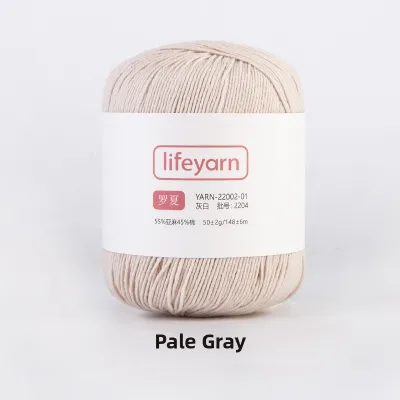
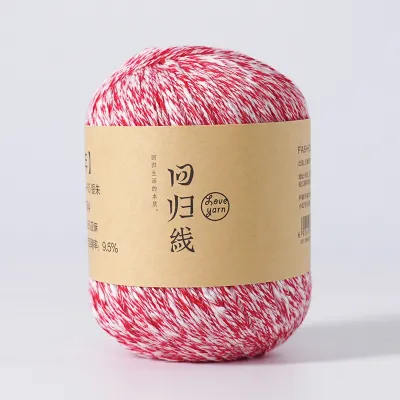
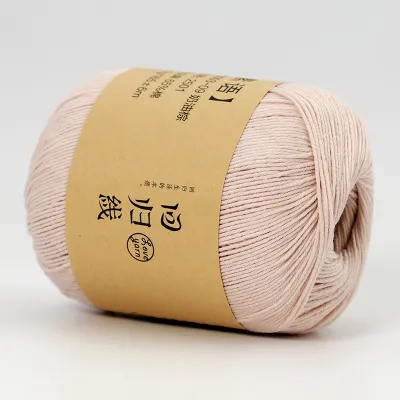
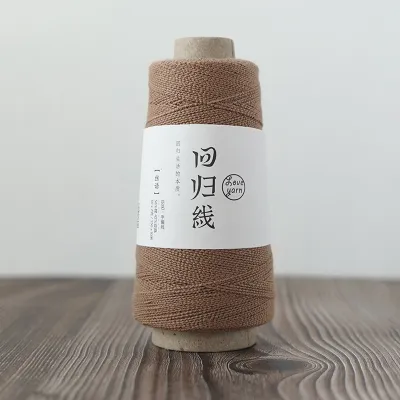
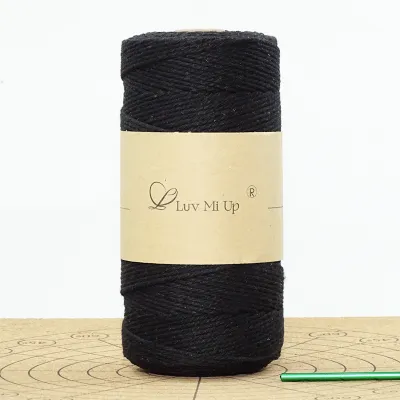
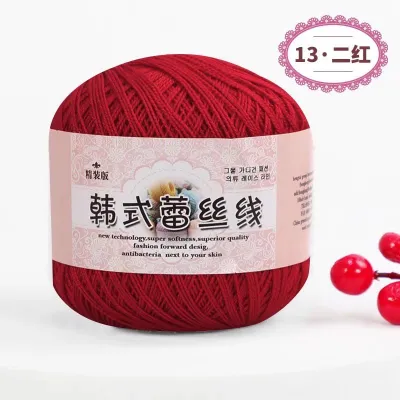
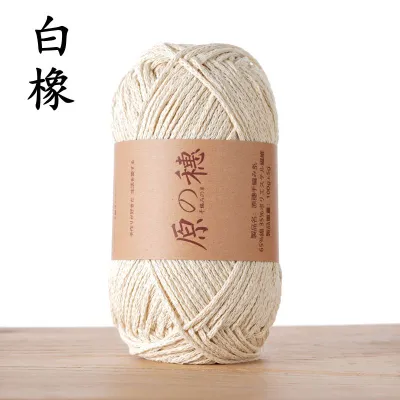
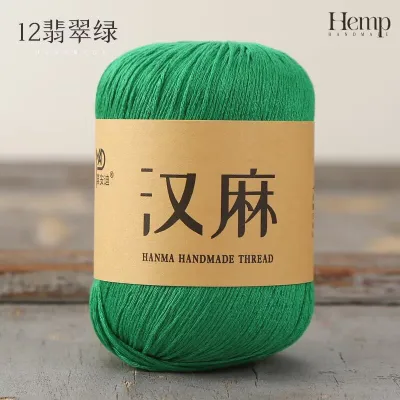
Prices are valid at publication and may change. Please refer to the product page for the latest price.
One of the most defining characteristics of linen yarn is its complete lack of elasticity. Unlike wool, which possesses a natural crimp that allows it to stretch and bounce back, flax fibers do not stretch. When you knit with linen, the yarn offers no give or springiness. This inelasticity means that any variations in your tension will be immediately visible in the fabric, and the lack of cushioning can lead to hand fatigue if you tend to hold your yarn tightly.
To the touch, new linen yarn can feel surprisingly stiff, rough, or even twine-like on the skein. This initial stiffness is caused by pectin, a natural gum that binds the flax fibers together during processing. However, this rigidity is temporary. With repeated handling, washing, and wearing, the pectin breaks down, and the fibers relax. This transformation is one of the most rewarding aspects of working with linen, as the fabric evolves from a stiff mesh into a soft, supple material with a luxurious, fluid drape.
Additionally, linen is incredibly strong—significantly stronger than cotton or wool—and its strength actually increases when wet. This durability means that linen garments can last for decades when cared for properly. The fibers do not pill or wear down easily, ensuring that your handmade items maintain their structural integrity and rustic charm through years of regular use.
Ideal Projects and Use Cases for Linen Yarn
Because of its cooling properties and elegant drape, linen yarn is exceptionally suited for warm-weather apparel. Loose-fitting t-shirts, tank tops, sleeveless tunics, and open-front cardigans are ideal choices. The fabric flows beautifully around the body without clinging, providing both comfort and style in warm climates. Lightweight shawls and wraps knitted in lace patterns also benefit from linen’s ability to hold a crisp, blocked shape.

Beyond garments, the strength and durability of linen make it an excellent choice for functional home accessories. Market bags, beach totes, and grocery sacks knitted in linen can carry heavy loads without stretching out of shape permanently. In the kitchen and bathroom, linen’s high absorbency and quick-drying nature make it perfect for hand towels, washcloths, placemats, and coasters.
Conversely, there are several types of projects that you should avoid when using pure linen yarn. Because linen lacks elastic recovery, it is highly unsuitable for form-fitting garments, socks, or ribbed cuffs. A pair of socks knitted from pure linen will quickly stretch out during wear and sag around your feet, as the fibers cannot snap back into shape. Similarly, garments that rely on snug ribbing to stay in place, such as off-the-shoulder sweaters, will not function well in linen.
When selecting a pattern, always evaluate how the design interacts with the yarn’s natural drape and inelasticity. Look for patterns designed with positive ease, which allow the fabric to hang freely. Avoid designs that feature heavy cables, dense textured stitches, or intricate ribbing, as these require a springy yarn to pop. Instead, opt for simple stockinette, garter stitch, or dropped-stitch lace patterns that highlight the yarn’s natural texture and movement.
Knitting and Crocheting Techniques for Linen
Adjusting your physical technique is essential when working with an inelastic fiber like linen. To prevent hand strain and maintain even tension, it is highly recommended to use wooden or bamboo knitting needles and crochet hooks. These materials provide a slight natural grip, preventing the slippery linen stitches from sliding off too quickly and allowing you to maintain a relaxed, comfortable grip. Metal needles, by contrast, can make the yarn feel even more slippery and difficult to control.
Because linen yarn does not stretch, you must consciously avoid pulling the yarn too tight as you form your stitches. Try to let the yarn rest naturally on the barrel of the needle rather than pulling it snug. If you find your stitches are consistently too tight or uneven, try using a needle size larger than recommended to open up the fabric and give the fibers room to breathe.
Joining new skeins of linen yarn requires extra care because the smooth, plant-based fibers do not felt or cling to each other like wool. Traditional knots or simple overlapping joins can easily slip loose over time. Instead, use secure joining methods such as the Russian join, or leave long tails of at least ten to fifteen centimeters when starting a new ball. When weaving in these ends, use a sharp tapestry needle to split the plies of the surrounding stitches, creating maximum friction to lock the slippery ends in place.
Washing and blocking are critical steps that completely transform the look and feel of your finished linen project. A freshly off-the-needles linen piece often looks uneven, crumpled, and unappealing. Wet blocking—soaking the finished item in lukewarm water, gently pressing out the excess moisture in a towel, and pinning it to shape on blocking mats—allows the stitches to settle, evens out the tension, and coaxes the fibers into their final, soft state.
How to Choose and Care for Linen Yarn
When shopping for linen yarn, reading the label carefully is the first step to ensuring project success. You will find both pure linen yarns and a variety of fiber blends. Pure linen offers the classic rustic texture and maximum cooling effect but can be stiff to work with. Blends are designed to combine the best properties of different fibers. For example, a linen-cotton blend is softer on the hands and easier to knit, while a linen-silk blend adds a beautiful sheen and an even more luxurious drape.
Before purchasing, perform a few simple, observable quality checks on the yarn. Gently inspect the ply of the yarn to ensure it is consistent and evenly twisted. While natural variations, known as slubs, are a normal and desirable feature of linen yarn, excessive debris, weak spots, or poorly twisted plies can lead to breakage during knitting. Run a small section of the yarn between your fingers to assess its initial texture and strength.
Caring for your finished linen items properly ensures they remain beautiful and durable for years. Always follow the manufacturer’s care instructions printed on the yarn label, as blends may have specific requirements. While pure linen can often withstand machine washing on a gentle cycle, it is best to place the item in a mesh laundry bag to prevent snagging. Avoid using harsh chemical softeners or bleach, which can degrade the natural flax fibers over time.
Frequently Asked Questions (FAQ)
Does linen yarn stretch or lose its shape?
Linen yarn does not stretch elastically, meaning it will not snap back into shape once pulled. However, because of its weight and fluid drape, a finished linen garment can sag or grow vertically over time, especially if it is heavy or knitted at a loose gauge. To prevent your garments from losing their shape, choose patterns with structural seams that help support the weight of the fabric, and always store your linen knits folded flat in a drawer rather than hanging them on hangers.
Is linen yarn suitable for beginners?
Linen yarn can be challenging for beginners due to its slippery texture and lack of elasticity, which can make stitch tension difficult to control. If you are new to knitting or crocheting, it is best to start with a linen-cotton blend, which offers more grip and cushion. Practicing on small, flat projects like dishcloths or coasters using wooden needles will help you get accustomed to the feel of the fiber before you transition to larger, more complex garments.
How do I soften stiff linen yarn before knitting?
If you find a skein of pure linen yarn too stiff or harsh to work with comfortably, you can soften it before you begin your project. Wind the yarn into a loose hank and tie it securely in several places to prevent tangling. Soak the hank in lukewarm water mixed with a small amount of mild, fiber-friendly conditioner or delicate wash. After soaking, rinse the yarn thoroughly, gently squeeze out the excess water, and hang it to dry completely before winding it into a ball for knitting.

Community discussion
Share your experience or ask a question. Comments are reviewed before publication.