
Choosing the right yarn for a knitting project depends heavily on the intended use, budget, and local climate. LifeYarn is generally suited for budget-conscious, high-yardage projects such as blankets, home decor, and amigurumi, where cost-effectiveness and easy maintenance are paramount. However, alternative brands may be necessary if your project requires specialized natural fibers, strict gauge stability, or breathable wearability suited for warm, humid weather.
LifeYarn typically features fiber compositions centered around synthetic polymers like acrylic, as well as utility blends incorporating cotton or basic wool. These materials are commonly classified into standard weight categories, ranging from fine sport and double knitting (DK) to medium worsted and bulky weights. According to standard manufacturer product labels, these yarns are designed for high durability and are often machine-washable, making them highly practical for everyday items that undergo frequent laundering.
While evaluating a brand as a whole provides a useful starting point, relying solely on general brand reputation can be misleading. Every yarn manufacturer produces multiple product lines, and a brand’s budget acrylic line will perform very differently from its premium cotton or wool blends. To make an informed decision, knitters must evaluate the specific fiber specifications, twist structure, and care requirements of the individual skein rather than assuming uniform quality across an entire brand catalog.
Products mentioned in this guide
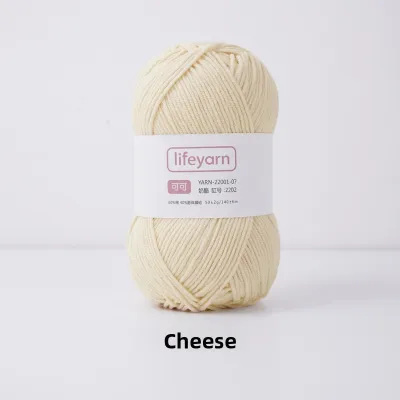
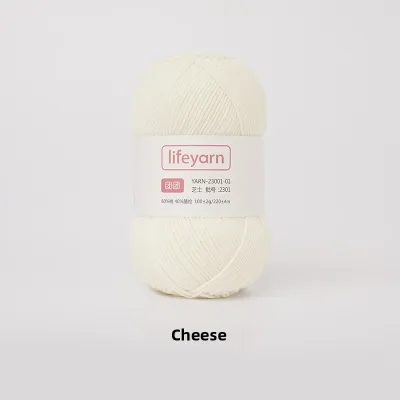
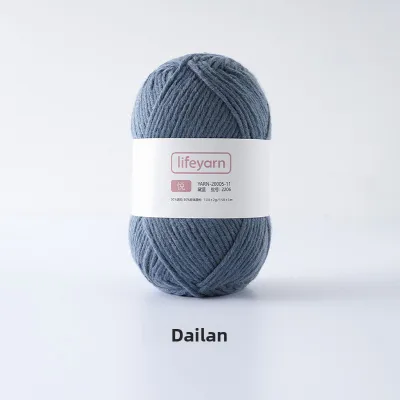
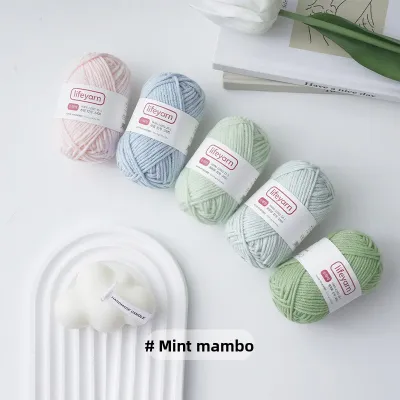
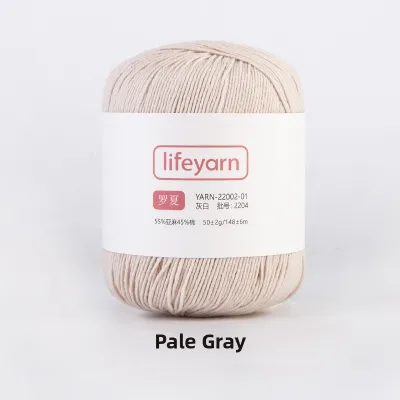
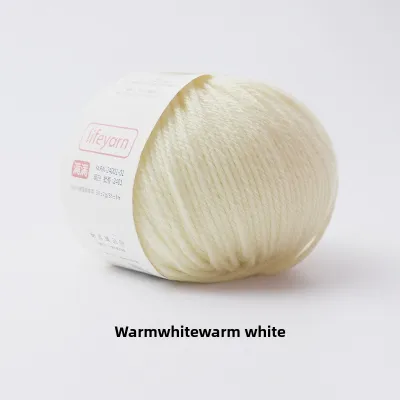
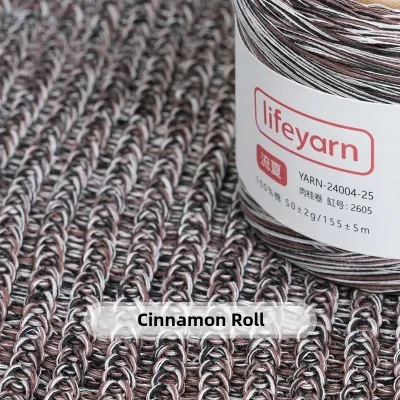
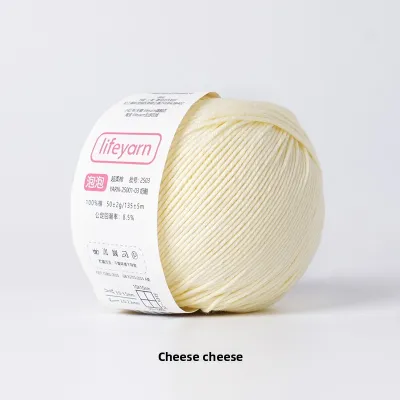
Prices are valid at publication and may change. Please refer to the product page for the latest price.
Key Comparison Dimensions for Knitting Yarn
The physical composition of a yarn determines its behavior during knitting and its performance over time. Acrylic fibers offer excellent elasticity, high loft, and vibrant color retention, but they lack the breathability of natural fibers, making them warm to wear in tropical climates. Cotton fibers, on the other hand, provide exceptional coolness, crisp stitch definition, and minimal stretch, which is ideal for structured bags, summer tops, and dishcloths. Wool and wool blends introduce warmth, moisture-wicking properties, and a characteristic halo or fuzziness, though they require more delicate handling to prevent shrinking or felting.
When comparing yarn brands, evaluating the price per skein can be deceptive without calculating the true cost per meter. Skeins vary widely in weight (typically 50 grams, 100 grams, or 200 grams) and yardage depending on the fiber density and thickness. For instance, a skein priced at S$6 with 200 meters of yarn offers a lower cost per meter (S$0.03) than a premium skein priced at S$12 with only 100 meters (S$0.12). Knitters should always check the total yardage required by their pattern and divide the retail price by the total meters to establish an accurate financial comparison between LifeYarn and alternative options.
Long-term durability depends on structural characteristics that are often specified on the yarn band or manufacturer data sheets. Colorfastness refers to a fiber’s ability to retain its dye without bleeding during washing or fading under sunlight, a critical factor when combining light and dark colors in a single project. Pilling resistance is determined by fiber length and twist tightness; loosely spun yarns tend to pill more rapidly as friction rubs loose fibers into small balls. Additionally, dye lot consistency is vital; manufacturers assign specific dye lot numbers to batches dyed at the same time, and purchasing skeins from different dye lots can result in visible color shifts across your finished fabric.
LifeYarn vs. Popular Alternatives: A Feature Breakdown
The table below outlines the general specifications of LifeYarn’s utility line compared to standard categories of yarn found in local craft stores and online marketplaces. LifeYarn is highly favored for projects like amigurumi (crocheted stuffed toys), large throw blankets, and everyday accessories because its high yardage per skein and synthetic composition make it highly economical. The recommended needle sizes for its standard weights align with common knitting patterns, allowing crafters to substitute it easily for basic utility projects without complex gauge recalculations.

| Yarn Category / Brand | Typical Fiber Type | Recommended Needle Size | Typical Yardage (per 100g) | Standard Care Symbols |
|---|---|---|---|---|
| LifeYarn (Utility Line) | 100% Acrylic or Acrylic Blend | 4.0 mm – 5.0 mm | 200 m – 240 m | Machine Washable, Tumble Dry Low |
| Standard Craft Store Acrylic | 100% Acrylic | 4.5 mm – 5.5 mm | 180 m – 220 m | Machine Washable, Tumble Dry |
| Premium Cotton Utility | 100% Mercerized Cotton | 3.0 mm – 4.0 mm | 120 m – 170 m | Hand Wash or Gentle Machine, Dry Flat |
| Specialized Wool Blend | 70% Merino Wool, 30% Nylon | 3.25 mm – 4.0 mm | 300 m – 400 m | Hand Wash Cold, Dry Flat |
In scenarios where durability, ease of care, and budget are the primary constraints, LifeYarn performs exceptionally well. For example, knitting items for children or pets requires materials that can withstand frequent machine washing and rough handling without losing their shape or disintegrating. Because synthetic fibers do not shrink or felt when exposed to warm water, LifeYarn provides a worry-free option for these high-wear items. Additionally, the wide range of solid colors available in utility acrylic lines makes them excellent for multi-colored tapestry knitting or geometric blanket designs.
Conversely, LifeYarn may fall short when compared to specialized or premium natural fiber brands for specific high-end garments. For instance, a lightweight summer shawl knitted for warm climates benefits greatly from the breathability, moisture absorption, and elegant drape of mercerized cotton or bamboo yarn, which synthetic acrylic cannot replicate. Similarly, structured garments like tailored sweaters often require the natural elasticity and memory of high-quality wool to maintain their shape over years of wear. In these cases, investing in specialized natural fibers ensures a superior drape and wearing comfort that utility acrylic blends cannot provide.
How to Choose the Right Yarn for Your Specific Project
To determine whether LifeYarn is the right choice for your next knitting project, start by analyzing the practical demands of the finished item. If you are planning a large-scale project such as a bedspread, a set of decorative cushions, or a collection of amigurumi figures, LifeYarn offers an ideal balance of accessible color ranges and budget-friendly yardage. These projects require multiple skeins of yarn, and choosing an economical utility brand keeps the total project cost manageable while ensuring that the finished items are easy to clean and maintain in a standard household environment.
On the other hand, premium alternative brands are highly recommended when your project demands specific physical properties that only natural fibers can deliver. For example, if you are knitting a delicate lace shawl, a lightweight summer top, or a high-end garment that requires blocking (the process of wetting and shaping knitted fabric to open up the stitch pattern), natural fibers like wool, silk, or linen are essential. These fibers possess natural memory and blocking properties that allow intricate lace patterns to remain open and crisp, whereas synthetic acrylic fibers tend to spring back to their original shape unless subjected to high heat, which can permanently damage the synthetic structure.
Before making a final purchase, always consult your knitting pattern to verify specific technical requirements. Check the pattern’s recommended gauge (the number of stitches and rows per ten centimeters) and compare it to the specifications printed on the yarn band. If your project requires multiple skeins, calculate the total yardage needed and purchase all skeins at the same time, ensuring they share the identical dye lot number printed on the label. This precaution prevents subtle, unsightly color variations in your finished fabric, which are often impossible to correct once the knitting is complete.
Where to Buy and What to Verify Before Purchasing
When sourcing LifeYarn or alternative brands, buyers can choose between local physical craft supply shops and online e-commerce platforms. Shopping in person allows you to feel the texture of the yarn and verify colors accurately under natural light. However, if you prefer the convenience of online marketplaces, it is crucial to check seller ratings, customer feedback, and return policies before placing an order. Ensure the seller packages the yarn securely in moisture-resistant wrapping to protect the fibers from humidity and potential water damage during transit.
Upon receiving or selecting your yarn, perform a thorough physical inspection of each skein. Verify that the paper labels are fully intact and that the dye lot numbers match across all skeins intended for the same project. Inspect the yarn for any signs of environmental damage, such as musty odors indicating moisture exposure, fading along the outer folds caused by prolonged sun exposure in shop windows, or broken fibers that could suggest pest infestation. Healthy yarn should feel clean, dry, and structurally consistent throughout the entire skein.
To avoid the common pitfall of running out of yarn mid-project, always calculate your total yardage requirements with a small safety margin. It is generally recommended to purchase ten to fifteen percent more yarn than the pattern specifies to account for differences in individual knitting tension, swatching, and fringe or tassel details. Buying your entire yarn supply in a single batch guarantees that all skeins come from the same dye lot, eliminating the risk of visible color shifts that occur when trying to source matching skeins weeks or months later from different production runs.
Frequently Asked Questions (FAQ)
Can I substitute LifeYarn for a pattern that calls for a different brand?
Yes, you can substitute LifeYarn for another brand, provided you match the yarn weight and achieve the correct gauge specified in your pattern. Start by checking the standard yarn weight system category (such as DK or worsted) on both the original yarn and the LifeYarn label. Before beginning the actual project, knit a gauge swatch of at least fifteen centimeters square using the recommended needle size, wash and dry the swatch according to the care instructions, and measure the number of stitches and rows per ten centimeters. If your stitch count does not match the pattern, adjust your needle size up or down until you achieve the exact gauge required.
Does LifeYarn pill or fade after washing?
The tendency of LifeYarn to pill or fade depends heavily on its specific fiber composition and how it is laundered. To minimize these issues, always read the care symbols printed on the yarn band, which outline the recommended washing temperatures and drying methods. For synthetic acrylic lines, washing the finished item inside out in a mesh laundry bag on a gentle cycle with cold water helps prevent friction, which is the primary cause of pilling. To verify how a specific yarn line will behave, knit a small swatch, measure it, wash it according to the label instructions, and observe it for any signs of color bleeding, shrinkage, or surface fuzzing before knitting your entire project.

Community discussion
Share your experience or ask a question. Comments are reviewed before publication.