
Managing a modern desk setup often means wrestling with a chaotic tangle of power cords, monitor cables, USB leads, and charger wires. While specialized plastic clips and hook-and-loop straps are popular, large elastic bands offer a highly flexible, cost-effective, and rapid solution for bundling thick cables together. However, grabbing a random thin band from a desk drawer usually leads to disappointment, as standard office bands lack the strength and durability required to hold heavy cords.
To successfully manage desk cables with elastic bands, you must look beyond basic stationery supplies and focus on heavy-duty materials like silicone or ethylene propylene diene monomer (EPDM). These specialized bands provide the necessary tension, resist environmental degradation from warm power bricks, and prevent damage to delicate cable jackets. By understanding how to match the band’s material, width, and stretch capacity to your specific cable bundles, you can create a clean, organized workspace that remains secure over years of daily use.
Why Standard Stationery Rubber Bands Fail for Cables
Standard office rubber bands are primarily designed for short-term, light-duty tasks like holding a stack of envelopes or securing a rolled-up poster. They are typically manufactured from natural rubber with high filler content, which makes them highly susceptible to environmental degradation. When wrapped tightly around warm power cables or left under a desk for months, these basic bands quickly lose their elasticity, dry out, and develop micro-cracks that eventually lead to sudden snapping.
Products mentioned in this guide
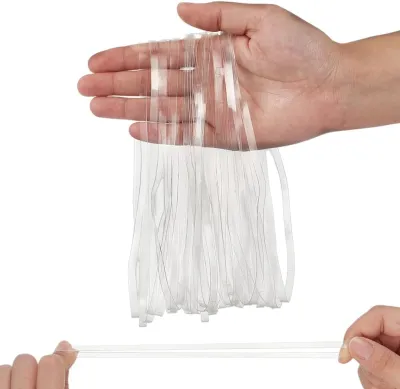
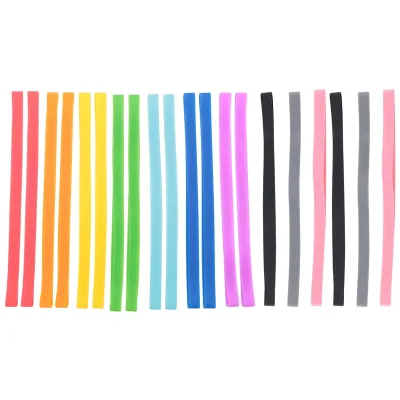
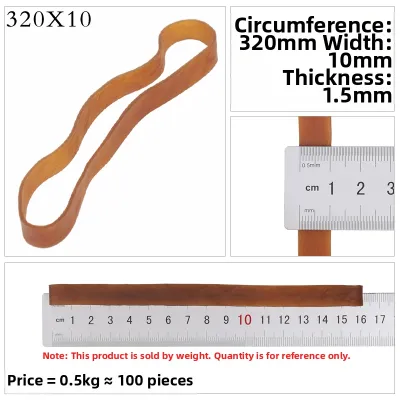
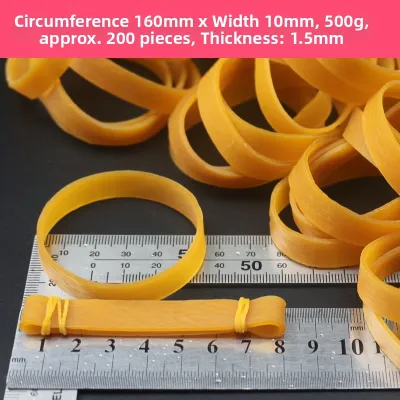

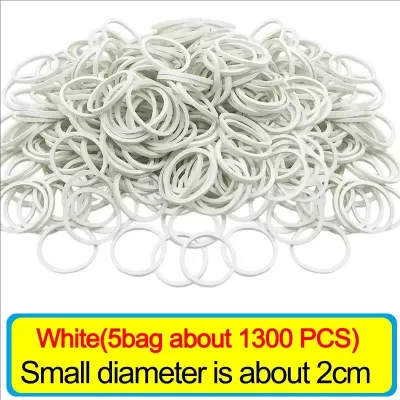
Prices are valid at publication and may change. Please refer to the product page for the latest price.
Beyond the risk of snapping, natural rubber bands pose a chemical hazard to your expensive electronics. Over time, the oils and plasticizers in the rubber can react with the polyvinyl chloride (PVC) or thermoplastic polyurethane (TPU) jackets of your cables. This chemical migration often results in a sticky, gummy residue that bonds to the cable surface, making it incredibly difficult to clean and potentially degrading the cable’s outer insulation.
Furthermore, standard stationery bands are simply too thin to handle the physical weight and tension of multiple heavy cords. A thin band concentrates all its gripping force onto a very narrow surface area, which can pinch or crimp delicate internal copper wires, especially in high-speed data or video cables. They also tend to roll, twist, and slip down the bundle, failing to maintain a neat, structured layout behind your monitor or under your desk.
What to Look for in Cable Management Elastic Bands
Selecting the right elastic band for your desk setup requires evaluating several physical and chemical properties to ensure long-term reliability. The first factor to consider is the elasticity recovery rate, which refers to a band’s ability to return to its original shape after being stretched around a bundle. High-quality bands maintain consistent tension over years of continuous expansion, preventing the bundle from sagging or slipping out of alignment when you adjust your monitor arm or standing desk.

Material compatibility is equally critical because your bands will remain in direct, pressurized contact with various cable jackets. Whether your cables are wrapped in standard PVC, premium braided nylon, or soft TPU, the elastic material must not leach chemicals or cause physical abrasion. A compatible band grips the surface firmly without bonding to it, allowing you to slide or adjust the band during cable routing without leaving unsightly marks or stripping the outer weave.
The physical dimensions of the band—specifically its thickness and width—determine how safely and evenly it distributes pressure. A wider band acts like a supportive cuff, spreading the compressive force across a larger surface area of the cable bundle. This design prevents the band from cutting into soft insulation and keeps the individual cables neatly parallel rather than bunching them into a chaotic, pinched knot.
Finally, you must account for the microclimate around your desk. Power adapters, docking stations, and computer exhaust vents generate localized heat that can accelerate the aging of elastic materials. Additionally, desks positioned near windows are exposed to ultraviolet (UV) radiation, which breaks down standard polymers. Choosing a band with high thermal and UV resistance ensures that your cable management system does not crumble under the heat of a busy workday.
Material Options for Large Cable Bundling Bands
When moving away from standard natural rubber, you will primarily choose between silicone and specialized synthetic rubbers. Each material offers distinct physical properties, reusability profiles, and tactile characteristics that suit different parts of your desk organization project. Understanding these differences allows you to select the most efficient band for every cable type, balancing the need for a gentle grip against the demand for heavy-duty holding power.
Silicone Bands and Reusable Cable Ties
Silicone bands represent the premium tier of elastic cable management, offering exceptional durability and a completely non-marring surface. Because silicone is chemically inert, it will not react with PVC, TPU, or braided nylon jackets, completely eliminating the risk of sticky residue or chemical degradation. This makes silicone the ideal choice for organizing expensive charging cables, high-end headphone cords, and delicate fiber-optic lines that you frequently plug and unplug.
The physical texture of silicone provides a soft, high-friction grip that prevents cables from sliding, even under minimal tension. These bands are highly resistant to extreme temperatures and UV exposure, meaning they will not dry rot or become brittle when placed directly against warm laptop power bricks. However, silicone bands generally have lower maximum tensile strength compared to industrial synthetic rubbers, making them less suitable for massive, heavy bundles of thick power cords or monitor cables.
EPDM and Heavy-Duty Industrial Rubber
For heavy-duty bundling tasks—such as securing thick power strips, multiple display cables, or heavy desktop tower cords—ethylene propylene diene monomer (EPDM) bands are highly effective. EPDM is a synthetic rubber engineered specifically to withstand severe environmental exposure, including heat, ozone, and UV light. Unlike natural rubber, EPDM bands do not dry rot or snap unexpectedly, maintaining their high-tension grip for years in stationary setups.
These industrial-grade bands provide immense holding power, making them excellent for routing large cable bundles along desk legs or under-desk cable trays. However, because EPDM is a firmer, more aggressive material, it can occasionally leave superficial marks on very soft, matte-finished cable jackets if applied with excessive tension. To prevent this, it is best to use EPDM bands over braided nylon sleeves or to ensure the band is sized correctly so it does not compress the cables too tightly.
Sizing Your Bands: Matching Length and Width to Cable Bundles
Using the wrong size band can lead to two frustrating outcomes: a band that is too loose will slide down the cables, while a band that is too tight will pinch the wires or snap during installation. To find the perfect fit, start by gathering the cables you plan to bundle and measuring the total circumference of the cluster. You can do this easily by wrapping a flexible measuring tape or a piece of string around the cables and measuring the length against a standard ruler.
Once you have the bundle’s circumference, you can determine the flat length of the band you need. The flat length is the measurement of the band when laid flat on a table, representing half of its total relaxed loop circumference. As a general rule of thumb, look for a band with a flat length that is roughly 60% to 80% of your bundle’s measured circumference. This ratio ensures the band stretches enough to provide a secure, slip-free grip without exceeding its optimal tension range or putting undue stress on the material.
Band width is another critical dimension that directly impacts stability and safety. For small bundles of two or three thin USB cables, a width of 6 millimeters is usually sufficient to keep them organized. For larger bundles containing thick power cords and HDMI cables, opt for bands with a width of 12 millimeters to 25 millimeters. These wider bands resist twisting, distribute pressure evenly, and provide a clean, professional appearance that blends seamlessly into your desk aesthetic.
Inspecting and Replacing Worn Elastic Bands
Even high-quality synthetic bands eventually wear out under continuous tension and environmental exposure. Establishing a quick routine to inspect your cable management setup every few months can prevent sudden failures that might disrupt your workflow or damage your equipment. Start with a visual check, looking for any signs of surface cracking, discoloration, or thinning sections along the band’s body.
Next, perform a gentle tactile inspection by lightly squeezing and flexing the band. A healthy elastic band should feel supple, smooth, and highly pliable. If the band feels stiff, brittle, or excessively sticky to the touch, it has begun to degrade chemically and should be replaced immediately. Pay close attention to bands wrapped around warm power adapters, as these are always the first to show signs of thermal wear.
When it comes time to reconfigure your desk or replace a worn band, always prioritize safe removal techniques. Avoid using sharp scissors or utility knives directly against the cable bundle, as a slip can easily slice through cable insulation or sever internal copper strands. Instead, gently stretch the band away from the cables to create a small gap, then carefully cut the band or slide it off the connectors. If a band has begun to melt or stick to a cable jacket, do not pull it forcefully; instead, gently roll the degraded material off the surface to avoid tearing the cable’s outer jacket.
Frequently Asked Questions (FAQ)
Can I use hair ties or fabric elastic bands for cable management?
Yes, fabric-covered elastic bands and hair ties can be used for light-duty cable management, but they have distinct limitations. The fabric outer layer protects the inner elastic core from UV light and prevents it from sticking to cable jackets, making them very gentle on delicate cords. However, fabric ties generally offer much lower tension and grip strength than silicone or EPDM bands, meaning they can easily slip down vertical cable runs or fail to hold heavy bundles securely. They also tend to fray and stretch out permanently over time, requiring more frequent replacement than dedicated silicone options.
Will rubber bands damage the plastic coating on my charging cables?
Standard natural rubber bands can absolutely damage the plastic coating on your charging cables over time. The natural oils and chemical additives in cheap rubber react with the plasticizers in PVC and TPU cable jackets, leading to a process called plasticizer migration. This chemical reaction breaks down the polymers in both the band and the cable, leaving behind a sticky, black residue that can permanently stain or weaken the cable’s insulation. To prevent this damage, always choose chemically inert silicone bands or high-quality EPDM bands for long-term cable organization.
How often should I replace the rubber bands on my desk cables?
Rather than following a strict calendar schedule, you should replace your cable management bands based on observable physical conditions. High-quality silicone bands can easily last several years without showing any signs of degradation, while EPDM bands in stable, indoor environments often perform reliably for three to five years. You should replace a band immediately if you notice micro-cracks, a loss of elasticity, stiffness, or any sticky residue on the surface. Regularly checking bands near heat sources ensures you catch these warning signs before a band snaps.
Community discussion
Share your experience or ask a question. Comments are reviewed before publication.