
The choice between kraft paper and corrugated cardboard depends entirely on your product’s fragility, weight, and shipping method. Corrugated cardboard provides essential structural rigidity and crush protection for fragile or heavy items, while kraft paper offers flexible, lightweight surface protection and void fill for durable or irregularly shaped goods. For businesses navigating the logistics landscape, selecting the right material is not just about preventing damage; it also directly impacts storage space, packaging speed, and final courier fees.
In a bustling commercial environment where shipping costs are closely tied to package dimensions, over-packaging can quickly erode profit margins. Conversely, under-packaging leads to costly returns and damaged customer relationships. By understanding the physical properties, protective limits, and cost structures of both kraft paper and corrugated cardboard, you can build an efficient packaging strategy tailored to your specific product catalog.
Understanding the Core Structural Differences
To make an informed purchasing decision, you must first understand the physical composition of these two packaging staples. Kraft paper is a single-ply, highly flexible material produced from wood pulp through the kraft chemical process. This process retains most of the wood’s original strength by removing lignin, resulting in a durable paper that resists tearing. Kraft paper is typically categorized by its weight, measured in grams per square meter (GSM). Common shipping grades range from lightweight 50 GSM wrapping paper to heavy-duty 150 GSM sheets used for industrial wrapping and void fill.
Products mentioned in this guide
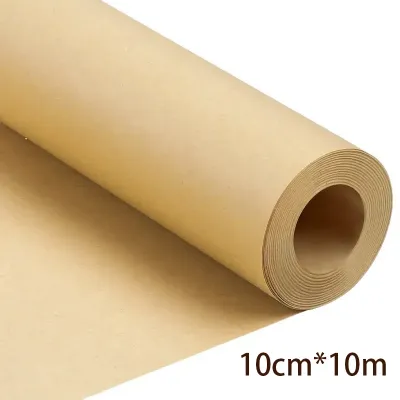
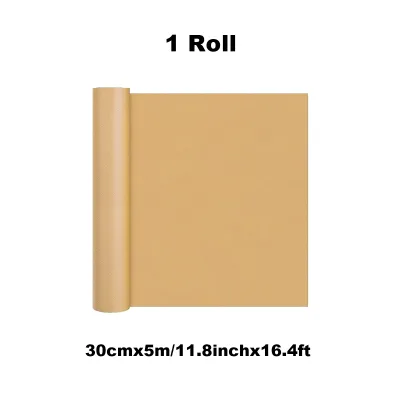
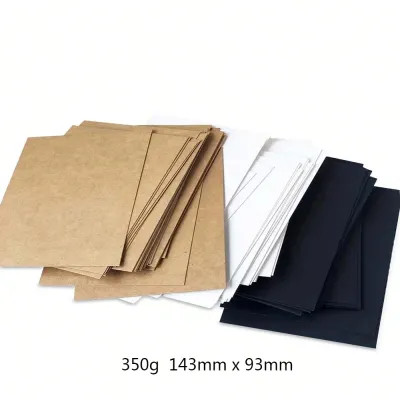
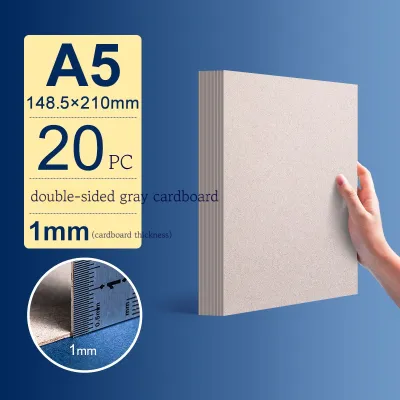

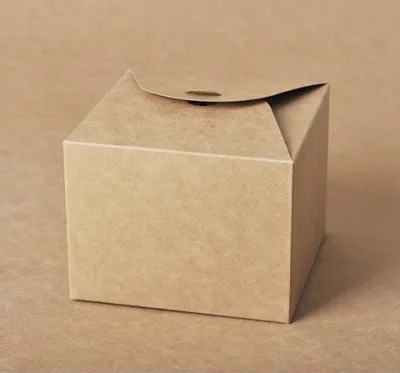
Prices are valid at publication and may change. Please refer to the product page for the latest price.
Corrugated cardboard, on the other hand, is a multi-layered composite structure designed specifically for structural strength. It consists of a wavy, fluted paper medium sandwiched between flat outer layers known as linerboards. The fluted arch design gives corrugated cardboard its remarkable compression resistance, allowing boxes to withstand vertical pressure when stacked in delivery vehicles.
When sourcing corrugated packaging, you will encounter various specifications on manufacturer labels. The most critical factors are the ply count and the flute profile. Single-wall cardboard features one fluted layer between two liners, which is standard for most shipping boxes. Double-wall and triple-wall options add extra layers for heavy-duty industrial applications. Flute profiles are designated by letters:
- B-flute: Approximately 3mm thick, offering excellent puncture resistance and a flatter surface for printing.
- C-flute: Approximately 4mm thick, providing superior stacking strength and cushioning for general shipping.
- E-flute: Approximately 1.5mm thick, highly compact and ideal for sleek retail mailer boxes where presentation is key.
It is also important to note that “kraft” is often used to describe the unbleached, natural brown paper used as the outer linerboard of a corrugated box. Therefore, when you buy a standard brown corrugated box, you are actually using a product that incorporates kraft paper into its rigid structural design.
Evaluating Protection and Transit Durability
Protecting your goods during transit requires matching the structural capabilities of your packaging to the specific vulnerabilities of your products. Corrugated cardboard is the industry standard for impact absorption. The air pockets created by the internal flutes act as miniature shock absorbers, dispersing the energy of drops, bumps, and vibrations. This structural rigidity prevents the walls of the box from collapsing inward, making it indispensable for fragile items like glassware, ceramics, electronics, and cosmetics.

In contrast, kraft paper offers excellent surface protection but minimal crush resistance. When wrapped tightly around an item, it prevents scratches, dust accumulation, and minor surface abrasions during handling. However, if a heavy object is stacked on top of a product wrapped only in kraft paper, the paper will compress completely, transferring the entire force of the impact directly to the product. For this reason, kraft paper alone is only suitable for inherently durable goods.
Environmental factors also play a major role in transit durability, particularly in humid tropical climates. High humidity can soften paper fibers, drastically reducing the structural integrity of both kraft paper and corrugated cardboard. Standard grades of both materials will absorb moisture from the air, leading to sagging boxes and torn wraps.
If your shipping routes involve exposure to high humidity or wet weather, you must verify the material’s moisture resistance. Check the manufacturer’s product data sheets for specialized coatings, such as water-resistant wax barriers or synthetic laminates. For critical shipments, always order sample packs from your supplier to conduct a physical pre-purchase check. You can test the material’s real-world performance by packing your actual products and observing how the packaging holds up to manual compression and simulated handling conditions.
Weight, Storage, and Freight Cost Implications
Your choice of packaging material has a direct, compounding effect on your operational footprint and shipping expenses. From a warehousing perspective, kraft paper is incredibly efficient. A single roll of heavy-duty kraft paper can wrap hundreds of items while occupying only a fraction of the floor space required for an equivalent volume of flat-packed corrugated boxes. If your packing area has limited storage space, relying on kraft paper rolls and flexible mailers can free up valuable square footage for inventory.
When it comes to freight costs, the physical weight and volume of your packaging are critical variables. Most modern courier services and logistics providers calculate shipping fees using dimensional (volumetric) weight rather than actual weight alone. The standard formula for dimensional weight is:
Dimensional Weight (kg) = (Length in cm x Width in cm x Height in cm) / Courier Divisor
Because corrugated boxes have fixed, rigid dimensions, they often force you to ship a significant amount of empty space, especially if your product is irregularly shaped. This excess volume increases the dimensional weight, which can lead to higher shipping rates.
Using flexible kraft paper wrapping or kraft paper mailers allows the packaging to conform tightly to the contours of the product. This eliminates empty space and keeps the overall package volume as small as possible. For lightweight, non-fragile items like apparel, books, or soft home goods, switching from a rigid box to a snug kraft paper wrap can lead to substantial savings on courier fees, sometimes reducing the cost by S$1 to S$3 per package. To estimate your potential savings, compare your package dimensions against the rate cards of your local logistics providers, such as SingPost, Ninja Van, or Qxpress, using their specific volumetric weight thresholds in S$.
Brand Presentation and End-of-Life Handling
The unboxing experience is a powerful touchpoint for customer satisfaction and brand identity. Kraft paper offers a rustic, organic, and minimalist aesthetic that resonates strongly with consumers who value simplicity and environmental responsibility. It provides a tactile, hands-on feel that can be enhanced with simple branding elements like custom rubber stamps, natural jute twine, or paper-based packing tape. This approach is highly effective for boutique brands, handmade crafts, and artisanal goods.
Corrugated cardboard mailers offer a more structured, premium presentation. The flat, rigid surfaces of a corrugated box are ideal for high-quality, multi-color custom printing. If your brand relies on vibrant graphics, interior box printing, or a highly structured presentation that keeps items neatly arranged during transit, corrugated mailers are the superior choice. This format is widely favored by subscription box services and high-end direct-to-consumer brands.
Post-delivery disposal is another critical consideration for modern businesses. Both unbleached kraft paper and standard corrugated cardboard are highly recyclable and biodegradable, making them excellent choices for circular packaging strategies. However, their actual environmental impact depends heavily on how they are prepared for disposal.
The presence of plastic packing tape, synthetic adhesives, glossy plastic laminates, or heavy metallic inks can contaminate the recycling stream. To ensure your packaging is truly recyclable, instruct your customers to remove all plastic tape and shipping labels before disposing of the paper or cardboard. Furthermore, you should verify all environmental claims with your packaging supplier. Ask for specific certifications, such as the Forest Stewardship Council (FSC) certification, and cross-reference these materials with local municipal waste management guidelines, such as those provided by the National Environment Agency (NEA), to ensure they align with local recycling capabilities.
Decision Framework: Matching Material to Your Product
To finalize your packaging selection, use the following condition-based framework to match the physical properties of each material to your specific product line.
Choose Corrugated Cardboard If:
- Your products are fragile, brittle, or contain delicate mechanical or electronic components.
- Your items are heavy, dense, or liquid-filled, requiring rigid structural support to prevent leaking or breaking.
- Your shipping workflow involves stacking multiple packages on pallets or in delivery vans, where crush resistance is mandatory.
- You want a highly structured, premium unboxing experience with detailed custom printing on the interior or exterior of the container.
Choose Kraft Paper If:
- Your products are durable, flexible, or non-fragile, such as clothing, textiles, soft toys, or pre-packaged hardware.
- Your items have irregular shapes that do not fit standard box dimensions, and you want to avoid paying for excess dimensional weight.
- Your storage space is highly constrained, and you need a packaging material that can be stored compactly on rolls.
- You want to project a rustic, minimalist, or artisanal brand image with low-cost, flexible wrapping.
Consider Combining Both If:
- You require maximum protection for high-value or fragile items. You can use a rigid corrugated outer box to absorb external impacts, and use crumpled, shredded, or honeycombed kraft paper inside as a sustainable, dust-free void fill to prevent the product from shifting during transit.
| Product Category | Recommended Primary Material | Primary Reason |
|---|---|---|
| Apparel & Textiles | Kraft Paper (Wrapping or Mailers) | Low weight, non-fragile, minimizes volumetric shipping fees |
| Ceramics & Glassware | Corrugated Cardboard (with internal cushioning) | High crush resistance and impact absorption |
| Books & Printed Media | Corrugated Mailers or Heavy Kraft Wrapping | Rigid edges prevent corner damage; kraft works for single, durable books |
| Electronics & Gadgets | Corrugated Cardboard | Structural protection for delicate internal components |
| Irregularly Shaped Durable Goods | Kraft Paper (as wrap or void fill) | Conforms to shape, fills empty space efficiently |
Frequently Asked Questions (FAQ)
Can kraft paper replace bubble wrap for internal cushioning?
Crumpled or honeycombed kraft paper can serve as an effective void fill to prevent items from shifting inside a box, and it provides excellent scratch protection for sturdy surfaces. However, for highly fragile, heavy, or shock-sensitive items, standard kraft paper does not offer the same level of rebound and sustained shock absorption as plastic bubble wrap. For delicate items, check the manufacturer’s guidelines or perform drop tests to verify if paper cushioning is sufficient.
Is brown kraft paper always more eco-friendly than white corrugated boxes?
While unbleached brown kraft paper avoids the chemical bleaching processes used to make white paper, the overall environmental impact depends on several factors. These include the percentage of post-consumer recycled content, sustainable forestry certifications (such as FSC), and the local recycling infrastructure. A white corrugated box made from 100% recycled fibers may have a lower environmental footprint than a virgin brown kraft paper roll. Always check the product labels and supplier specifications for certified environmental claims rather than relying solely on color.
Community discussion
Share your experience or ask a question. Comments are reviewed before publication.