
Selecting the right school supplies for primary school students in Singapore involves balancing ergonomic support, durability, and school requirements. Kokuyo stationery is widely recognized for its thoughtful design, but choosing the right items requires matching them to your child’s specific grade level and daily classroom tasks. By focusing on developmental needs—such as grip strength in lower primary and organizational efficiency in upper primary—parents can select tools that support comfortable learning and withstand the daily commute.
Identifying Stationery Needs by Primary School Grade Level
Primary school in Singapore spans six years, during which a child’s physical capabilities and academic demands change dramatically. In the lower primary years (Primary 1 to Primary 3), children are still developing their fine motor skills and hand-eye coordination. Stationery for this stage should prioritize physical support, featuring thicker barrels, guided grip zones, and simplified mechanisms that do not distract from learning. Writing tasks are shorter, but the physical effort required to hold a pencil correctly is high, making ergonomic design a primary consideration.
The transition from preschool to Primary 1 represents a significant shift in how children interact with their learning tools. In preschool, stationery is often shared and kept in communal bins, but primary school requires students to manage their own personal pencil cases and notebooks. This sudden responsibility means that lower primary stationery must be highly recognizable, easy to pack, and durable enough to survive accidental drops on hard classroom floors.
Products mentioned in this guide
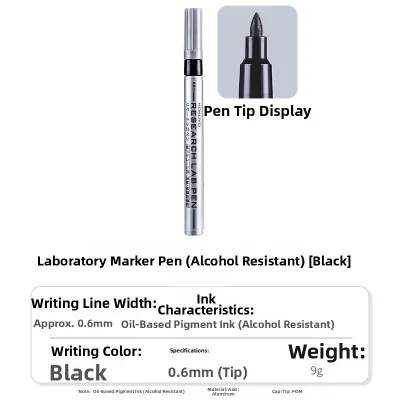
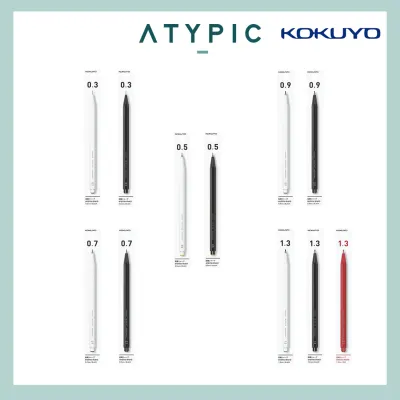
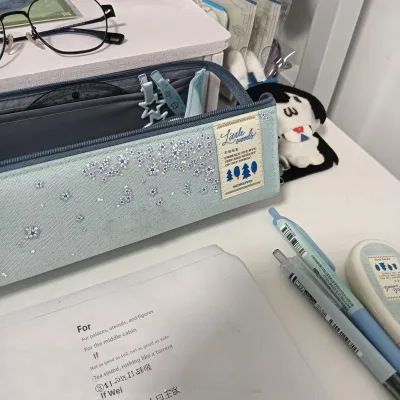
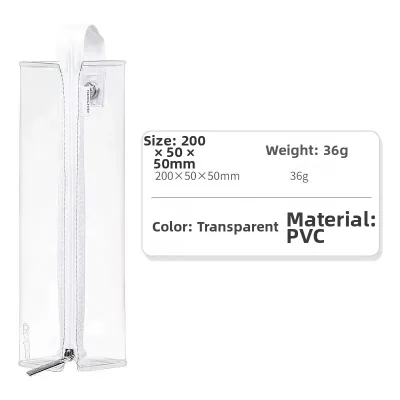
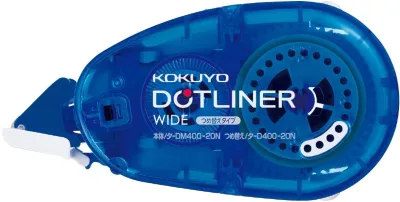
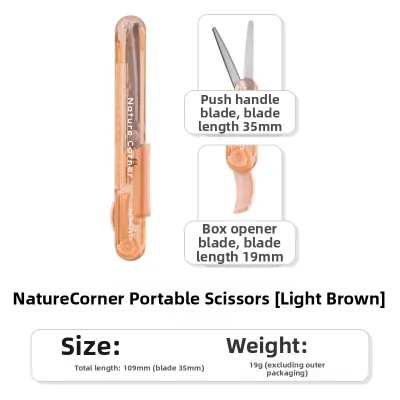
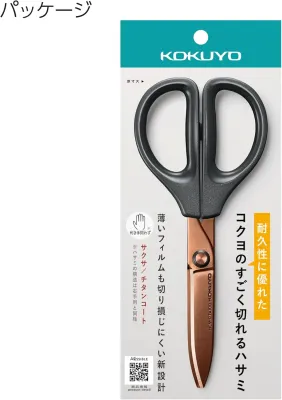
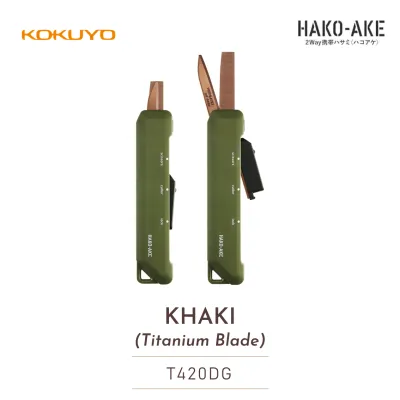
Prices are valid at publication and may change. Please refer to the product page for the latest price.
As students transition to upper primary (Primary 4 to Primary 6), their academic workload increases significantly. They must cope with faster note-taking, longer writing passages in English and Mother Tongue compositions, and complex mathematical problem-solving. Stationery needs shift toward efficiency, high-capacity organization, and writing comfort over extended periods. Students at this stage also manage a larger volume of loose worksheets, requiring robust filing systems to keep their school bags organized.
The physical demands of the daily school timetable also change in upper primary. Students frequently move between specialized classrooms for Mother Tongue, Science practicals, and Art lessons. This mobility requires stationery that is highly portable and easy to pack quickly at the end of a period. Furthermore, preparation for major assessments like the Primary School Leaving Examination (PSLE) introduces the need for specialized tools, such as reliable 2B pencils and high-quality erasers suitable for optical answer sheets.
To align your purchases with school requirements, always review the specific booklist and stationery list provided by the school at the end of the preceding academic year. These lists often specify the exact ruling sizes for notebooks, such as broad double lines for early language learning or specific grid sizes for mathematics. Comparing these school guidelines with the dimensions and ruling options of available stationery ensures that every item packed into the school bag serves a practical purpose in the daily timetable.
Evaluating Kokuyo Notebooks and Filing Solutions
The choice of paper format directly influences how easily a primary school student can organize their thoughts and practice handwriting. Grid formats are highly beneficial for mathematics and Chinese character practice, as they help children align numbers vertically and maintain consistent character proportions. Ruled notebooks are standard for English and other language subjects, but parents should check the line spacing; wider spacing is ideal for younger writers, while narrower lines accommodate the smaller, faster handwriting of upper primary students. Blank formats are best reserved for science diagrams, sketchbooks, or creative art projects where structured lines might restrict expression.

In Singapore primary schools, specific notebook formats are often mandated for different subjects. For instance, lower primary students frequently use four-line notebooks for English handwriting practice and medium square grid notebooks for Chinese spelling (Ting Xie). Understanding these specific requirements allows parents to select the correct ruling style, ensuring the child has the exact layout needed for classroom exercises and homework assignments.
When evaluating notebooks, paper weight and binding durability are critical factors for surviving the school year. Standard school notebooks can easily tear or wrinkle when stuffed into a crowded backpack. Look for paper weights of 70 gsm (grams per square meter) or higher to prevent ink from gel pens or highlighters from bleeding through to the reverse side. Binding types also play a major role in durability; wireless or glue-bound notebooks offer a flat writing surface but may shed pages under rough handling, whereas thread-stitched or reinforced tape bindings provide superior resistance to tearing during daily use.
Singapore’s humid climate is another environmental factor that parents should consider when purchasing paper products. High humidity can cause thin, low-quality paper to absorb moisture from the air, making it soft, prone to tearing, and highly susceptible to ink feathering or bleeding. Choosing notebooks with high-density, smooth paper fibers helps resist moisture absorption, ensuring that writing remains crisp and legible even during the humid monsoon seasons.
Filing solutions are equally important in Singapore’s primary school system, where teachers frequently distribute loose worksheets, practice papers, and topical tests. Without a structured filing system, these papers quickly become crumpled at the bottom of a school bag. Clear folders with multiple pockets allow students to categorize worksheets by subject or priority. Ring binders are excellent for archiving completed units at home, while slim, flexible document holders with secure closures are ideal for carrying active homework sheets back and forth between school and home without adding unnecessary bulk.
Different filing designs serve distinct organizational purposes throughout the school term. For daily use, simple L-shaped plastic folders are excellent for quick access to active worksheets. For long-term exam preparation, multi-pocket expanding files or clear book folders with fixed sleeves help students keep past year papers and revision notes organized by topic, making it much easier to review key concepts before major assessments.
Selecting Kokuyo Pens, Pencils, and Adhesives
Writing comfort begins with the physical design of the pen or pencil barrel. For younger students who are still mastering their grip, pencils with a triangular or hexagonal cross-section naturally guide fingers into the correct tripod position. A slightly thicker barrel reduces the muscle strain required to hold the tool, preventing hand fatigue during spelling tests or handwriting practice. For older students who have transitioned to pens, look for models featuring soft rubber or elastomeric grip zones that cushion the fingers during long writing sessions, such as during composition exams.
The debate between traditional wooden pencils and mechanical pencils is highly relevant for primary school parents. While wooden pencils are excellent for lower primary students due to their break-resistant leads, upper primary students often prefer mechanical pencils for their consistent line width. When choosing a mechanical pencil, look for models with lead-guard mechanisms that prevent the lead from snapping under heavy writing pressure, and opt for a lead thickness of 0.5mm or 0.7mm depending on the child’s writing style.
Ink performance is another critical variable, particularly for developing writers who may smudge their work as their hand moves across the page. Fast-drying gel inks or advanced ballpoint formulas help maintain neatness, which is especially important for left-handed students. When selecting pens, check the packaging for quick-dry claims and verify that the ink flow is consistent without requiring heavy downward pressure. A smooth-gliding pen allows students to keep up with fast-paced dictation and note-taking without straining their wrists.
An often-overlooked component of the writing kit is the eraser. Low-quality erasers can smudge graphite, tear delicate notebook paper, and leave behind a large amount of messy dust. Parents should look for non-dust erasers that gather residue into single strands, making cleanup quick and keeping classroom desks tidy. A clean-erasing tool is particularly vital for upper primary students who must fill in optical answer sheets (OAS) during exams, where any stray graphite marks can interfere with automated grading machines.
For art and craft lessons, safety and cleanliness are the top priorities for parents and teachers alike. When choosing adhesives like glue sticks, verify that the packaging clearly displays non-toxic labels and confirms that the adhesive is washable from skin and school uniforms. Twist-up glue bases are easier for young children to control than liquid glues, minimizing messy spills. Similarly, when selecting scissors, look for blunt-tip designs with covered blades or protective caps to prevent accidental cuts, ensuring the tools can be safely stored in a standard pencil case.
For younger children who are still developing hand strength, spring-assisted safety scissors can be highly beneficial. These designs feature a small spring mechanism that automatically reopens the blades after each cut, reducing the physical effort required and allowing the child to focus on cutting accuracy. As the child’s hand strength improves, the spring mechanism can usually be deactivated, transitioning the tool into a standard pair of scissors.
Pre-Purchase Checks for Safety, Ergonomics, and Durability
Before finalizing any stationery purchase, conducting a systematic check of product labels and physical designs can prevent safety hazards and premature wear. Always read the packaging for age recommendations and safety certifications, ensuring that materials like plastics, inks, and adhesives are free from harmful chemicals. These certifications are particularly important for items that come into prolonged contact with a child’s skin or may accidentally find their way into a younger child’s mouth.
Next, inspect the physical mechanisms of each item to ensure they are easy for a child to operate independently in a classroom setting. Retractable pen mechanisms should operate smoothly without requiring excessive thumb pressure, and caps should fit securely to prevent ink from drying out. For scissors and pencil sharpeners, check that blade guards or waste compartments lock firmly in place so they do not open unexpectedly inside a school bag. Glue sticks should have a smooth twisting mechanism that does not jam or detach from the base.
The durability of zippers, snaps, and other closure mechanisms is another critical check. Stationery items are opened and closed dozens of times a day, making these closures the most common point of failure. Look for heavy-duty plastic or metal zippers on pencil cases and folders, and test them to ensure they glide smoothly without catching on the surrounding fabric or plastic.
Finally, verify the physical dimensions of all stationery items against the storage spaces your child will use daily. A pencil case must be large enough to hold standard-length pencils, a ruler, an eraser, and a glue stick, yet compact enough to fit easily into a school bag’s front compartment. Similarly, check that notebooks and folders match the dimensions of the school bag and the classroom desk drawers. Choosing items that fit these spaces perfectly prevents bent corners, torn covers, and the frustration of struggling to pack up at the end of the school day.
In addition to physical dimensions, consider the overall weight of the filled pencil case. Carrying an excessively heavy school bag is a common health concern for parents in Singapore. Choosing lightweight plastic or fabric pencil cases over heavy metal tins, and selecting multi-functional tools (such as a pen with multiple ink colors) can significantly reduce the physical burden on your child’s shoulders.
Lastly, check if the stationery items feature dedicated spaces for personalization. In a busy classroom, identical stationery items are easily misplaced or swapped. Selecting items with built-in name tags, or surfaces that easily accept adhesive labels, makes it much simpler to identify and recover lost items, saving parents from frequent replacement purchases.
Frequently Asked Questions (FAQ)
Are Kokuyo products easily available in local bookstores and online retailers?
Yes, Kokuyo stationery is widely distributed across Singapore. Parents can find a broad selection of these items in major physical bookstore chains, specialized stationery shops, and department stores. When shopping online through local e-commerce platforms or online marketplaces, it is important to purchase from official brand stores or highly rated authorized sellers. Always verify seller ratings, read customer feedback regarding packaging quality, and check the return policies to ensure you receive authentic, undamaged products.
How can I prevent notebook pages from tearing in a child's school bag?
Preventing notebook damage requires a combination of durable product selection and smart packing habits. Choose notebooks with reinforced tape bindings or heavy-duty plastic covers that shield the paper edges from friction. Inside the school bag, place notebooks and folders flat against the back panel of the backpack, keeping them separate from heavy items like water bottles or lunch boxes. Utilizing a rigid plastic document box or a multi-compartment folder to hold all notebooks together can also provide an extra layer of structural support, keeping pages crisp and tear-free.
Community discussion
Share your experience or ask a question. Comments are reviewed before publication.