
Choosing your first yarn craft tool comes down to a simple choice between two distinct ways of manipulating fiber: the dual-needle system of knitting or the single-hook method of crochet. While both crafts allow you to transform a humble skein of yarn into beautiful, functional items, they require different physical movements, mental approaches, and structural understandings. Deciding which tool to buy first depends on your personal patience, your physical coordination, and the specific types of projects you want to create.
By understanding how these tools interact with yarn, you can make an informed purchase that saves you time, money, and frustration. Whether you dream of crafting lightweight, breathable garments suitable for warm tropical climates or stitching adorable, structured plush toys, selecting the right starting tool is the first step toward a successful crafting journey.
Understanding the Core Mechanics of Each Craft
To make an informed decision, it helps to understand the physical mechanics of how each tool constructs fabric. Knitting relies on two needles to manage a series of open, interconnected loops. As you work a row, every single stitch in that row remains “live” and active, resting securely on one of your needles. To create the next row, you use the second needle to pull new loops through the existing ones, transferring them from one needle to the other. Because all stitches are open at once, a single dropped stitch can run down the entire column of your work, much like a ladder in a pair of stockings.
Products mentioned in this guide
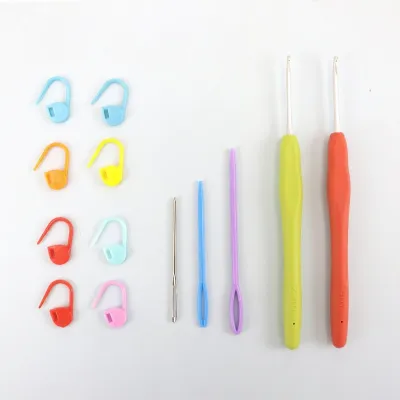
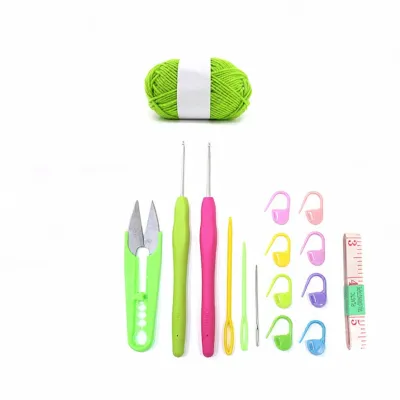
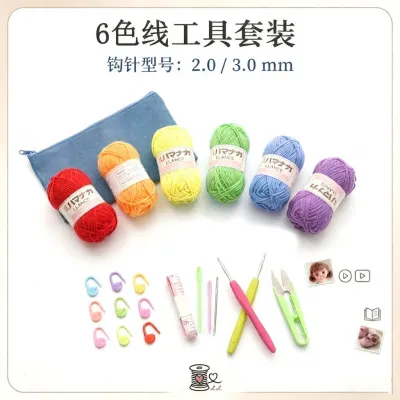
Prices are valid at publication and may change. Please refer to the product page for the latest price.
Crochet, on the other hand, uses a single hook to create interlocking loops that are self-securing. At any given moment during a crochet project, there is typically only one active loop on your hook. You insert the hook into a completed stitch, wrap the yarn around the hook, and pull it through to create a new stitch, closing the previous one as you go. This single-loop system makes the fabric highly secure; if you accidentally drop your hook, the project will not unravel on its own unless you actively pull the working yarn.
These mechanical differences directly influence the texture, weight, and drape of the finished fabric. Knitting produces a relatively thin, highly flexible fabric with excellent stretch and drape, making it the traditional choice for garments that need to contour to the body. Crochet fabric is inherently thicker, denser, and more structured because each stitch involves wrapping the yarn around itself multiple times. This structural density makes crochet ideal for items that need to hold their shape under tension or weight.
Comparing the Learning Curve for Beginners
The initial learning curve for each craft depends heavily on your manual dexterity and how you prefer to coordinate your hands. Knitting requires a high degree of bilateral coordination. You must hold a needle in each hand, manage the tension of the yarn with your fingers, and execute precise movements to slide loops between the needle tips. For absolute beginners, this can feel like trying to coordinate too many moving parts at once. It takes time to build the muscle memory required to keep your needles steady without dropping stitches or tightening your grip to an uncomfortable degree.

Crochet is often considered more intuitive for beginners because you only have to control one active tool. Your dominant hand guides the hook, while your non-dominant hand feeds the yarn and holds the growing fabric. Because you are only managing one loop at a time, you do not have to worry about an entire row of stitches sliding off your tool. However, crochet presents a different mental challenge: learning to “read” your stitches. Because crochet stitches are more complex and three-dimensional than simple knitting loops, it can be difficult for a beginner to identify where one stitch ends and the next begins, often leading to accidentally adding or losing stitches at the ends of rows.
When mistakes happen—as they inevitably do for every beginner—the ease of correction varies significantly between the two crafts. In crochet, fixing a mistake is as simple as pulling your hook out and gently tugging on the yarn to unravel the stitches back to the error. You then slip your hook back into the single active loop and resume working. In knitting, unraveling work is more nerve-wracking because you must carefully catch every single open loop back onto your needle as you undo the stitches. For a beginner, a dropped knitting stitch can feel catastrophic, often requiring you to start the project over from the beginning until you learn advanced correction techniques.
Matching Tools to Your Project Goals
Before spending your budget on tools, think about what you actually want to make. If your primary goal is to create classic, wearable garments like sweaters, cardigans, socks, or delicate shawls, knitting needles are generally the better investment. The drape of knitted fabric is unmatched for clothing, allowing the material to flow and move naturally. In warmer regions like Singapore, where heavy woolens are impractical, knitting with lightweight cotton, linen, or bamboo yarn allows you to create breathable, airy tees and summer tops that are comfortable to wear year-round.
If you are drawn to home decor, accessories, or sculptural items, a crochet hook is the ideal tool. Crochet is the undisputed king of “amigurumi”—the art of crocheting small, stuffed yarn creatures. The dense, sturdy nature of crochet stitches prevents the stuffing from poking through, allowing you to create firm, durable toys. Crochet is also perfect for making structured market bags, sturdy coasters, textured blankets, sun hats, and decorative granny squares. These projects progress quickly, providing a sense of immediate accomplishment that keeps beginners motivated.
Before purchasing any tools, it is highly recommended to browse online pattern libraries or local craft blogs to see what designs appeal to you. Look closely at the project requirements listed in the patterns. If almost every project you save is a textured plush toy or a colorful granny-square bag, you should start with a crochet hook. If your saved list is full of classic ribbed beanies, seamless sweaters, and delicate lace wraps, knitting needles should be your first purchase.
Evaluating Starter Kits and Material Requirements
Starting a new hobby does not require a massive financial investment. For both crafts, you can acquire a highly functional starter setup for under S$15 to S$20 at local craft specialty shops or online marketplaces. However, the specific items you need to buy differ slightly.
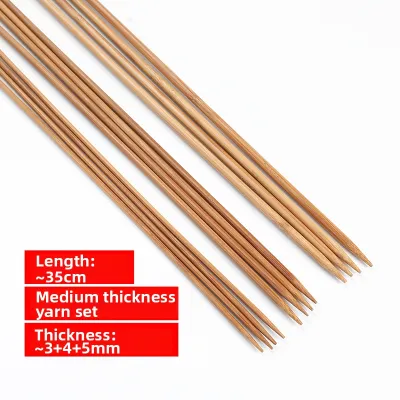
For a beginner knitter, the simplest starting tool is a pair of single-pointed straight needles. Look for needles made of bamboo or wood rather than metal or plastic. Bamboo has a natural, slight surface friction that prevents slippery acrylic or cotton yarns from sliding off the needles too easily, giving you more control as you learn. A pair of medium-sized needles, such as 4.0 mm or 5.0 mm, paired with a matching medium-weight yarn, is the easiest combination to handle. Avoid very thin needles, which can be frustratingly slow, and very thick needles, which can tire out your hands quickly.
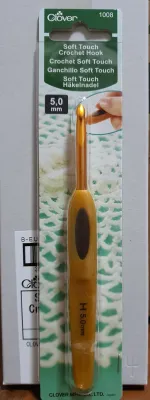
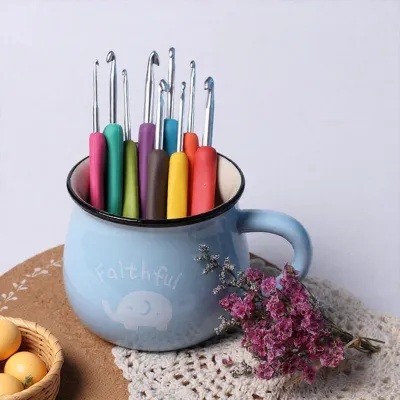
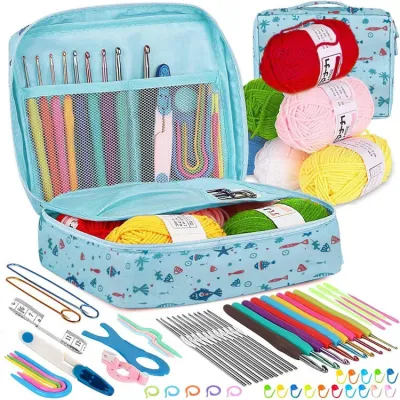
For a beginner crocheter, you only need to purchase a single hook to get started. An aluminum hook with a soft, ergonomic rubber or silicone handle is highly recommended. The ergonomic grip reduces hand fatigue and prevents your fingers from cramping during long practice sessions. Just like with knitting, a 4.0 mm or 5.0 mm hook is the perfect middle-ground size for beginners. Buying a small, inexpensive set of three to five hooks in common sizes can also be a cost-effective way to ensure you have the right tool for different yarn thicknesses.
Regardless of which craft you choose, you must learn to read yarn labels to ensure compatibility. Every skein of yarn features a paper band with crucial information, including a recommended needle and hook size in millimeters. For your first project, always match the size of your tool to the recommendation on the label. Additionally, you will need a few low-cost accessories: a pack of plastic stitch markers (essential for marking the beginning of rounds in crochet), a blunt-tipped tapestry needle (used to weave in loose yarn ends when your project is finished), and a reliable pair of scissors.
Decision Framework: Which Tool Should You Buy?
To finalize your decision, use this structured framework to match your preferences, lifestyle, and goals to the right tool.
Choose knitting needles if:
- You want to create soft, flowing garments, lightweight summer tops, or classic ribbed accessories.
- You enjoy a highly rhythmic, repetitive, and meditative crafting process that utilizes both hands equally.
- You prefer a smooth, uniform fabric texture and do not mind spending more time on a project to achieve a refined finish.
Choose a crochet hook if:
- You want to make stuffed toys (amigurumi), structured bags, home decor, or thick, textured blankets.
- You prefer a faster-paced craft where you can easily see your progress and complete small projects in a single sitting.
- You want a forgiving learning curve where mistakes can be undone in seconds without risking the structural integrity of the entire piece.
Verify first if:
- You experience joint pain or hand fatigue. If so, look for lightweight bamboo knitting needles or ergonomic, soft-grip crochet hooks to minimize physical strain.
- You have a specific starter pattern in mind. Always check the pattern's tool requirements before making your purchase, as some projects may require specific variations like circular knitting needles or specialized hook sizes.
- You are on a strict budget. A single crochet hook is generally cheaper than a pair of high-quality knitting needles, making crochet slightly more accessible for an initial trial.
Frequently Asked Questions (FAQ)
Can I use knitting yarn for crochet and vice versa?
Yes, almost all standard yarns can be used for both knitting and crochet. However, because crochet stitches are more complex and involve wrapping the yarn multiple times, crochet typically consumes about 25% to 30% more yarn than knitting to produce a fabric of the same surface area. When purchasing yarn, always check the yardage or meterage on the label to ensure you have enough for your chosen craft. Additionally, check the yarn band for the recommended needle and hook sizes, as these may differ slightly to achieve the optimal fabric density for each technique.
Which craft is more portable for commuting or traveling?
Crochet is generally considered the more portable of the two crafts. Because a crochet project only has one active loop, you can simply pull your hook out, place a stitch marker or safety pin through the loop to secure it, and pack your work into a small bag without any risk of it unraveling. Knitting projects are more vulnerable during travel. If you are using straight needles, the stitches can easily slide off the ends of the needles inside your bag, leading to dropped stitches that are difficult to fix on the go. If you do travel with a knitting project, it is wise to use point protectors on your needle tips or switch to circular needles to keep your stitches secure.
Is one craft harder on the hands and wrists?
Both crafts involve repetitive hand and wrist movements that can lead to strain if proper ergonomics are not practiced. Crochet tends to require more repetitive twisting of the wrist to insert and manipulate the hook, which can sometimes fatigue the dominant hand faster. Using hooks with thick, ergonomic silicone handles can significantly alleviate this pressure. Knitting distributes the physical work more evenly between both hands, but holding long, heavy metal needles can put strain on your wrists and shoulders. Opting for lightweight bamboo or wooden needles, or using circular needles (which rest the weight of the project in your lap rather than on your wrists), can make knitting much more comfortable for long sessions.
Community discussion
Share your experience or ask a question. Comments are reviewed before publication.