
Knit patches offer a practical and creative way to mend torn garments or add personal flair to everyday fabric items. These patches are typically constructed from a combination of a structural base backing and a face yarn. The durability and appearance of a knit patch depend heavily on the fiber composition of the yarn and how well it matches the wear patterns of the target fabric. Choosing the right material ensures that your repair survives repeated wash cycles and daily friction without losing its shape or unraveling.
Understanding the Base and Yarn Materials in Knit Patches
To evaluate a knit patch, one must look at both its visible surface and its hidden structural foundation. The base backing is the unsung hero of patch construction. Commercial patches often utilize stabilizing fabrics, felt, or woven fusible interfacing as a backing. This layer acts as an anchor, preventing the flexible, stretchy knit stitches from distorting, stretching out of shape, or pulling apart under tension. Without a stable backing, a knit patch applied to a non-stretch fabric like denim would quickly warp and sag.
The face of the patch is composed of yarn fibers, which typically fall into four categories: cotton, wool, acrylic, and blended fibers. Each fiber brings distinct physical properties to the patch, affecting its texture, sheen, and resilience.
Products mentioned in this guide
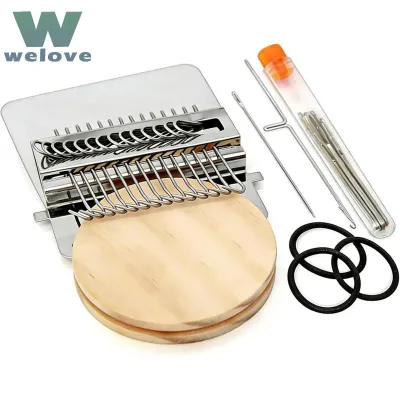
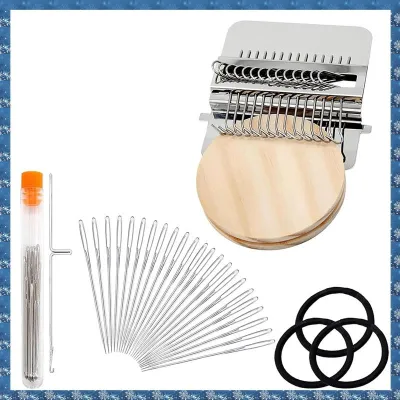
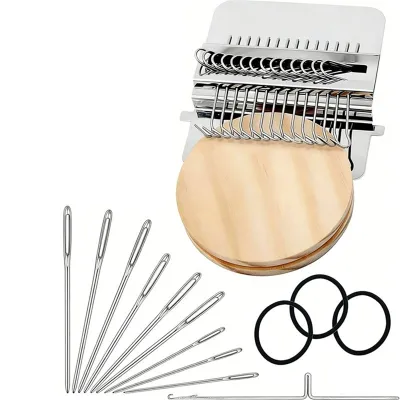
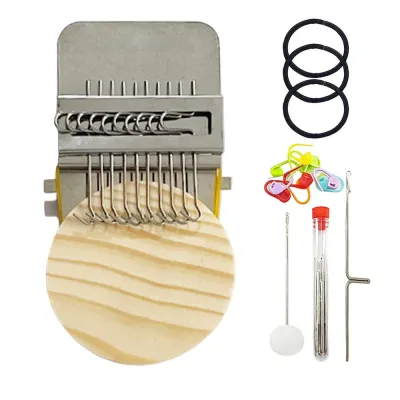
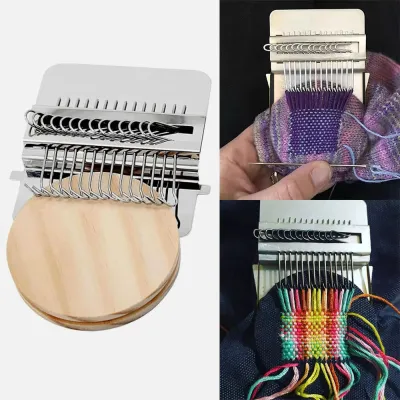
Prices are valid at publication and may change. Please refer to the product page for the latest price.
To confirm the exact fiber content of a patch or the yarn you plan to use for a DIY project, it is essential to read the manufacturer’s material tags and product descriptions carefully. Yarn labels provide critical information, including the fiber percentages (such as 80% wool and 20% nylon), the yarn weight, and standardized care symbols. Understanding these labels prevents maintenance mishaps, such as accidentally shrinking a wool patch in a hot wash cycle.
Comparing Yarn Fibers for Wear Resistance and Appearance
Different yarn fibers perform uniquely under friction, moisture, and tension. Understanding these characteristics allows you to select a patch material that aligns with your durability expectations.

Cotton yarn is highly structured, breathable, and strong. It provides a clean, matte appearance that matches well with casual wear like canvas bags or denim jackets. However, cotton lacks natural elasticity. Over time, repeated washing can cause cotton patches to shrink, stiffen, or fade, especially when exposed to harsh detergents or direct sunlight. In warm, humid climates like Singapore, cotton is often favored for its breathability and comfort against the skin.
Wool yarn offers excellent elasticity, warmth, and a classic, cozy aesthetic. Its natural crimp allows it to stretch and recover its shape easily, making it ideal for patching knitwear and sweaters. However, wool requires meticulous care. Standard washing machine cycles can cause wool fibers to rub together, leading to felting, shrinking, and permanent distortion. If you choose a pure wool patch, you must commit to gentle hand washing or specialized delicate cycles.
Acrylic and other synthetic yarns are highly valued for their vibrant color retention, ease of washing, and affordability. They do not shrink in the wash and dry relatively quickly. Despite these benefits, synthetic fibers are prone to pilling when subjected to constant friction. Over time, the tiny fibers break and form small, unsightly balls on the patch surface. Additionally, acrylic can lose its structural shape or even melt if exposed to high heat, meaning you must exercise extreme caution when using an iron to apply or press them.
Blended yarns combine the best attributes of different fibers to balance texture, strength, and maintenance. For example, a wool-nylon blend leverages the warmth and elasticity of wool alongside the exceptional wear resistance of nylon. These blends are engineered to withstand high friction while remaining soft and visually appealing, making them a highly practical choice for everyday garments.
Matching Yarn Types to Your Specific Repair or Crafting Needs
Selecting the right knit patch requires analyzing where the patch will go and how the garment will be used. High-friction areas, such as elbows, knees, and the contact points of bag straps, demand highly durable materials. For these high-stress applications, tightly spun cotton or synthetic blends containing nylon or polyester are highly recommended. Pure acrylic or loosely spun wool patches will quickly wear thin or pill in these zones. Conversely, purely decorative, low-stress applications—such as a patch on the chest of a jacket or the side of a backpack—allow you to prioritize texture and visual appeal over extreme wear resistance.
Before applying any patch, always check the care label of the base garment. The washing and drying requirements of the patch and the garment must align. For instance, applying a delicate, hand-wash-only wool patch to a heavy-duty, machine-washable cotton pair of jeans will create a maintenance conflict. When washed, the patch may shrink dramatically while the jeans remain unchanged, resulting in puckered fabric and a ruined repair.
Environmental factors and wear frequency also play a role in your material choice. In Singapore’s tropical climate, heavy wool patches may feel uncomfortably warm on lightweight clothing. Opting for breathable cotton or lightweight synthetic blends ensures the repaired garment remains comfortable for daily wear.
How to Inspect and Verify Patch Quality Before Application
Before purchasing a commercial knit patch or applying a handmade one, a thorough physical inspection can save you from premature failures. Start by examining the backing stability and edge finishing. The backing should feel firm but flexible, and the edges must be securely bound with dense stitching, such as an overlocked or blanket stitch. If the edges look loose or sparse, the patch is highly susceptible to fraying and unraveling once attached to a garment.
Next, observe the yarn twist, ply, and tension. High-quality patches are made from multi-ply yarns with a visible, tight twist. Tightly twisted yarns hold their fibers securely, reducing the likelihood of pilling and splitting. The knitting tension should be uniform across the entire patch, with no loose loops or uneven gaps that could catch on external objects.
Colorfastness is another critical factor to verify. To test this, take a damp white cloth and gently rub the back or a hidden edge of the patch. If any dye transfers to the cloth, the patch is prone to bleeding, which could ruin your base garment during the first wash.
Finally, review the manufacturer’s care instructions. If the patch requires iron-on heat but your base garment is made of heat-sensitive synthetic fabric, do not proceed with heat application. In such cases, switch to sewing the patch on manually or consult a professional tailor to avoid damaging your clothing.
Frequently Asked Questions (FAQ)
Can I use any knitting yarn to make my own patches?
While you can technically knit a patch from almost any yarn, not all yarns are suitable for durable repairs. Lightweight yarns, such as fingering or sport weight, are excellent for delicate knits, while worsted or bulky yarns work best for heavy garments. It is crucial to match the fiber content of your DIY patch to the base fabric to ensure uniform washing behavior. Additionally, always use a stabilizing backing or fusible interfacing on the back of your hand-knit patch. This step is essential to lock the stitches in place, maintain the patch’s shape, and prevent it from stretching out of proportion during the sewing process.
How do I prevent a knit patch from fraying or unraveling?
Securing the edges of a knit patch is vital to its longevity. For handmade patches, finishing the edges with a tight blanket stitch or whipstitch using a durable thread creates a strong barrier against fraying. If you are using a commercial patch, check the manufacturer’s guidelines to see if it features a heat-activated adhesive backing or if it requires sewing. Applying a thin, flexible fabric glue or fusible web along the cut edges can also help lock loose fibers. For delicate, high-value garments, or if you are unsure about your sewing skills, consulting a professional tailor is the safest way to ensure a clean, permanent application.

Community discussion
Share your experience or ask a question. Comments are reviewed before publication.